

Cthulhu
High Priest of the Great Old Ones
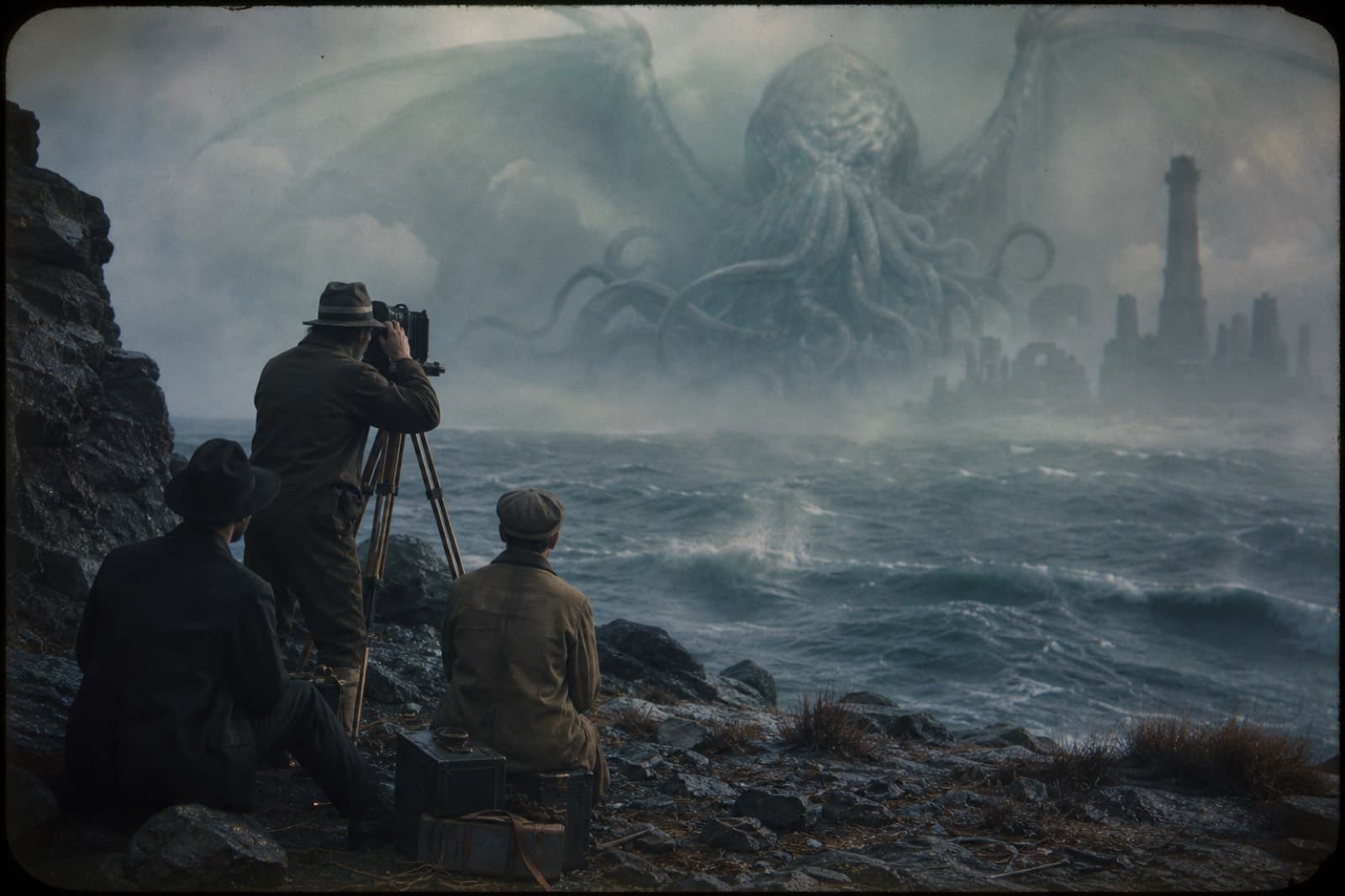
A colossal entity of draconic and cephalopodic aspect, dreaming in death-like slumber beneath the Pacific until the stars align, and when they do, the world will know madness again.
Ph'nglui mglw'nafh Cthulhu R'lyeh wgah'nagl fhtagn.
Cult chant, translated in suppressed field reports as: In his house at R'lyeh, dead Cthulhu waits dreaming.
Overview
Of all the powers catalogued in these pages, none has left a deeper wound upon the collective sanity of mankind than Cthulhu, that nameless horror whose very syllables, when spoken aloud in certain circles, still provoke a shudder of ancestral dread. He is not dead, as the vulgar suppose; he dreams. And in that dreaming, which spans eons beneath the crushing weight of the Pacific, he sends forth his thoughts like ripples across the dark water of human consciousness, troubling artists, poets, and the sensitive with visions of cyclopean cities and green, sticky depths.
The archive holds that Cthulhu serves as high priest of the Great Old Ones, though whether priest or sovereign is a distinction perhaps meaningless to minds shaped by three dimensions and linear time. What matters to us is simpler and more terrible: when the stars come right again, he will rise. R'lyeh will breach the surface. And those who survive the first hour will envy the dead.
Description
Those few who have beheld Cthulhu and lived to record their impressions speak with one voice of a mountainous figure, a dragon, an octopus, and a human caricature fused into something that ought not to exist. The head is a mass of writhing tentacles; the body is scaly and rubbery, green-black and glistening, bloated with a corruption that seems older than the continents. Wings, when folded, sprawl obscenely; when spread, they blot out reason itself.
Scale defies measurement. The Norwegian sailor Johansen, whose account the Miskatonic University suppressed for years, described a figure 'hundreds of metres tall', yet other witnesses, in dreams alone, have perceived the same entity as filling the horizon. Proximity induces a dread so absolute that men fall to their knees, weep, or flee screaming into the night. The smell, salt, decay, and something sweetly organic, lingers in accounts for weeks afterward.
Historical Record
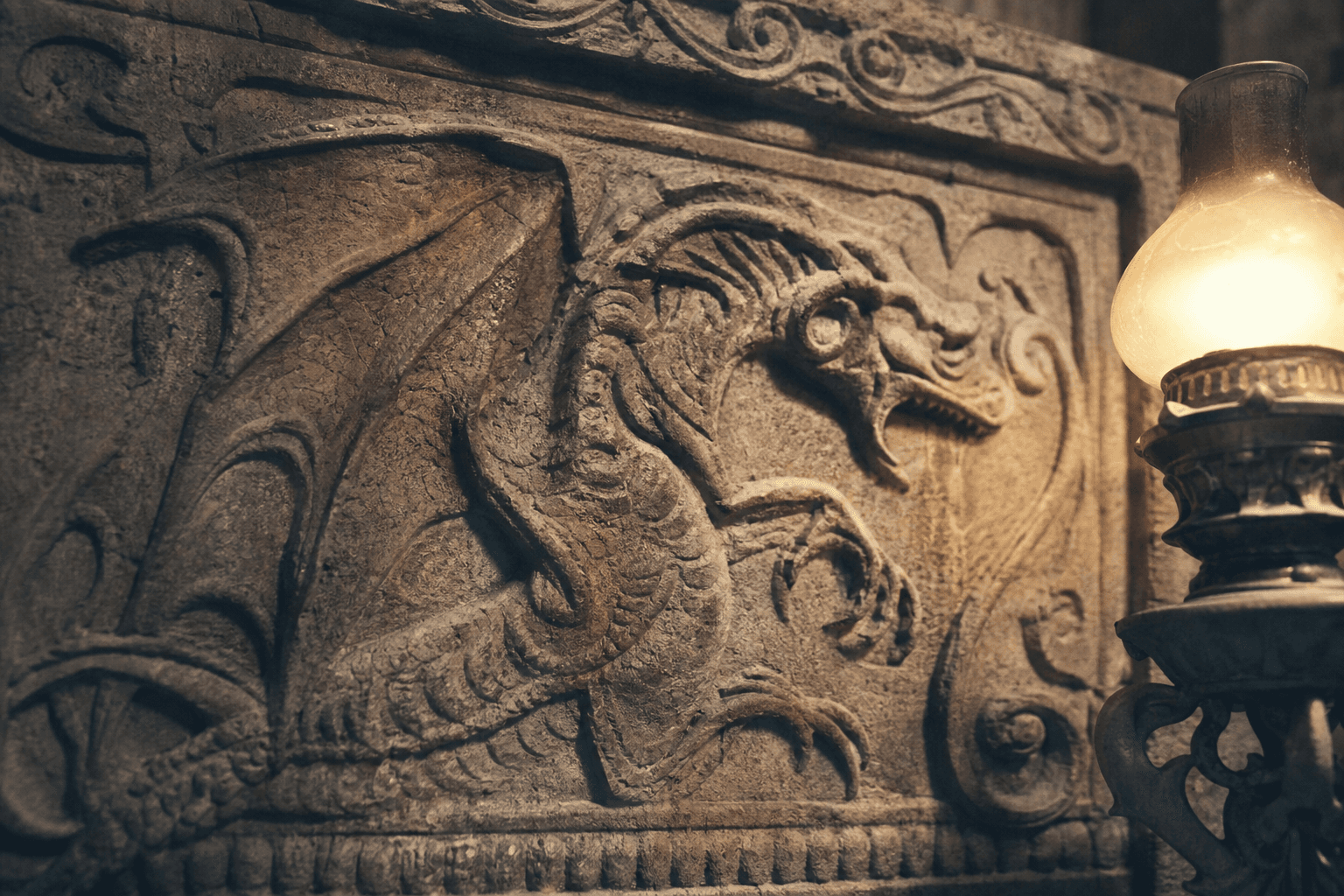
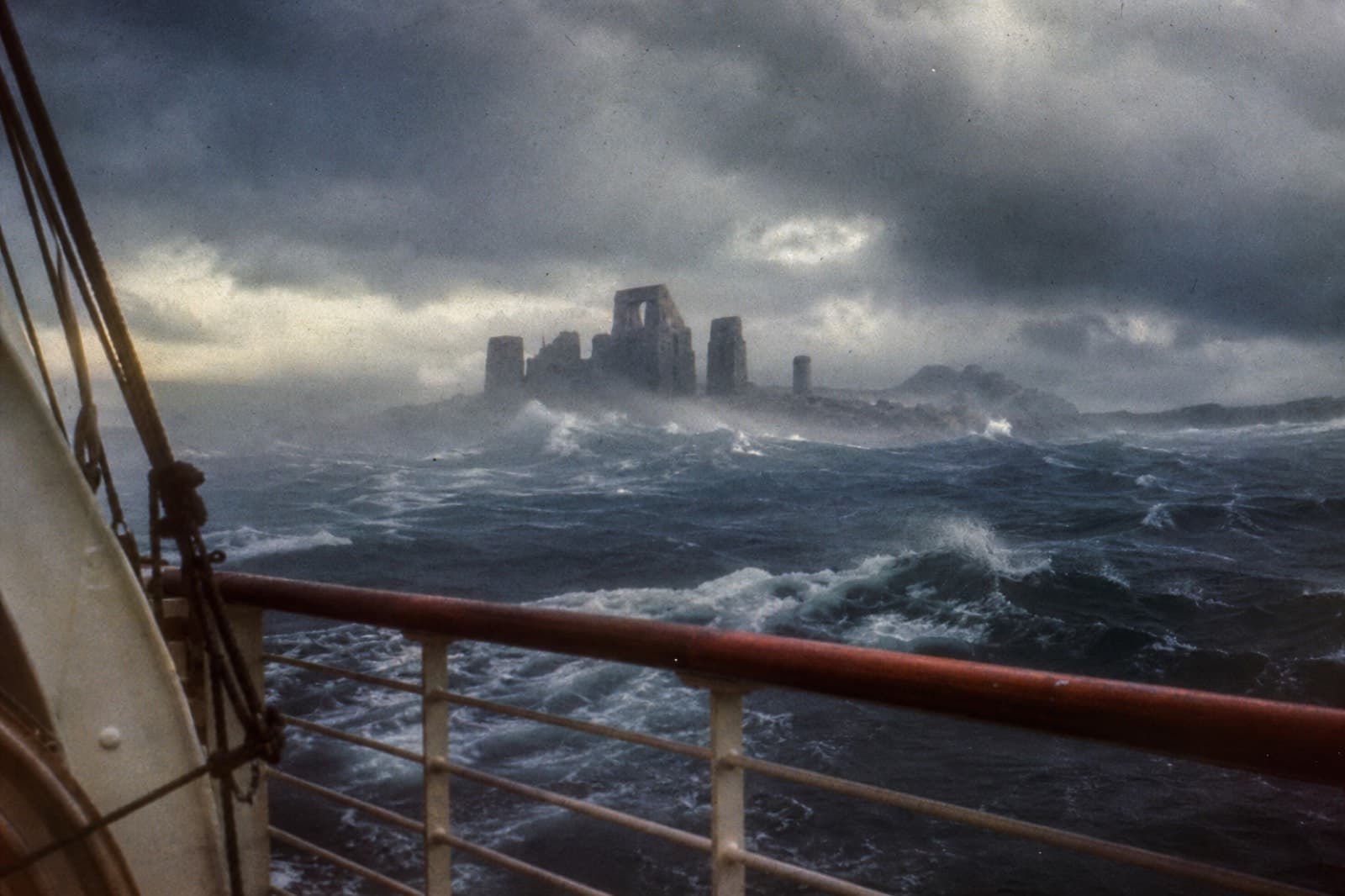
The first coherent modern account reached the world through the papers of Francis Wayland Thurston of Boston, who in 1927 traced a thread of sculptured bas-reliefs, cult murders, and a derelict ship adrift in the Pacific, all converging upon a single name. The Emma, commanded by Gustaf Johansen, had encountered a cyclopean island risen from the sea: non-Euclidean architecture, hieroglyphs older than humanity, and at last the thing itself, which Johansen drove back into the deep by ramming it with his vessel.
R'lyeh sank again. The stars were not yet right. But the cult endures, in the swamps of Louisiana, the mountains of China, the ice of Greenland, whispering that when the time comes, Cthulhu will rise and there will be revelry and slaughter. The Miskatonic Expedition's later surveys cross-reference these events with geomagnetic anomalies, anomalous sonar readings, and a persistent pattern of shared dreams among persons who have never met.
Cult Activity
The Esoteric Order of Dagon is a separate thread; the cult of Cthulhu is older, wider, and stranger. Its members are not always mad in the clinical sense, many are quiet, respectable, waiting. They gather in cellars and clearings, chant the syllables that human throats were never meant to form, and offer prayers not for salvation but for the end of the world that keeps their god sleeping.
Intercepted correspondence suggests coordination across continents. A priest in the bayous corresponds with a sculptor in Rhode Island; a Greenlander shares dreams with a clerk in New Orleans. The archive treats all such networks as active threats, not historical curiosities.
Archive Notes
Classification remains provisional. Some scholars argue Cthulhu functions as priest rather than sovereign; others insist the distinction collapses before the scale of the entity. The suppressed Johansen manuscript is available to accredited researchers under Protocol Theta. Field teams approaching the Pacific coordinates associated with R'lyeh must carry psychological screening and are advised that sonar returns in the region have, on three occasions, depicted shapes inconsistent with known geology.
Evidence 01

Evidence 02
Citation: Miskatonic Expedition Archive. Record GOO-001. Access subject to institutional review.
Related Records
Cross-References
CIV-001
dormantR'lyeh
The Sunken Corpse-City
A cyclopean metropolis of non-Euclidean geometry risen briefly from the Pacific, tomb and temple to the dreaming god, a city that should not exist and cannot be forgotten once seen.
STY-001
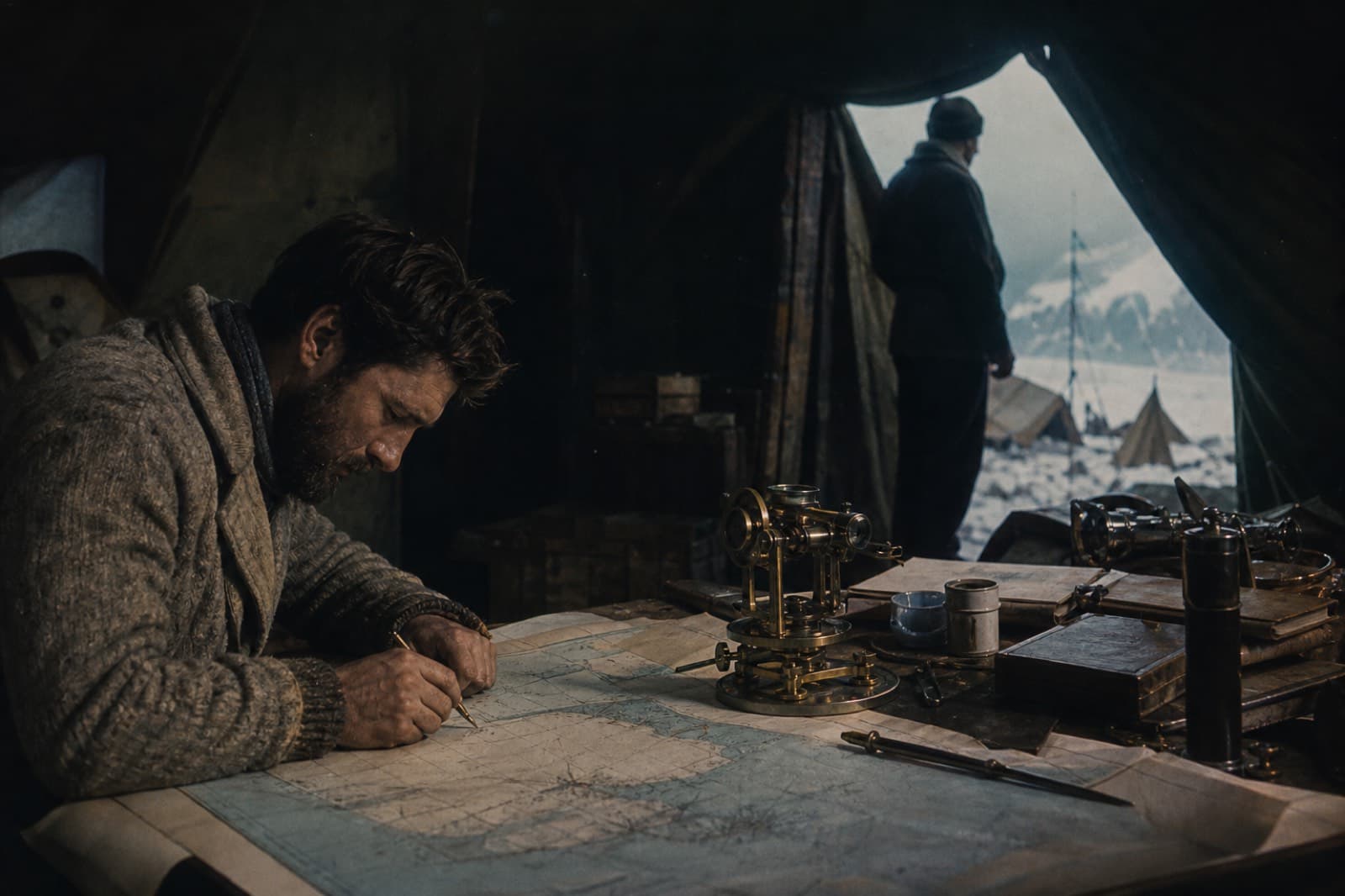
activeThe Call of Cthulhu
Incident Record - 1925
A global wave of dreams, cult activity, and the brief emergence of R'lyeh documented through fragmented testimony - the case that proved the mythos was not regional but planetary.

CON-001
activeCosmic Horror
Philosophical Classification
Horror arising not from personal evil but from the insignificance of humanity before an indifferent, incomprehensible cosmos - the aesthetic that governs every file in this archive.

TOM-001
fragmentaryNecronomicon
Al Azif, Book of Dead Names
The most infamous grimoire of the mythos, an Arabic manuscript of rituals, histories, and formulae that erode the sanity of readers and have never been wholly suppressed, only scattered.