


Field Dispatch
Where to Start Reading H. P. Lovecraft
Framed as the Miskatonic University reading list issued to new field researchers before clearance.
Why order matters
New readers often ask where to start Lovecraft - which tale opens the door without slamming it shut. The honest answer depends on what you want from the experience: a single evening of dread, a gradual introduction to the Cthulhu Mythos, or full immersion in his most ambitious prose. Cosmic horror works best when you understand that Lovecraft is building atmosphere and philosophy, not jump-scare set pieces. He writes like a field geologist of the impossible: layers of detail, then a fault line where reason gives way.
We advise against beginning with At the Mountains of Madness or The Shadow out of Time. Those novellas assume you already accept Lovecraft's core premise - that human knowledge is fragile and the universe is indifferent. Without that foundation, the long Antarctic digressions can feel like homework rather than revelation. Likewise, save collaborative pulp serials and juvenilia until you know his mature voice.
Choosing your first dispatch
Start instead with shorter tales that teach his rhythm: the slow accumulation of wrongness, the unreliable narrator, the moment when rational explanation collapses. Our archive records at /archive/the-call-of-cthulhu and related dossiers give plot context when you want cross-links; this dispatch is your map to the fiction itself. If you prefer a numbered syllabus rather than tiers, the /journal/complete-lovecraft-reading-order dispatch lays out chronological and mythos paths once you are ready to commit.
Think in terms of difficulty and payoff, not completionism. The goal is to finish your first story wanting a second - not to exhaust the canon in a week. Many newcomers arrive through games, films, or memes; those gateways are valid, but they often front-load imagery without teaching Lovecraft's argument about scale. A disciplined first month builds tolerance for long sentences, antiquarian diction, and endings that refuse consolation.
Keep a simple field notebook: story title, setting, any named book or entity, and one line on what frightened you versus what fascinated you. By the fourth tale, patterns emerge - and Lovecraft reading order stops feeling like a trivia list and starts feeling like a single cold thesis about human limits. When you are ready to sort by length and session time, cross to /journal/lovecraft-short-stories-guide; when legal access matters for a book club or podcast, read /journal/lovecraft-public-domain before you assume every famous title is free to share.
Tier I - Essential first contact
Tier I is your essential first contact - stories that define Lovecraft for most readers and remain his most cited works in anthologies, syllabi, and Lovecraft reading order debates. Begin with The Call of Cthulhu /archive/the-call-of-cthulhu, the mythos gateway in miniature: a found manuscript, a cult, and a glimpse of something vast beneath the Pacific. It is short, structurally clear, and introduces Cthulhu without requiring prior lore. Read it cold if you can; the archive summary waits until you want entity cross-links.
Follow with The Colour out of Space /archive/the-colour-out-of-space, which proves Lovecraft did not need tentacles to terrify. A meteorite corrupts a rural farmstead; the horror is ecological and inexorable, closer to toxic spill than monster movie. The Dunwich Horror /archive/the-dunwich-horror and The Shadow over Innsmouth /archive/the-shadow-over-innsmouth then expand the New England mythos - degenerate bloodlines, coastal cults, and entities that bargain with human communities. These three teach you how Lovecraft uses genealogy, geography, and forbidden ritual as plot engines.
Tier I - essential first contact
After Tier I, you will recognize recurring tools: forbidden books, inherited guilt, coastal towns that hide older populations. That vocabulary makes Tier II and Tier III legible. Pair each story with its archive dossier only when you want timelines and entity links without rereading the text. Many readers keep a running list of proper nouns - Miskatonic, Arkham, Innsmouth, Dunwich - so place-names become a map rather than noise.
Schedule Tier I across two or three weeks if you are reading after work; bingeing can blur the distinct flavors of contamination horror and maritime conspiracy. Discuss one story per meeting in a book club; assign the archive slug as optional homework for members who want spoilers contained. By the fourth tale, cosmic horror stops feeling like a bag of random monsters and starts feeling like a single argument: humanity glimpses truths it was not built to hold, then pays for the glimpse in sanity, bloodline, or both.
Tier II - Dreamlands & atmosphere
Tier II shifts tone toward the Dream Cycle and psychological horror - still unmistakably Lovecraft, but gentler on explicit mythos machinery. The Cats of Ulthar /archive/the-cats-of-ulthar is a compact fable of revenge in a witch-haunted village; many readers cite it as proof that Lovecraft could write with warmth and wit when he chose. The Outsider /archive/the-outsider is a gothic identity puzzle whose famous reveal still lands when you know it is coming, because the prose carries dread in every sentence before the last.
The Silver Key and related Dream Cycle material open doors to Kadath and Ulthar - places where wonder and dread share the same sky. Randolph Carter stories reward readers who enjoyed Tier I but want respite from fish-human hybrids and county-wide breeding programs. They also preview a different kind of Lovecraft reading order: not cults and fossils, but thresholds between waking and sleep.
Tier II - dream roads and gentler dread
Read Tier II when Tier I left you intrigued but emotionally drained. Alternate a Dream Cycle tale with a single Tier I revisit - Cool Air /archive/cool-air or From Beyond /archive/from-beyond - to keep one foot in New England science horror. Pair this block with our /cthulhu-mythos hub only when you are ready to see how dream-gods connect to waking-world cults; the links are suggestive, not mandatory. For length-based planning, the /journal/lovecraft-short-stories-guide dispatch groups fiction by reading time so you can slot Tier II stories between longer weekend reads.
Notice how Tier II trains a different sense: less disgust, more vertigo. That contrast matters when you return to coastal mythos fiction - you will feel the temperature change in prose rhythm as well as plot. Many reading groups schedule Tier II in the middle of a season so nobody burns out on genealogical horror before the best novellas arrive. If a friend dislikes "monster stories," lend them The Cats of Ulthar before you lend The Shadow over Innsmouth; recruitment works better through wonder than through revulsion.
Tier III - Deep mythos
Tier III is deep mythos territory - novellas and long tales that assume you already accept cosmic insignificance as a baseline. At the Mountains of Madness /archive/at-the-mountains-of-madness reframes human history through Antarctic exploration and elder civilizations; it is essential for understanding Shoggoths, Elder Things, and Lovecraft's evolutionary pessimism. The Shadow out of Time /archive/the-shadow-out-of-time and The Whisperer in Darkness /archive/the-whisperer-in-darkness extend time-travel and rural conspiracy themes across greater length and denser footnotes, rewarding patience with a sense of systems - history, species, planets - interlocking at scales the human mind was not built to hold.
Tier III - deep mythos and long forms
Read these after you have visited /cthulhu-mythos and at least half a dozen shorter records. The reward is coherence: names, glyphs, and cross-references that seemed ornamental in Tier I become load-bearing. If a paragraph mentions Miskatonic University or the Necronomicon, you will know whether the reference is decorative or a hinge for another story. This is where many readers fall in love with Lovecraft reading order as a puzzle rather than a checklist.
Do not rush Tier III for bragging rights. These works punish skimming. Schedule them like expeditions: good light, few interruptions, willingness to reread a page. When you finish At the Mountains of Madness, read the archive entries for the Elder Thing and Shoggoth before starting the next novella - entity dossiers clarify relationships the fiction only implies. For a full syllabus that maps every story to publication year and cluster, see /journal/complete-lovecraft-reading-order.
If a novella feels cold on first read, wait a week and try again. Tier III rewards memory: the second pass connects throwaway lines to myths you met in shorter fiction. That delayed recognition is one of the deepest pleasures in cosmic horror - not a jump scare, but a slow realization that the map was wrong from the start.
Stories to save for later
Not every Lovecraft story belongs on a first-week syllabus, and honesty about that saves readers from quitting the field entirely. Herbert West - Reanimator trades cosmic dread for Grand Guignol body horror; it is influential on pulp zombie fiction but abrasive for newcomers expecting atmosphere over gore. The Horror at Red Hook and The Street carry explicit prejudice that many modern readers find disqualifying; we document them in the archive for completeness, not as entry points when you are still learning where to start Lovecraft.
Stories to defer - and why
Save these for later study when you already understand Lovecraft's historical context and can read critically. Our /journal/lovecraft-biography and /journal/lovecraft-literary-circle dispatches address how Providence isolation and pulp economics shaped his worldview - context that does not excuse bigotry but explains why certain stories exist and why editors bought them. Content warnings are not cowardice; they are field discipline. Skipping a story does not mean you failed the canon; it means you chose a sustainable path through it.
Collaborations and ghostwritten revisions muddy authorial voice. Treat them as appendix material unless you are researching influence and magazine history. Likewise, juvenilia like The Alchemist interest completists more than converts. When you return to difficult texts, read with a pencil and questions: who is harmed on the page, who is silenced, what fear is the story actually selling? That habit keeps cosmic horror reading ethical as well as thrilling. The archive notes problematic works without pretending they are interchangeable with The Colour out of Space. Your personal canon can be deep without being exhaustive.
After your first ten tales
After your first ten tales, you have enough footing to choose your own path through the wider tradition. Readers hungry for system should continue to /journal/complete-lovecraft-reading-order and /journal/lovecraft-short-stories-guide, which cluster fiction by length, theme, and mythos density. Collectors should cross-reference /journal/best-lovecraft-book-editions; commuters should try /journal/best-lovecraft-audiobooks for licensed performances that respect punctuation and pacing.
After the first ten - where to march
Return to the archive often: each /archive/the-call-of-cthulhu style record is a dossier, not a substitute for primary text, but it links entities, locations, and timelines across the expedition catalog. When you are ready to commit to the full mythos, /cthulhu-mythos is your central index. If legal access matters for classroom or podcast projects, read /journal/lovecraft-public-domain before assuming every famous title is free to adapt.
The fiction was always the destination; these dispatches only keep you from getting lost on the way. Revisit Tier I stories after Tier III - you will hear new echoes in lines you once skimmed. That second pass is how Lovecraft reading order becomes personal rather than prescribed: you follow names, places, and images that stuck, not every story in a table. Note what frightened you versus what fascinated you; the mythos has room for both responses.
When you teach a friend, lend a single story, not a box set. One perfect evening with The Call of Cthulhu recruits more readers than a lecture on completeness ever will. Keep a short list of "return later" titles from the avoid section - ethical reading is part of long-term fandom, not a one-time disclaimer.

Evidence 01

Evidence 02
Dispatch WHERE_TO_START_LOVECRAFT · Primary keyword: best lovecraft stories
Primary sources
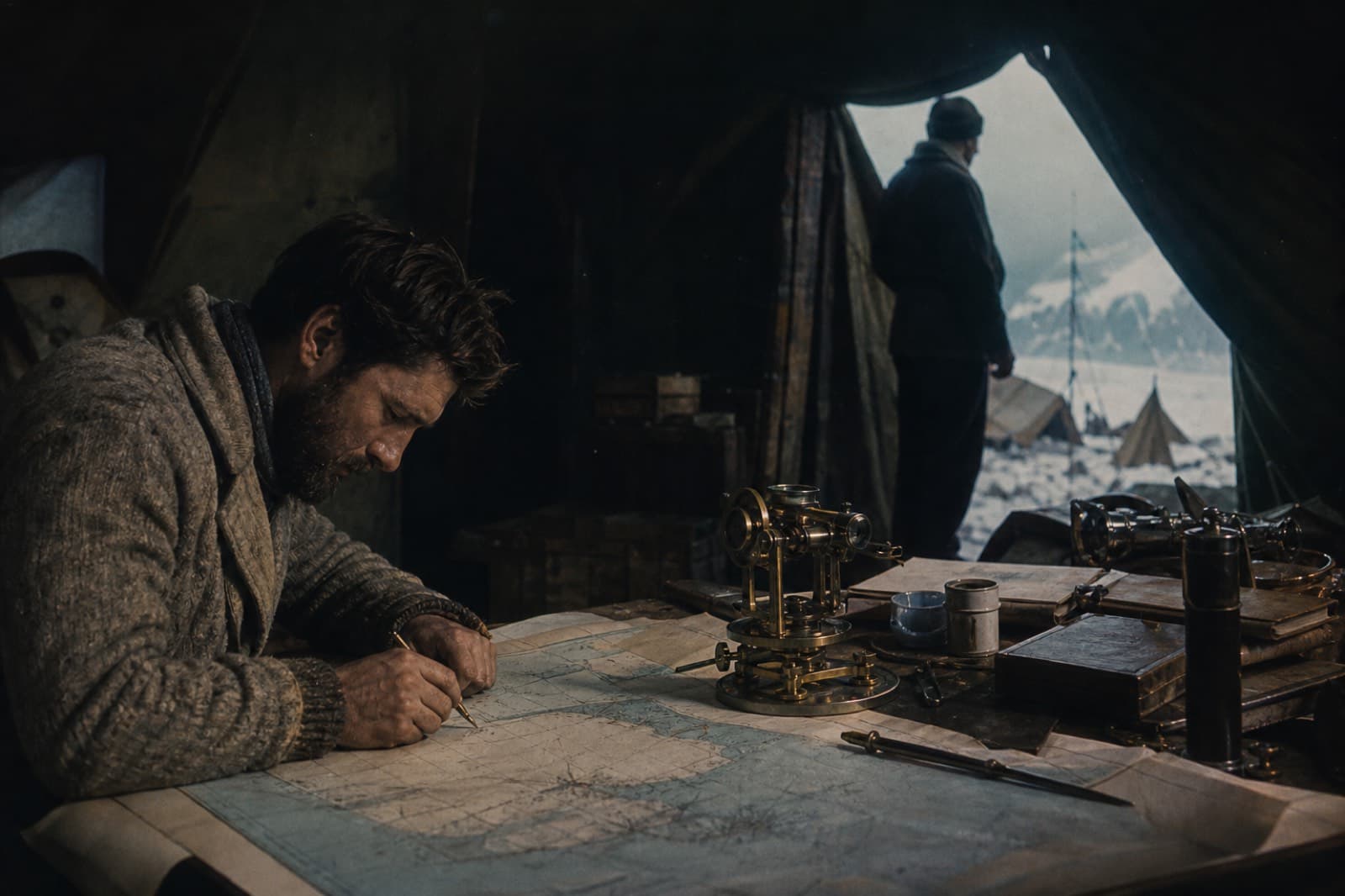
STY-001
activeThe Call of Cthulhu
Incident Record - 1925
A global wave of dreams, cult activity, and the brief emergence of R'lyeh documented through fragmented testimony - the case that proved the mythos was not regional but planetary.
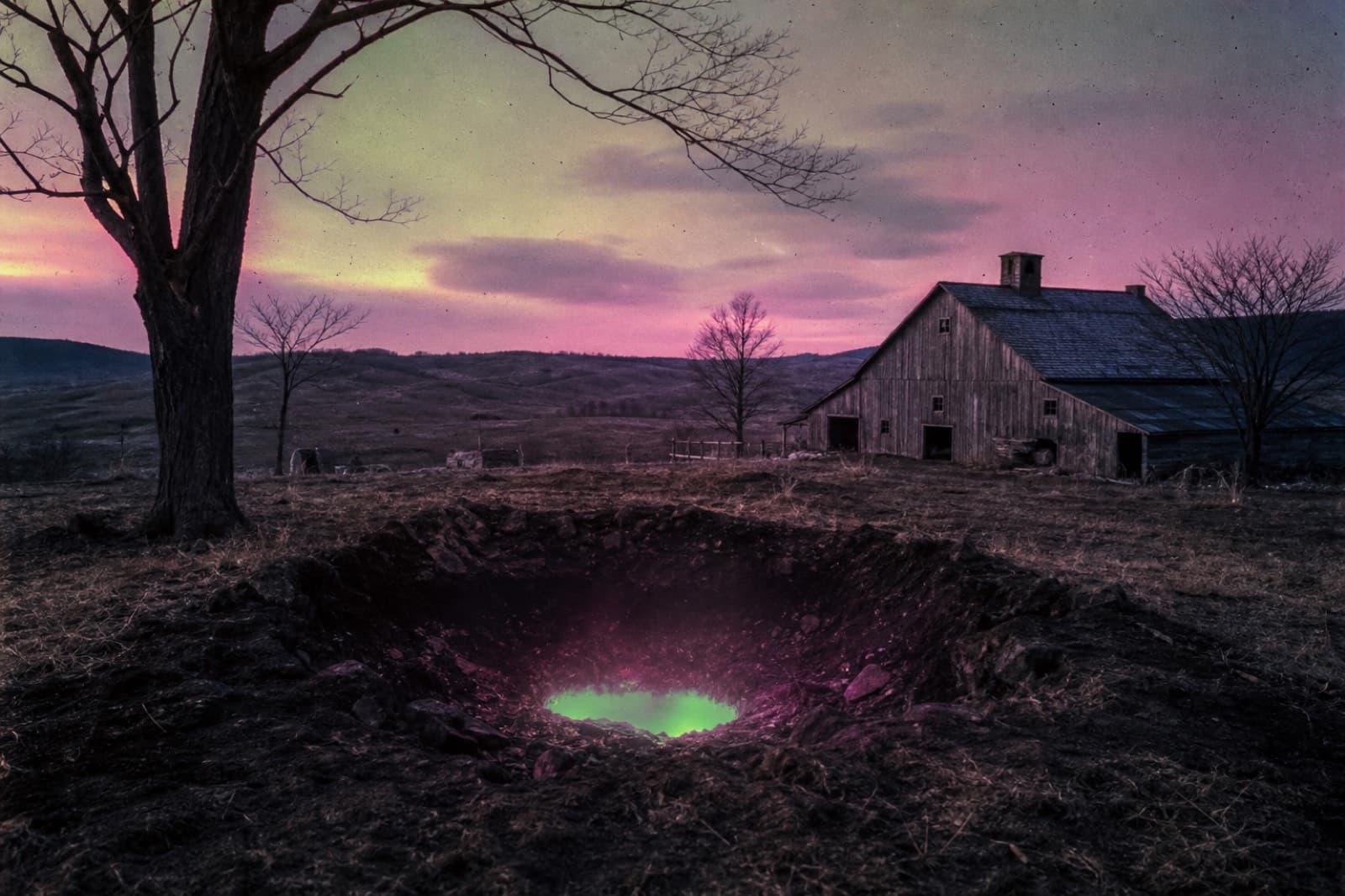
STY-102
activeThe Colour Out of Space
Gardner Farm Incident - 1882–1927
A meteorite poisons land, water, and blood with a colour outside the spectrum - Arkham's surveyor watched a farm die in hues no eye should hold and learned that the well remembers.
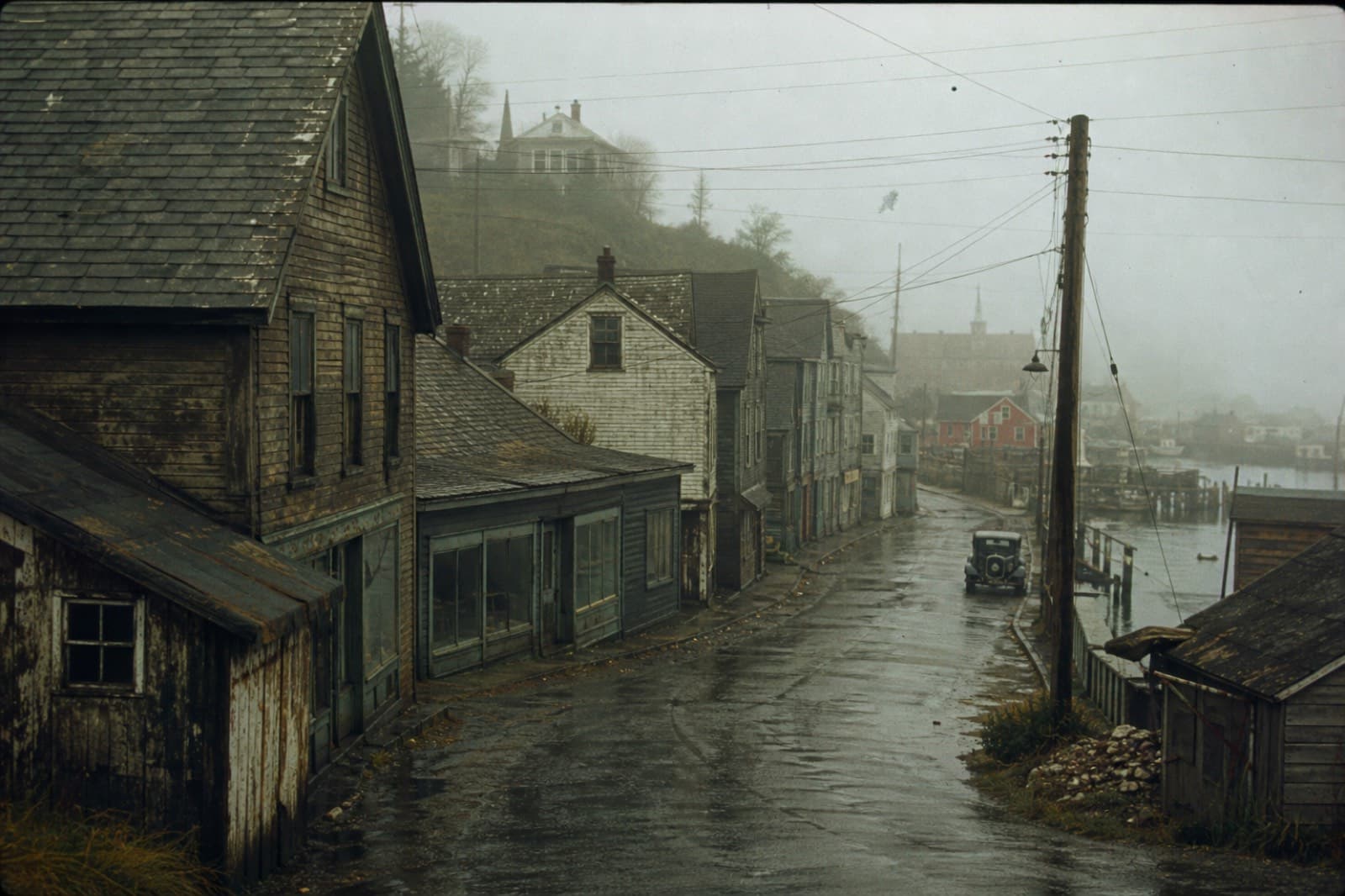
STY-003
activeThe Shadow over Innsmouth
Coastal Investigation - 1927
An undercover inquiry into Innsmouth reveals the Deep One pact and a transformation that waits in the blood - the story that explains why some coastal families do not die, they depart.
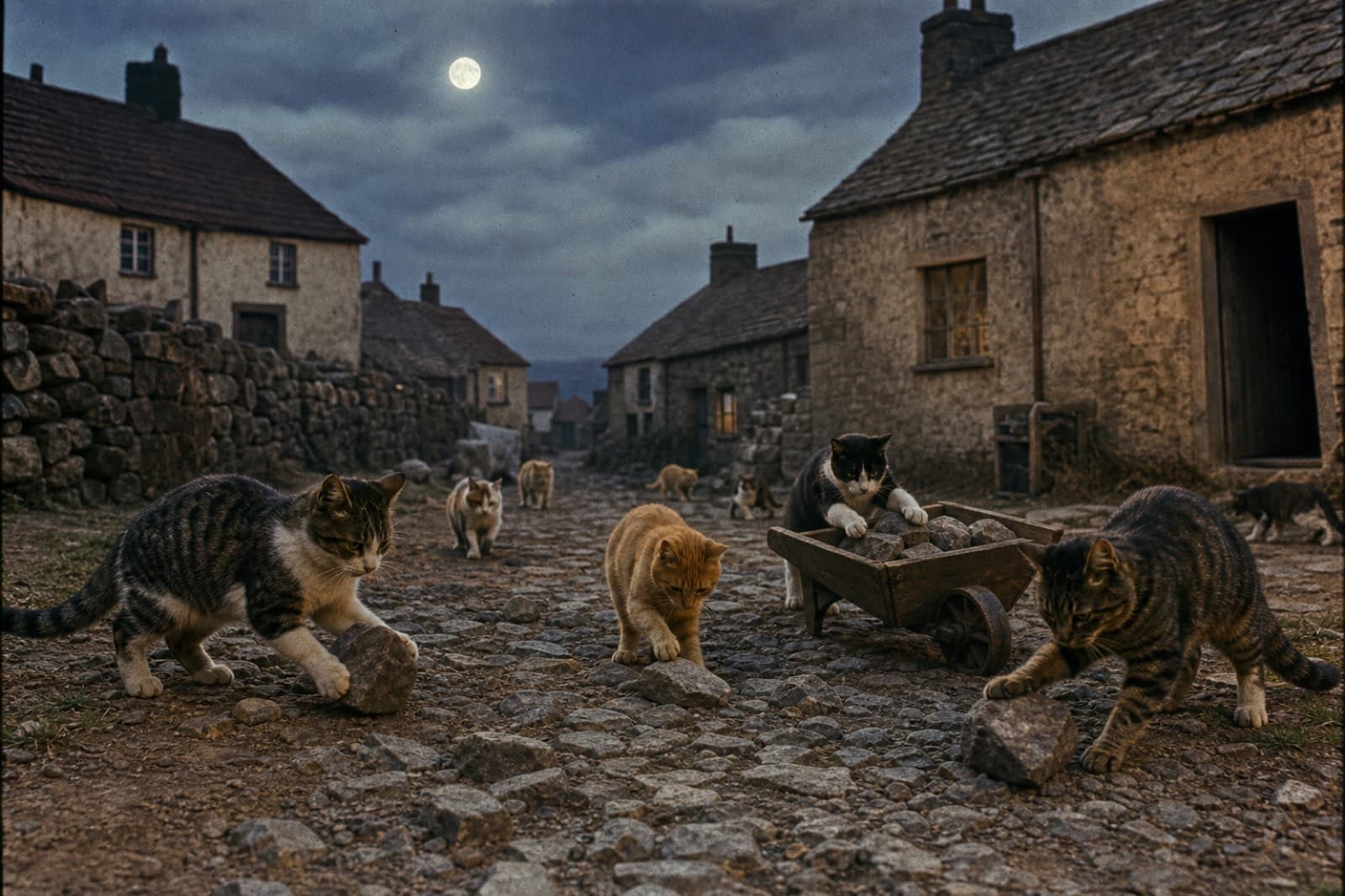
STY-120
activeThe Cats of Ulthar
Dreamlands - Ulthar
In Ulthar, where no man may kill a cat, villagers learn why - when orphaned boy and caravan witness the old cotter couple's fate and the cats' revenge under moonlight.
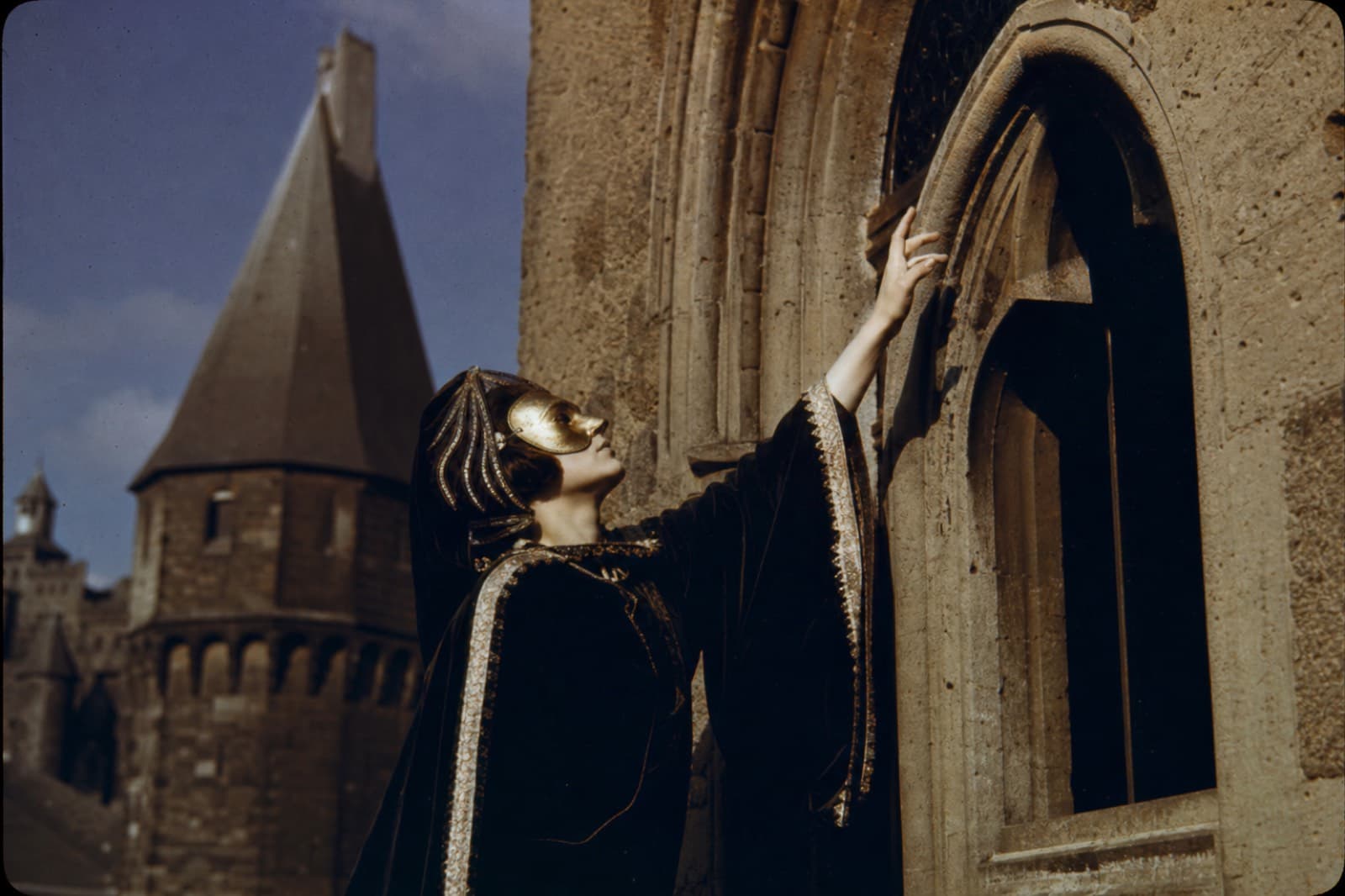
STY-121
activeThe Outsider
Castle Solitude - undated
A being who has never seen light climbs from a castle tomb to a masquerade and flees from the horror of his own reflection - the outsider is us, reversed.
Continue reading

Field Dispatch
Complete H. P. Lovecraft Reading Order
Chronological and thematic reading orders for Lovecraft's fiction, complete works editions, and how they map to the Cthulhu Mythos.
Read dispatch →

Field Dispatch
Lovecraft Short Stories - Essential Guide
Overview of Lovecraft's short fiction: lengths, themes, and which tales belong to the Dream Cycle, Arkham country, and the wider mythos.
Read dispatch →