
Field Dispatch
Best Lovecraft Audiobooks & Narrators
Audio briefings for researchers in transit to Antarctica or Innsmouth.
Wayne June (Darthula Records)
Wayne June’s Darthula Records performances remain the benchmark for solo Lovecraft audiobooks in English - the voice half the fandom hears when they read silently. His cadence - part radio patriarch, part funeral director - turns expository passages into liturgy without mocking the text. If you have only read Lovecraft on the page, June teaches you that these stories were always sound-shaped: nested testimonies, sudden italics, the gasp before a proper noun lands like a gavel. Start with The Call of Cthulhu /archive/the-call-of-cthulhu and The Shadow over Innsmouth /archive/the-shadow-over-innsmouth to hear how he weights cult jargon and withholds breath before revelations that prose already spoiled for you but sound new in air.
Wayne June: rhythm, register, and story fit
June excels at document-heavy horror - stories built from letters, depositions, and institutional failure. He is less automatic for rapid Dream Cycle whimsy, though shorter pieces still charm when the narrator’s arrogance is the joke. Purchases often sit inside the H. P. Lovecraft Historical Society ecosystem - music, drama, seasonal releases - worth exploring if you want audio beyond single-voice reads. Treat June as a performance edition: you are hearing interpretive choices about pace and dread, not a neutral studio read. Those choices align with how many readers already hear Lovecraft in their heads, which is why his catalog became the default recommendation in forums and bookstore staff picks alike. Sample the middle of a chapter, not only the cold open - openings mislead about register.
June versus neutral narrators: when baroque helps
Neutral narrators flatten adjective stacks; June sculpts them into waves. That matters for cosmic horror audiobooks because the prose’s excess is the point - language failing upward toward enormity. If you listen while commuting, June’s dynamics may require volume adjustment at night; headphones reward his whispers. Pair listens with archive skim-reading afterward: audio first for dread, dossier second for names, dates, and entity links at /cthulhu-mythos. When a chapter mentions Deep Ones or Arkham, pause and open /archive/deep-ones or /archive/arkham only after the scene lands - spoiler control remains your job, not the narrator’s. June is not “better” in a laboratory sense; he is matched to readers who want baroque immersion.
Catalog strategy for long mythos tours
Do not binge eight hours without story breaks; Lovecraft’s sameness is a feature that becomes fatigue if you treat audiobooks like a single novel. Use /journal/complete-lovecraft-reading-order to alternate maritime, urban, and Antarctic pieces across weeks. June shines on The Rats in the Walls, The Dunwich Horror /archive/the-dunwich-horror, and anything with inherited guilt - tonal cousins to Innsmouth even when fish are absent. For comparative solo voices, see the “others” section of this dispatch; June is the baseline against which baroque and neutral styles make sense. Log which stories you heard versus read - audiobook mythos study drifts when ears replace eyes without note-taking.
Historical Society audio and beyond fiction
If June hooks you on performed weird fiction, explore society dramas as adjacent Lovecraft audio - still mythos-flavored, often playful, sometimes musical. Keep fiction authority in primary texts and archive records; performances are commentary that can energize rereading without replacing citation. Screen adaptations struggle where June succeeds: voice suggests without showing. Cross-reference /journal/lovecraft-on-screen when you want to understand why film so often trades ambiguity for visible teeth. Buy society releases when you attend live events - support the ecosystem that keeps performed weird fiction in print-adjacent circulation, not only in algorithmic feeds.
HorrorBabble
HorrorBabble occupies a different contract in the Lovecraft audiobook ecosystem: accessible uploads, Patreon tiers, and a catalog that mixes Lovecraft with wider weird fiction and classic horror. Quality stays consistently professional; delivery tends toward neutral clarity rather than Wayne June’s baroque register. Some listeners prefer that neutrality for long sessions - fewer performative peaks, less risk of camp unless the story itself demands it. Use the free tier to sample length, pacing, and mic presence before committing to memberships or bundled downloads; your ears are picky in ways star ratings lie about.
HorrorBabble: access, pacing, and catalog breadth
HorrorBabble shines for commuters who want unabridged Lovecraft audio without hunting regional Audible licenses. Treat uploads like radio blocks: one story per walk, not a week of the same adjective weather. Because the catalog spans beyond Lovecraft, you can hear how Poe, Blackwood, and later cosmicists rhyme with his cadence - useful context before reading /journal/supernatural-horror-in-literature on Lovecraft’s own critical canon formation. When a tale references science gone wrong, pair listens with /archive/the-colour-out-of-space or /archive/herbert-west-reanimator depending on whether contamination or hubris leads the plot. Neutral delivery exposes repetitive devices - valuable for writers, occasionally brutal for fans who want mystique.
Patreon, production rhythm, and listener etiquette
Creator-supported audio rewards steady production schedules; support if you rely on the catalog, but remember legal Lovecraft audio still depends on public-domain status and platform terms - our /journal/lovecraft-public-domain dispatch explains why some stories appear everywhere and others vanish by region. HorrorBabble’s neutrality helps classrooms and book clubs where June’s voice would dominate discussion; teachers can assign audio homework without students imitating a single performance style. After listening, assign one written question - “What institution failed first?” - then open the relevant archive dossier for consolidation. Tip creators when a story carried you through a hard week; pirating the same files teaches the wrong lesson about weird fiction sustainability.
Pairing HorrorBabble with expedition workflows
Workflow: HorrorBabble story → your own one-paragraph summary → archive record for entities → journal dispatch for comparison. Example chain: audio of The Shadow over Innsmouth, then /archive/the-shadow-over-innsmouth, then /journal/deep-ones-explained and /journal/obed-marsh-and-innsmouth-history. Audio first prevents spoilers in dossiers from flattening surprise; dossiers second prevent misheard proper nouns from fossilizing into wrong wiki edits. If you also collect print, cross-check titles against /journal/best-lovecraft-book-editions so your ear and eye editions align. Keep a spreadsheet of story title, narrator, date finished - boring logistics prevent mythos arguments built on misremembered audio.
When to choose neutral over baroque
Choose HorrorBabble when you are studying story structure rather than vibe alone - neutral reads expose repetitive devices clearly, which helps writers learning cosmic horror craft. Choose June when you want immersion theater. Many veterans alternate both: June for rereads, neutral for first contact with unfamiliar tales. Finish with /journal/modern-lovecraftian-horror to hear how contemporary authors sound when no single narrator owns the mythos trademark. If neutrality puts you to sleep, switch narrators rather than blaming Lovecraft - audiobook narrator fit is physiological, not moral.
Other narrators
Beyond solo narrators, the Lovecraft audio drama landscape includes BBC radio productions, full-cast adaptations, and sound-design-heavy studios that treat weird fiction like cinema without cameras. Ensemble casting clarifies The Shadow over Innsmouth /archive/the-shadow-over-innsmouth - who testifies, who lies, who repeats federal agent language until it rots. GraphicAudio-style productions add foley and music at the cost of runtime; they reward listeners who want immersive mythos audio rather than bedtime minimalism. The expedition catalogs these as satellites: bright, useful, not replacements for sentences on the page.
Other narrators: full cast, radio, and platform traps
Audible and library apps vary by regional licensing; always verify unabridged status before buying eight hours of accidental summary. Narrator taste is physiological - some voices trigger sleep, others tension. Sample three minutes in the middle of a story, not only the opening, because openings mislead. For screen-adjacent drama, see /journal/lovecraft-on-screen - film and audio share casting problems when depicting the indescribable, but audio can hide budget limits that bankrupt creature features. Full-cast dramas sometimes “solve” ambiguity with wet sound design; notice when sound replaces thought.
BBC, indie dramas, and short-form experiments
Radio traditions respect silence - useful for Lovecraft radio adaptations where horror lives between lines. Indie podcasts sometimes adapt single shorts (Pickman’s Model, “The Statement of Randolph Carter”) with tight focus; they fail when they stretch a ten-page idea into a season. Prefer adaptations that know their length. When dramas modernize settings, compare choices to archive slugs anyway - /archive/pickmans-model remains plot authority even if the production moves cameras to another city. BBC archives are worth library interloan for researchers teaching audio adaptation craft alongside prose.
Library apps, Libby, and hybrid reading
Libby and Hoopla often carry professional audiobook editions narrated by mainstream publishers - overlap with print guides in /journal/best-lovecraft-book-editions. Hybrid readers listen during commute, annotate at home, consolidate in archive at night; keep one edition per story to avoid margin chaos. If your library lacks Lovecraft, request acquisitions; public libraries respond to demand signals more than comment threads assume. Digital loans expire - finish the novella before the app eats your place. Library audiobook Lovecraft is how many students first hear Innsmouth without buying eight separate credits.
Building a personal audio canon
Sample three narrators on the same paragraph - June, a neutral voice, a full-cast excerpt if available - then pick the rhythm matching your adjective tolerance. The best narrator is not universally crowned; it is the one you will finish. Rotate media when prose fatigue hits: /journal/gou-tanabe-lovecraft-manga for visual pacing, /journal/junji-ito-lovecraft for bodily dread kinship, /cthulhu-mythos for fiction-first indexing. Audio is reconnaissance and ritual; let it send you back to sentences, not replace them. End each month with one story read silently to rebuild prose stamina - ears alone train the wrong muscles for citation.
Evidence 01
Evidence 02
Dispatch BEST_LOVECRAFT_AUDIOBOOKS · Primary keyword: wayne june lovecraft
Primary sources
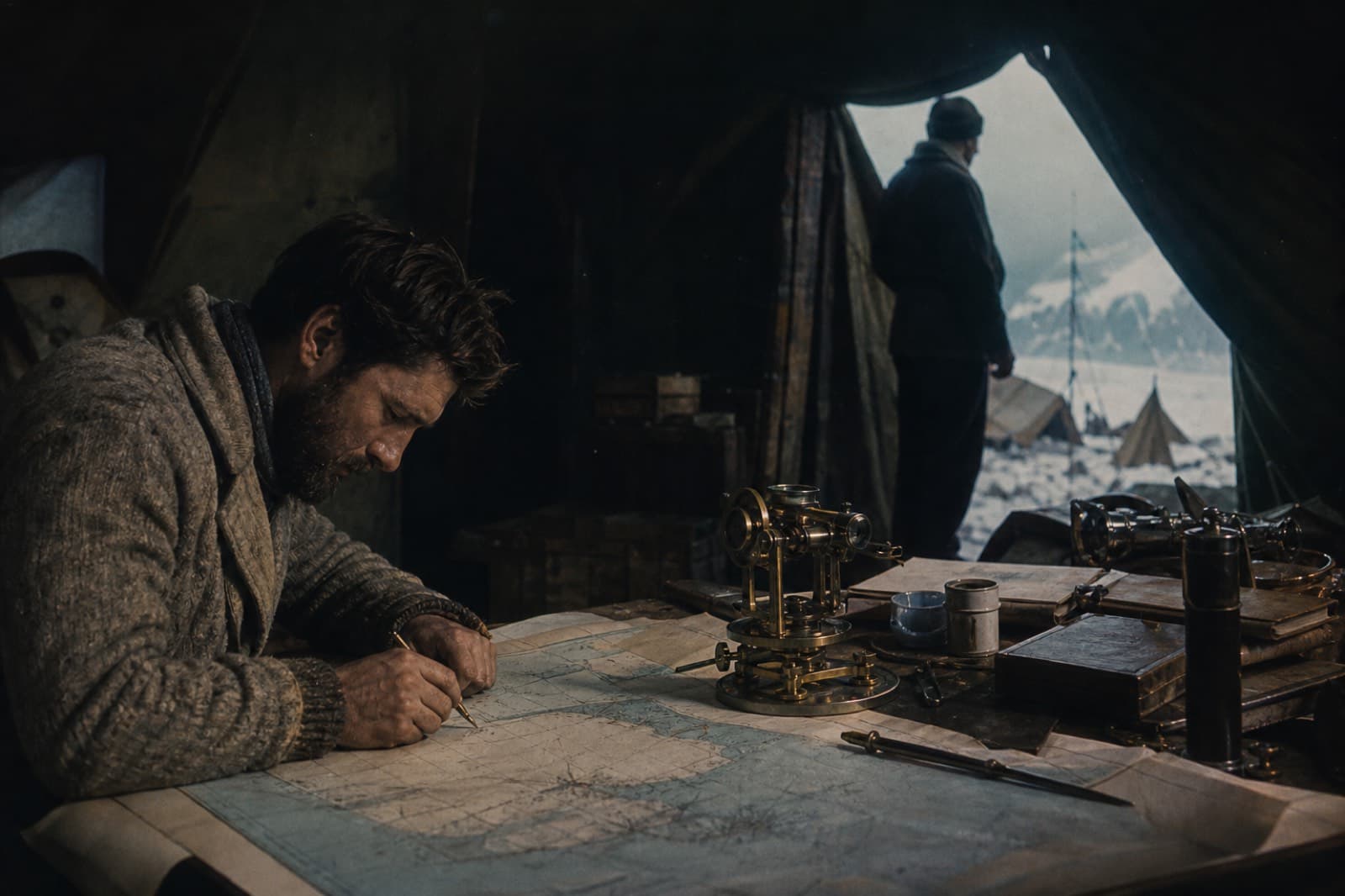
STY-001
activeThe Call of Cthulhu
Incident Record - 1925
A global wave of dreams, cult activity, and the brief emergence of R'lyeh documented through fragmented testimony - the case that proved the mythos was not regional but planetary.
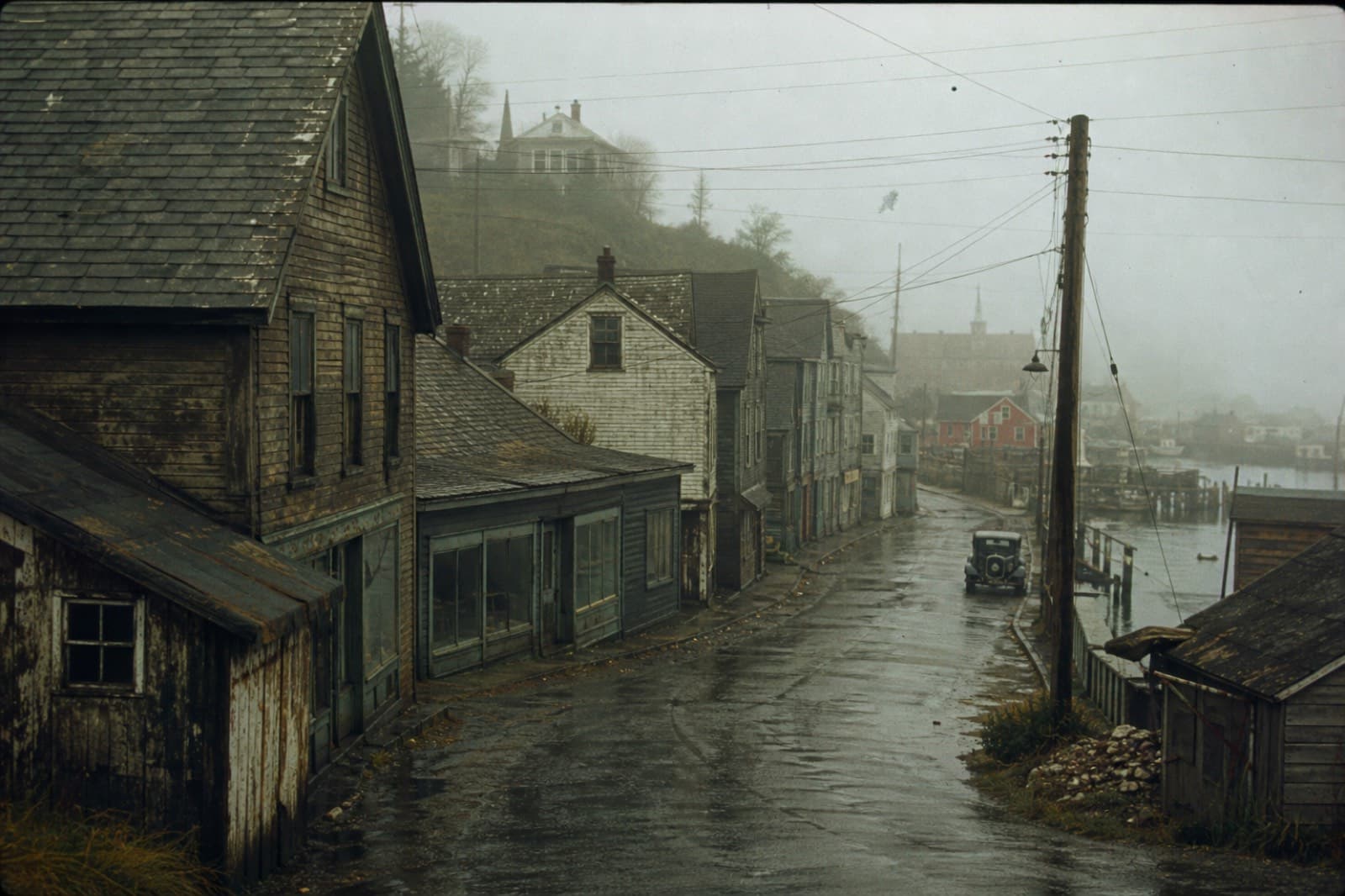
STY-003
activeThe Shadow over Innsmouth
Coastal Investigation - 1927
An undercover inquiry into Innsmouth reveals the Deep One pact and a transformation that waits in the blood - the story that explains why some coastal families do not die, they depart.