

Field Dispatch
Deep Ones - Biology, Cults & Innsmouth
Specimen classification ME-SPECIES-DEEPONE.
Deep One biology
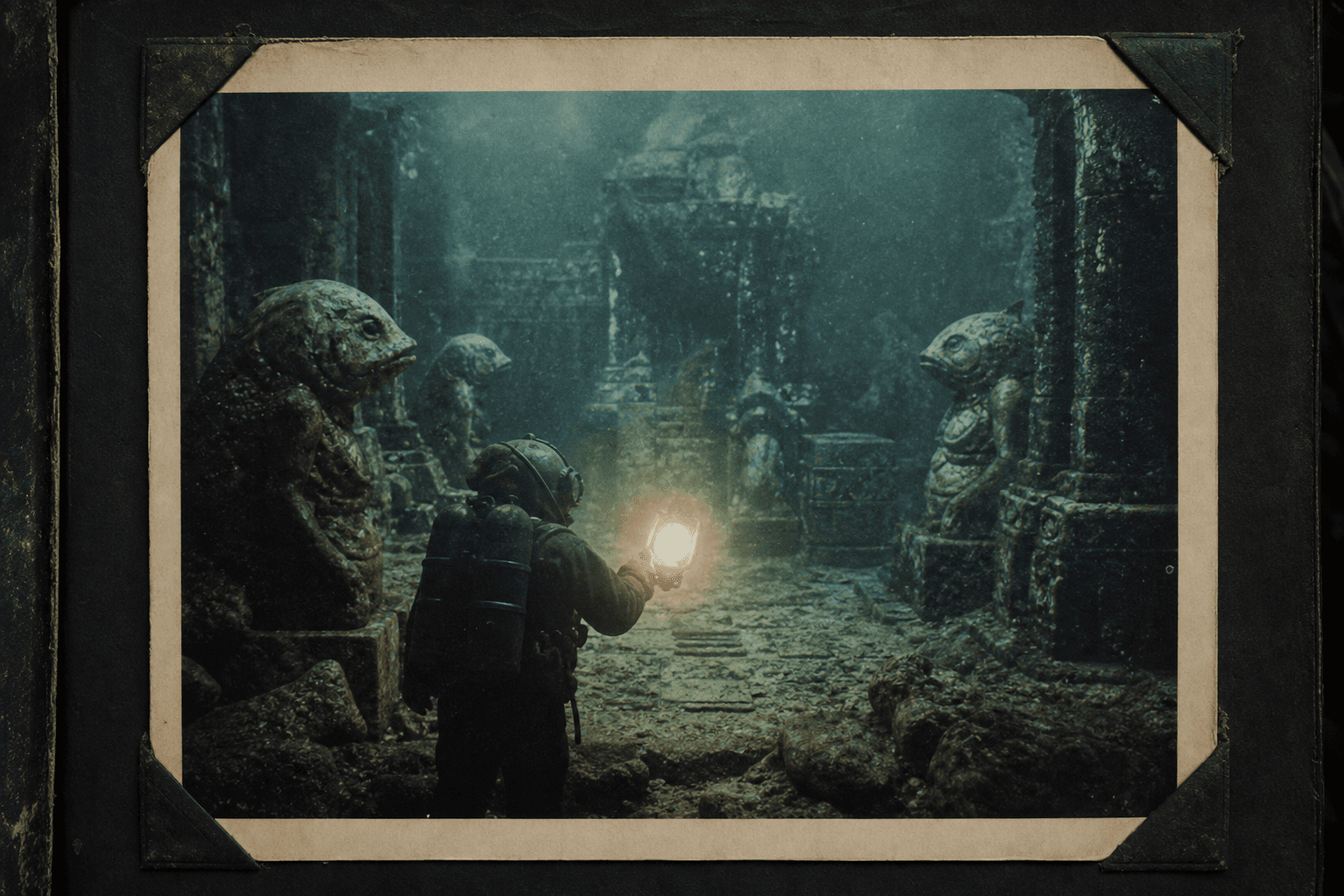
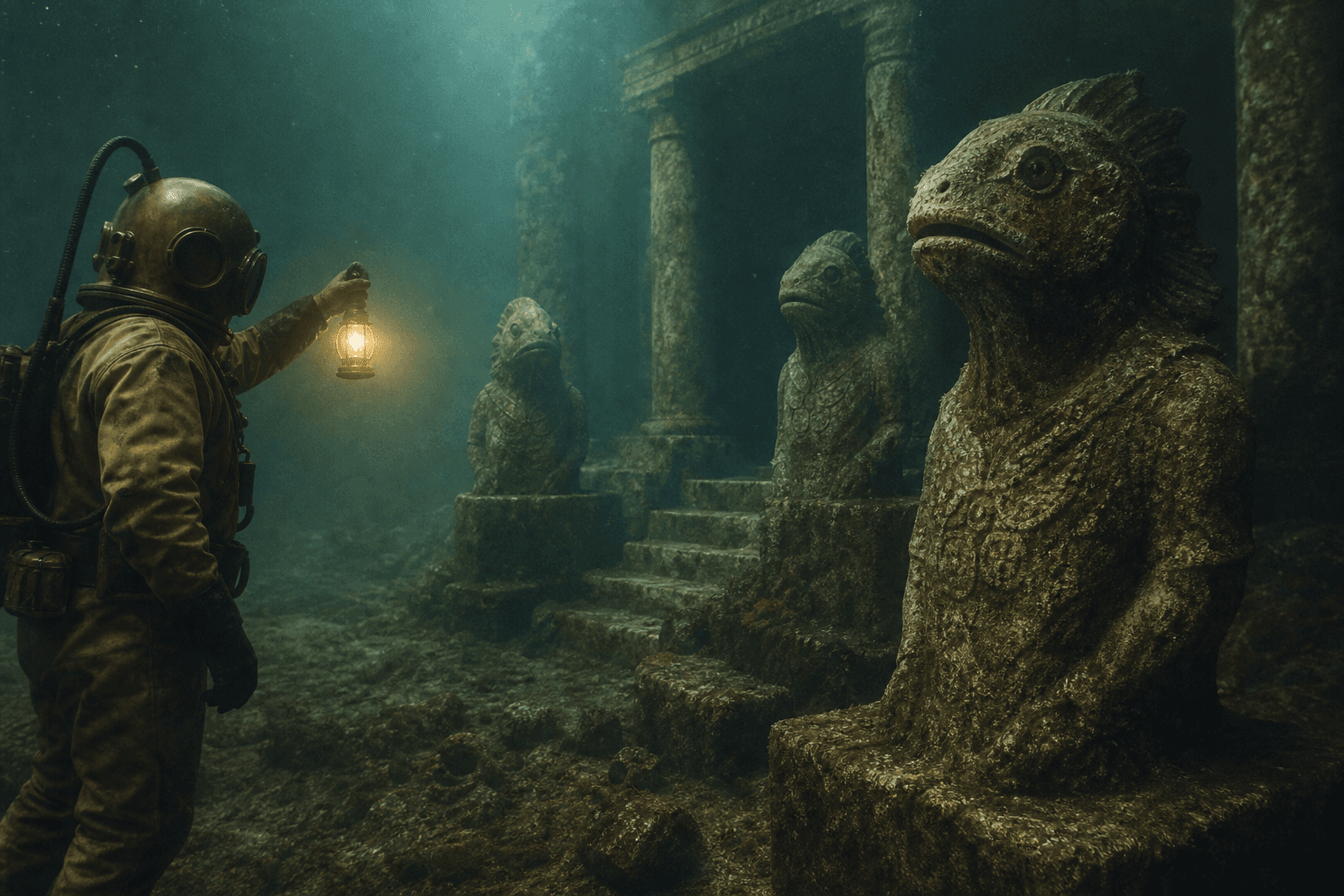
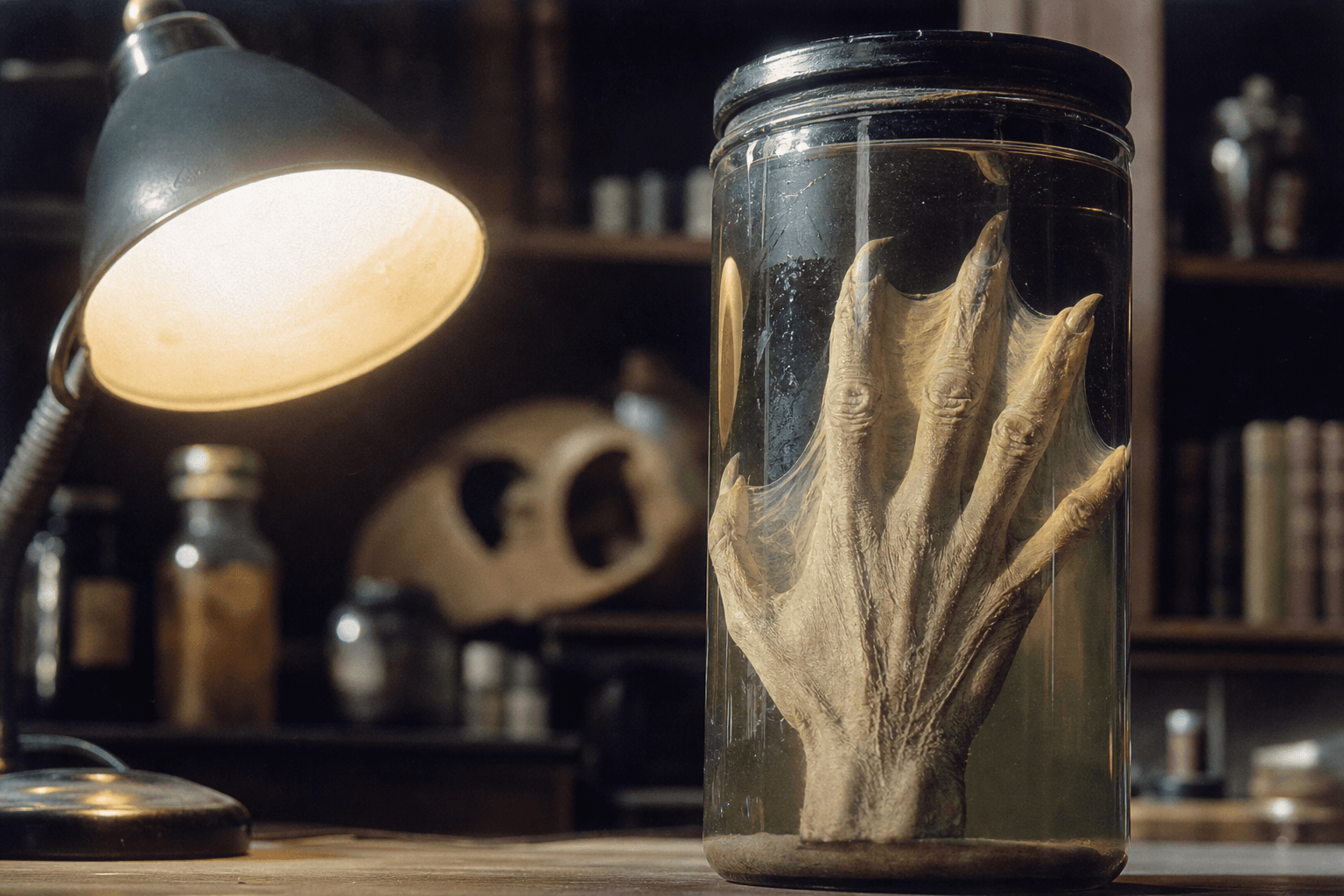
Deep Ones are amphibious humanoids with fish-frog features, longevity sufficient to outwait human generations, and interbreeding capacity with coastal populations. Hybrid offspring eventually transform seaward - biology as slow-body horror replacing the sudden beat of werewolf fiction. Lovecraft describes them through narrators who see Innsmouth faces before they understand species, which makes the reveal as much genealogical as zoological.
Deep One anatomy and life cycle
The entity dossier at /archive/deep-ones consolidates descriptions from The Shadow over Innsmouth and echoes in The Thing on the Doorstep. Immortality is relative - Deep Ones outlive individuals, not history itself. Dagon (/archive/dagon-short-story) and Mother Hydra function as patron figures in cult theology that reads like marine ecology written as religion.
Hybridization as civic horror
Hybrids carry Innsmouth look - staring eyes, skin texture, age patterns that do not match census records - before they depart for Y'ha-nthlei and the deep. That structure separates Deep Ones from Mi-Go brain theft or shoggoth biomass: the horror is inheritance, marriage contracts, and children who stop resembling their mothers. Read Asenath Waite for psychic invasion that rhymes with coastal genetics without duplicating fish hybrids.
Materialism and "gods" that behave like species
Lovecraft's materialism treats Deep Ones as beings with breeding strategies, not metaphors alone. /cthulhu-mythos indexes them beside Great Old Ones but their story function is often terrestrial and economic. Avoid reducing them to fish monsters - their power is civic, legal, and generational.
Narrator sight and the Innsmouth face
Lovecraft trains readers to see hybrid traits before naming them - wide eyes, skin texture, shambling gait - so biology arrives as social diagnosis. That technique supports materialist reading: the horror is what census and marriage records would reveal if anyone looked. Cross-link /archive/innsmouth for street-level detail and /cthulhu-mythos when you place Deep Ones beside Great Old Ones with different narrative jobs.
Dagon, Hydra, and comparative mythology
Dagon imports ancient grain-and-fish deity echoes; Mother Hydra names a matron figure for a breeding cult. Neither requires theology in the modern sense - both function as patronage brands for a marine polity trading gold and fish for genetic allegiance. Read /archive/dagon-short-story for the earlier Pacific glimpse that predates Innsmouth's full novella.
Specimen thinking without stat blocks
deep one lovecraft searches often chase game stats; return readers to /archive/deep-ones and /archive/the-shadow-over-innsmouth for descriptive sentences. Teach species and politics in separate sessions, then index both at /cthulhu-mythos.
Hybrid timelines and bodily horror
Transformation is slow - children who will leave land, elders who already did, neighbors who look related before anyone says Deep One. That generational pacing is why Innsmouth belongs in syllabi beside biology lectures, not after them. Compare hybrid horror to Dunwich doors via /archive/yog-sothoth when students ask whether Lovecraft only wrote fish monsters; compare to Wilbur Whateley when they ask whether inland breeding differs from coastal pacts. Dagon worship is patronage language - fish wealth, jewelry exports - before it is tentacle iconography; keep /archive/deep-ones open when art and memes flatten Deep Ones into generic sea creatures without census stakes.
Teaching Deep Ones in two sessions
Session one: biology and hybrid life cycle from /archive/deep-ones. Session two: Order politics and Olmstead travel from /archive/the-shadow-over-innsmouth. Merge both at /cthulhu-mythos when students ask how Dagon relates to Cthulhu cults in The Call of Cthulhu (/archive/the-call-of-cthulhu). Obed Marsh supplies founding dates for session two's historical frame. Deep Ones remain terrestrial mythos anchors even when Pacific gods sleep elsewhere.
Esoteric Order of Dagon
The Esoteric Order of Dagon structures Innsmouth society with three degrees - First, Second, and Third - that mirror Masonic language Lovecraft enjoyed subverting. Lay members see prosperity promises; clergy mediate rituals; deep initiates embrace transformation. Rituals promise gold, fish, and survival in exchange for breeding programs that rewrite the town's gene pool across decades.
Transactional religion vs. mystical enlightenment
Cults in Innsmouth fiction are transactional, not ecstatic. Obed Marsh returns from Pacific trade with theology and contracts; later generations inherit debt they did not choose. Our Obed Marsh dispatch timelines the Marsh dynasty; /archive/the-shadow-over-innsmouth supplies narrator perspective during the 1927–1928 crisis.
Dagon, Hydra, and marine patronage
Dagon and Mother Hydra anchor liturgy that sounds like fisherfolk religion until you notice hybrid census implications. Compare with Lovecraft, Religion & Materialism when teaching whether Lovecraft's cults are metaphor or sociology - the Deep One case supports sociology. Cross-link /cthulhu-mythos for how Order of Dagon appears across pastiche and games, often simplified into generic "cultist" factions.
RPG and adaptation pitfalls
Tabletop writers often flatten the Order into combat fodder. Primary text rewards schemes: blackmail, trade, intermarriage, federal raid politics. Use /archive/deep-ones and /archive/innsmouth together when designing scenarios that respect generational horror rather than one-night dungeon crawls.
Masonic language and initiation optics
Lovecraft borrows lodge vocabulary - degrees, rites, inner circles - to imply Innsmouth has institutional memory. The Order is not a secret club for atmosphere alone; it is how Obed Marsh scales a family bargain into town governance. Our Obed Marsh dispatch names dates; /archive/the-shadow-over-innsmouth shows what happens when outsiders notice the census.
Teaching cult without cartoon villainy
Classrooms should emphasize contracts - who gains fish wealth, who loses human futures - over monster suits. Deep Ones work best when students track generations, not boss fights. Pair with Religion & Materialism when debate turns to whether Lovecraft's cults are metaphor or sociology; Innsmouth supports sociology readings strongly.
Blackmail, trade, and federal politics
The Order survives because prosperity is visible and hybridization is slow - neighbors bargain with shame, debt, and family futures rather than with jump-scare rituals alone. When the federal crisis arrives in /archive/the-shadow-over-innsmouth, horror shifts from cult to state violence and flight - teach both phases so Deep Ones are not reduced to costume enemies. Obed Marsh explains founding bargains; this section explains ongoing governance; /cthulhu-mythos indexes Dagon beside Cthulhu when Pacific and Atlantic threads must meet in one syllabus.
Innsmouth conspiracy
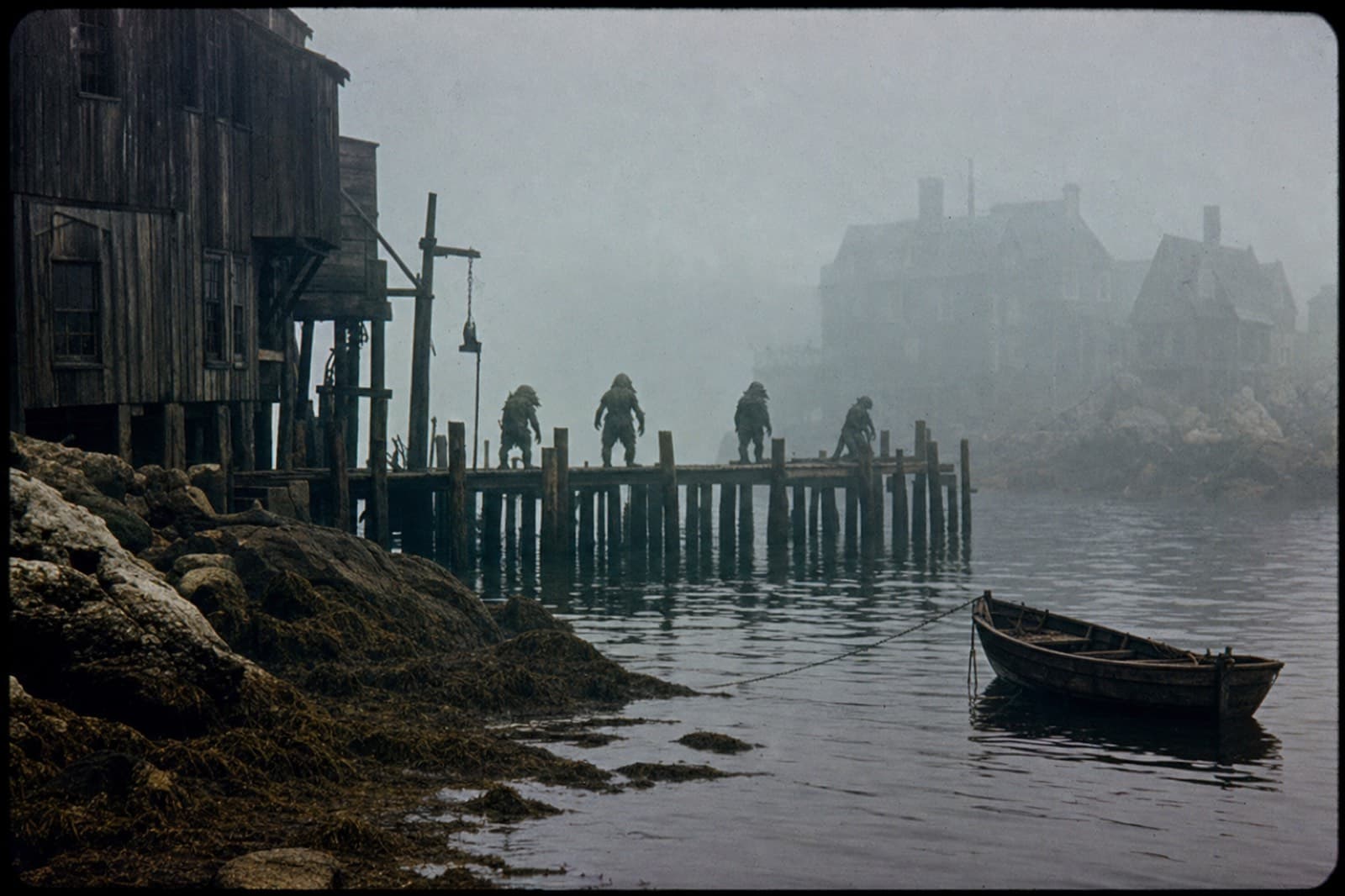
Innsmouth is both location and conspiracy - a declining Massachusetts port whose Marsh family trade, gold jewelry exports, and hybrid population produce the federal raid narrated in The Shadow over Innsmouth. The location record at /archive/innsmouth maps story beats to fictional streets; the story record at /archive/the-shadow-over-innsmouth holds plot spoilers and character roster.
Innsmouth conspiracy: economics, genealogy, surveillance
The horror is civic: neighbors who were always strange, bus routes that avoid certain wards, hotels that discourage overnight stays. Narrators describe Innsmouth look before they articulate Deep One biology - a sequencing Lovecraft uses to teach inference. Gold and fish wealth are visible; Y'ha-nthlei is hidden until the final chase.
How Innsmouth differs from Dunwich and Arkham
Arkham supplies institutions - libraries, universities, asylums. Dunwich supplies inland family breeding for Yog-Sothoth. Innsmouth supplies maritime genetics and cult bureaucracy. Read Wilbur Whateley for inland parallels; read Obed Marsh for pre-story history that explains why the town feels already lost when Robert Olmstead arrives.
Further reading on the mythos coast
Index coastal fiction through /cthulhu-mythos, then return to primary text before adapting for film or classroom. Deep Ones are not a standalone meme - they are Innsmouth's population strategy written as species. Keep /archive/deep-ones open beside /archive/innsmouth until biology and politics click together.
Olmstead, buses, and the outsider gaze
Robert Olmstead's journey - cheap tickets, dirty hotels, refusal to stay overnight - models how Innsmouth weaponizes travel infrastructure. The town is a conspiracy you transit before you flee; economics and hybridization are two faces of one Marsh policy. Index the novella at /archive/the-shadow-over-innsmouth before assigning film adaptations that compress generations into one monster reveal.
Federal raid and historical paratexts
The 1927–1928 crisis invites critical comparison with real American panics about immigration, degeneracy, and coastal communities - always with primary text in hand, because Lovecraft's prejudices shape what narrators find repulsive. Use /cthulhu-mythos to separate species lore from author bias when leading discussion; the expedition archive is built for that split. Deep Ones belong in syllabi that can spend two sessions on Innsmouth - one on biology, one on politics - before any film adaptation collapses both into monster makeup.
Y'ha-nthlei and offstage geography
Y'ha-nthlei stays offstage until chase scenes demand it - teach Innsmouth as policy first, underwater city second. Assign Obed Marsh before the novella when history motivates dread; assign /archive/the-shadow-over-innsmouth when students need Olmstead's evidence chain. Finish coastal study at /cthulhu-mythos when you connect Dagon cults to Pacific threads in /archive/the-call-of-cthulhu.
Evidence 01
Evidence 02
Dispatch DEEP_ONES_EXPLAINED · Primary keyword: deep one lovecraft
Primary sources
CR-003
activeDeep Ones
Amphibious Servitors of the Sea
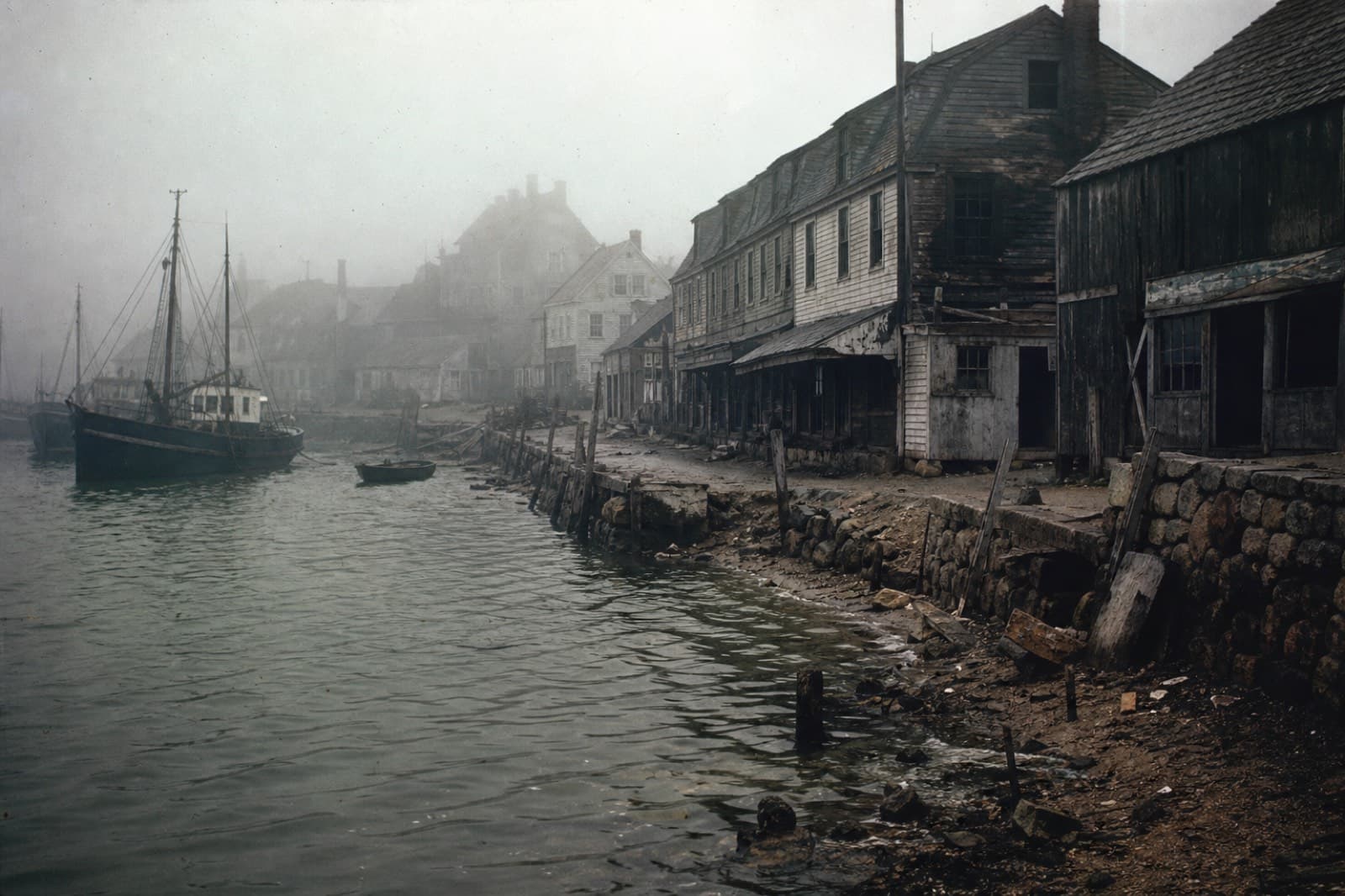
Fish-frog humanoids inhabiting undersea cities, capable of interbreeding with humanity over generations until the sea claims its own.
LOC-003
activeInnsmouth
Decaying Port on the Manuxet
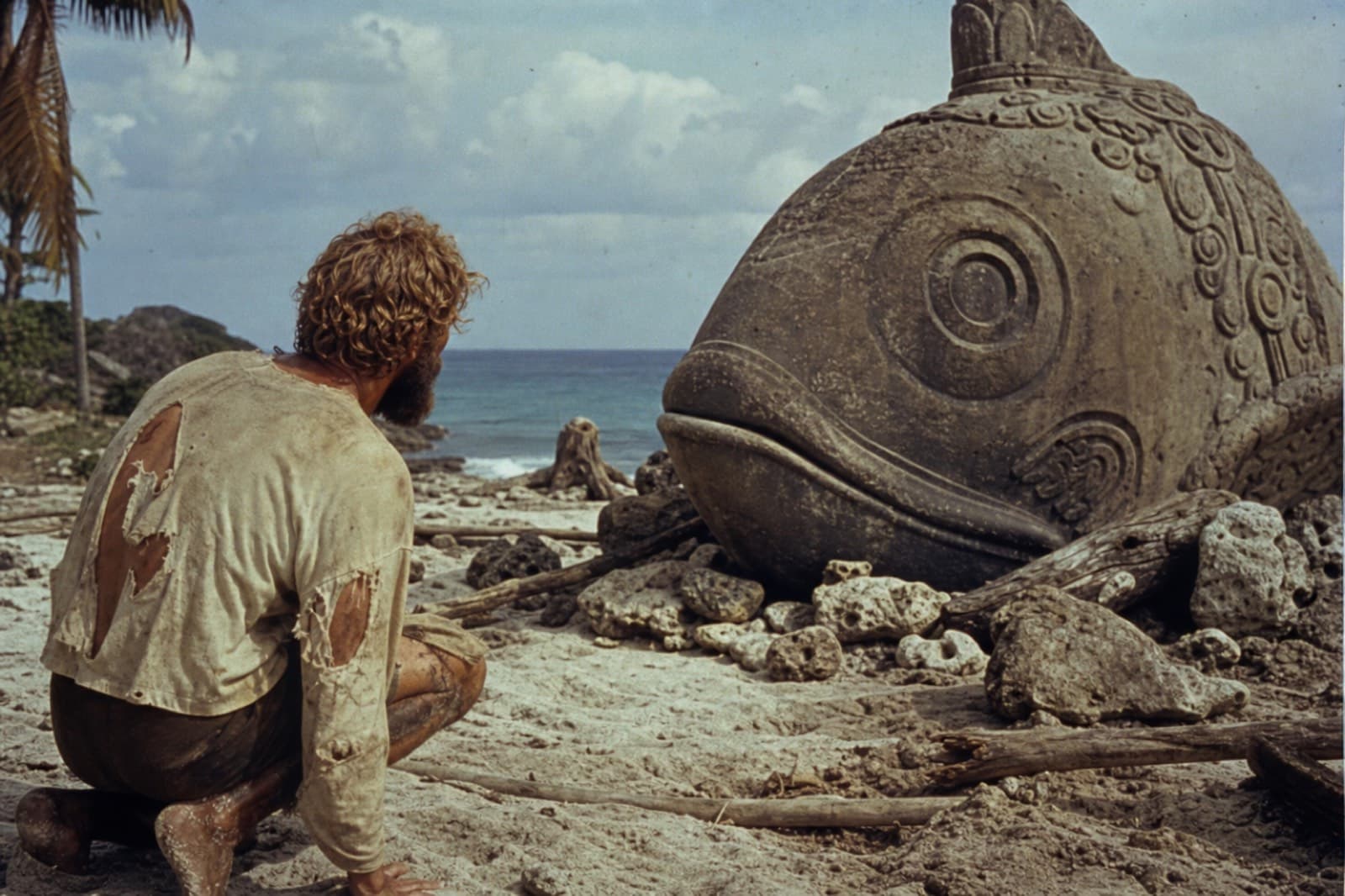
A fish-smelling coastal town whose inhabitants bear an unsettling familial resemblance and who look seaward with too much devotion, a place the government raided and the sea has not yet finished claiming.
STY-138
activeDagon
Pacific Castaway - 1917
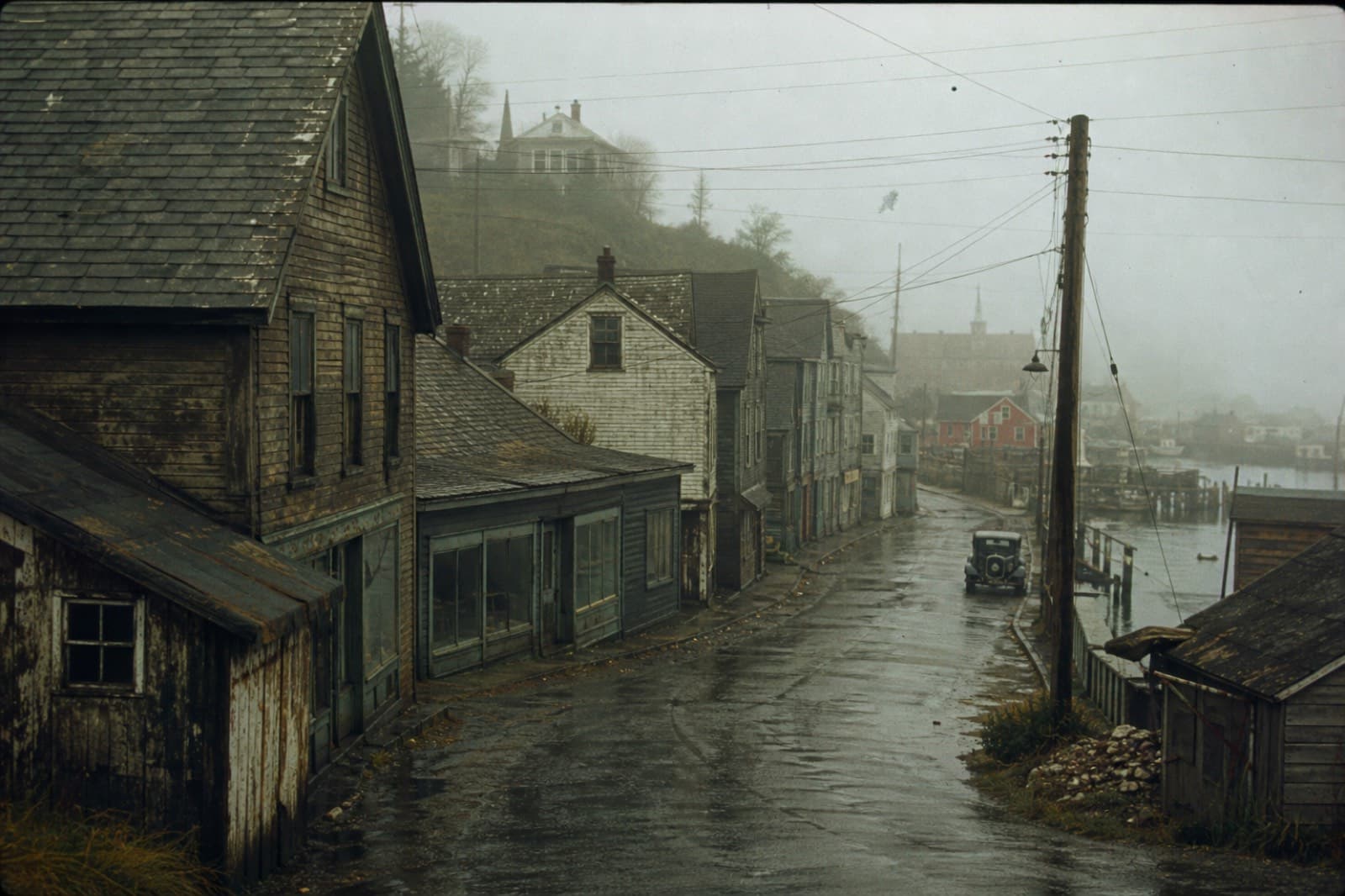
A morphine-dream or memory of escape from a German ship ends on a risen reef worshipped by amphibian giants - and a glimpse of Dagon that sends the narrator to the window.
STY-003
activeThe Shadow over Innsmouth
Coastal Investigation - 1927
An undercover inquiry into Innsmouth reveals the Deep One pact and a transformation that waits in the blood - the story that explains why some coastal families do not die, they depart.