

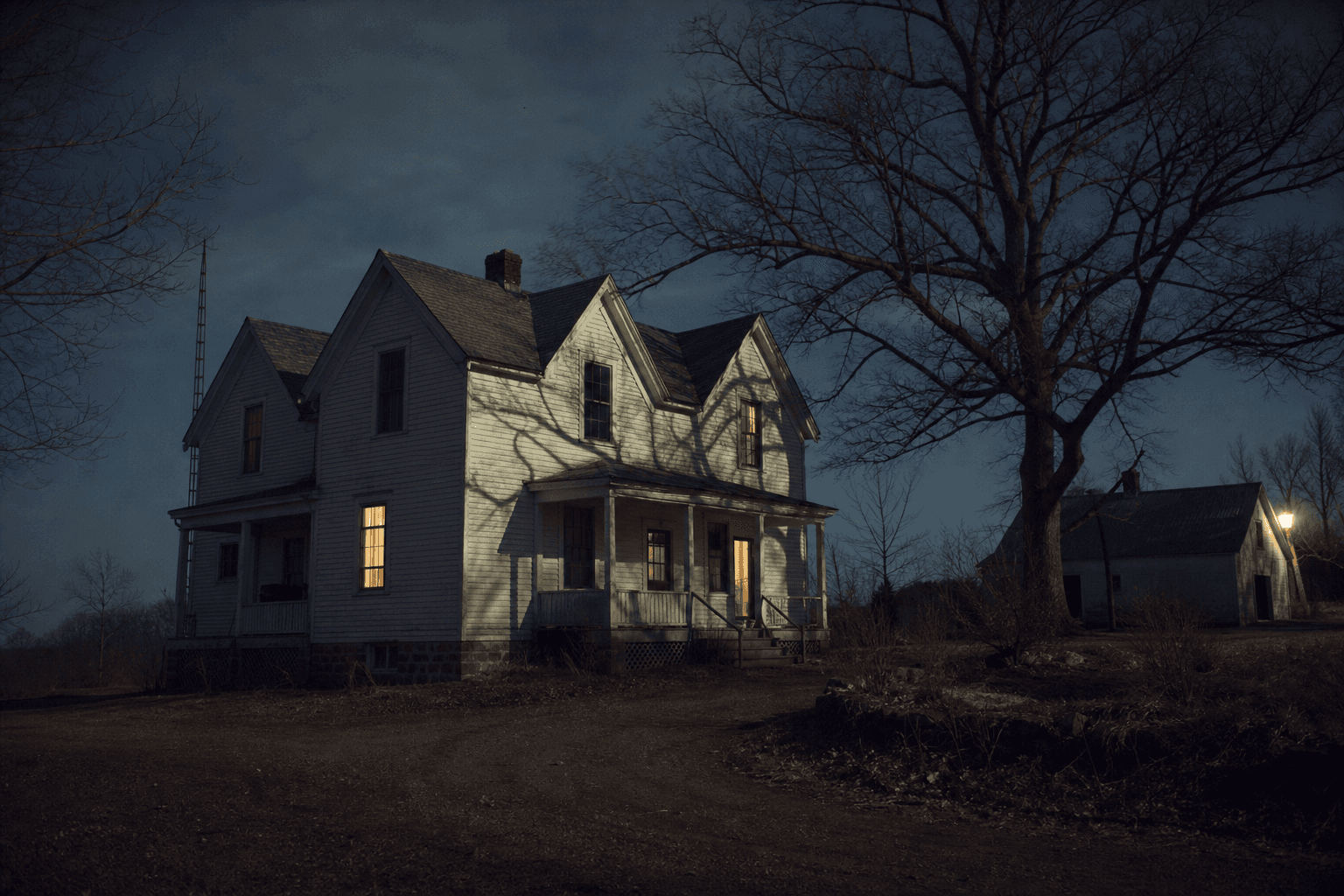
Field Dispatch
Wilbur Whateley & the Dunwich Horror
Dunwich incident personnel roster.
The Whateley family
The Whateleys of Dunwich - Lavinia, "Wizard" Old Whateley, and Wilbur - form a breeding project for Yog-Sothoth's intrusion into local space-time. Wilbur grows fast, reads forbidden tomes, and dies violently when Miskatonic experts treat him as a specimen. The family is a functional unit of antagonism, not sympathy: Lovecraft uses them to show how rural isolation and occult literacy combine into catastrophe.
The Whateley family: roles and incentives
Old Whateley supplies ritual knowledge and livestock sacrifices; Lavinia supplies birth and social cover; Wilbur supplies ambition - he wants knowledge, legitimacy, and access to libraries that will not admit what he is. Archive records /archive/dunwich and /archive/the-dunwich-horror supply chronology; /archive/yog-sothoth explains why a door matters more than a monster fight.
Wilbur as ambassador, not final horror
Wilbur is ambassador - the twin left unseen is the true event. Readers who stop at Wilbur's death miss Lovecraft's scale shift from family gothic to cosmic annihilation on Sentinel Hill. Compare to Innsmouth: Dunwich is inland, familial, less maritime; hybrid politics yield to hilltop rituals and invisible growth.
Dunwich geography and archive navigation
Use /cthulhu-mythos to connect Yog-Sothoth appearances across stories; use Arkham, Massachusetts for how Miskatonic University responds when rural incidents threaten academic denial. Wilbur Whateley remains a top search term because he embodies tragic ambition - a monster who wanted to be a student.
Lavinia, Old Whateley, and rural cover
Lavinia's silence and Old Whateley's muttered instructions create cover for a breeding project the town pretends not to see. Dunwich horror is communal denial as much as cosmic intrusion - neighbors hear cattle die and dogs flee long before Miskatonic arrives. Read /archive/dunwich for location hazards and /archive/yog-sothoth for why doors matter more than Wilbur's death.
Wilbur's library quest and tragic literacy
Wilbur dies when science treats him as specimen - a tragic beat for readers who track how forbidden literacy promises upward mobility then snaps. Compare to Innsmouth hybrids who inherit sea futures Wilbur never wanted; compare to Pickman who chose underground subjects. /cthulhu-mythos links gods; this dispatch links family incentives.
Forbidden tomes and Wilbur's double education
Wilbur studies Latin, university catalogs, and rural grimoires simultaneously - two educations that cannot merge without exposure. That split explains library scenes readers remember: a boy who outgrows chairs and doors but still wants legitimacy. Pair /archive/the-dunwich-horror with /archive/necronomicon lore only when you are ready for book history to join family history.
dunwich horror as inland mythos anchor
dunwich horror searches often bundle Wilbur, Yog-Sothoth, and Sentinel Hill into one query. Answer with family here, event in the next section, entity at /archive/yog-sothoth - three tabs, one syllabus row.
Communal denial on the floodplain
Dunwich neighbors hear cattle die long before Armitage arrives - communal denial is part of the horror. Pair /archive/dunwich with Arkham, Massachusetts when teaching Miskatonic response across town types, then /cthulhu-mythos for Yog-Sothoth door language.
Dogs, cattle, and acoustic evidence
Lovecraft's rural soundscape - dogs refusing paths, cattle slaughtered off-books - trains readers to treat atmosphere as data. Syllabi that skip those chapters leave Sentinel Hill feeling unmotivated; chart sensory evidence from /archive/the-dunwich-horror before discussing powder and incantation. Wilbur Whateley remains the human-readable face of Dunwich; the twin is the cosmic face instructors should introduce only after family incentives are clear.
RPG Wilbur vs. textual Wilbur
Tabletop Wilbur builds often emphasize STR and spell lists; primary text emphasizes library ambition and illegibility - a youth who wants Miskatonic legitimacy while his body outgrows doors. When scenarios add boss fight Wilbur, mark them commentary and return to /archive/the-dunwich-horror for death beats that are scientific spectacle, not duel climax. Dunwich belongs late in mythos syllabi because it rewards readers who already understand forbidden books and faculty intervention from Arkham stories - link /archive/miskatonic-university before assigning Sentinel Hill week.
Lavinia's silence as structural horror
Lavinia rarely explains what readers need because Dunwich runs on denial - the town knows enough to avoid the Whateley farm without naming what grows there. That communal choice pairs with Innsmouth hotel rules: both towns manage outsiders through infrastructure, not monologue. Compare Obed Marsh for coastal policy versus hill family breeding. Old Whateley's muttered instructions are policy too - generational occult literacy without university credentials.
The Dunwich Horror event
The Dunwich Horror event - twin invisible growth, hillside annihilation, Miskatonic librarians with powder - mixes rural gothic and cosmic scale in one afternoon. Lovecraft spends pages on atmosphere and genealogy so the climax feels like physics breaking rather than a single jump scare.
The Dunwich Horror event: structure and pacing
Slow burn, explosive climax, exhausted survivors - that three-act shape is teachable without spoiling every beat. /archive/the-dunwich-horror carries intentional spoilers for instructors; this dispatch notes structure only: witnesses accumulate evidence (cattle deaths, prints, chanting) until institutional response arrives too late for comfort, just in time for survival.
Sentinel Hill and institutional weaponry
Armitage's crew uses scholarship as weapon - not guns alone - against something that occupies space without fully appearing. That template repeats across Arkham-country fiction and defines why Miskatonic University matters to /cthulhu-mythos. Powder and incantation read as genre fusion; treat them as plot engineering that signals desperate improvisation, not D&D spell lists.
Compare Innsmouth, Pickman, and Dunwich climaxes
Innsmouth ends in flight and revelation; Pickman's Model ends in cellar witness; Dunwich ends in hilltop annihilation visible from miles away. A regional reading tour should compare climax type to see how Lovecraft varies cosmic horror delivery while reusing New England landscape. Link forward to /archive/yog-sothoth; link backward to /archive/dunwich for location hazards.
Evidence accumulation before Sentinel Hill
Witnesses gather prints, smells, cattle deaths, and chanting across chapters so the climax feels like physics breaking, not a random set-piece. Instructors can chart that evidence chain from /archive/the-dunwich-horror without spoiling the invisible twin until students are ready.
Armitage and institutional response
Armitage, Rice, and Morgan import university authority into rural catastrophe - the same institutional weaponry Arkham stories trust. That pattern explains why Miskatonic appears in search traffic beside Wilbur Whateley: the school is infrastructure for cosmic response, not a campus cameo. Tie the event to /archive/miskatonic-university and /cthulhu-mythos when building mythos syllabi that move from city to hill horror.
The invisible twin and scale shift
The unseen twin forces readers to revise everything they thought Wilbur was - ambassador, not apex threat. Classroom discussion can chart scale shift on a whiteboard: family gothic peaks at Wilbur's death; cosmic horror peaks when Sentinel Hill erases geometry. That two-step structure is why The Dunwich Horror belongs late in mythos syllabi, not in week one.
wilbur whateley and dunwich horror searches
wilbur whateley queries mix character, plot, and game stats; route character here, plot to /archive/the-dunwich-horror, geography to /archive/dunwich. Mention Yog-Sothoth only with /archive/yog-sothoth open so door metaphors do not collapse into generic demon language.
Sound, smell, and rural atmosphere before the hill
Lovecraft spends pages on dogs howling, cattle dying, and mountains rumbling so the final afternoon feels earned. Syllabi that jump to Sentinel Hill clips rob students of inference practice - teach them to chart sensory evidence from /archive/the-dunwich-horror before any visual adaptation shows the invisible twin.
Powder, incantation, and genre expectations
Armitage's powder surprises readers who expect pure science solutions; note it as desperate syncretism - scholarship borrowing folk weapons because modernity failed. That reading keeps Dunwich in conversation with /archive/miskatonic-university and /cthulhu-mythos without turning faculty into wizard clichés. Teach Wilbur as ambassador and Sentinel Hill as message - separate character week from climax week so scale shift is visible. Assign /archive/the-dunwich-horror and /archive/yog-sothoth together so door language stays cosmological.
Climax pedagogy without adaptation spoilers
Instructors should chart evidence across chapters before any film shows the hill - Lovecraft's slow burn is the lesson. Pair The Dunwich Horror with /archive/forbidden-knowledge when grimoires matter and with Arkham, Massachusetts when Miskatonic faculty matter; Wilbur dies as specimen, the twin dies as cosmic rupture. /cthulhu-mythos collects Yog-Sothoth; this dispatch collects family and event frames for inland mythos weeks. Dunwich is the inland counterpart to Deep Ones Explained on the coast - assign both when a syllabus compares breeding policies across Lovecraft Country. The Dunwich Horror belongs in /cthulhu-mythos Yog-Sothoth clusters only after students have read /archive/the-dunwich-horror - entity pages make little sense without door context from the story itself. Wilbur Whateley remains essential inland mythos vocabulary for every Dunwich syllabus.
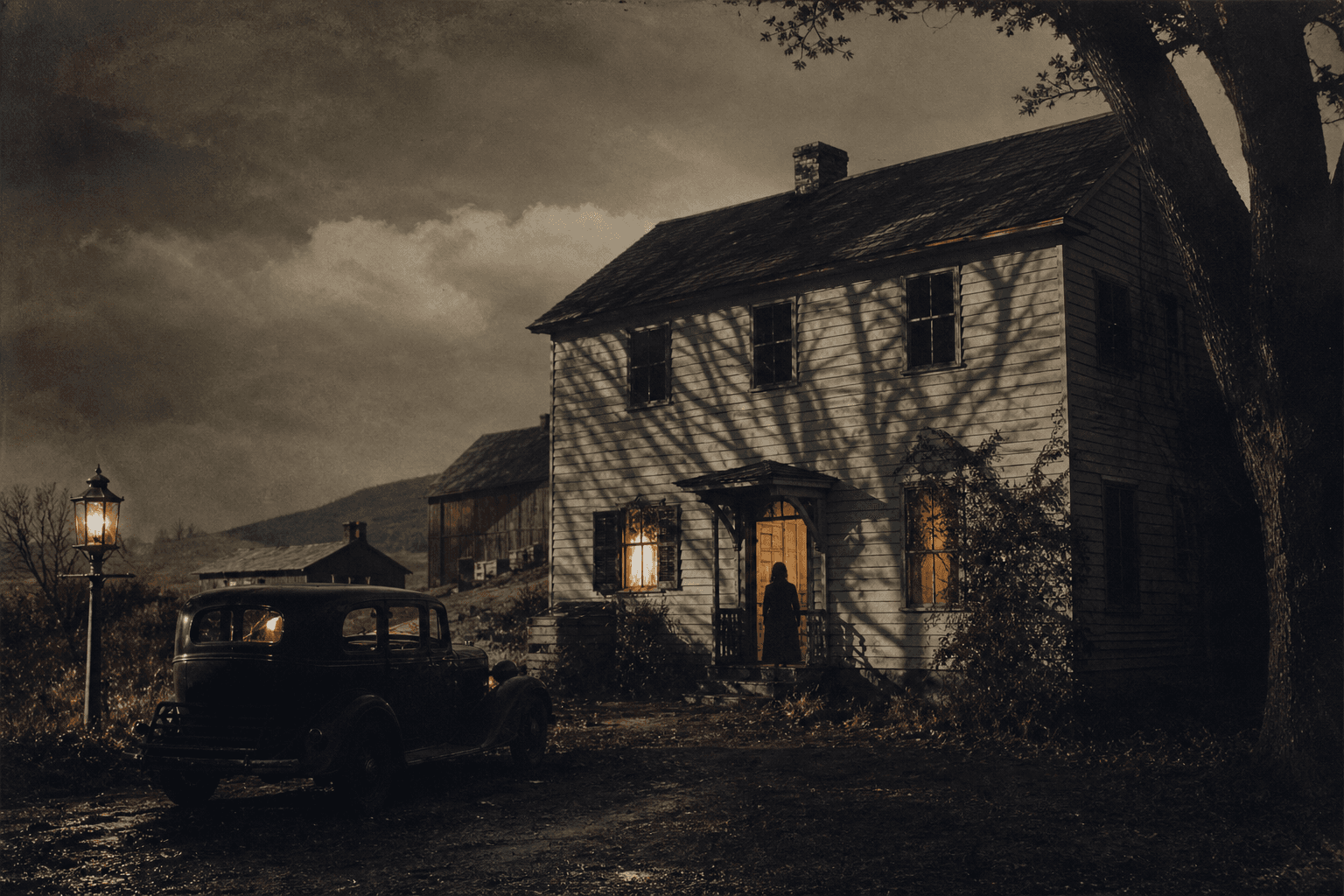
Evidence 01
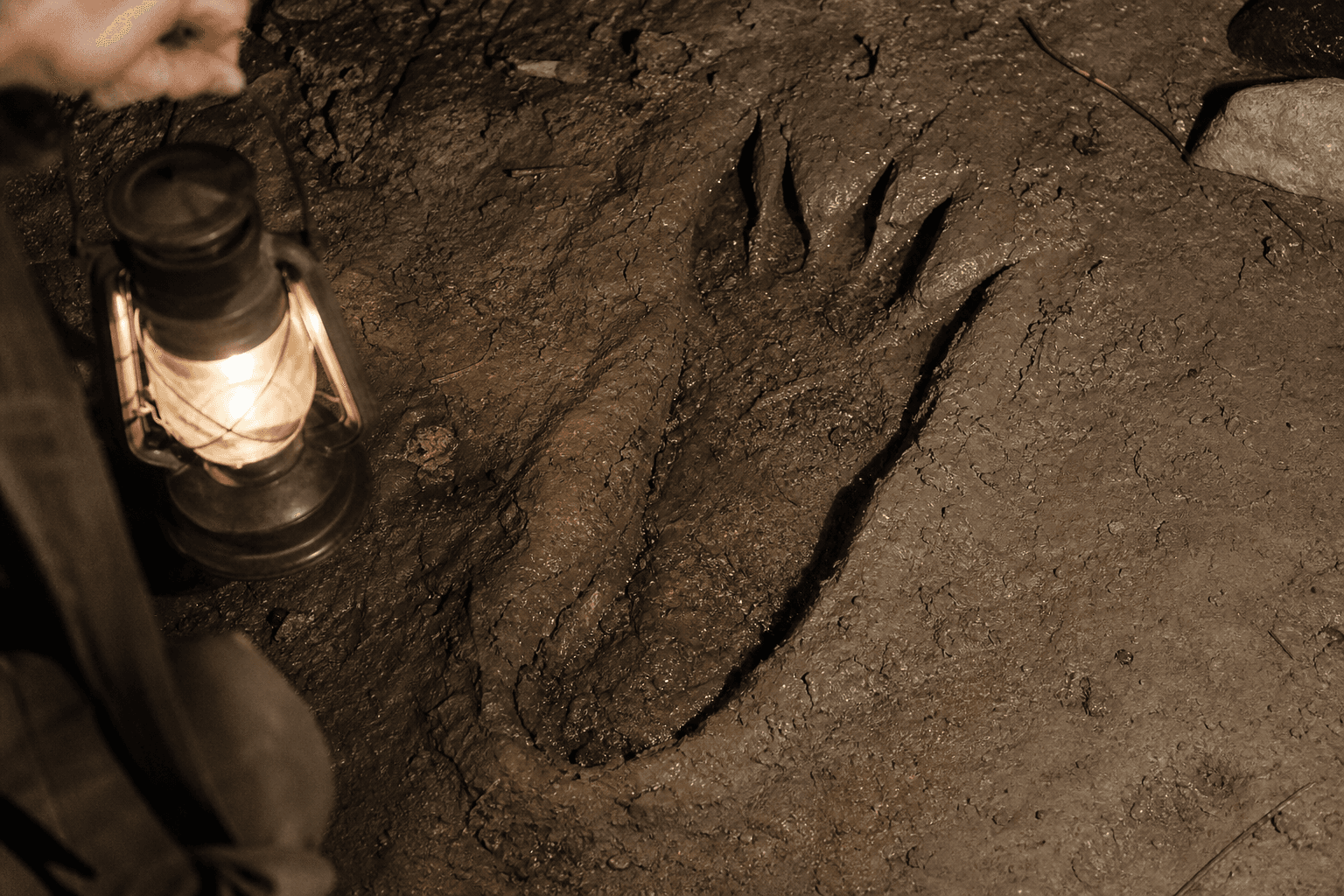
Evidence 02
Dispatch WILBUR_WHATELEY_AND_DUNWICH_HORROR · Primary keyword: wilbur whateley
Primary sources
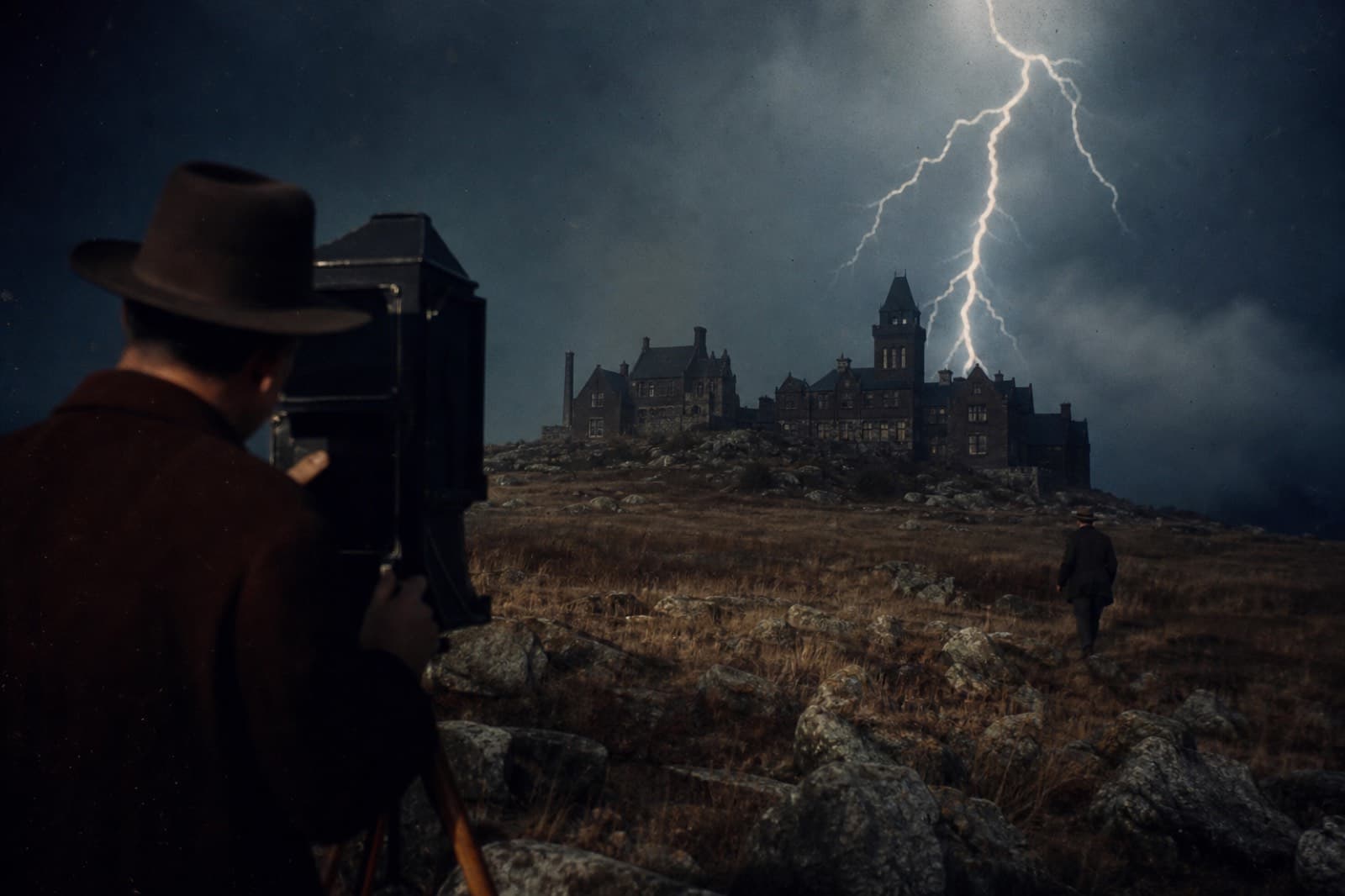
STY-004
activeThe Dunwich Horror
Rural Incident - 1928
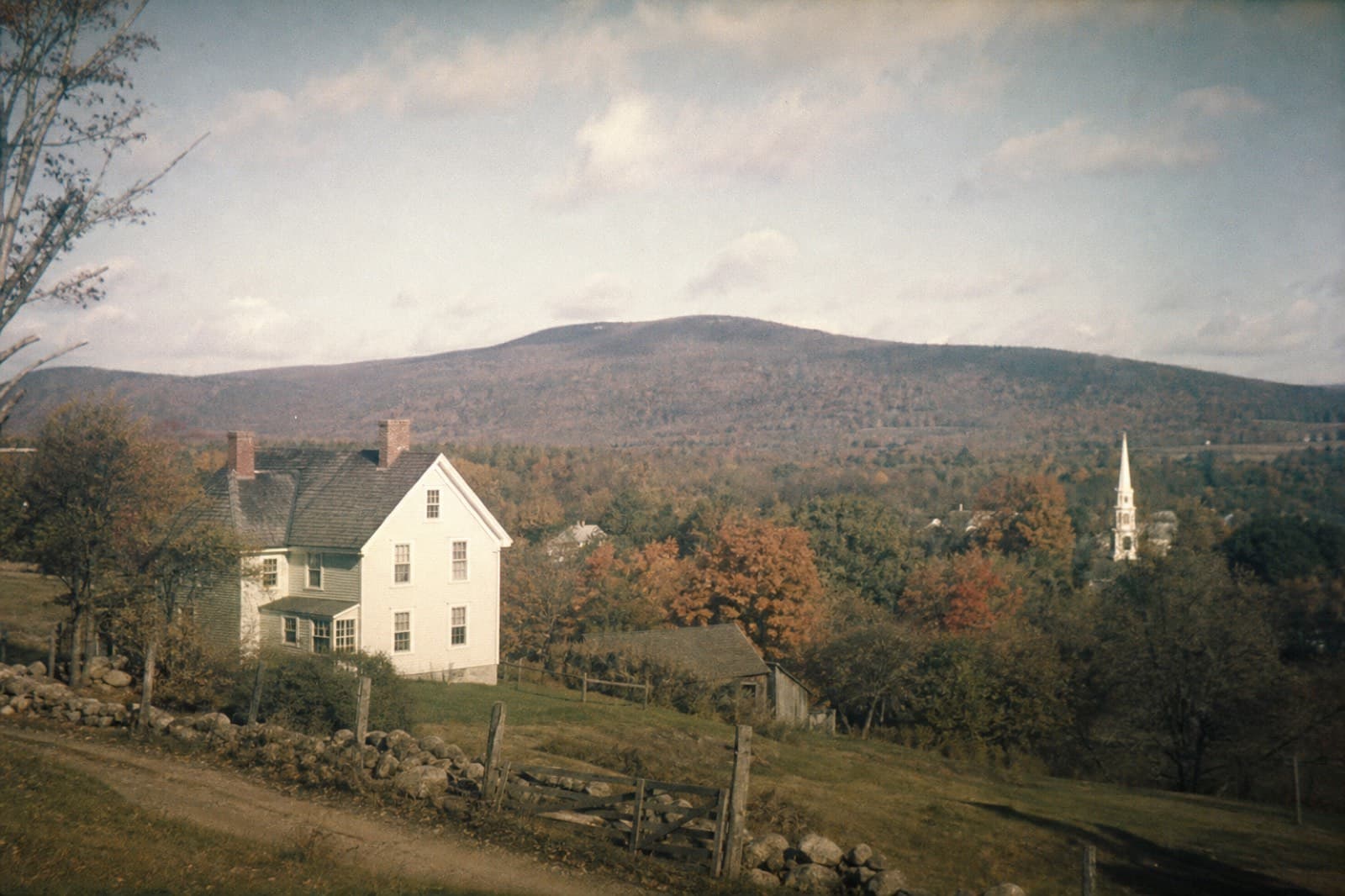
The Whateley twins, an invisible monstrosity, and rites on Sentinel Hill - when Miskatonic scholars used the Necronomicon as a weapon and learned that some doors, once opened, never close.
LOC-004
activeDunwich
Village in the Miskatonic Hills
A remote hamlet of degenerate hill folk, whispered rituals, and something that bellowed on Sentinel Hill, the place maps forget and the Whateleys remember.
OG-002
activeYog-Sothoth
The Key and the Gate
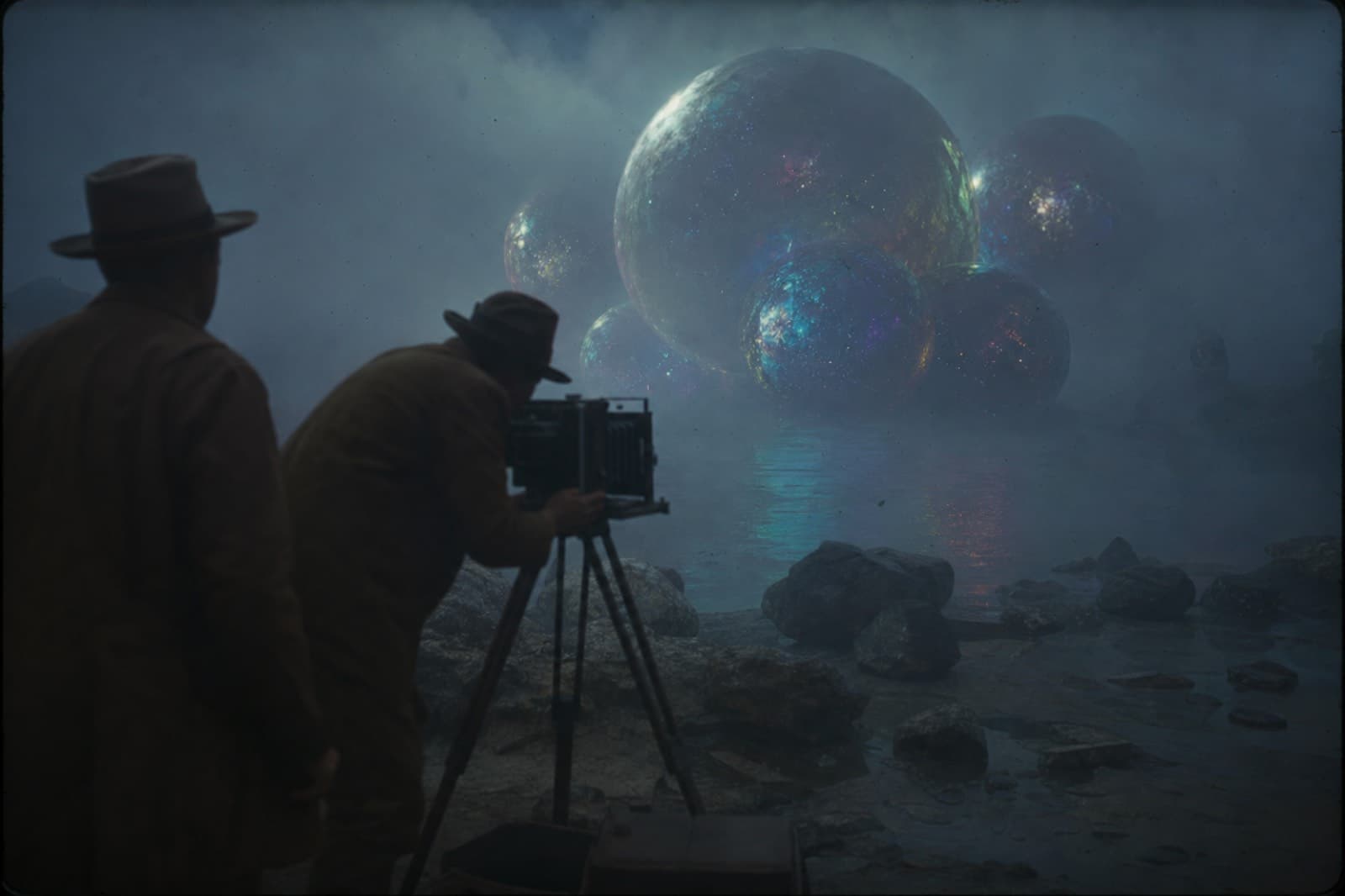
A congeries of iridescent spheres existing coterminously with all space and time, the threshold through which other powers enter, and the knower of all that was and is and shall be.