

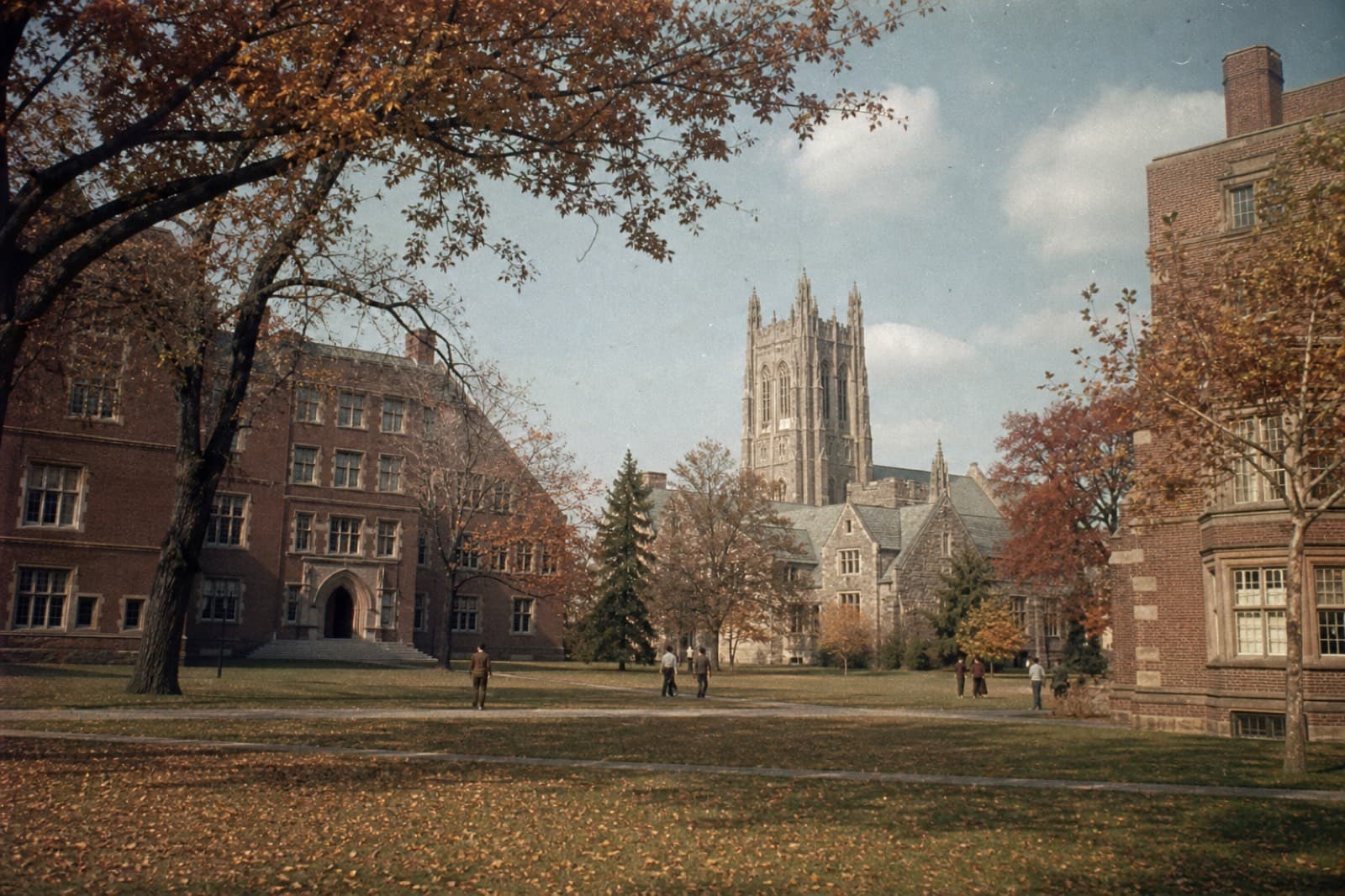
Miskatonic University
Arkham, Massachusetts
A distinguished New England university whose restricted collections hold manuscripts that should never have been translated, and whose expeditions have redrawn the map of what science dare not know.
There are black zones of shadow close to our daily paths, and now and then some evil soul breaks a passage through.
Inscription over the Orne Library restricted stacks; author disputed
Overview
Miskatonic University rises from the west bank of the Miskatonic in Arkham, Massachusetts, a cluster of Georgian halls, Victorian laboratories, and newer brick facades that pretend to normality while housing knowledge that would undo the pretence. Founded in the seventeenth century by settlers who understood that certain books must be chained, it has grown into one of New England's most respected institutions, with departments of biology, geology, anthropology, and folklore whose research occasionally intersects phenomena the Board of Trustees prefers not to acknowledge in the annual report.
The archive is not separate from the university; it is its conscience and its wound. Every expedition that has returned wrong, every scholar who has read too deeply, every crate sealed in the basement of the medical school, the thread leads back here.
Description
The campus spreads along College Street and beyond: the medical school with its anatomical collections; the museum of natural history where Antarctic specimens are displayed under labels that omit the most disturbing facts; the Orne Library, whose public stacks are admirable and whose restricted collection requires faculty clearance, a psychiatric evaluation, and a signature in ink that cannot be photocopied.
Arkham's fog rolls over the quadrangle at dusk. Students cross the bridge to town; professors retire to studies lined with books that do not appear in the catalogue. The air smells of river water, old paper, and something faintly metallic after certain seminars in the folklore department.
Historical Record
The Antarctic Expedition of 1930–31 was organized from these halls under Professor William Dyer. The Dunwich intervention of 1928 involved Dr. Henry Armitage, chief librarian, and colleagues who brought the Necronomicon itself into the field, a decision the archive still debates. The Wilmarth correspondence regarding the Vermont fungi was received and classified here. In each case, the pattern repeats: rigorous method, impeccable credentials, and a conclusion that the public university cannot publish.
Earlier centuries left their own scars. Witch-trial records in the special collections. A portrait in the administration building whose eyes follow the wrong visitor. A sub-basement in the chemistry annex that official maps do not show.
Archive Notes
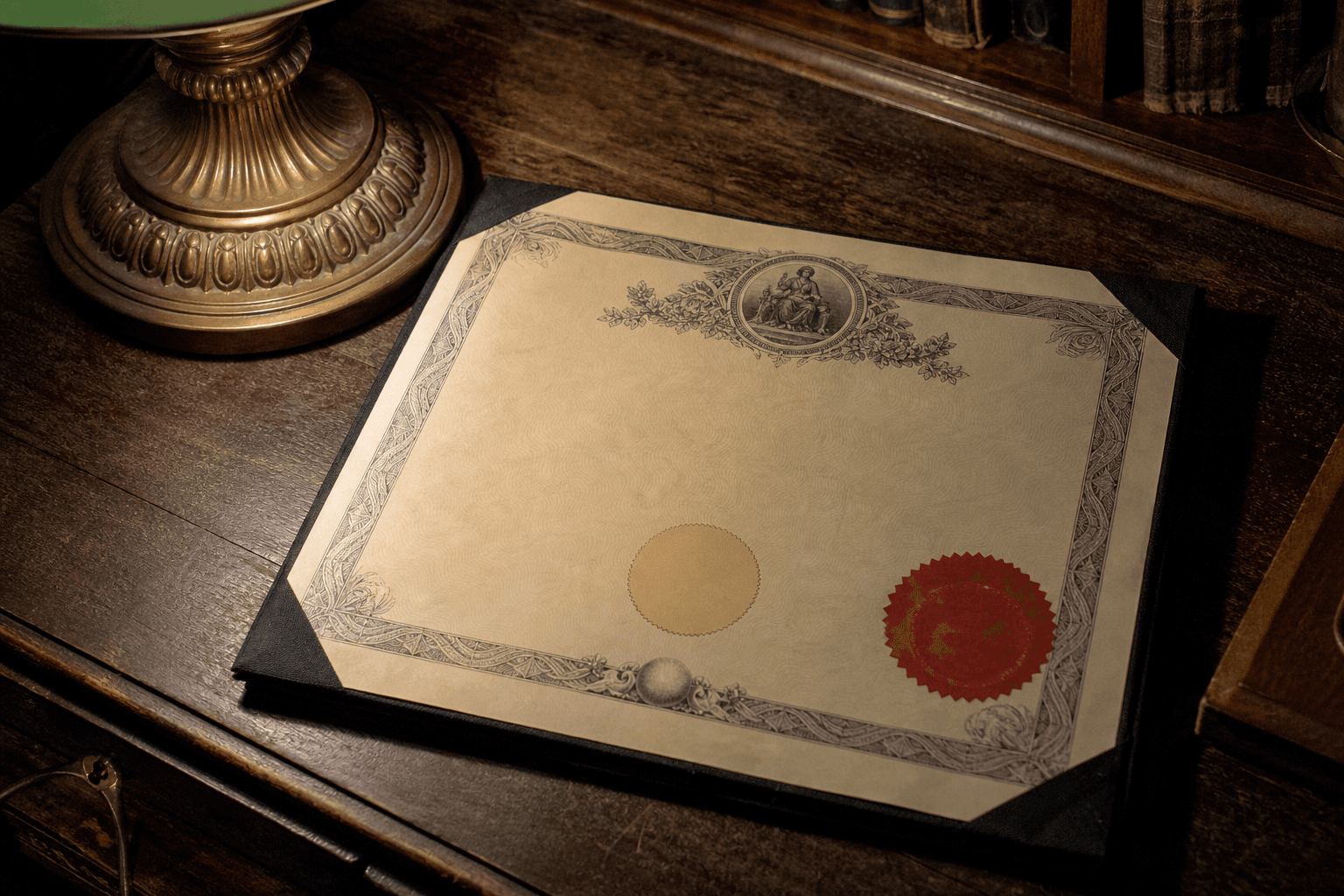
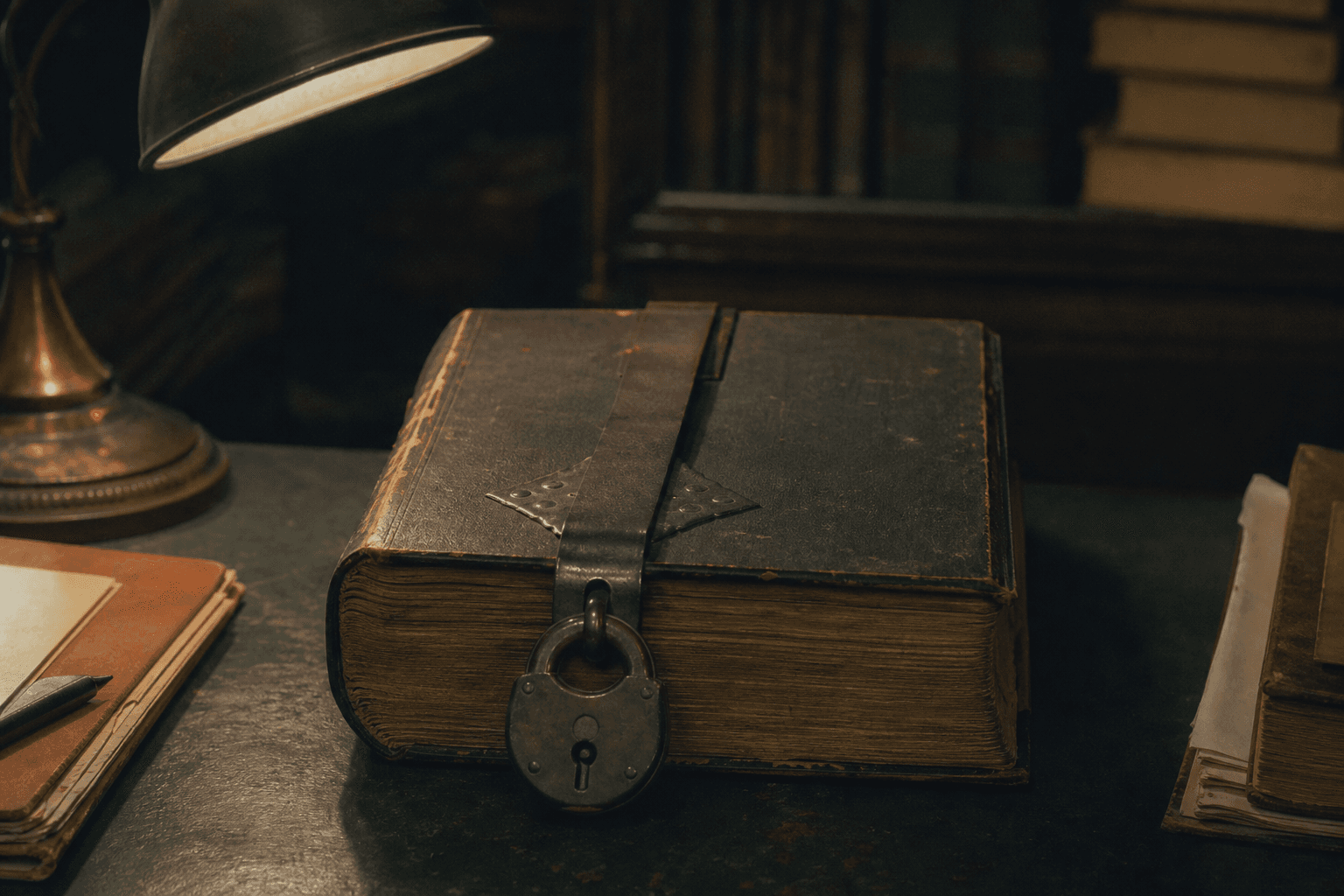
Personnel attached to the Miskatonic Archive operate under university charter but answer to protocols stricter than any dean's policy. Restricted loans are never permitted. Copying of Necronomicon fragments requires two witnesses and destruction of the carbon within forty-eight hours. Field researchers are reminded: the institution's reputation is fragile; the truth is not. Report anomalies to the Archive before the press, the police, or well-meaning colleagues who have not yet learned what waits in the stacks after midnight.
Evidence 01
Evidence 02
Citation: Miskatonic Expedition Archive. Record LOC-001. Access subject to institutional review.
Related Records
Cross-References
LOC-002
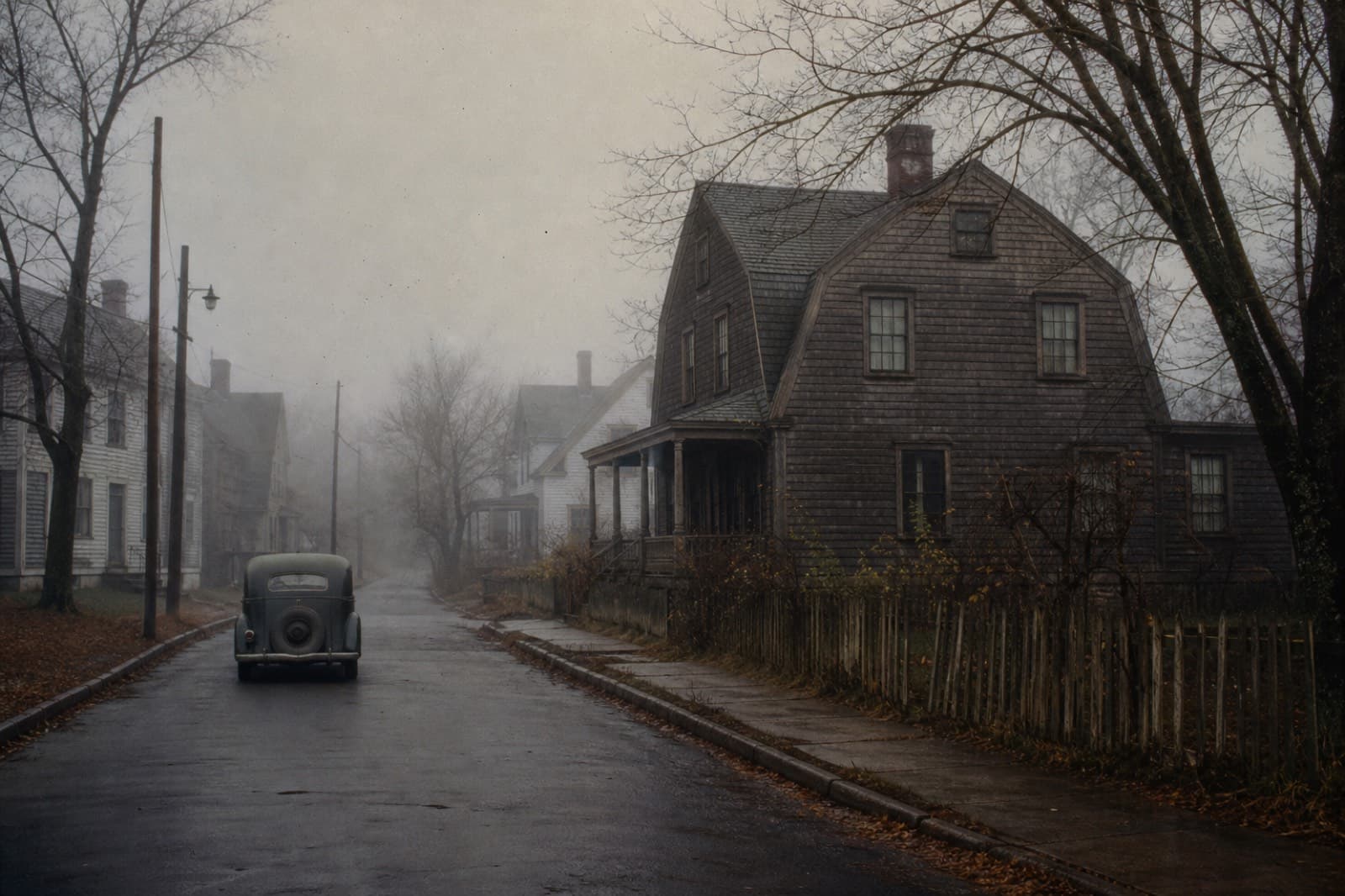
activeArkham
City on the Miskatonic
An aging Massachusetts town of gambrel roofs and winding streets, home to the university and countless quiet horrors, the kind that do not shriek in the night but wait in attics for generations to pass.

TOM-001
fragmentaryNecronomicon
Al Azif, Book of Dead Names
The most infamous grimoire of the mythos, an Arabic manuscript of rituals, histories, and formulae that erode the sanity of readers and have never been wholly suppressed, only scattered.
LOC-005
fragmentaryAntarctica
The Mountains of Madness
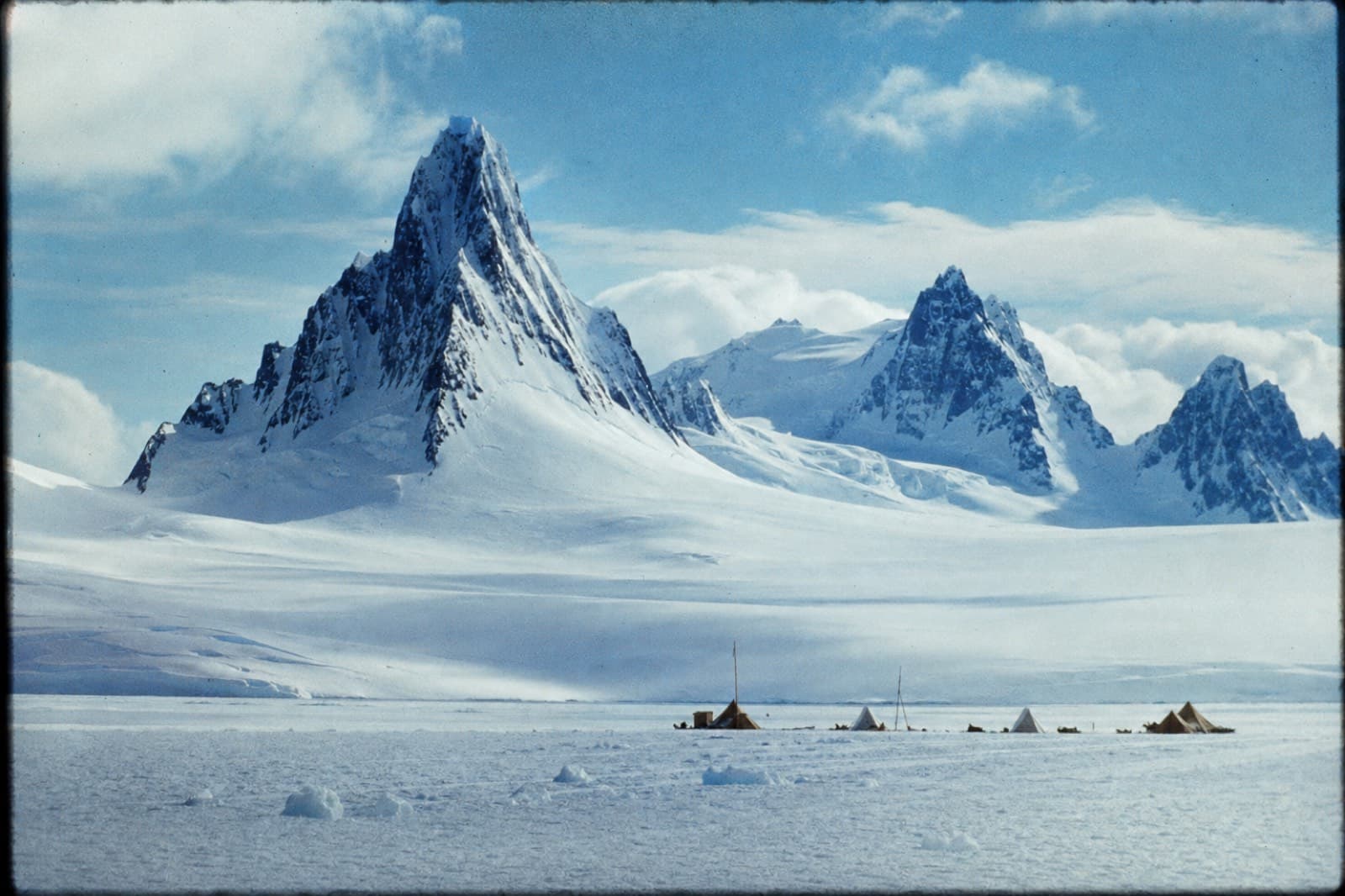
The southern ice preserves cities older than mankind, fossils of star-born colonists, and shapes best left buried, where the Miskatonic Expedition learned that Earth's history is not our own.
STY-002
fragmentaryAt the Mountains of Madness
Antarctic Expedition Log
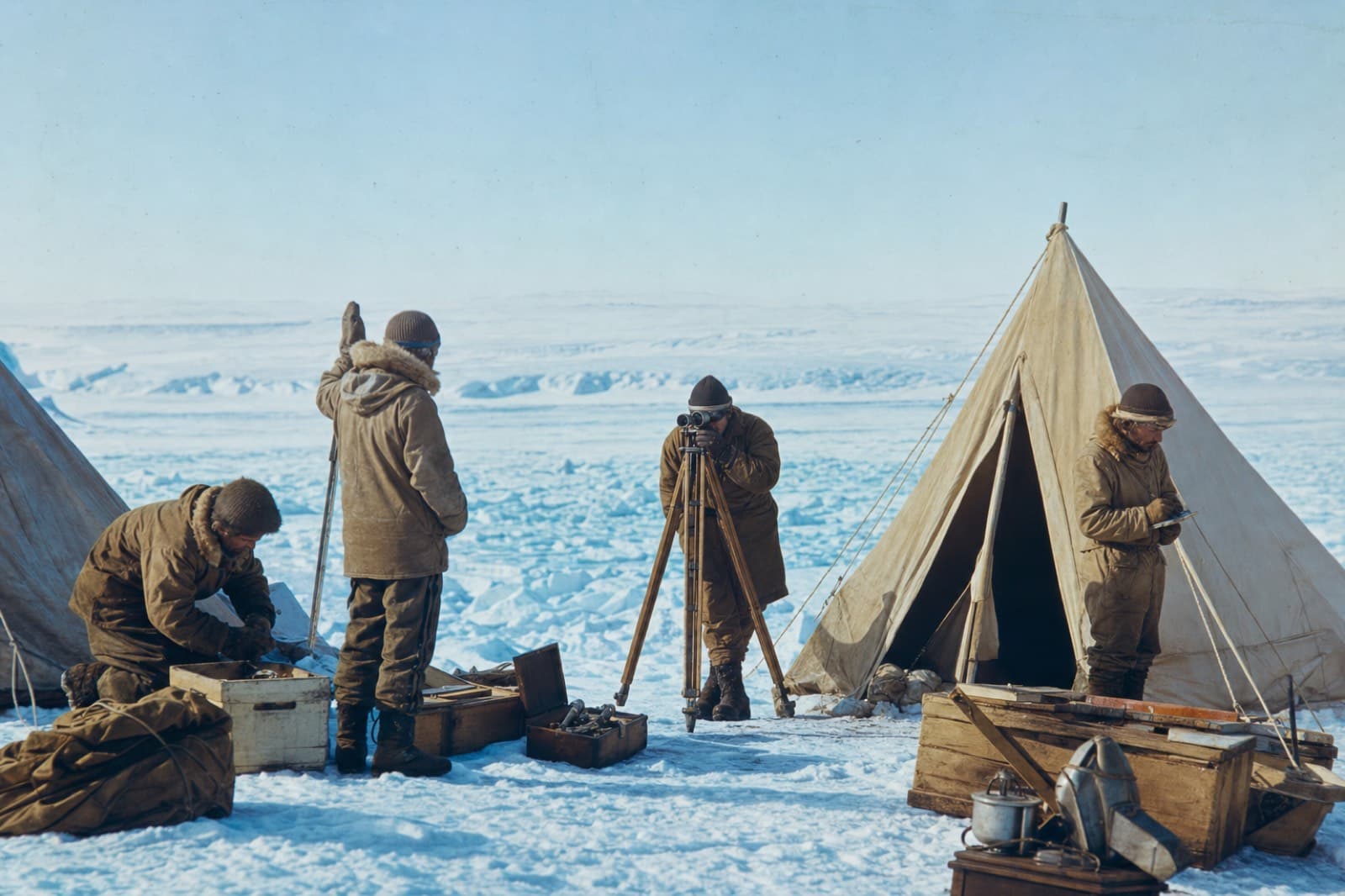
The Miskatonic Antarctic Expedition's discovery of Elder Thing ruins and the shoggoth-haunted history beneath the ice - the report Professor Dyer suppressed so that no plane would fly south again.