


Necronomicon
Al Azif, Book of Dead Names
The most infamous grimoire of the mythos, an Arabic manuscript of rituals, histories, and formulae that erode the sanity of readers and have never been wholly suppressed, only scattered.
That is not dead which can eternal lie, and with strange aeons even death may die.
Necronomicon, as cited in expedition translations; Greek fragment
Overview
Of all the books that have driven men mad, the Necronomicon stands first in reputation and last in availability, a grimoire composed in the eighth century by a poet who had seen too much and who vanished in a manner that should have discouraged translation forever. It exists in Arabic as Al Azif, in Greek as Necronomicon, in Latin with John Dee's marginalia, and in English in editions that circulate like contagion despite every effort of church, state, and university to burn them.
The archive does not treat the book as superstition. It treats it as a hazardous substance: contact in quantity produces obsession, accurate prophecy, and the collapse of the boundary between scholarship and invocation.
Description
Surviving copies vary in binding, leather, vellum, human skin in one confiscated specimen, but share a core of material: the history of the Old Ones before man; the cults that served them; the formulae of opening and closing; the locations of R'lyeh, Irem, and the city of the Elder Things; and passages in languages that linguists cannot classify because they predate classification.
Reading produces headaches, visions, and the conviction that one's dreams are messages. Continued reading produces the need to read aloud. The Miskatonic copy is chained in the restricted stacks not as metaphor but as policy.
Historical Record
Abdul Alhazred completed Al Azif in Damascus circa 730 AD and died before a crowd in the marketplace, torn apart by an invisible presence. Theodorus Philetas translated into Greek before 950; Olaus Wormius rendered Latin by 1228; John Dee made an English version that Elizabeth's censors seized. Each translation lost something and added something worse.
Copies reside officially nowhere and practically everywhere: Miskatonic's restricted collection; the British Museum's sealed vaults; libraries in Buenos Aires, Paris, and Harvard that deny possession until a researcher goes mad and the denial becomes untenable. Wilbur Whateley reached Dunwich seeking the complete text; Armitage used it to drive back what Wilbur had called. The book is a weapon. It is also a door.
Known Passages
The couplet on death and strange aeons is the most cited fragment, reassuring in isolation, devastating in context. The formula of Yog-Sothoth ('Y'ai 'ng'ngah') appears in Ward and Dunwich files. Descriptions of Cthulhu's dormancy synchronize with the 1925 emergence. The archive maintains a concordance of two hundred and fourteen verified lines and estimates the complete text at eight hundred or more, many never to be translated safely.
Archive Notes
No photocopying. No dictation to untrained stenographers. Reading sessions limited to ninety minutes with a waking partner in the room. Personnel who memorize passages involuntarily are to be isolated until the compulsion passes or until it does not pass, in which case Protocol Theta applies. The Necronomicon is not a book about horror. It is a book that performs horror on the reader's nervous system.

Evidence 01

Evidence 02
Citation: Miskatonic Expedition Archive. Record TOM-001. Access subject to institutional review.
Related Records
Cross-References
SCH-001
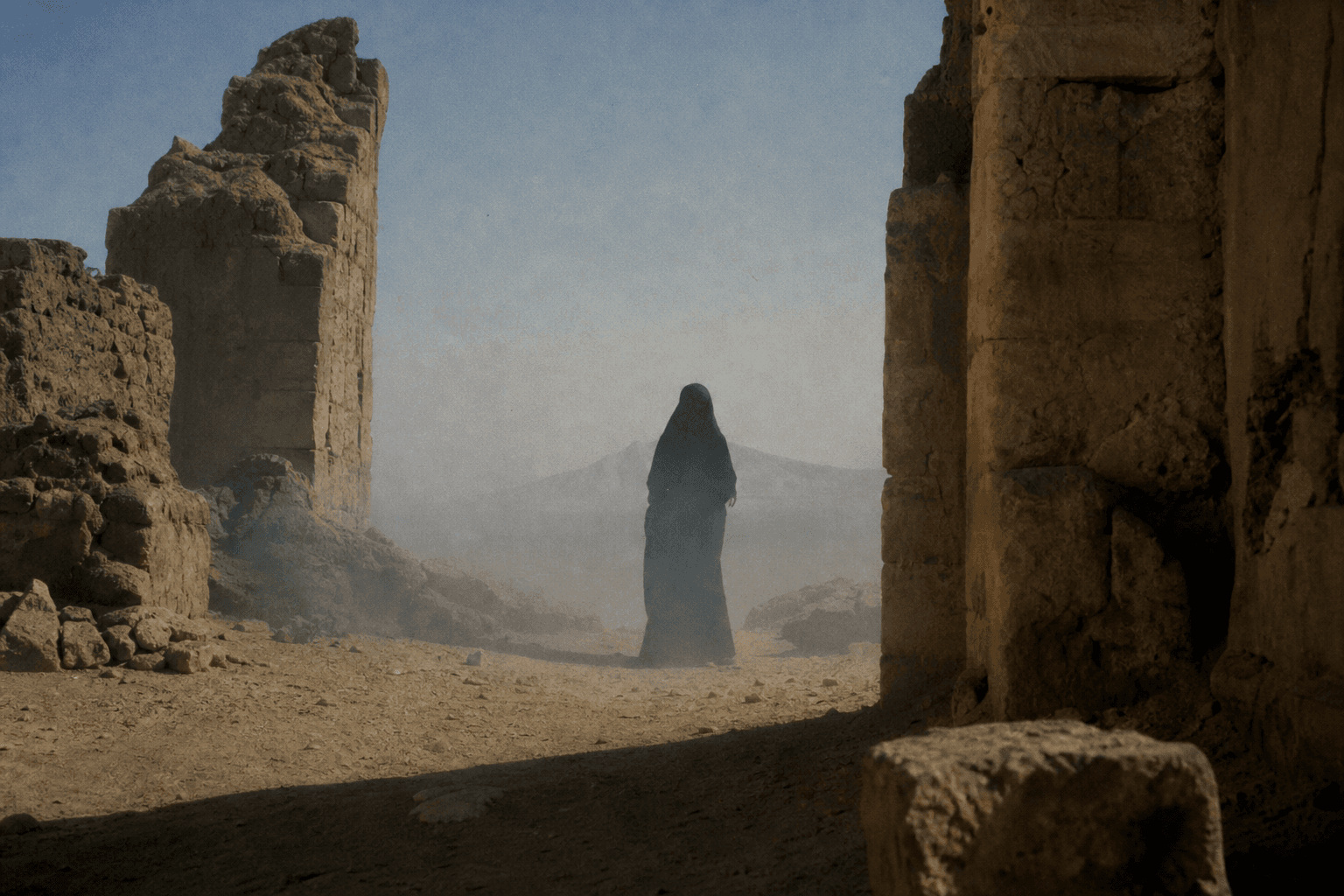
unknownAbdul Alhazred
The Mad Arab
A poet and scholar of Sanaá who wandered ruined cities and compiled the Al Azif before vanishing in broad daylight, devoured, witnesses said, by something the eye could not see.
OG-002
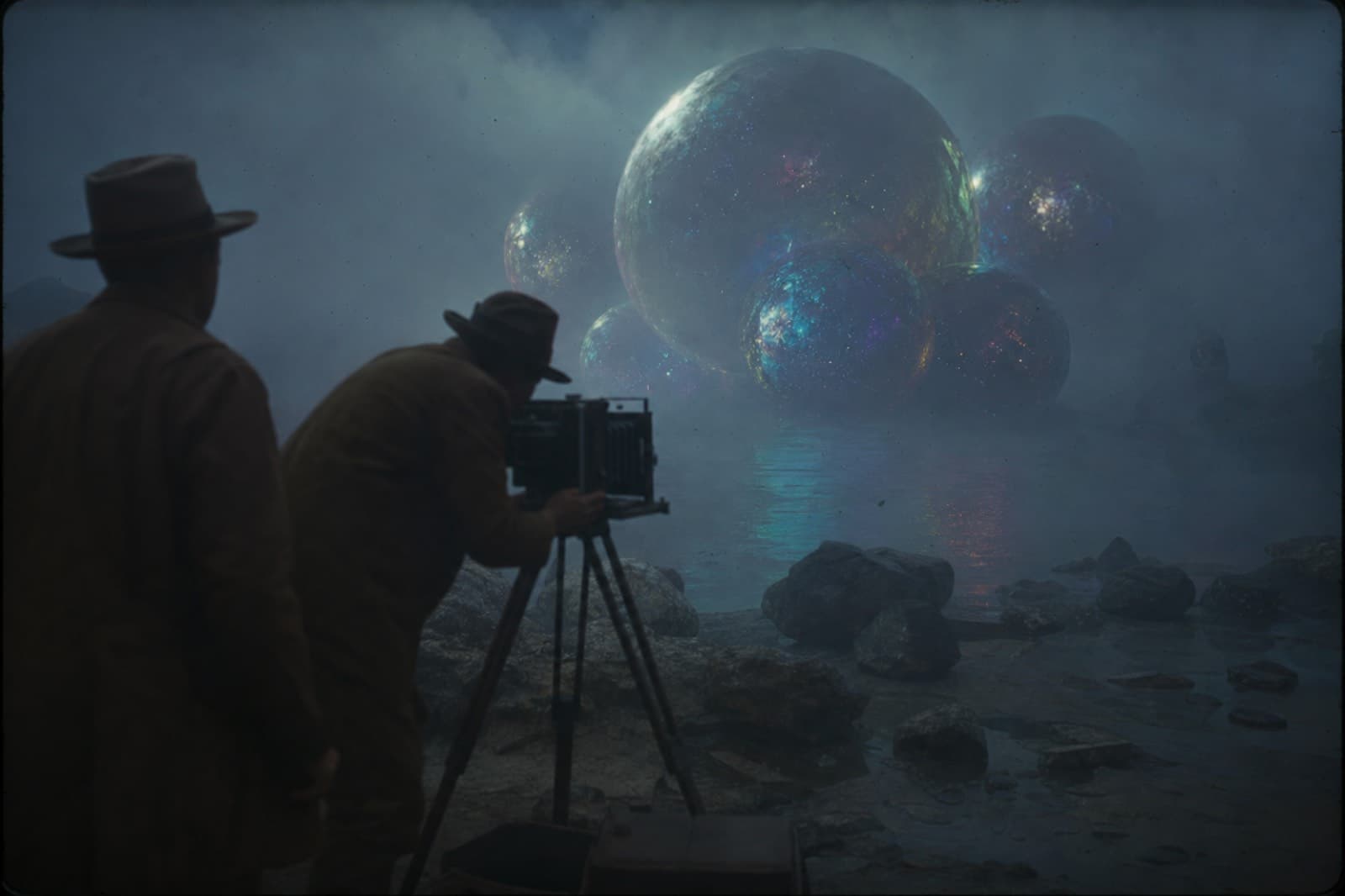
activeYog-Sothoth
The Key and the Gate
A congeries of iridescent spheres existing coterminously with all space and time, the threshold through which other powers enter, and the knower of all that was and is and shall be.
GOO-001
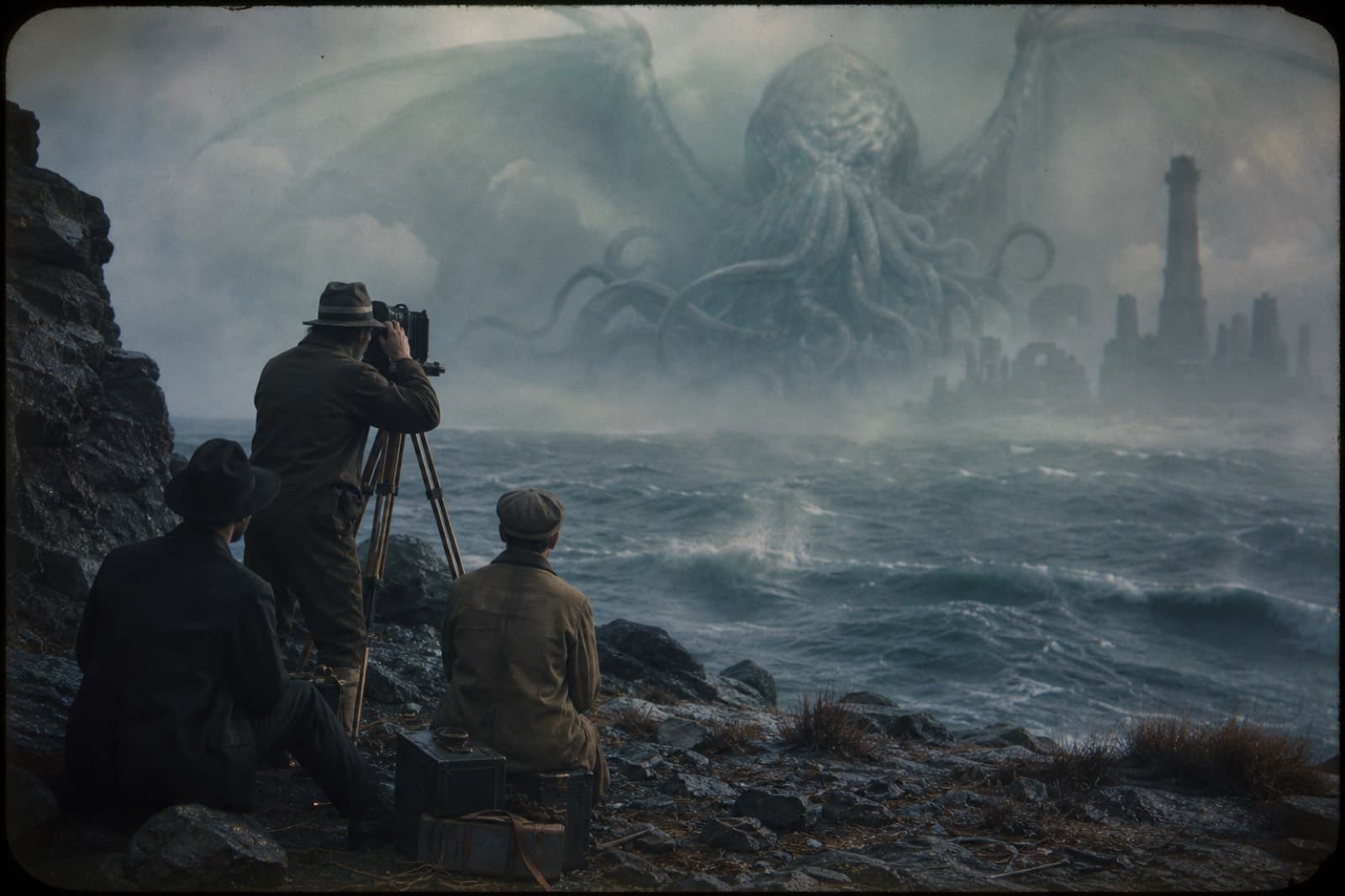
dormantCthulhu
High Priest of the Great Old Ones
A colossal entity of draconic and cephalopodic aspect, dreaming in death-like slumber beneath the Pacific until the stars align, and when they do, the world will know madness again.
CON-002
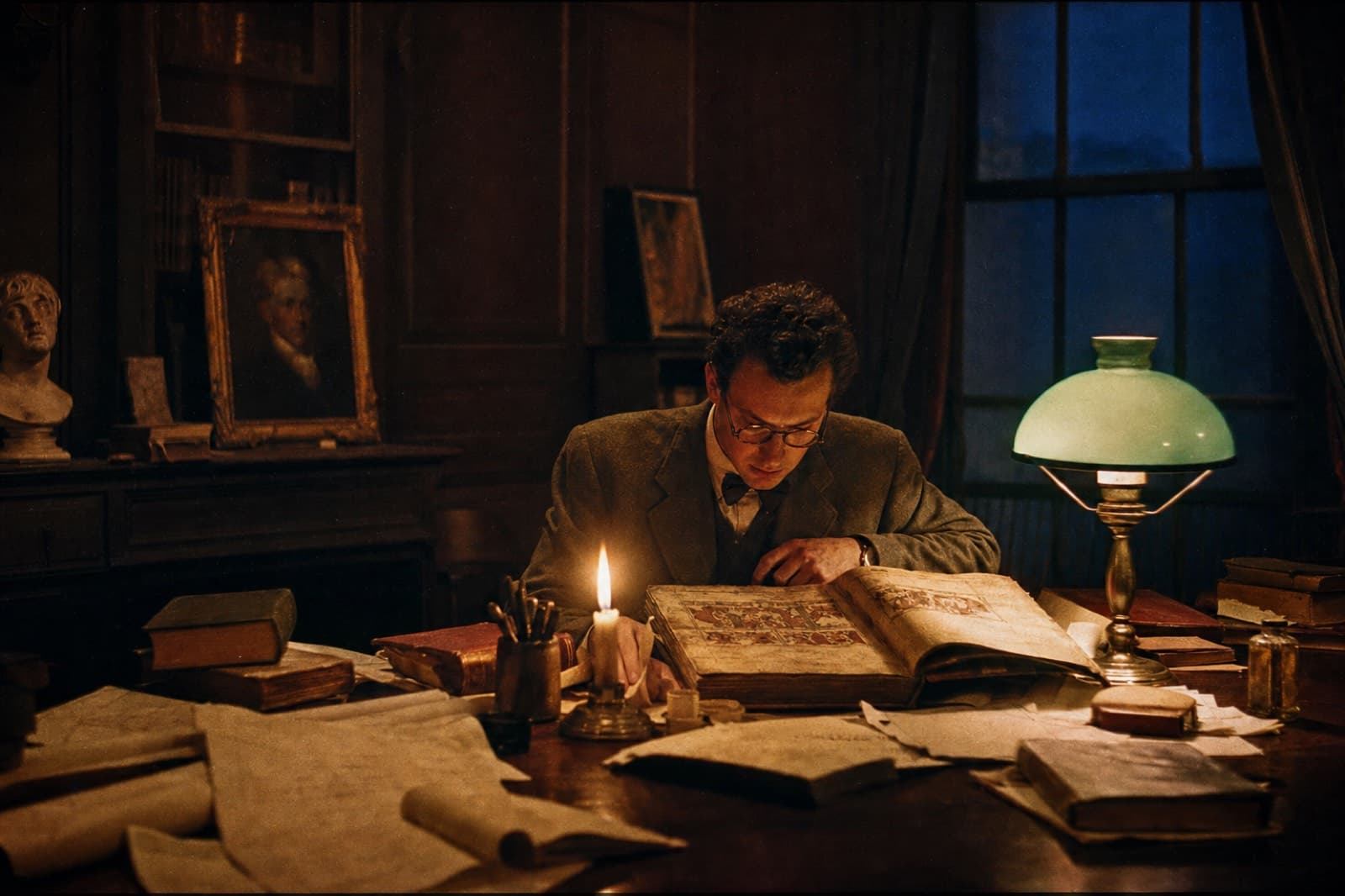
activeForbidden Knowledge
Epistemic Hazard
Information whose acquisition damages the seeker - truths the mind evolved specifically not to accommodate, and that no degree of education prepares one to survive.
CON-005
activeEldritch Rituals
Ceremonial Practice
Rites recorded in forbidden texts - chants, sacrifices, and alignments that invite attention from entities best left dreaming, catalogued for recognition and interruption, never replication.