

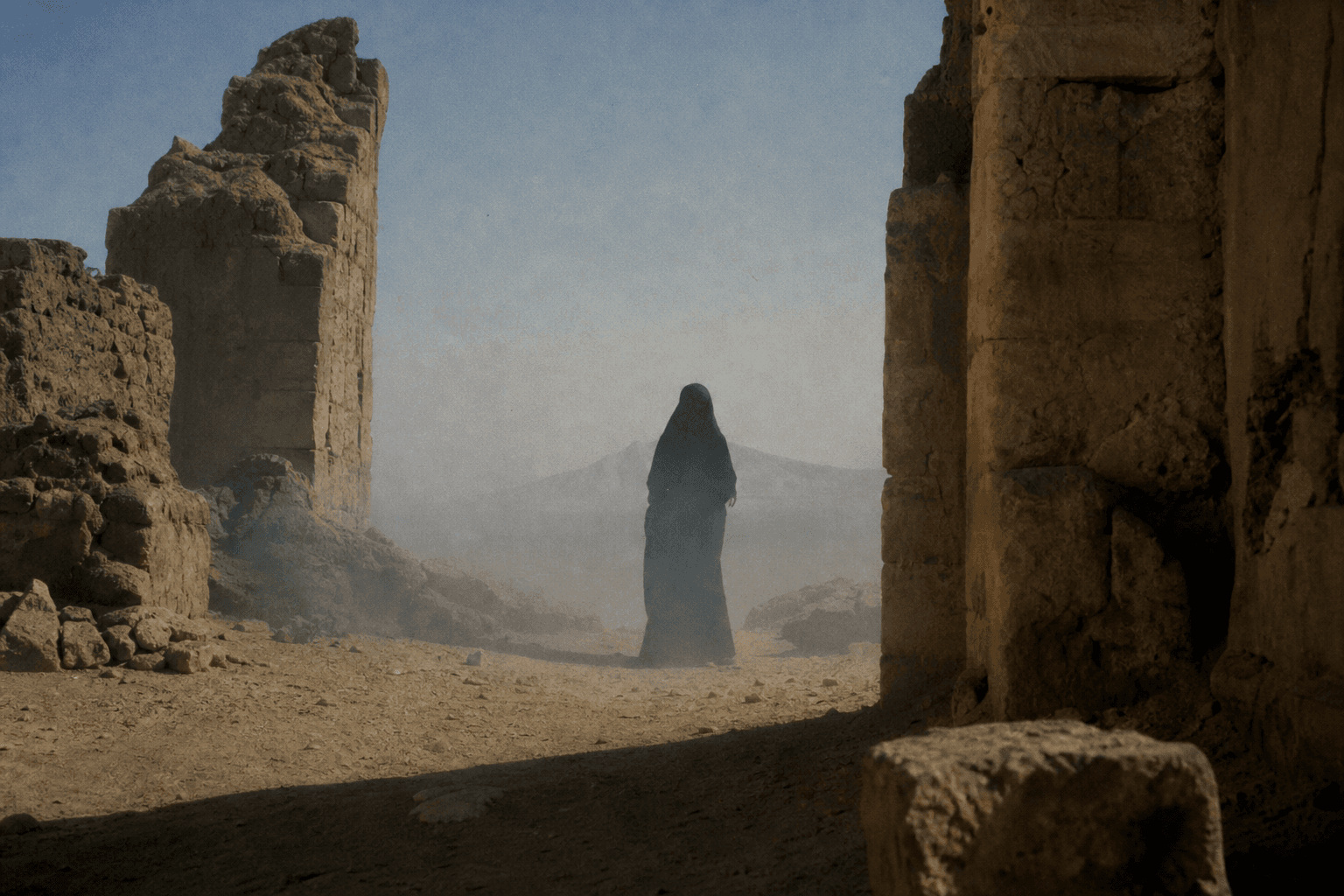
Abdul Alhazred
The Mad Arab
A poet and scholar of Sanaá who wandered ruined cities and compiled the Al Azif before vanishing in broad daylight, devoured, witnesses said, by something the eye could not see.
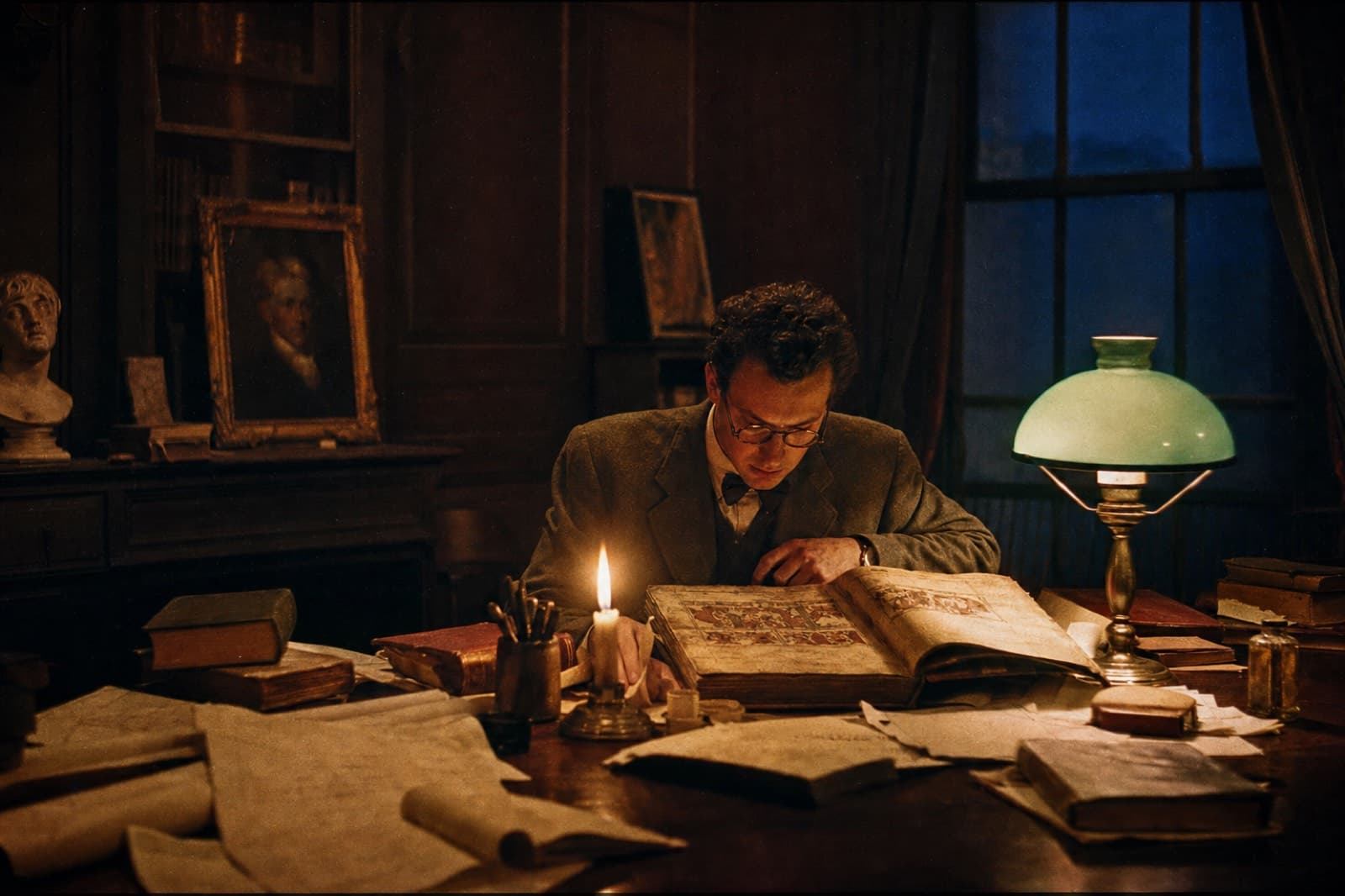
He had visited the ruins of Babylon and the subterranean secrets of Memphis, and had been to Arabia and to the catacombs of the Gobi.
Necronomicon introduction, Latin recension
Overview
Abdul Alhazred, poet of Sanaá, mad Arab only in the sense that sanity could not survive what he had seen, stands at the headwaters of the entire mythos. Without him there is no Al Azif, no Necronomicon, no chain of translations that reaches Miskatonic's chained stacks and the nightmares of every scholar who has read a single verified page. He was not a cultist in the vulgar sense. He was a traveller who went where travellers should not go and wrote down what he found because the pen was the only exorcism left.
His final disappearance before a crowd in Damascus remains the archive's most cited cautionary account: proximity to truth is not the same as survival.
Description
Contemporary accounts, filtered through later copyists, describe a lean man of middle years, obsessed, eloquent, and increasingly unwilling to sleep. He spoke Arabic, Greek, and enough of older tongues to read inscriptions that archaeologists had not yet found. He frequented ruins, Babylon, Memphis, the Nameless City in the desert where dead lizards still walked in his dreams, and returned with notes that became chapters.
He was not mad when he began. The Necronomicon's own introduction insists he was a rational man who saw irrational things and recorded them with a poet's precision and a mathematician's dread.
Historical Record
Alhazred completed Al Azif in Damascus circa 730 AD, after a decade of composition. He claimed to have seen the throne of Azathoth in dream, the gates of Yog-Sothoth in stone, and the sunken corpse-city of R'lyeh in vision if not in flesh. In 738 he was eating in a public market when the air above him tore open and something invisible descended. Witnesses described limbs separating without contact, blood rising toward the sky, and a voice that might have been laughter.
No body was recovered. Copies of his book multiplied anyway, as though the text were a organism that did not need its author to breed.
Archive Notes
Biographical research into Alhazred is permitted; séance contact is not. Do not attempt to 'complete' his unfinished chapters by inspiration, the 1929 Vermont incident demonstrated that the dead author may answer through other mouths. Treat Alhazred as a warning label on a bottle, not as a role model. The Mad Arab earned his epithet posthumously so that we might read his work and live, if living after such reading can still be called life.
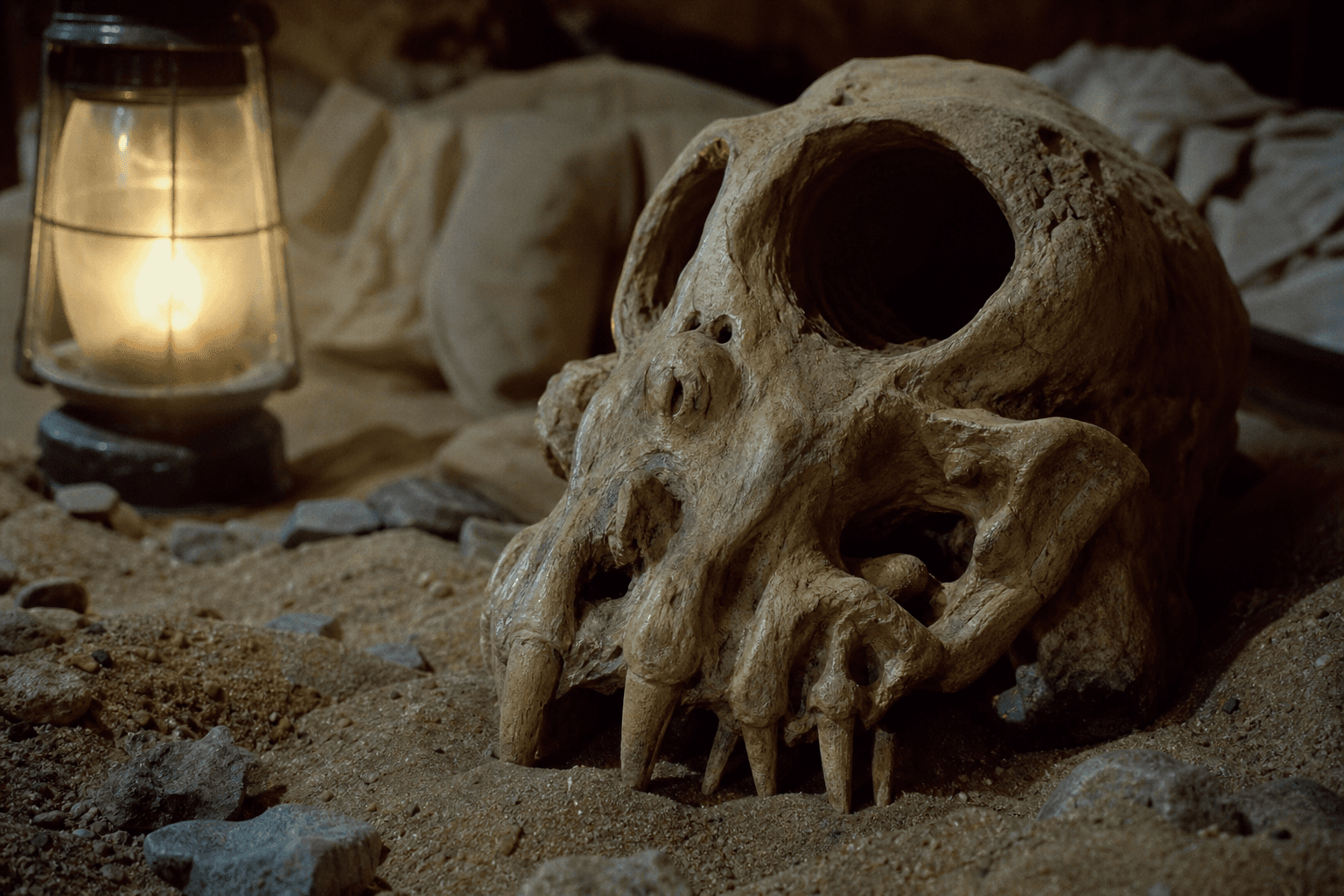
Evidence 01
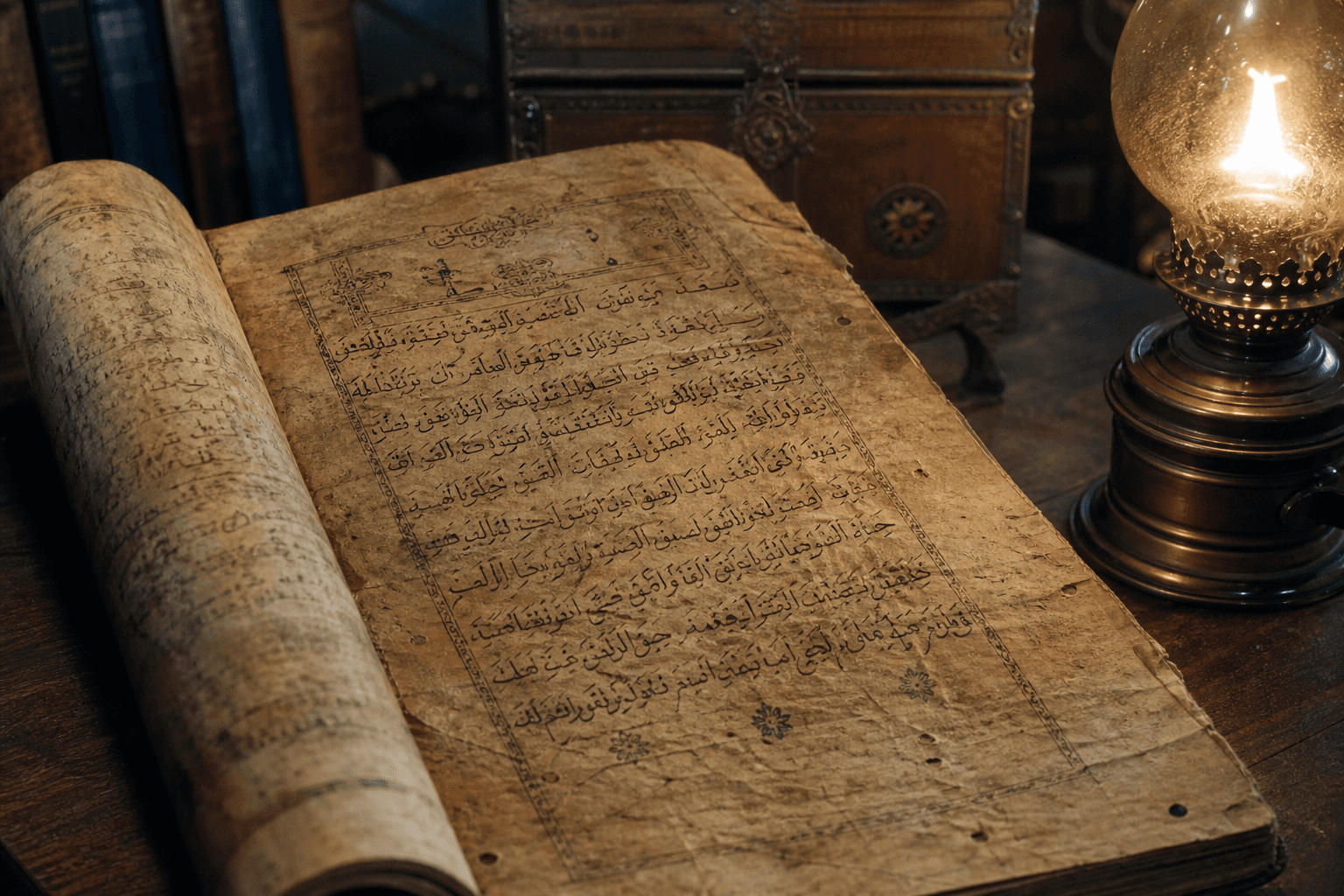
Evidence 02
Citation: Miskatonic Expedition Archive. Record SCH-001. Access subject to institutional review.
Related Records
Cross-References

TOM-001
fragmentaryNecronomicon
Al Azif, Book of Dead Names
The most infamous grimoire of the mythos, an Arabic manuscript of rituals, histories, and formulae that erode the sanity of readers and have never been wholly suppressed, only scattered.
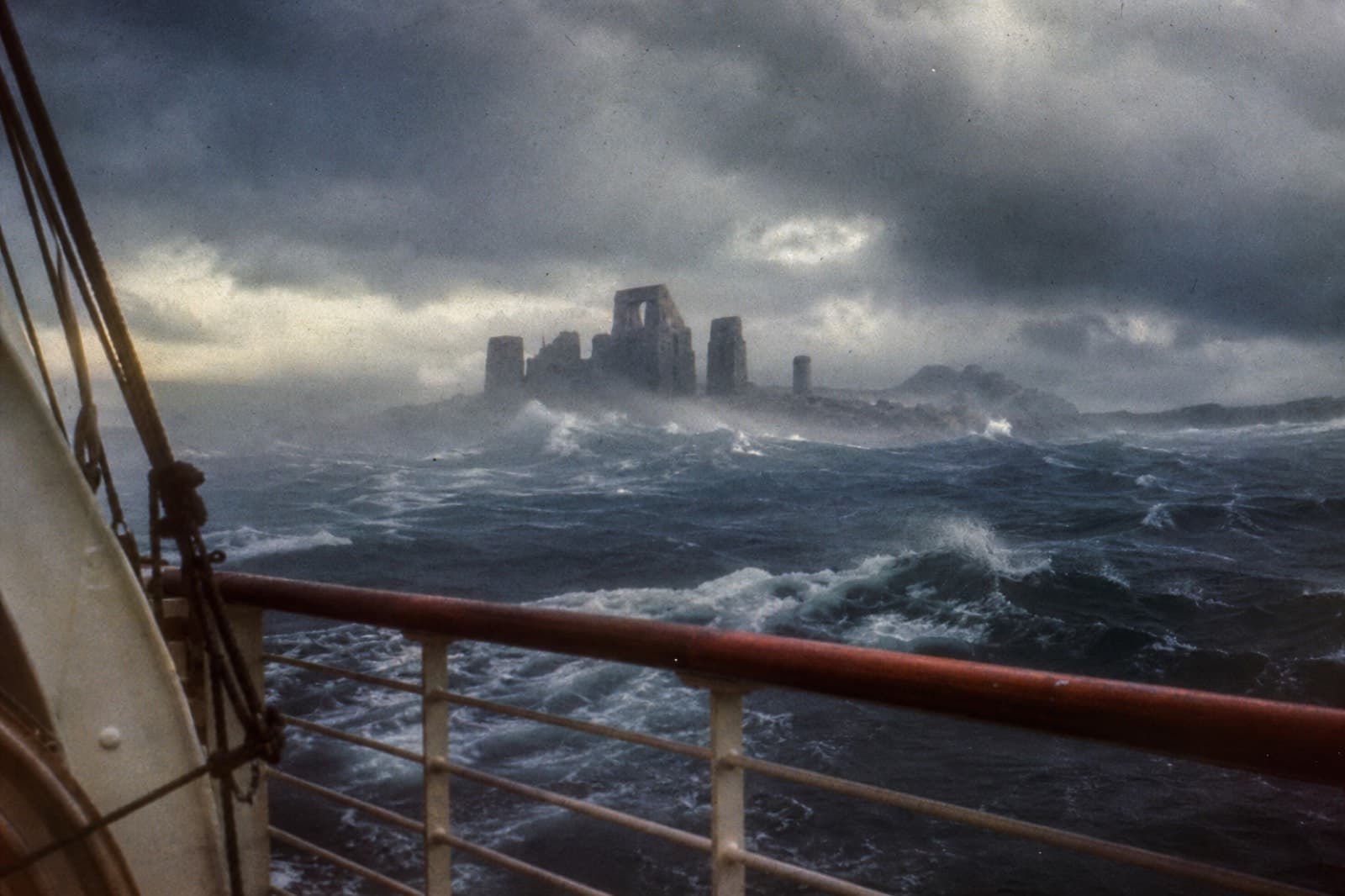
CIV-001
dormantR'lyeh
The Sunken Corpse-City
A cyclopean metropolis of non-Euclidean geometry risen briefly from the Pacific, tomb and temple to the dreaming god, a city that should not exist and cannot be forgotten once seen.
CON-002
activeForbidden Knowledge
Epistemic Hazard
Information whose acquisition damages the seeker - truths the mind evolved specifically not to accommodate, and that no degree of education prepares one to survive.
CON-005
activeEldritch Rituals
Ceremonial Practice
Rites recorded in forbidden texts - chants, sacrifices, and alignments that invite attention from entities best left dreaming, catalogued for recognition and interruption, never replication.