

Field Dispatch
Complete H. P. Lovecraft Reading Order
Official syllabus cross-referenced to archive record numbers.
Chronological order (1917–1937)
A Lovecraft reading order built on publication dates spans roughly 1917 to 1937 and reveals how his voice hardened - from Poe-influenced pastiche toward the clipped, adjective-heavy prose of his mature mythos. Early pieces like The Tomb and Dagon /archive/dagon show a writer learning atmosphere; by 1928's The Call of Cthulhu /archive/the-call-of-cthulhu he had found his signature subject: humanity's peripheral place in a vast, indifferent cosmos. Reading chronologically is not the only valid path, but it is the best lens for scholars who care when names like Yog-Sothoth or Nyarlathotep first appear on the page.
Chronological order - what you gain
A strict chronological pass is long - seventy-odd stories, poems, and fragments - but invaluable for tracing influence on later cosmic horror authors. You watch Lovecraft recycle settings, refine monsters, and tighten his argument against human centrality. We maintain archive records keyed by slug so you can jump from any year to the relevant dossier without memorizing bibliographies. For casual readers, chronological order is optional; thematic clusters (below) deliver many of the same insights with less fatigue.
If you attempt chronology, batch by era rather than forcing one story per night. The 1917–1922 period feels antique; the late 1920s mythos burst is denser and more rewarding. Pause after major milestones - The Call of Cthulhu, The Colour out of Space, The Shadow over Innsmouth - to read archive summaries and entity pages before momentum blurs details. Pair this dispatch with /journal/where-to-start-lovecraft if you are new; start there for tiers, return here when you want the full timeline.
Keep a one-page timeline on your wall: year, title, one phrase on what changed in craft. That visual anchor prevents the middle period from blurring into anonymous dread. Chronology answers "what did he know when he wrote this?"; tiers answer "what should I read before I quit?" Both questions matter; they are not the same question. When you teach, publish the timeline alongside your syllabus so students see why a 1919 tale feels different from a 1931 novella even when both mention Arkham.
Thematic clusters
Thematic grouping respects how Lovecraft himself thought about his work - as clusters of mood and setting rather than a single franchise timeline. The Dream Cycle - Ulthar, Kadath, Randolph Carter - clusters around wonder, nostalgia, and thin boundaries between sleep and revelation. The Arkham country cycle ties together Miskatonic University, the witch house, Pickman's Model /archive/pickmans-model, and sanitarium stories that define New England gothic. Antarctic and deep-time fiction (At the Mountains of Madness, The Shadow out of Time) forms a third pillar: science as horror, fossils as evidence of doomed civilizations.
Thematic clusters - four pillars
Standalone masterpieces - The Colour out of Space, The Outsider - sit outside cycles but anchor any curated list. Use archive location records /archive/arkham, /archive/dunwich, /archive/innsmouth to see how geography stitches the fiction together; maps make the mythos feel like a place you could stumble into. Thematic order also lets you skip weak early experiments without abandoning the project: read the Dream Cycle as a novella-length mood piece, then pivot to coastal cult fiction when you crave plot.
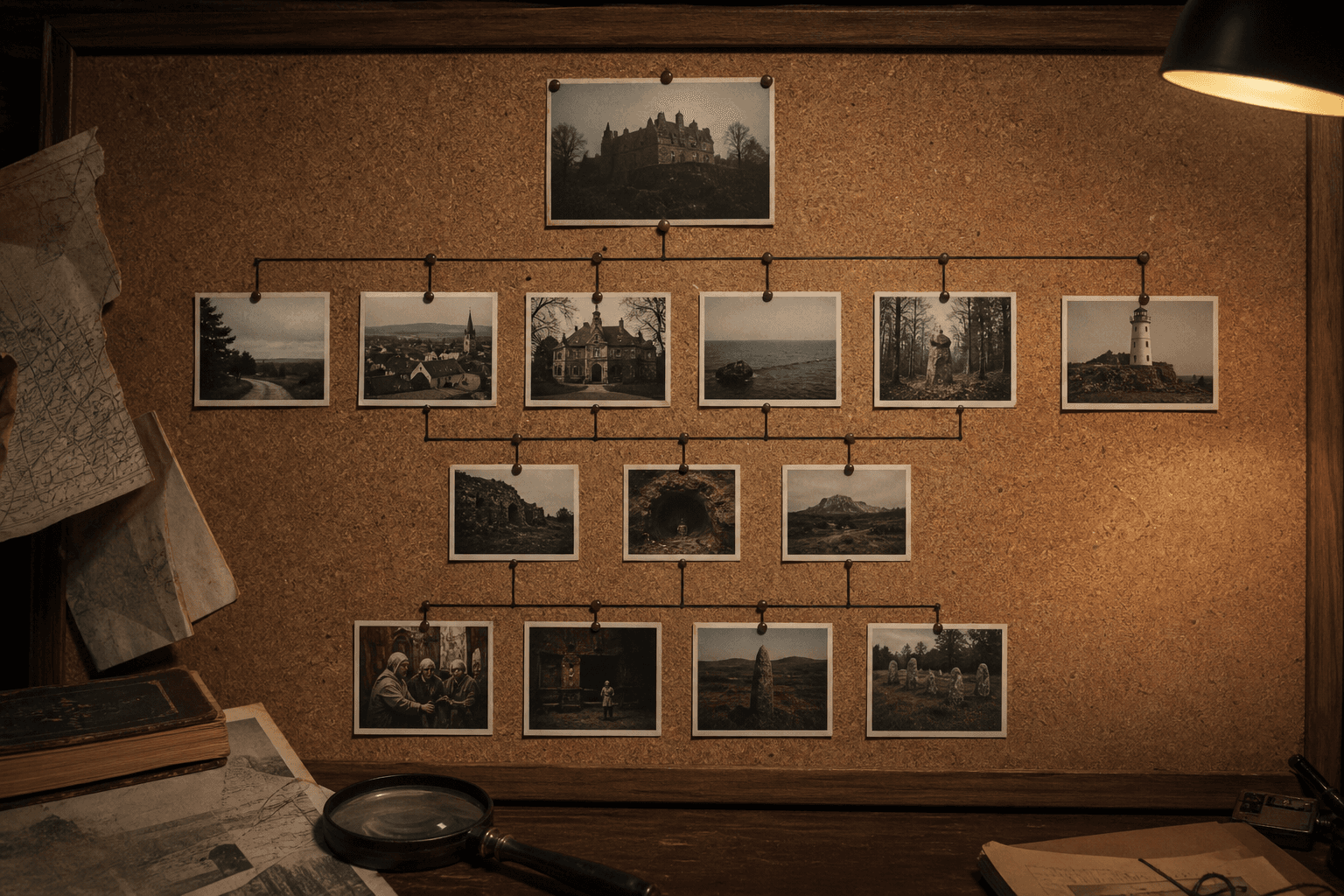
Alternate clusters to manage fatigue. A week of genealogical horror in Dunwich and Innsmouth deserves a palate cleanser from Ulthar or The Cats of Ulthar. Thematic reading teaches what chronological reading sometimes hides: Lovecraft wrote in modes, and his best work often perfects a mode rather than advancing a plot. When you finish a cluster, write three sentences on its recurring fear - decay, invasion, forbidden knowledge - and compare notes across clusters. That exercise turns Lovecraft reading order into criticism, not consumption.
For syllabus builders, label each week with a cluster name on the handout. Students remember "Dream week" better than "stories 14–19." Cross-link /journal/lovecraft-short-stories-guide when you need estimated reading times per cluster. Thematic order also helps rereaders who have already finished the famous novellas and want a fresh angle on minor tales that share a setting.
Major collected editions
Collected editions reshape how we experience order, and most readers encounter Lovecraft first through an anthology, not a magazine facsimile. Penguin's portable volumes, Barnes & Noble's leather-bound sets, and Library of America anthologies rearrange stories for page count, not chronology - usually a blessing. This dispatch does not duplicate our /journal/best-lovecraft-book-editions survey; consult that dispatch for annotated versus luxury printings, Joshi-curated texts, and which volumes hide collaborations.
Collected editions - shelf order vs reading order
When a collection groups "major mythos tales" together, treat it as a thematic shortcut: you may read The Shadow over Innsmouth before The Dunwich Horror and still understand both, because the editor prioritized atmosphere over publication year. Note which edition omits collaborations or juvenilia; scholarly baselines matter if you are building a complete Lovecraft reading order for research rather than pleasure. Your shelf order and your reading order need not match; what matters is whether the table of contents supports the questions you are asking.
Physical books also change pacing. A heavy omnibus invites long sessions; a pocket volume suits commutes. Audiobooks add another layer - see /journal/best-lovecraft-audiobooks for performances that respect Lovecraft's sentence rhythm. If you are teaching, choose an edition with usable footnotes and a clear copyright page; classroom excerpts from bad scans undermine trust. Collectors may own multiple editions; readers need only one good text and the archive for cross-reference.
Compare tables of contents before you buy a second copy. Some "complete" sets tuck collaborations into the back without labeling them; others front-load mythos hits and hide weaker juvenilia in small type. Neither approach is wrong, but your complete Lovecraft reading order should match your intent - pleasure reading, citation-heavy study, or classroom excerpting. When in doubt, prefer an edition with story notes that cite first publication year; that metadata makes it easier to jump to archive dossiers after each tale.
Cthulhu Mythos reading path
A dedicated Cthulhu Mythos path begins with foundational texts - The Call of Cthulhu, The Dunwich Horror, The Whisperer in Darkness - then expands through entity dossiers linked from /cthulhu-mythos. Lovecraft did not write with a franchise bible; August Derleth and later authors retrofitted connections. Still, reading mythos-heavy fiction in a sensible sequence prevents Nyarlathotep from appearing before you understand cult structure, forbidden tomes, and the logic of secrecy that ties rural New England to Antarctic plateaus.
Cthulhu Mythos reading path - key points
Follow stories with their archive entities: Cthulhu /archive/cthulhu, Deep Ones /archive/deep-ones, Yog-Sothoth /archive/yog-sothoth. The hub maps stories to gods, books, and locations without replacing the primary texts. After Lovecraft's core, decide whether to continue into Derleth, Clark Ashton Smith, and modern pastiche - a choice our /journal/lovecraft-literary-circle and modern horror dispatches treat separately. Mythos order is ideal for readers who think in networks: each story adds nodes, and the archive supplies edges.
Practical sequence: coastal cult fiction first (The Shadow over Innsmouth, The Dunwich Horror), then cosmic scale (The Call of Cthulhu, The Whisperer in Darkness), then deep time (At the Mountains of Madness). Adjust if you prefer science over sorcery. Re-read The Call of Cthulhu after the novellas; its brevity becomes a skeleton key. For short-fiction pacing within this path, use /journal/lovecraft-short-stories-guide. For legal adaptation of mythos tales, confirm status in /journal/lovecraft-public-domain before publishing fan work or commercial audio.
Track forbidden books and named entities on index cards as you read. Mythos order makes sense when Nyarlathotep, Yog-Sothoth, and the Necronomicon feel like recurring colleagues rather than trivia. If you continue into post-Lovecraft writers, reset expectations: later authors often literalize connections Lovecraft left suggestive. Our literary-circle dispatch explains that shift so you do not blame Lovecraft for Derleth's taxonomy.
Evidence 01

Evidence 02
Dispatch COMPLETE_LOVECRAFT_READING_ORDER · Primary keyword: lovecraft complete works
Primary sources
STY-001
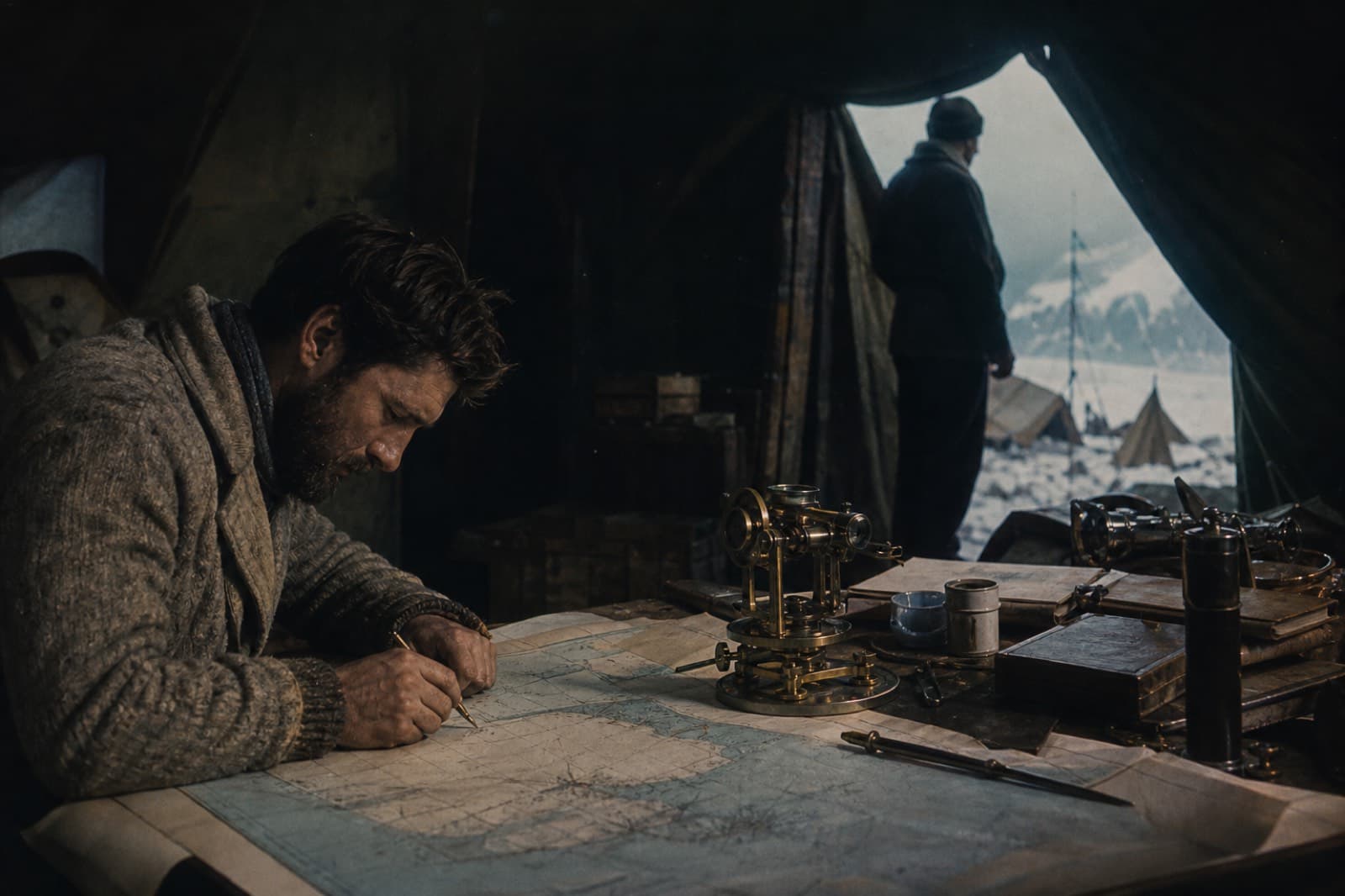
activeThe Call of Cthulhu
Incident Record - 1925
A global wave of dreams, cult activity, and the brief emergence of R'lyeh documented through fragmented testimony - the case that proved the mythos was not regional but planetary.
STY-002
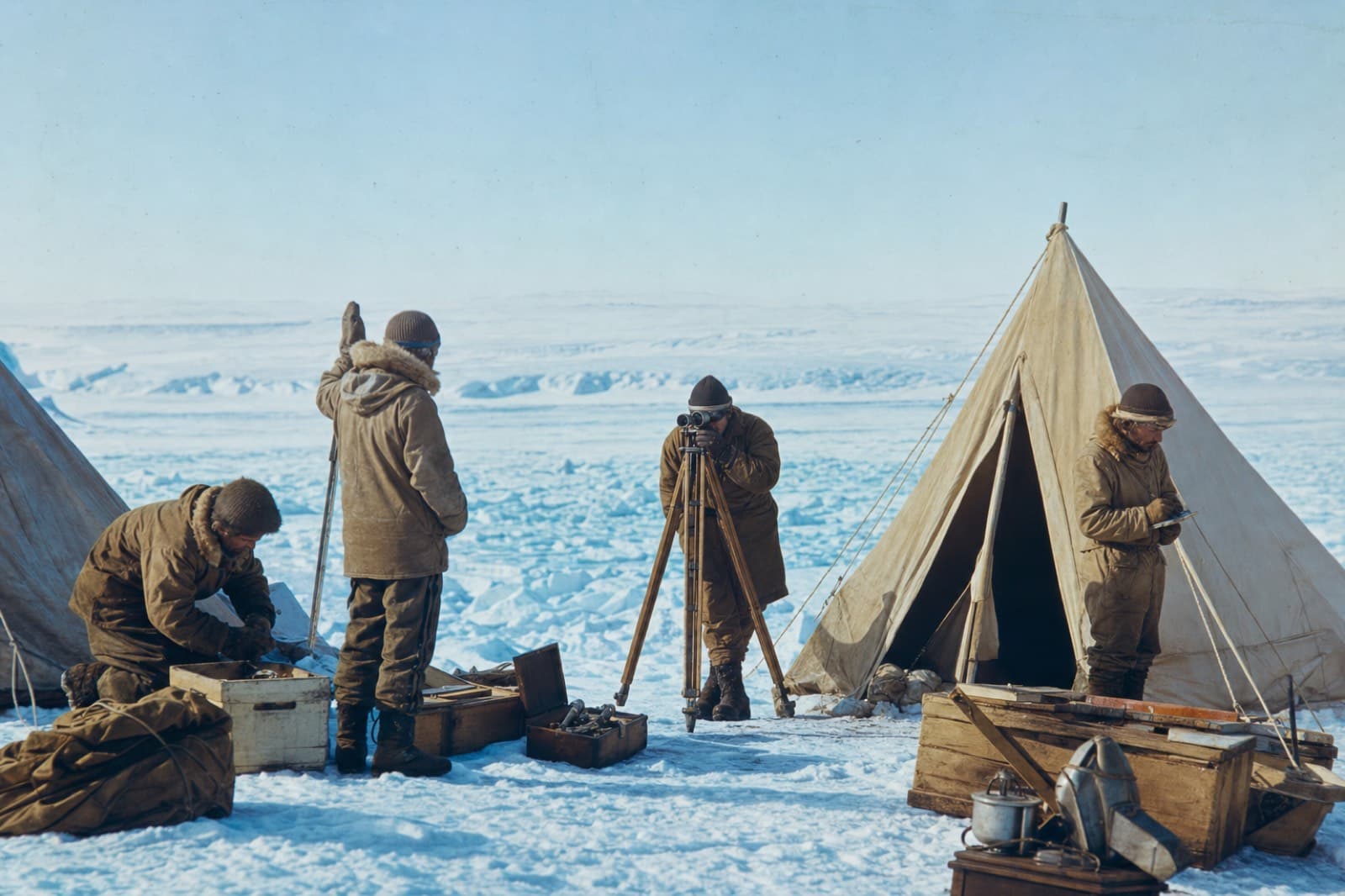
fragmentaryAt the Mountains of Madness
Antarctic Expedition Log
The Miskatonic Antarctic Expedition's discovery of Elder Thing ruins and the shoggoth-haunted history beneath the ice - the report Professor Dyer suppressed so that no plane would fly south again.
Continue reading

Field Dispatch
Where to Start Reading H. P. Lovecraft
A curated entry path through Lovecraft's best short stories - from The Call of Cthulhu to gentler Dream Cycle tales - with links to full archive records.
Read dispatch →

Field Dispatch
Best Lovecraft Book Editions & Collections
Compare annotated Lovecraft editions, Folio Society volumes, Penguin collections, and complete fiction sets for collectors and first-time readers.
Read dispatch →