

Innsmouth
Decaying Port on the Manuxet
A fish-smelling coastal town whose inhabitants bear an unsettling familial resemblance and who look seaward with too much devotion, a place the government raided and the sea has not yet finished claiming.
That town must have been an unusually silent place. Everybody seemed afraid to talk.
R. Olmstead, sealed testimony, 1927
Overview
Innsmouth lies on the Manuxet where it meets the Atlantic, a port that was dying before the Marsh family taught it how to survive on terms no Christian soul should accept. The smell hits you first: fish, brine, and something underneath, sweet and corrupt, that clings to clothing for days. The faces hit you second: the flat nose, the bulging eyes, the skin that does not tan, the way neighbours resemble one another across lines that ought to divide families.
The Federal raid of 1927 destroyed the Esoteric Order's hall and interned hundreds. It did not empty the reef. It did not seal Y'ha-nthlei. Innsmouth still waits, and the tide is patient.
Description
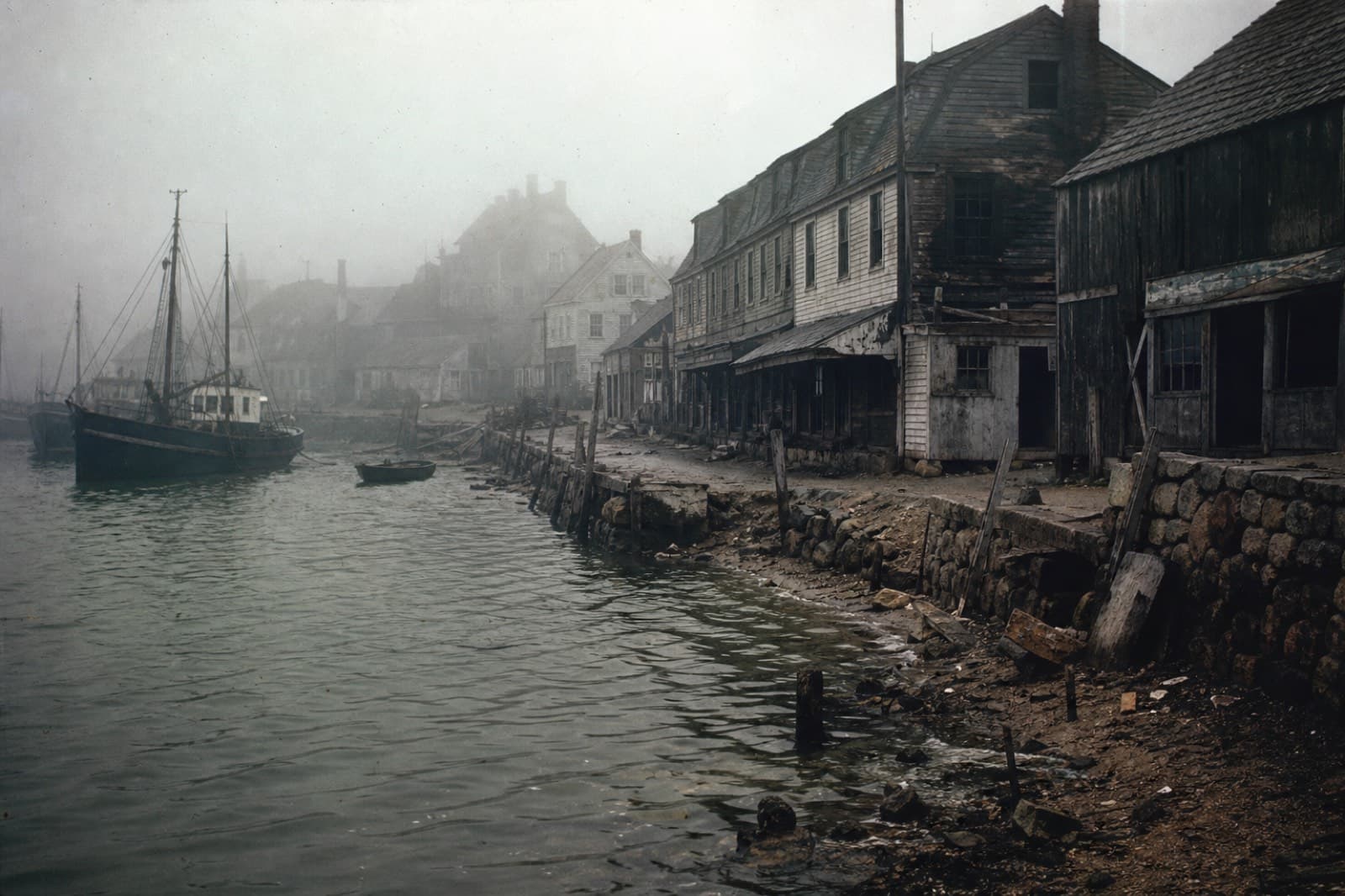
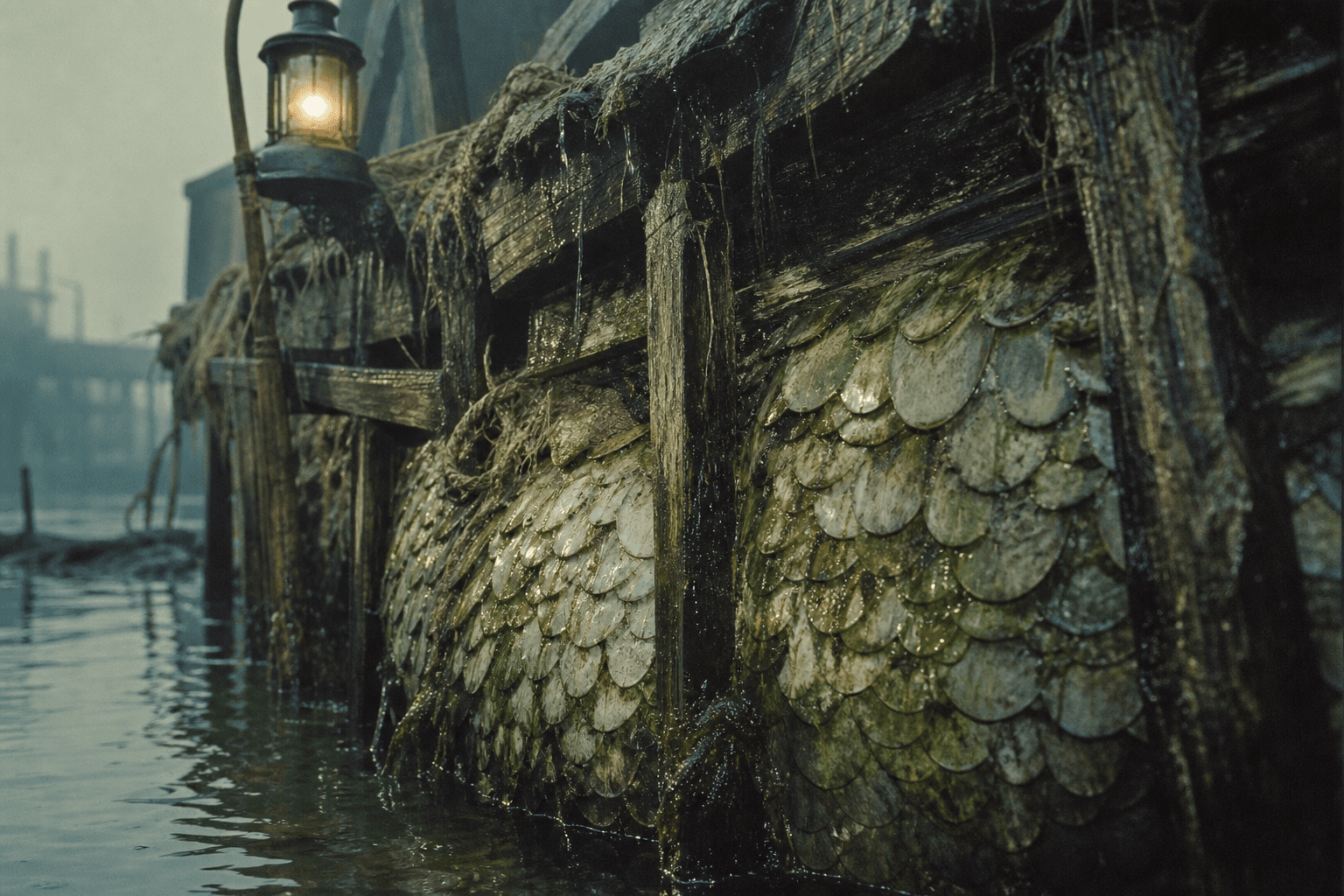
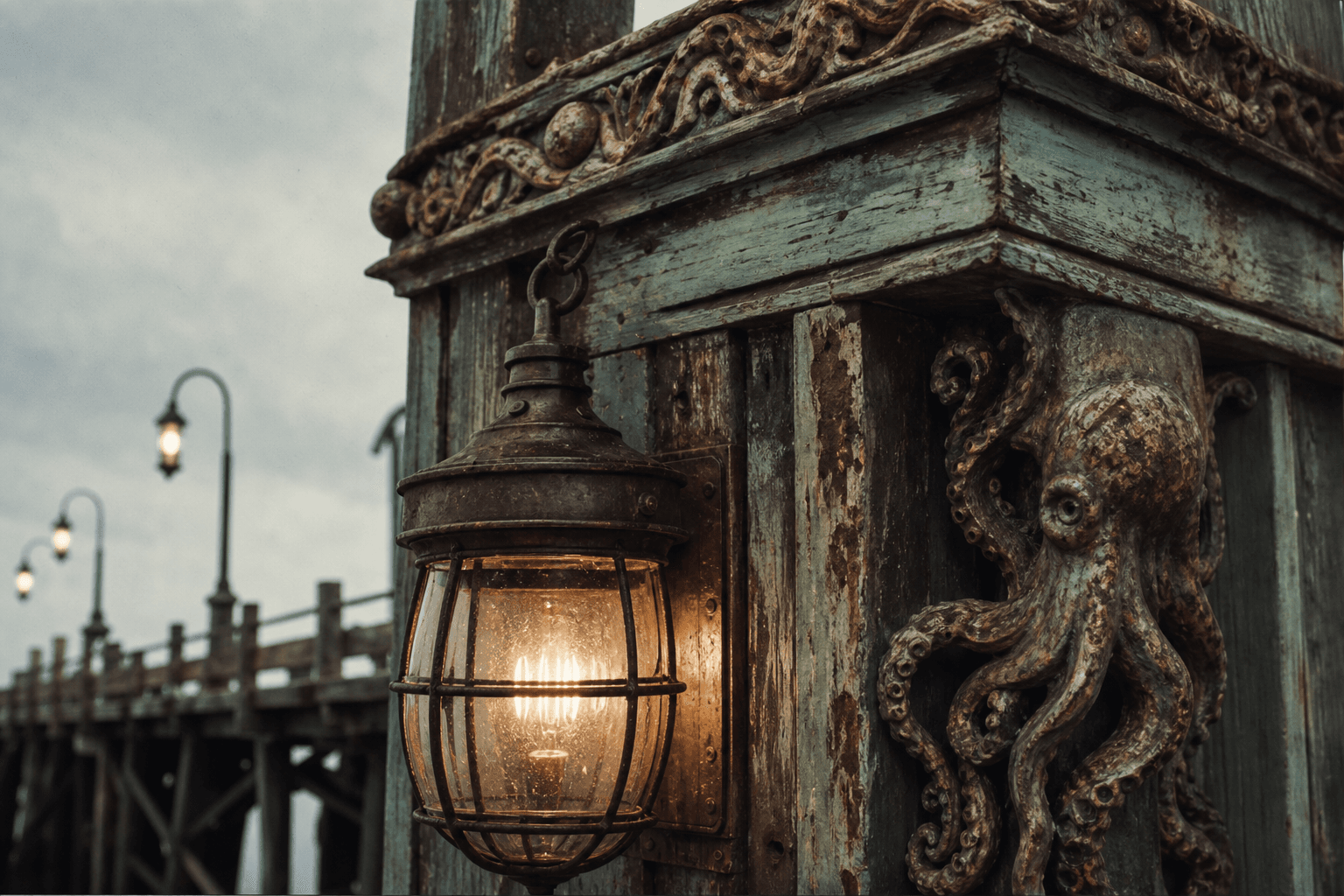
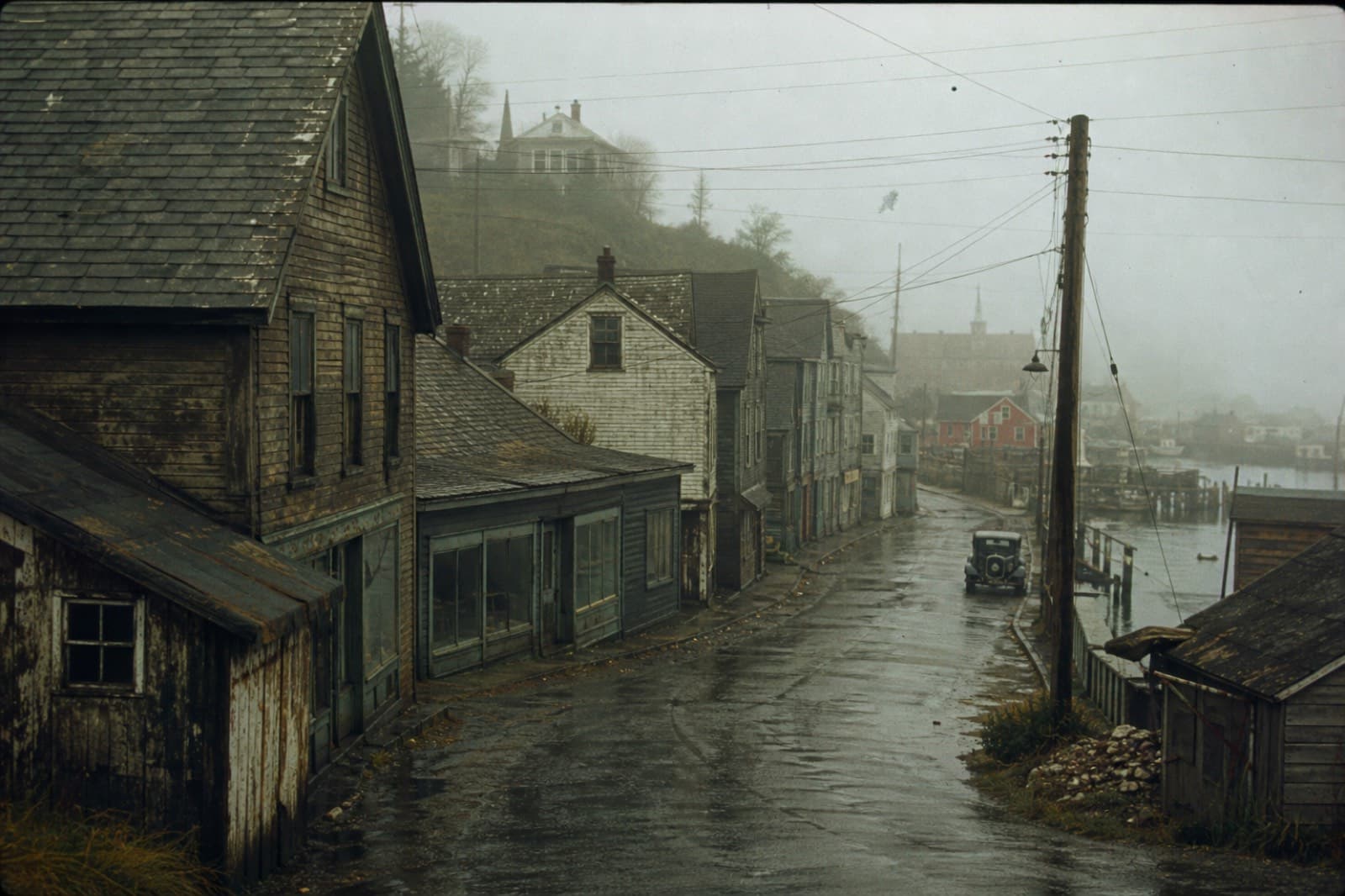
The waterfront is a ruin of rotting wharves and buildings that lean toward the water as though listening. The Marsh refinery, gold-backed, ill-maintained, dominates the industrial quarter; its stacks belch smoke that residents claim smells wrong on certain nights. The Order's meeting-house stood on New Church Green until the soldiers came; the gold tiara and the Dagon idol were seized and vanished into government vaults whose location the archive has not confirmed.
Inland, streets climb toward half-deserted neighbourhoods where doors are barred and windows curtained. The Gilman House still offers rooms to strangers who do not know the local custom of locking their doors from inside and outside both. The bus out of town runs on a schedule that seems designed to discourage departure after dark.
Historical Record
Captain Obed Marsh returned from the Pacific in 1827 with new doctrines and new partners. By 1845 the Esoteric Order of Dagon was formalized; by 1846 the town's decaying majority tolerated what the churches could not. The 1846 raid by militia and citizens broke the Order publicly but not privately, the Deep Ones had already bred into Marsh bloodlines and spread through trade and marriage to half the population.
Robert Olmstead's escape in 1927 triggered the second catastrophe: torpedoes, internment camps, and official denial that anything but bootlegging and cult violence had occurred. The archive holds his testimony. The public holds a silence almost as complete as Innsmouth's own.
Archive Notes
Travel to Innsmouth is discouraged without armed escort and marine liaison. Do not swim. Do not accept gold. Do not attend services in buildings that face the sea. Personnel exhibiting the 'Innsmouth look' after extended residence are to be evaluated medically and metaphysically. The town is not a museum of horror; it is an active breeding ground. Treat it accordingly.
Evidence 01
Evidence 02
Citation: Miskatonic Expedition Archive. Record LOC-003. Access subject to institutional review.
Related Records
Cross-References
CR-003
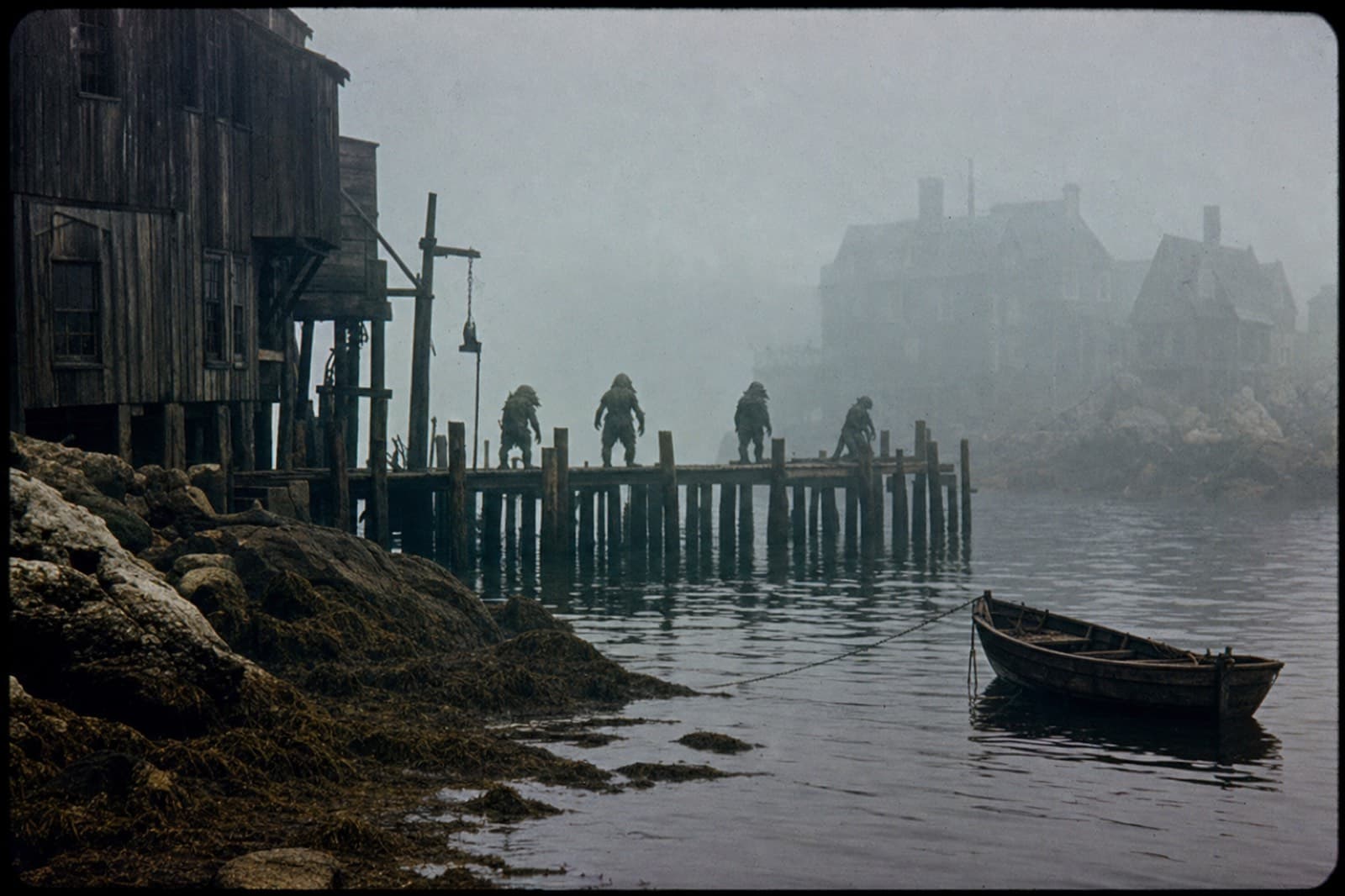
activeDeep Ones
Amphibious Servitors of the Sea
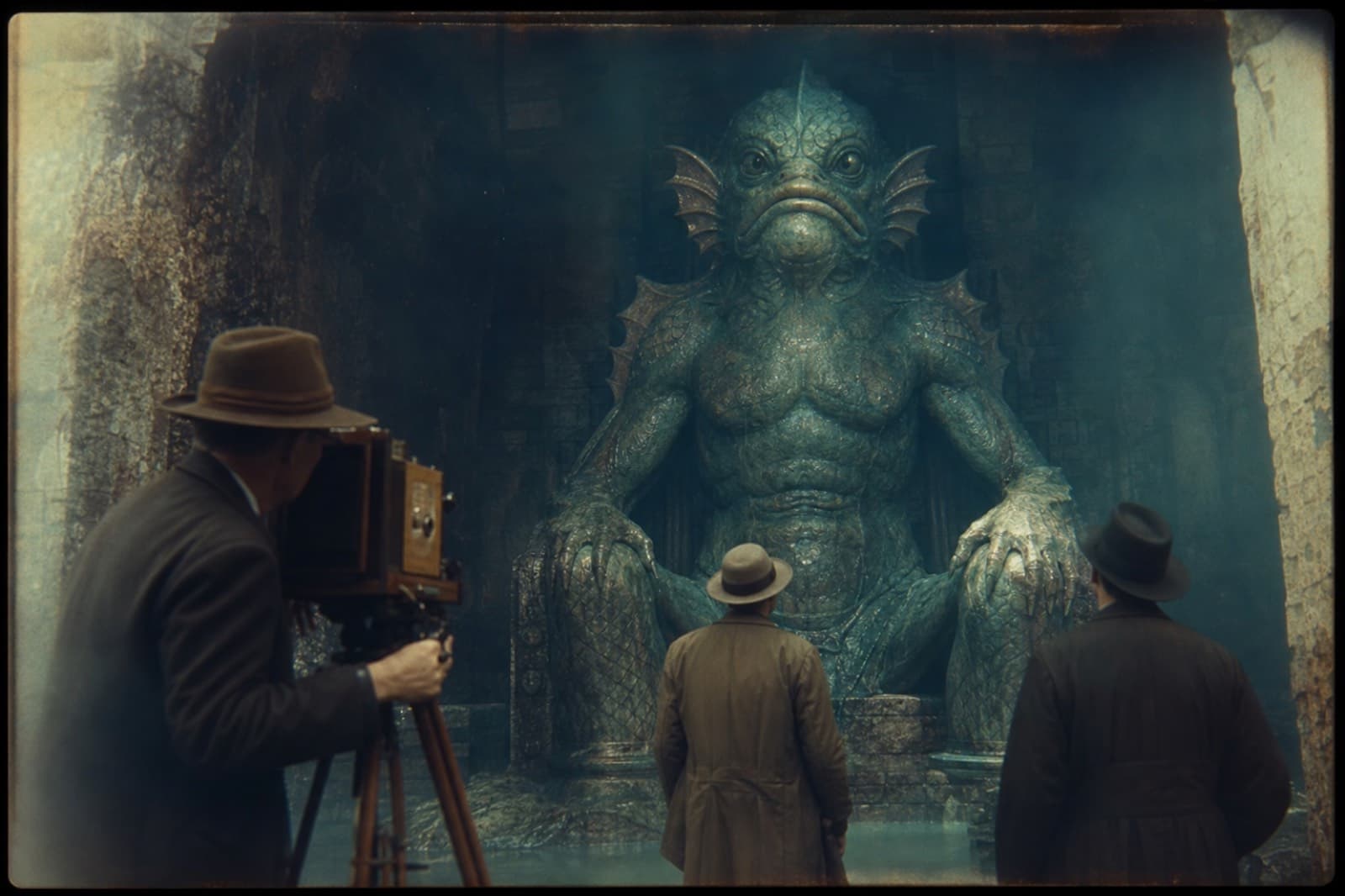
Fish-frog humanoids inhabiting undersea cities, capable of interbreeding with humanity over generations until the sea claims its own.
GOO-002
activeDagon
Patron of the Deep Ones
An ancient sea deity venerated by amphibious peoples along the Atlantic coast, a colossal father of the deep whose pacts with mankind trade land for immortality of a terrible kind.
STY-003
activeThe Shadow over Innsmouth
Coastal Investigation - 1927
An undercover inquiry into Innsmouth reveals the Deep One pact and a transformation that waits in the blood - the story that explains why some coastal families do not die, they depart.