Research Guide
The Cthulhu Mythos
A shared fictional cosmology of sleeping gods, alien histories, and forbidden books - begun by Lovecraft and expanded by Derleth, Smith, and generations of writers since.
What is the Cthulhu Mythos?
The Cthulhu Mythos is not a single book or a licensed franchise - it is a network of stories, entities, and texts that share names, geography, and metaphysics. Lovecraft coined no such label; August Derleth popularized the term after Lovecraft's death when Arkham House collected and extended the fiction. In archive terminology, mythos fiction is any narrative that references Great Old Ones, the Necronomicon, Miskatonic University, or the New England towns of Arkham, Innsmouth, and Dunwich as a coherent hidden history.
What counts as mythos fiction
Readers searching cthulhu mythos often want a checklist: The Call of Cthulhu (/archive/the-call-of-cthulhu) is the usual gateway; The Dunwich Horror and The Whisperer in Darkness expand terrestrial cults; At the Mountains of Madness expands deep time. Not every Lovecraft story is mythos-heavy - The Cats of Ulthar lives nearer the Dream Cycle - but names bleed across modes. This hub links dossiers; it does not duplicate their full text.
Lovecraft core vs. posthumous expansion
Treat Derleth, Clark Ashton Smith, and modern anthologies as commentary, homage, or divergence unless you are studying reception history. Our Literary Circle dispatch explains taxonomy debates - elemental oppositions, "good vs. evil" palettes - that soften Lovecraft's cosmic indifference. Read critically: the mythos you meet in games may not be the mythos in 1928–1936 magazines.
Taxonomy for newcomers
Mythos fiction references Great Old Ones, the Necronomicon, Miskatonic University, or Arkham-country towns as shared hidden history - not every Lovecraft story qualifies.
Pillars of the mythos
Four elements recur often enough to structure research. First, Great Old Ones and Outer Gods - beings such as Cthulhu (/archive/cthulhu), Yog-Sothoth (/archive/yog-sothoth), and Azathoth (/archive/azathoth) - dormant or indifferent on scales that dwarf human ethics. Second, forbidden tomes, especially the Necronomicon (/archive/necronomicon), whose pages corrode sanity. Third, non-human species and hybrids: Deep Ones, Mi-Go, Shoggoths, Elder Things. Fourth, human cults and scholars who mistake contact for enlightenment.
Gods, books, species, and cults
Each pillar has dedicated archive records with incident cross-links. Deep Ones Explained treats Innsmouth biology and Order of Dagon politics; Necronomicon guide treats grimoire lore across authors. This hub maps pillars to slugs so you can build a mythos reading path without treating Wikipedia as primary source.
Geography as hidden history
Arkham, Innsmouth, and Dunwich are not backdrop - they are evidence of long-term infiltration. See Arkham, Massachusetts for Lovecraft Country cartography. Bold keywords - Great Old Ones, forbidden knowledge, Miskatonic, cult - should resolve to dossiers like /archive/necronomicon and /archive/yog-sothoth, not spoiler dumps on hub pages.
Mi-Go and Antarctic infrastructure
The Whisperer in Darkness (/archive/the-whisperer-in-darkness) extends species horror to rural conspiracy; At the Mountains of Madness extends deep time to Elder Things and Shoggoths. Pillars recur as evidence types in later stories - when a reader forgets whether Mi-Go belong to Vermont or the stars, use /archive/arkham incident lists and /cthulhu-mythos entity indexes instead of forum threads.
Mythos reading path
Begin with The Call of Cthulhu for the global framework - cult structure, art objects, Pacific dreams - then The Shadow over Innsmouth and The Dunwich Horror for terrestrial breeding projects and family catastrophe. At the Mountains of Madness (/archive/at-the-mountains-of-madness) adds Antarctic deep time; The Case of Charles Dexter Ward adds necromancy and Yog-Sothoth; The Whisperer in Darkness introduces Mi-Go and rural conspiracy at novella length.
Short path vs. scholar path
Short path (under two weeks): gateway story, one Innsmouth tale, one Dunwich tale, then entity dossiers linked from this hub. Scholar path: publication-order pass using Complete Reading Order, then letters and Supernatural Horror in Literature for aesthetic theory. Both paths should end back in primary texts - summaries age; prose does not.
After Lovecraft: expansion and games
For post-Lovecraft fiction, consult Literary Circle and Modern Lovecraftian Horror. Tabletop games often simplify cults into combat fodder; restore transactional horror by rereading /archive/the-shadow-over-innsmouth alongside /archive/deep-ones. Return to /cthulhu-mythos when you forget which god belongs to which coast.
Necromancy and ward fiction
The Case of Charles Dexter Ward (/archive/the-case-of-charles-dexter-ward) rewards readers who tolerate long plots and necromantic genealogy. Place it after Innsmouth and Dunwich unless your syllabus prioritizes Yog-Sothoth early; finish with /archive/necronomicon so forbidden books feel like infrastructure, not props.
Pacific and Antarctic capstones
After terrestrial New England, add At the Mountains of Madness for deep time and The Call of Cthulhu for global cult structure - both anchor /cthulhu-mythos entity pages students will reuse in papers. Short path readers can stop after those capstones; scholar path readers should consult Complete Lovecraft Reading Order for publication-order nuance.
Archive Records
Primary Sources
Canonical dossiers for this topic. Read these for plot detail, entities, and cross-references—not the hub summary above.
GOO-001
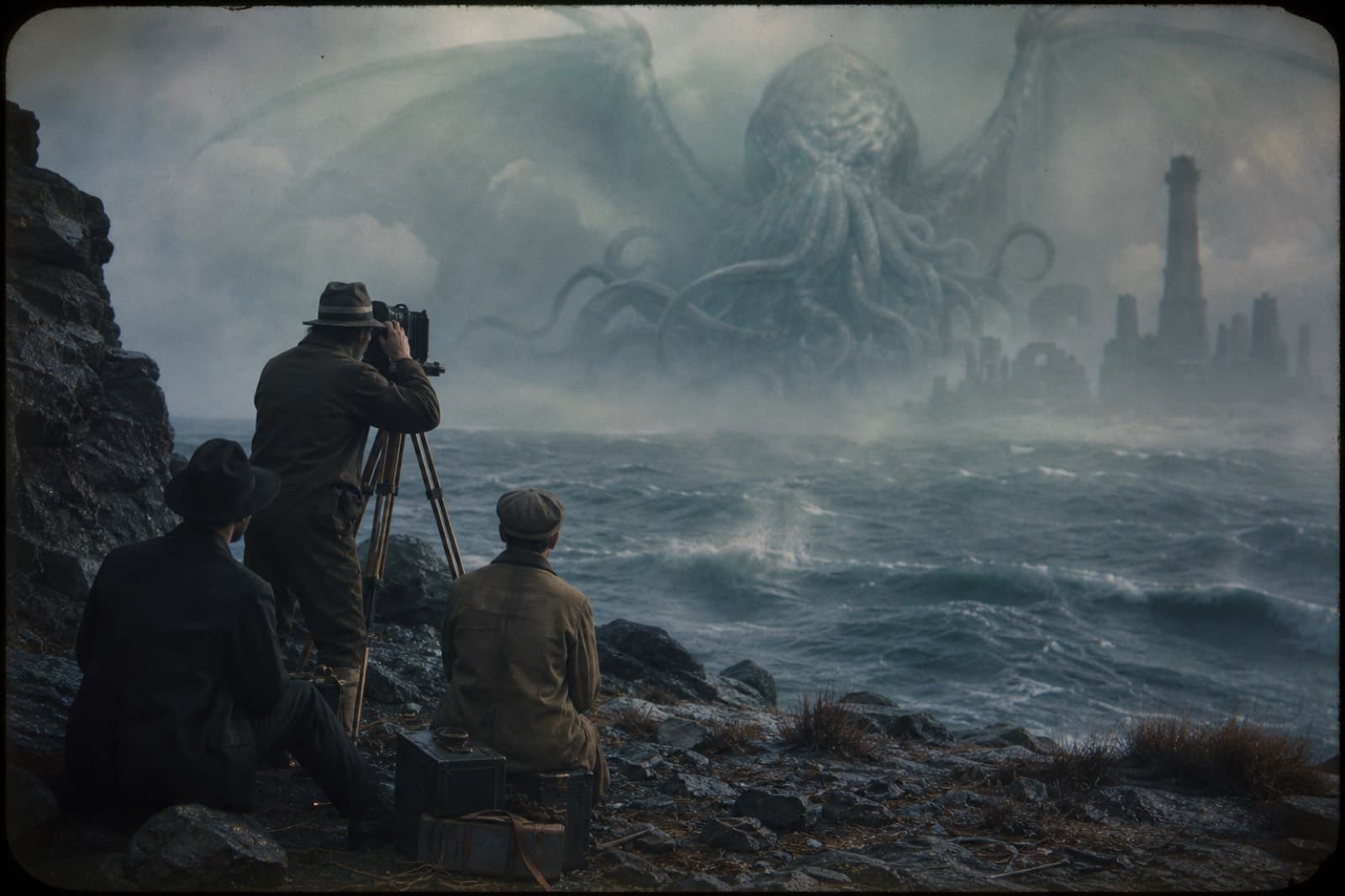
dormantCthulhu
High Priest of the Great Old Ones
A colossal entity of draconic and cephalopodic aspect, dreaming in death-like slumber beneath the Pacific until the stars align, and when they do, the world will know madness again.
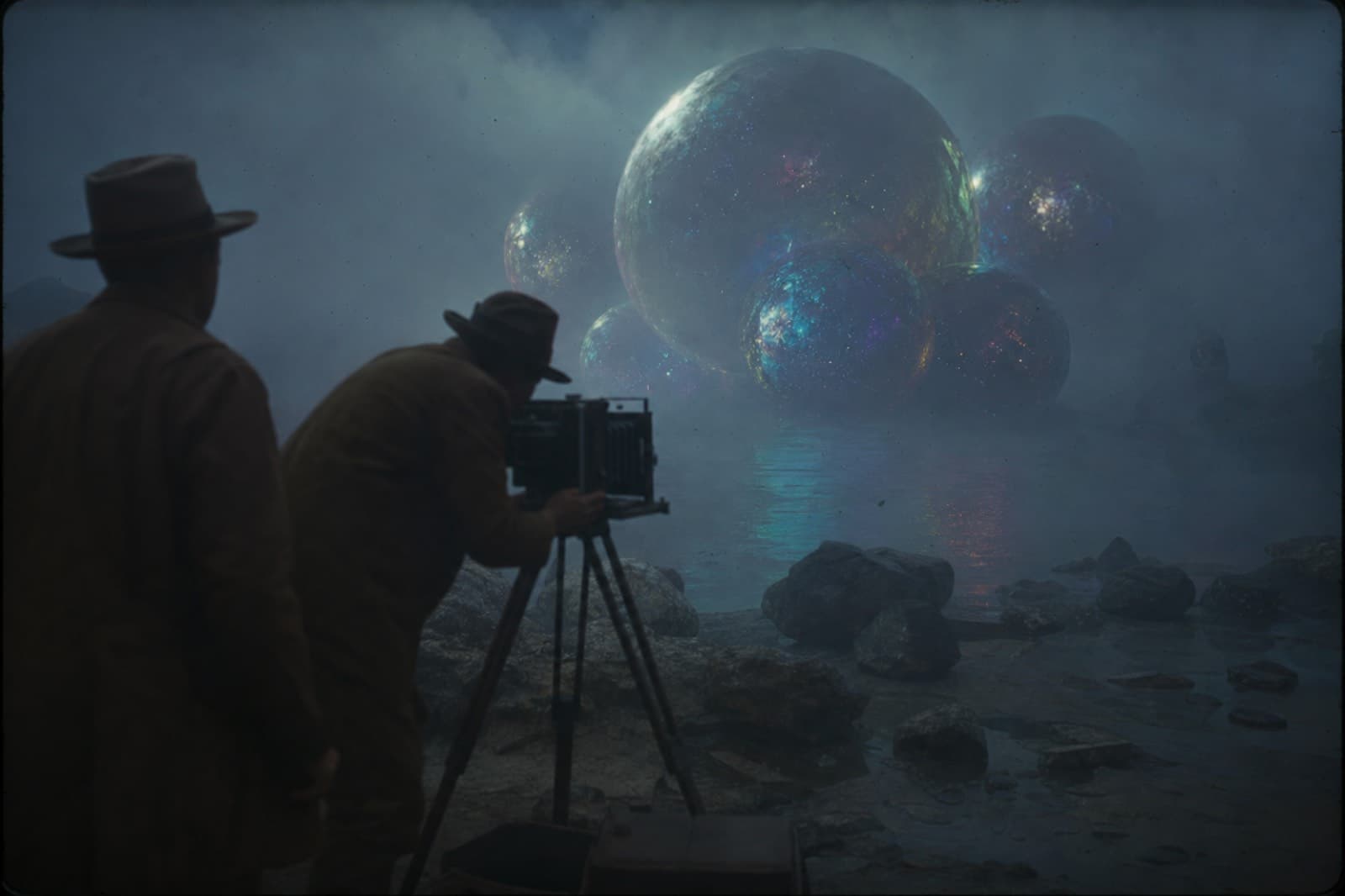
OG-002
activeYog-Sothoth
The Key and the Gate
A congeries of iridescent spheres existing coterminously with all space and time, the threshold through which other powers enter, and the knower of all that was and is and shall be.
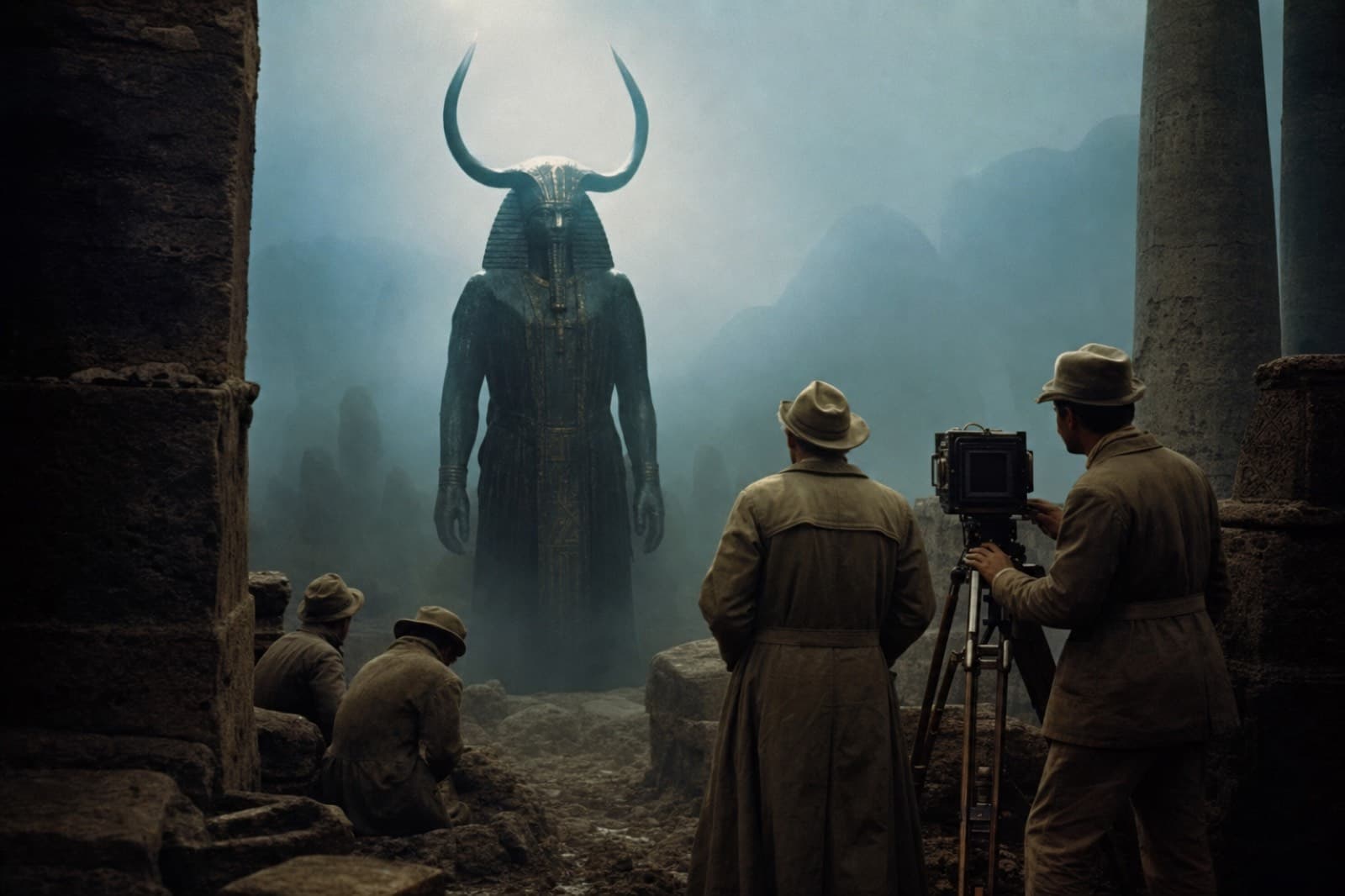
OG-003
activeNyarlathotep
The Crawling Chaos
A protean messenger who walks among humanity in countless guises, sowing madness and progress alike, the one Outer God who seems to enjoy our suffering.
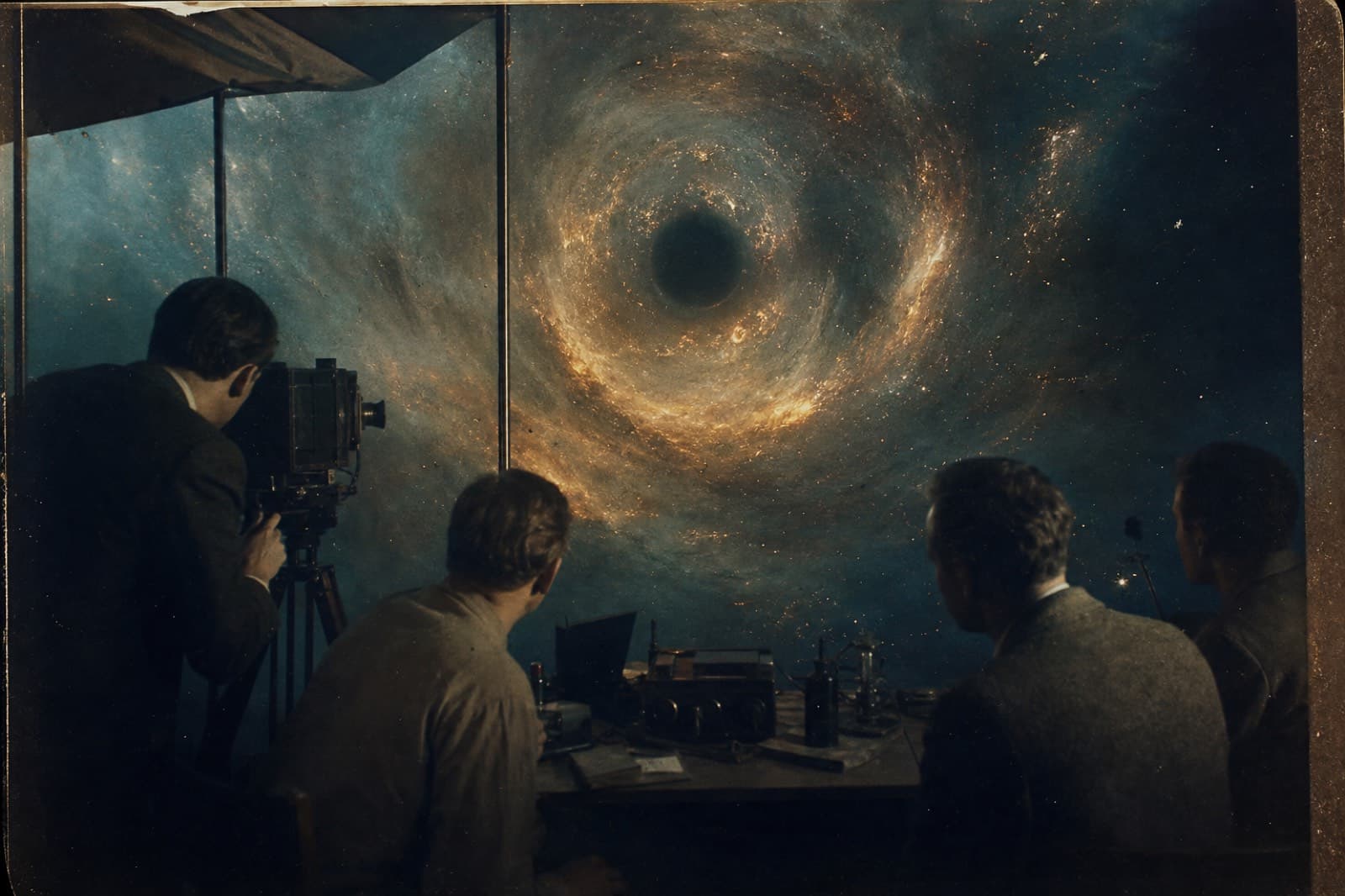
OG-001
activeAzathoth
The Blind Idiot God
A mindless nuclear chaos at the center of infinity, attended by piping flutes that must never cease, lest the dreamer wake, and all that is end.

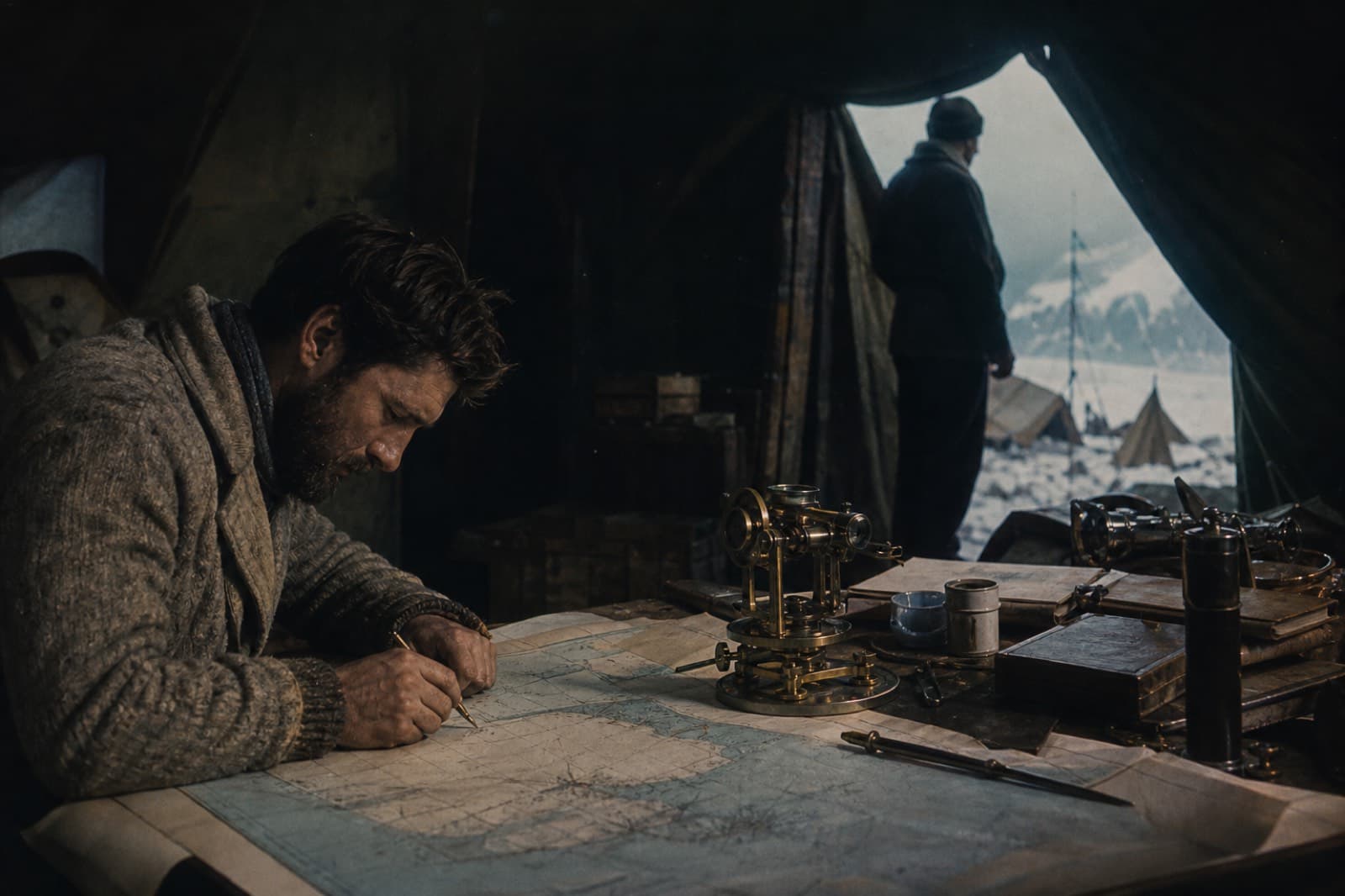
TOM-001
fragmentaryNecronomicon
Al Azif, Book of Dead Names
The most infamous grimoire of the mythos, an Arabic manuscript of rituals, histories, and formulae that erode the sanity of readers and have never been wholly suppressed, only scattered.
STY-001
activeThe Call of Cthulhu
Incident Record - 1925
A global wave of dreams, cult activity, and the brief emergence of R'lyeh documented through fragmented testimony - the case that proved the mythos was not regional but planetary.
Field Dispatches
Related Briefings

Field Dispatch
The Necronomicon - Books vs. Mythos Lore
The Simon Necronomicon, commemorative editions, and Lovecraft's fictional grimoire - what's real, what's mythos, and archive lore.
Read dispatch →
Field Dispatch
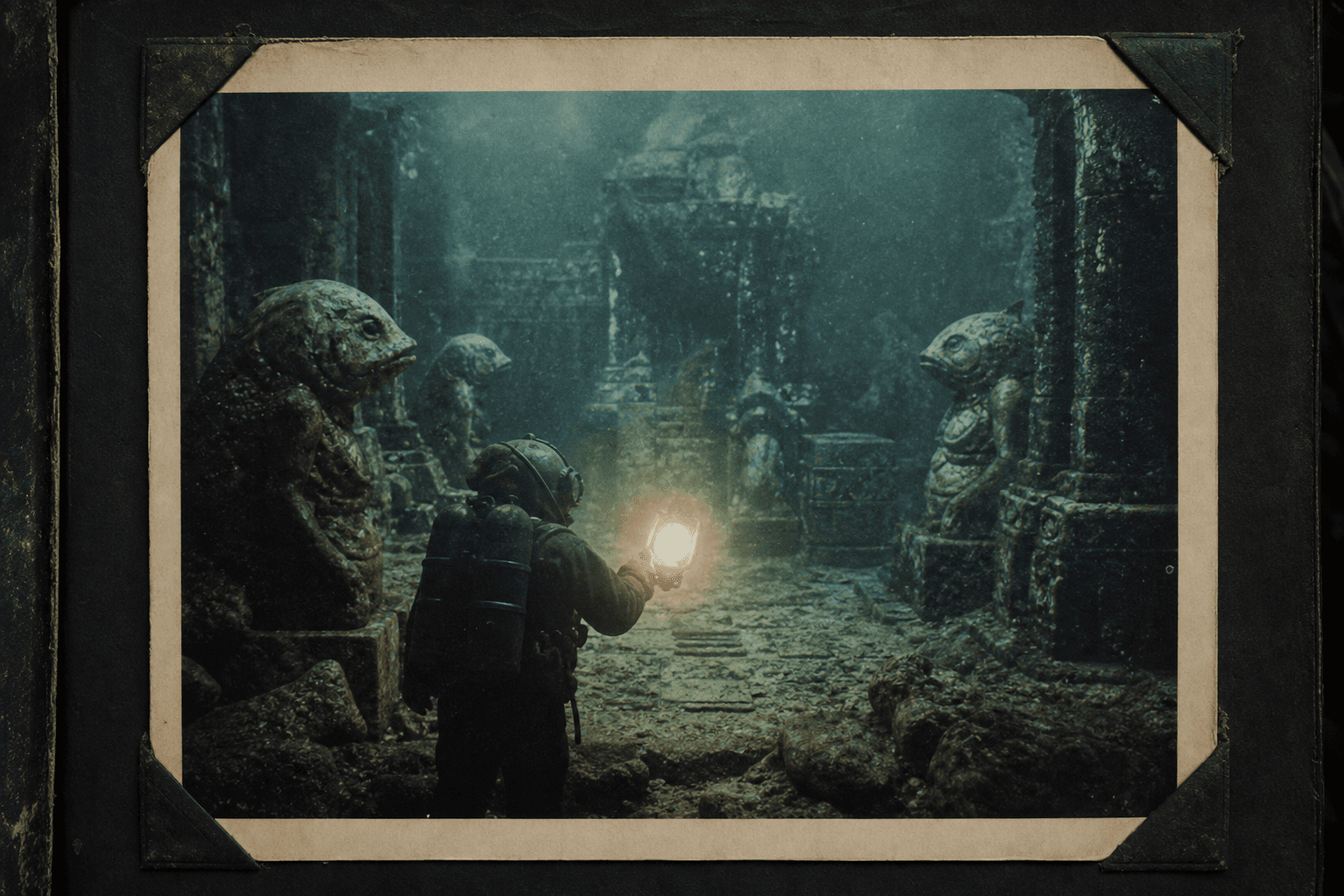
Deep Ones - Biology, Cults & Innsmouth
What are the Deep Ones? Hybrid biology, Dagon, the Esoteric Order of Dagon, and their role in The Shadow over Innsmouth.
Read dispatch →
Guide CTHULHU-MYTHOS · Keyword focus: cthulhu mythos