


Research Guide
Randolph Carter
Lovecraft's recurring witness - a dreamer who survives contact with the underworld, the gods, and the limits of his own identity.
Who is Randolph Carter?
Randolph Carter appears across Lovecraft's Dream Cycle and early fiction as a thinly veiled alter ego: a writer and dreamer from Boston who encounters ghouls, swears friendship with Harley Warren in a charnel vault, and eventually seeks Kadath on a quest no waking map can chart. He is classified in the archive under human characters with cross-links to every Carter-titled story record.
Carter as Lovecraft's witness
Unlike anonymous New England narrators, Carter accumulates biography - childhood, friendship, marriage strains, artistic ambition. That continuity makes him the control case for how Lovecraft reused a protagonist when most pulp heroes reset each issue. Search randolph carter lovecraft for character studies; search archive slugs for plot.
Statement, Key, Quest, Gates
The Statement of Randolph Carter (/archive/the-statement-of-randolph-carter) is short, grim, and Persephone-myth flavored; The Silver Key (/archive/the-silver-key) is nostalgic; The Dream-Quest (/archive/the-dream-quest-of-unknown-kadath) is epic; Through the Gates of the Silver Key (/archive/through-the-gates-of-the-silver-key) collaborates with E. Hoffmann Price for cosmic identity collapse. Read in that order for emotional escalation.
Carter as alter ego without autobiography
Lovecraft denied simple self-insert readings, but Carter's Boston nostalgia and artist ambitions rhyme with author letters - use Lovecraft biography for context, /archive/randolph-carter for fiction. Bold keyword randolph carter lovecraft should land on order here and plot in story records.
Carter vs. anonymous narrators
Most Arkham-country tales use unnamed witnesses; Carter gives Lovecraft a longitudinal protagonist for Dream Cycle experiments - compare both modes on /cthulhu-mythos when students ask why some stories feel personal and others clinical.
Stories in order
A sensible Carter path respects length and spoiler cascade. Start with The Statement for underworld voice and friendship horror; continue with The Silver Key for adulthood's trap; undertake The Dream-Quest when you can sustain novel-length wonder; finish with Through the Gates when you are ready for identity to dissolve entirely.
Reading Carter in order
Each title has its own incident or narrative record - read them there for plot detail; this hub only sequences them. Link forward to Dream Cycle for geography; link backward to /cosmic-horror for what waits when the silver key turns too far.
Cross-links to Pickman and ghouls
Pickman's Model (/archive/pickmans-model) and Dream Cycle ghoul alliances rhyme: underworld as literal place, not metaphor. Carter's arc helps readers who found Pickman too bleak discover wonder in the same author.
Length warnings for syllabi
The Dream-Quest is novel-length - pair with Dream Cycle geography so students do not get lost in Zoog episodes without map discipline. Through the Gates belongs after Kadath because identity dissolution only hurts if readers already care about Carter.
Harley Warren and friendship horror
The Statement of Randolph Carter is also friendship horror - Warren and Carter in a charnel vault - so the Carter path begins with loss, not wonder. Link /archive/the-statement-of-randolph-carter before Silver Key nostalgia so emotional arc has a floor as well as a ceiling. /dream-cycle supplies geography once character order is set.
Why Carter matters
Carter proves Lovecraft could write sympathy as well as annihilation. The Dream-Quest is among his most rereadable works because wonder balances dread - moon-beasts menace, but Ulthar and ghoul friendship delight. For researchers tracking protagonist reuse, Carter is the longitudinal study; for newcomers, Carter is the emotional bridge into weirder mythos fiction.
Wonder as on-ramp to mythos
After Carter, readers often tolerate Innsmouth and Antarctic novellas better because they have seen Lovecraft care about a character's inner life. Route them to /cthulhu-mythos with that confidence - not every mythos tale has Carter's warmth, but readers will know the author can provide it.
Archive discipline
Do not treat fan sequels or RPG PCs named Carter as canon. /archive/randolph-carter remains the character authority; story records hold spoilers. Italic titles in notes and syllabi reduce confusion when students skim without reading full dossiers.
Bridge from Carter to mythos
After Carter, assign The Shadow over Innsmouth or The Dunwich Horror - readers who trust Lovecraft's sympathy tolerate revulsion better. Route to /cthulhu-mythos with that confidence; not every mythos tale is warm, but students will know the author can be.
Identity collapse as capstone theme
Through the Gates of the Silver Key collaborates with E. Hoffmann Price to push identity past dream travel - teach it as philosophy horror, not dungeon fantasy. /archive/through-the-gates-of-the-silver-key holds spoilers; this hub holds sequence. Pair with /cosmic-horror when selfhood is the course theme.
Archive Records
Primary Sources
Canonical dossiers for this topic. Read these for plot detail, entities, and cross-references—not the hub summary above.
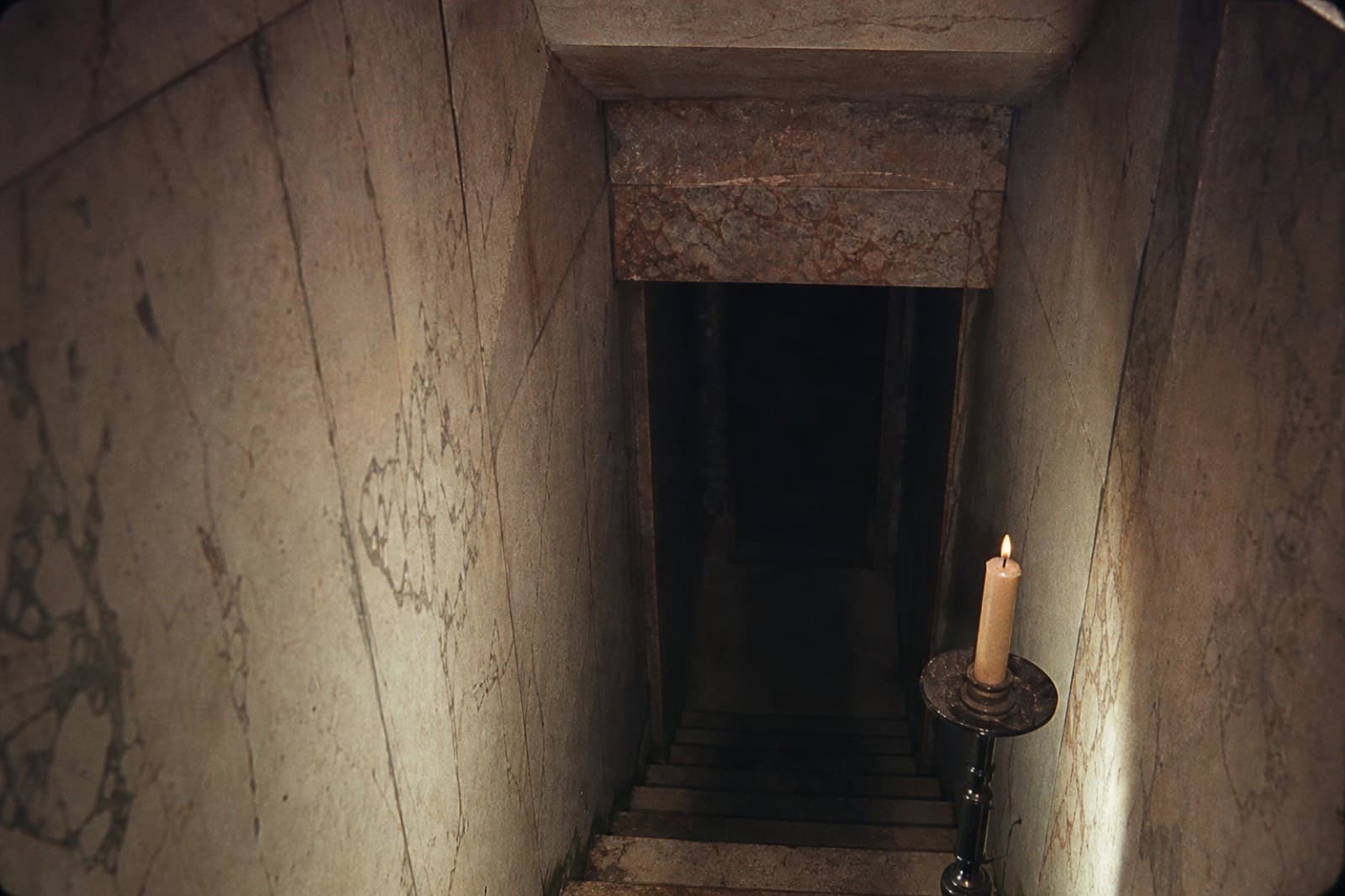
STY-124
activeThe Statement of Randolph Carter
Boston Cemetery - 1919
Randolph Carter and Harley Warren descend an unmarked tomb with a forbidden book; Warren screams and Carter alone emerges - swearing his friend was taken by something that spoke from within.
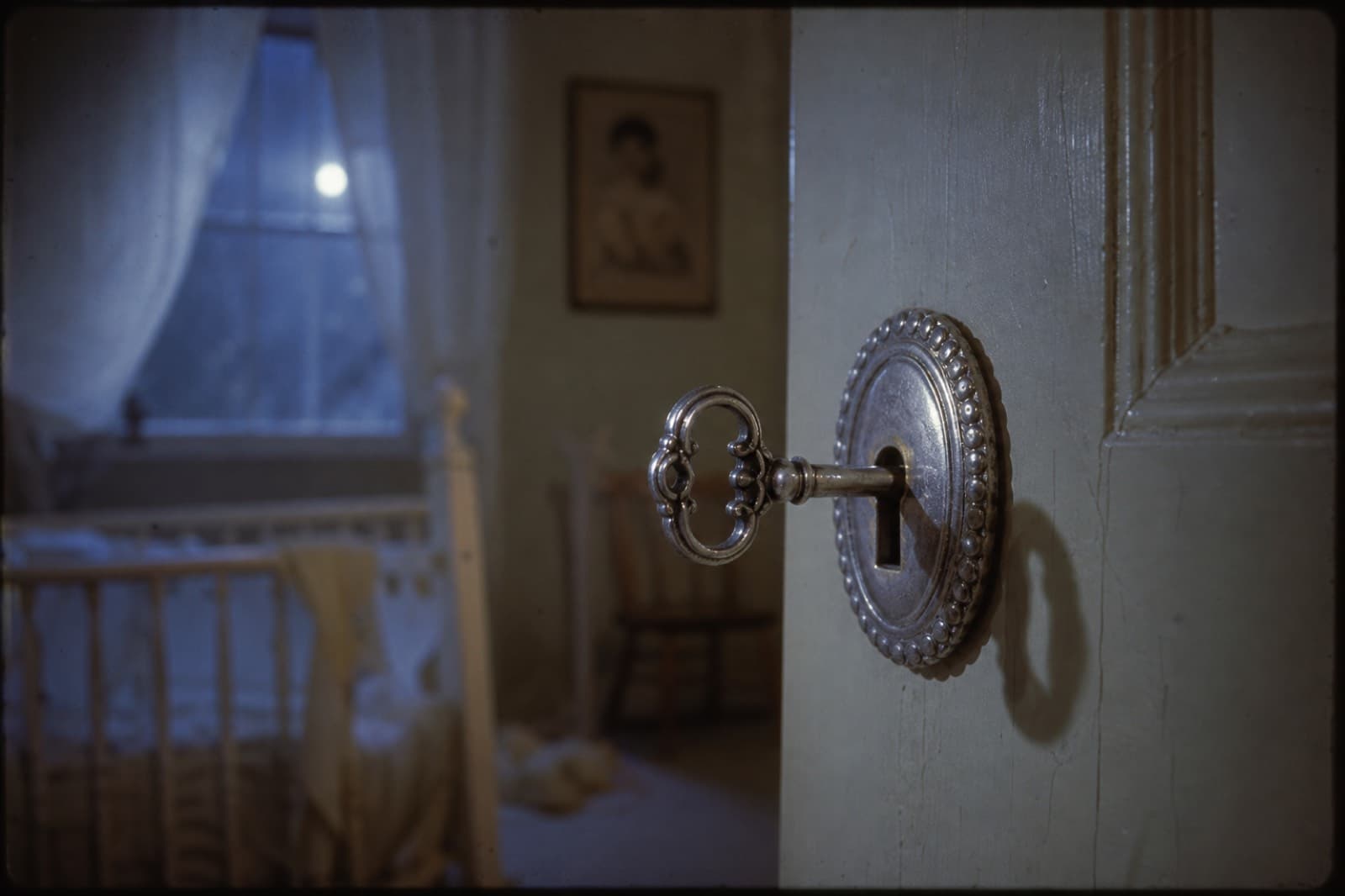
STY-115
activeThe Silver Key
Arkham Youth - 1896–1928
Randolph Carter finds a silver key in dreams and childhood - doorway to the Dreamlands and to ages he has lived before the world grew cruel and literal.

STY-116
activeThrough the Gates of the Silver Key
Yaddith and Beyond - 1929–1934
Carter's silver key opens Yog-Sothoth's gate; his mind rides alien bodies across time while a lawyer's body is left empty in a cave - identity dissolves where the Ultimate Gate stands.
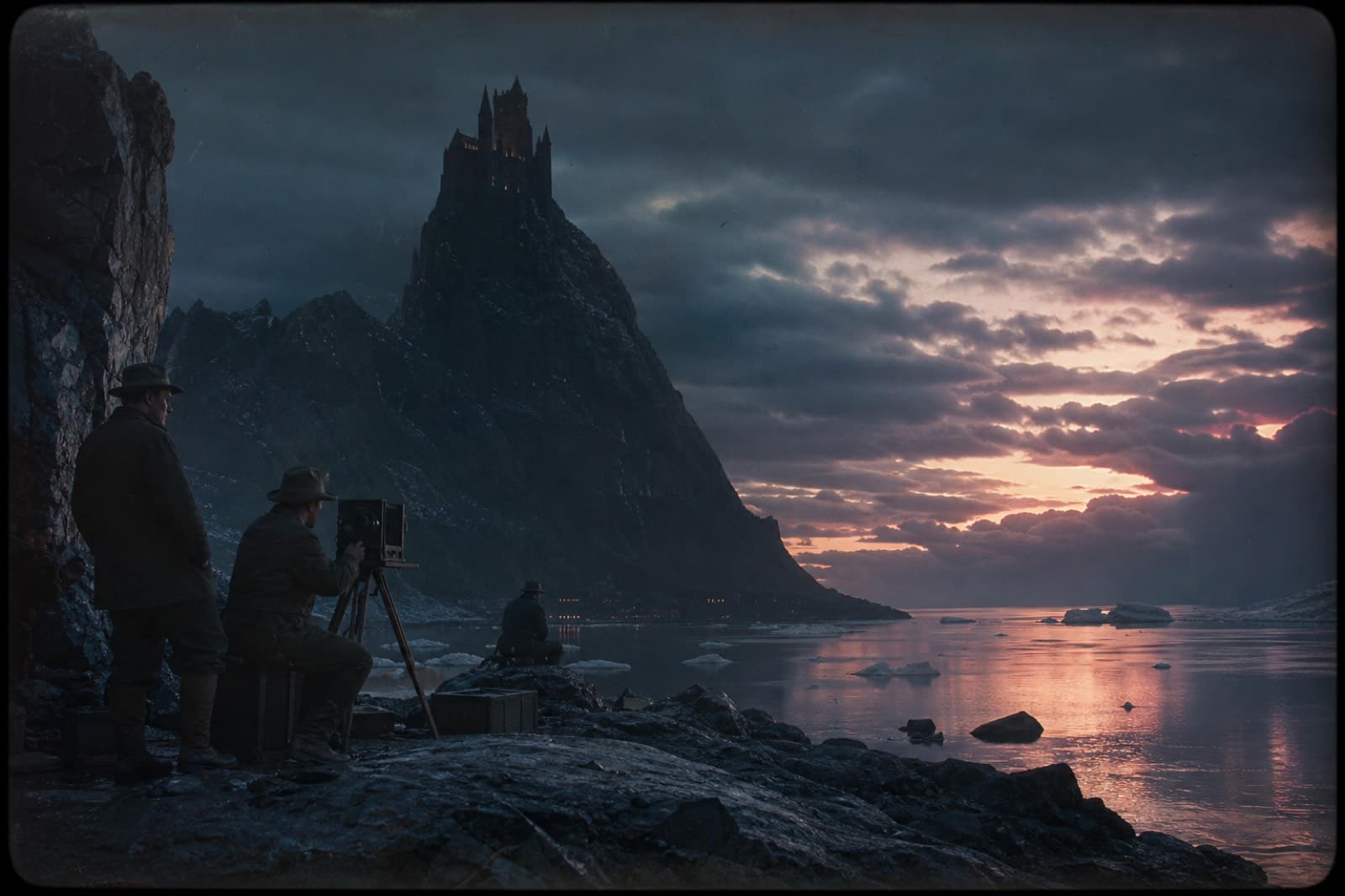
STY-106
activeThe Dream-Quest of Unknown Kadath
Oneiric Expedition - 1926–1927
Randolph Carter crosses the Dreamlands toward Kadath-on-the-Cold-Waste - through zoogs, ghouls, night-gaunts, and the gods who hide the sunset city he cannot name awake.
Guide RANDOLPH-CARTER · Keyword focus: randolph carter lovecraft