


Research Guide
Cosmic Horror
Horror that does not ask who murdered whom, but whether meaning, morality, and the self survive contact with infinity.
Definition
Cosmic horror - sometimes called Lovecraftian horror or cosmicism - is fiction in which the source of fear is not a personal villain but the structure of reality itself. Knowledge is dangerous not because society forbids it, but because the mind cannot integrate what it learns without breaking. The archive's concept record at /archive/cosmic-horror formalizes this as an operational aesthetic: every entity file assumes indifference, not malice, from powers beyond human scale.
Fear of scale, not of murder
Classic ghost stories ask who haunts the house; cosmic horror asks whether the house matters on a geological or stellar timeline. Forbidden knowledge (/archive/forbidden-knowledge) and madness (/archive/madness) appear as symptoms of scale shock - narrators who glimpse truth and lose the scaffolding of selfhood. When readers search cosmic horror definition, give them scale first, monsters second.
Relationship to the Cthulhu Mythos
Not all cosmic horror is mythos fiction - The Colour out of Space terrifies without Cthulhu - but the mythos is the most famous cluster of cosmic horror in English. Use /cthulhu-mythos when names and cults matter; stay on this hub when you are defining mode for classrooms, game design, or literary comparison.
Symptoms of scale shock
Forbidden knowledge and madness often signal scale shock - read /archive/forbidden-knowledge and /archive/madness as concept dossiers, not jump-scare labels.
The Colour out of Space as non-mythos cosmicism
The Colour out of Space (/archive/the-colour-out-of-space) terrifies without Cthulhu names - use it when students need cosmicism before cult vocabulary. Pair with /cosmic-horror for definition, then /cthulhu-mythos when gods enter the syllabus.
Lovecraft's contribution
Lovecraft articulated the mode in stories and in his 1927 essay Supernatural Horror in Literature, where he argued that the oldest fear is fear of the unknown - and that modern science enlarged the unknown rather than shrinking it. His protagonists are often scholars, surveyors, and genealogists: people who look closely and regret it. Cosmic horror is therefore inseparable from epistemology; to read Lovecraft is to read about reading.
Scholarship as a hazard
Miskatonic University (/archive/miskatonic-university) embodies institutional curiosity that becomes weapon or victim. At the Mountains of Madness makes science the vehicle of dread; The Call of Cthulhu makes anthropology the vehicle. Our Supernatural Horror in Literature dispatch unpacks the essay; Where to Start tiers fiction for newcomers.
Materialism and indifferent gods
Lovecraft's materialism matters: gods and species often behave like natural history, not moral parables. That distinction separates Lovecraftian cosmic horror from later good-vs-evil pastiche. Link to Religion & Materialism when teaching whether cults are metaphor or sociology - often both, but text leans sociology.
Antarctic science as cosmic evidence
At the Mountains of Madness makes geology and biology the delivery mechanism for dread - professors who wanted specimens receive deep time instead. Route students from /archive/miskatonic-university to that novella when they ask whether Miskatonic is only a library setting; the answer is expedition science with catastrophic returns.
Beyond Lovecraft
Contemporary authors, games, films, and comics adapt cosmic horror with varying fidelity. The Miskatonic Expedition treats Lovecraft's texts as primary sources and later works as commentary, homage, or divergence - a editorial line that keeps the catalog honest when meme Cthulhu diverges from text Cthulhu.
Modern Lovecraftian horror
See Modern Lovecraftian Horror for Campbell, Ligotti, and successors; see adaptation dispatches for Junji Ito, Gou Tanabe, and board games such as Eldritch Horror. Lovecraftian describes aesthetic inheritance, not public-domain safe or uncritical endorsement of author prejudice.
Using the archive with contemporary works
When a film or game invents a new god or tome, file it under commentary unless it cites Lovecraft by passage. Re-ground in /archive/cthulhu and /cthulhu-mythos; use Field Dispatches instead of unattributed wiki summaries.
Adaptation fidelity checklist
Before assigning a film or manga adaptation, list which archive slugs it cites by name - Cthulhu, Necronomicon, Deep Ones - and which inventions are original. Students who meet cosmic horror only through games often think sanity meters are textual; contrast those mechanics with /archive/madness and /archive/forbidden-knowledge so scale shock stays the lesson, not dice rolls.
Junji Ito, Gou Tanabe, and translation paths
Adaptation dispatches on manga and illustrated editions belong beside primary texts - visual R'lyeh and Innsmouth faces shape memory faster than prose. Re-ground every adaptation week with one archive story read in full: /archive/the-call-of-cthulhu or /archive/the-shadow-over-innsmouth depending on what the adaptation actually uses. Lovecraftian branding on merchandise does not guarantee mythos fidelity; cite passages or label commentary.
Archive Records
Primary Sources
Canonical dossiers for this topic. Read these for plot detail, entities, and cross-references—not the hub summary above.
CON-001
activeCosmic Horror
Philosophical Classification
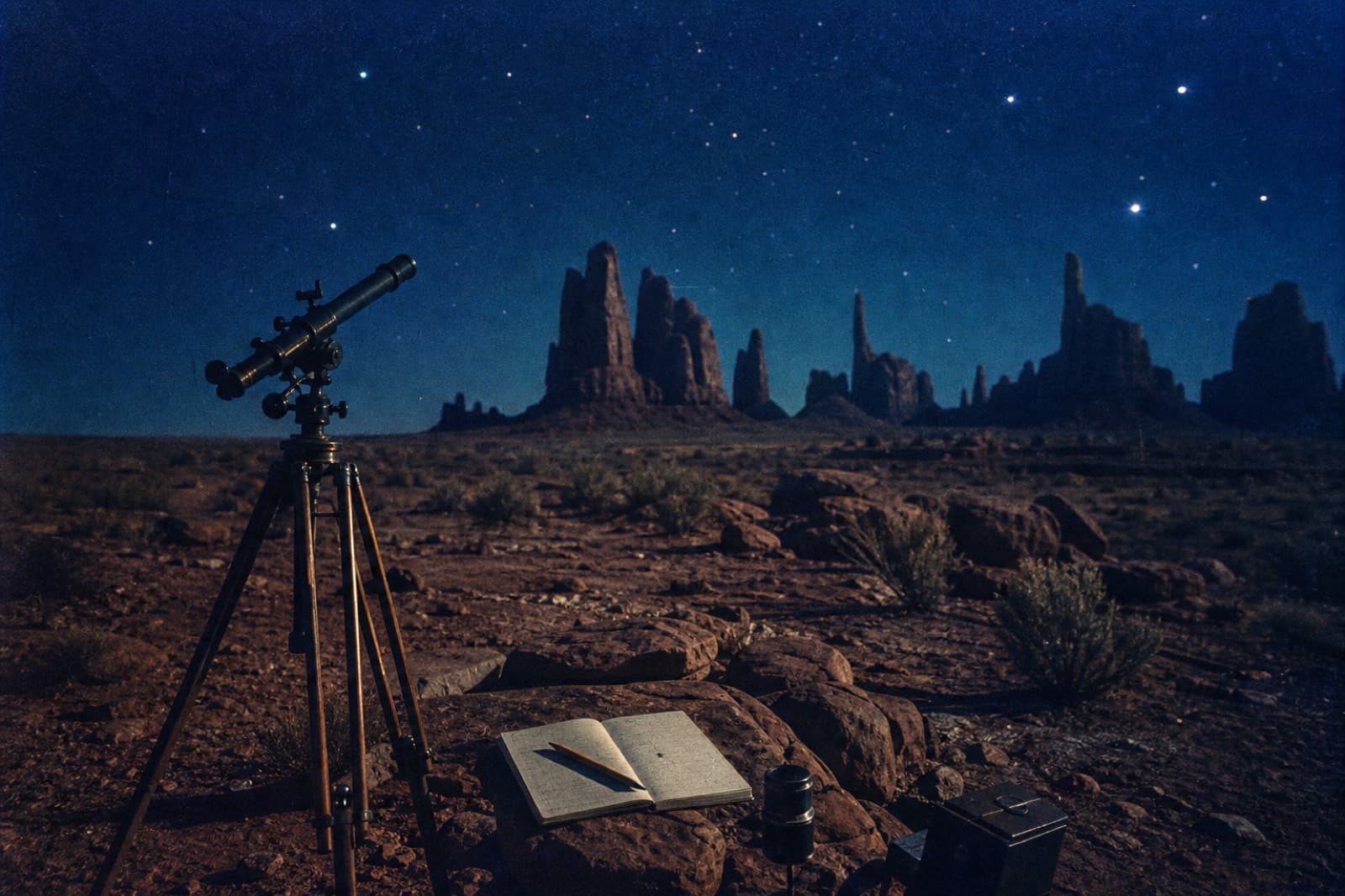
Horror arising not from personal evil but from the insignificance of humanity before an indifferent, incomprehensible cosmos - the aesthetic that governs every file in this archive.

CON-002
activeForbidden Knowledge
Epistemic Hazard
Information whose acquisition damages the seeker - truths the mind evolved specifically not to accommodate, and that no degree of education prepares one to survive.
CON-003
activeMadness
Cognitive Collapse
The frequent terminus of contact with the mythos - not always dysfunction, but sometimes expanded perception mortals cannot sustain, and sometimes the only sane response to an insane cosmos.
GOO-001
dormantCthulhu
High Priest of the Great Old Ones
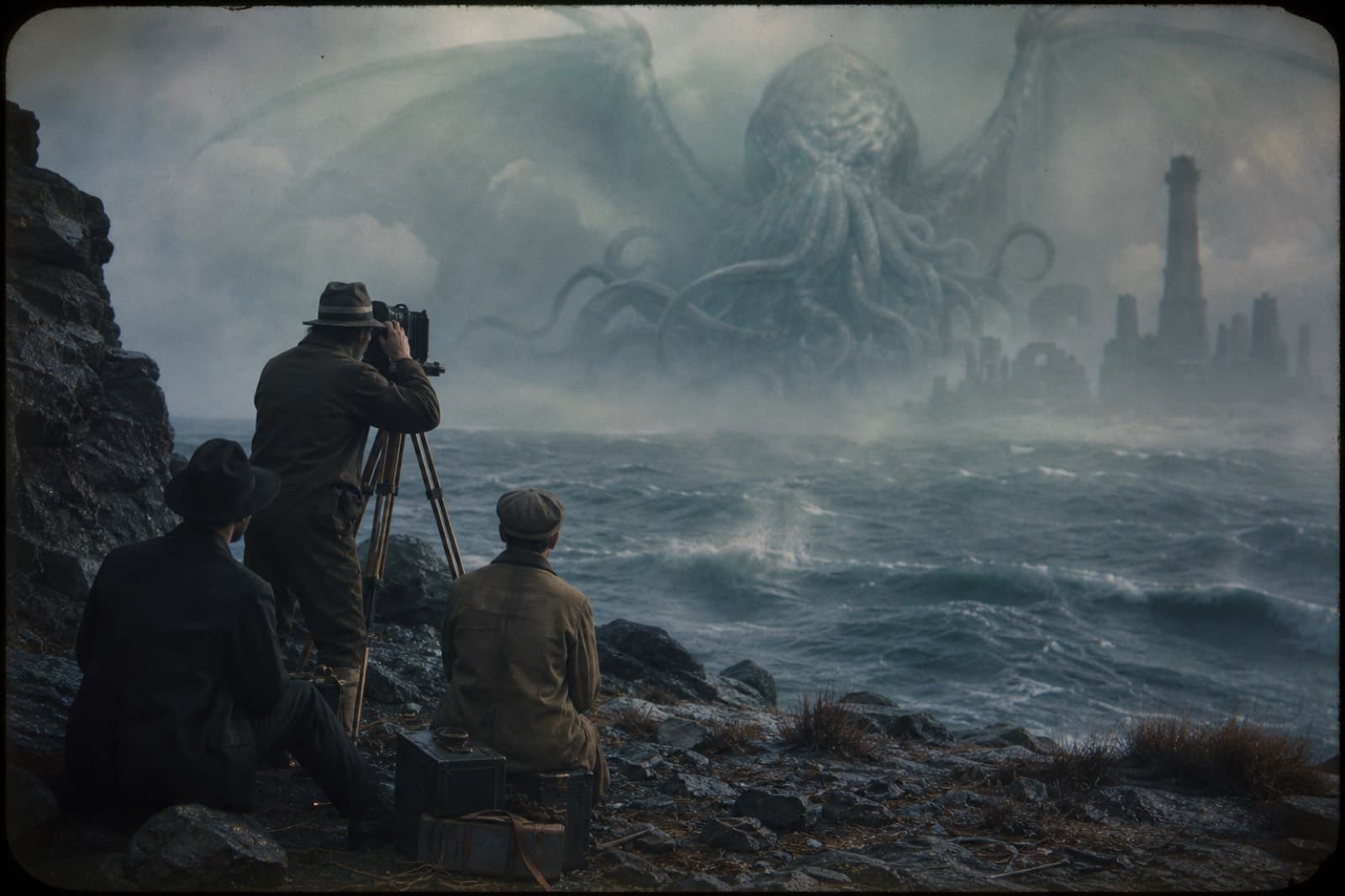
A colossal entity of draconic and cephalopodic aspect, dreaming in death-like slumber beneath the Pacific until the stars align, and when they do, the world will know madness again.
Field Dispatches
Related Briefings

Field Dispatch
Where to Start Reading H. P. Lovecraft
A curated entry path through Lovecraft's best short stories - from The Call of Cthulhu to gentler Dream Cycle tales - with links to full archive records.
Read dispatch →

Field Dispatch
Modern Lovecraftian Horror
Contemporary authors and works in the Lovecraftian tradition - where to go after reading H. P. Lovecraft's original fiction.
Read dispatch →
Guide COSMIC-HORROR · Keyword focus: cosmic horror