

Field Dispatch
H. P. Lovecraft - Biography
Personnel file ME-AUTHOR-HPL - classified biographical summary.
Providence childhood
Providence childhood and the architecture of dread
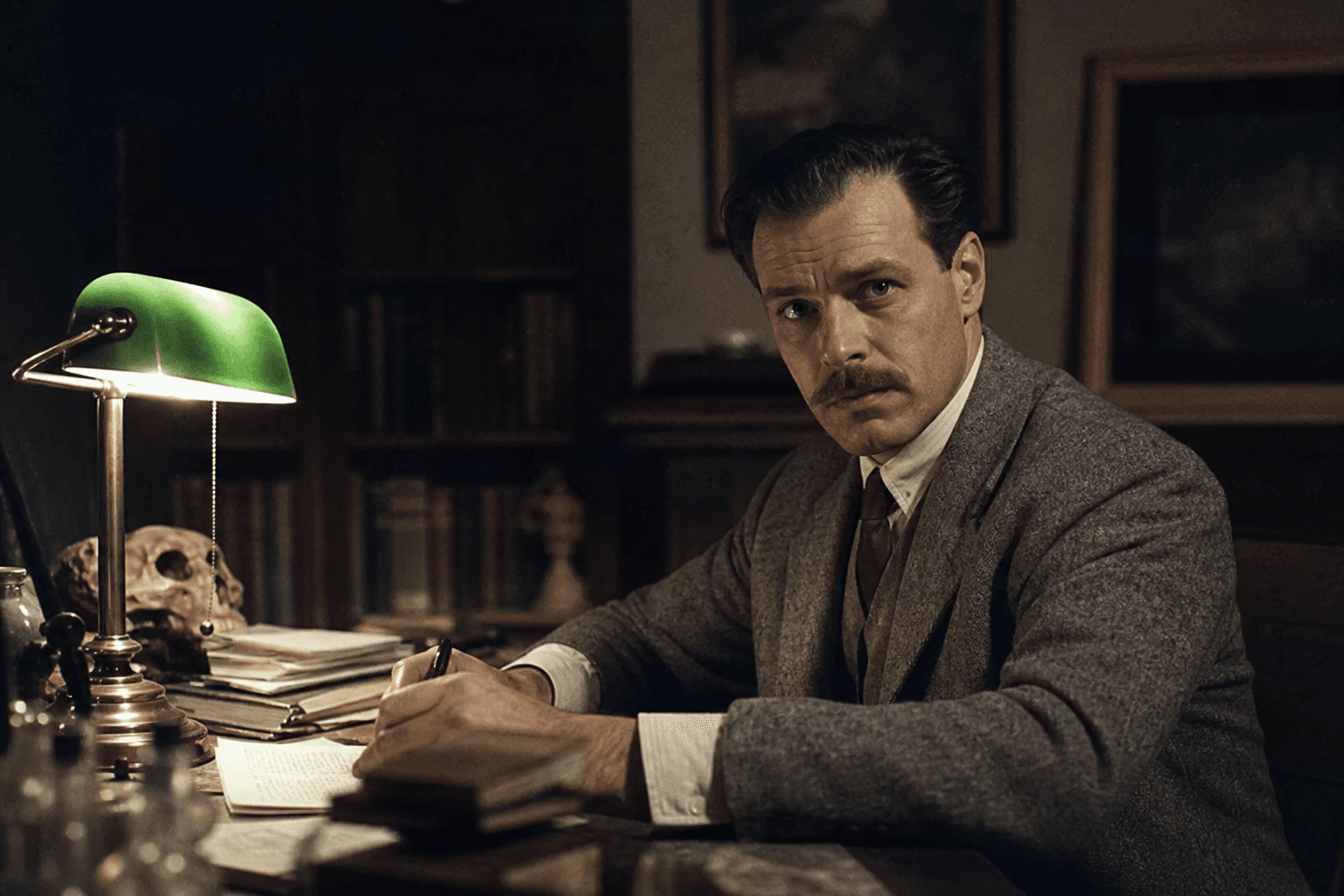
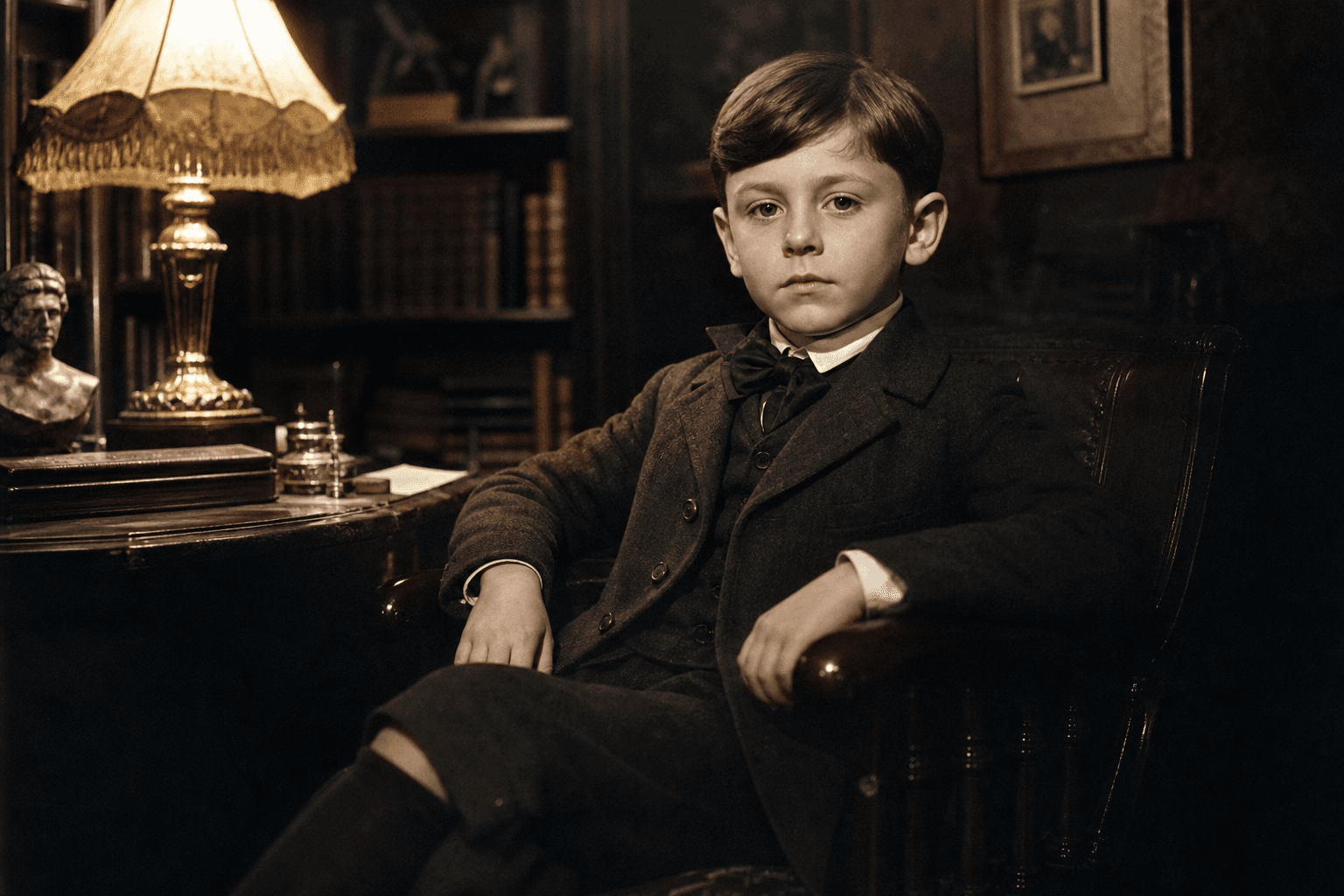
Howard Phillips Lovecraft was born in Providence, Rhode Island, in 1890, and the city remained the magnetic north of his imagination even when poverty, marriage, travel, or the pulp markets pulled him elsewhere. A serious Lovecraft biography does not begin with tentacles. It begins with rooms: the family house on Angell Street, the grandfather Whipple Phillips's library, the sickbed where illness kept the boy inside while other children played in daylight, and the brick streets where colonial architecture suggested a past more solid than the unstable present. Providence is not merely a birthplace. It is the emotional climate behind Arkham /archive/arkham, behind the antiquarian narrators, and behind the conviction that old names and old stones might protect a person from modern disorder.
The family weather was harsh. Winfield Scott Lovecraft, his father, was institutionalized when Howard was still a child; Sarah Susan Phillips Lovecraft later suffered her own collapse and died in Butler Hospital. Those losses did not simply produce a gloomy temperament. They trained a mind to treat continuity, ancestry, and inheritance as fragile charms that might fail without warning. The early years also fed his defensive nostalgia: eighteenth-century diction, hatred of commercial vulgarity, and a hunger for books as safer companions than crowds. Readers who enter the fiction through The Outsider /archive/the-outsider or The Tomb will hear Poe's chamber music in the prose, but the floorboards are Providence boards.
Class, illness, and the amateur press habit
Lovecraft's class anxiety and fragile health shaped his social life long before New York bruised him. He moved through amateur journalism networks - The Conservative, the United Amateur Press Association, and later the long correspondence that functioned as his true university. Those circles taught revision, argument, and the performance of literary identity. They also kept him partly sheltered from the wage economy he feared. When Miskatonic University /archive/miskatonic-university appears in fiction, it crystallizes his respect for libraries and scholarship and his suspicion that knowledge can unhouse the knower. The Literary Circle dispatch shows who answered his letters once the fiction began to travel.
There is no honest way to soften the record. Childhood grief helps explain his antique style and his terror of change; it does not excuse the racism and xenophobia that appear across letters and stories. Read this section beside Selected Letters and Religion & Materialism because the life is not a clean origin myth. It is a weather system: private loss, scientific curiosity, reactionary politics, and genuine literary ambition moving through the same narrow streets. Start here, then walk toward The Call of Cthulhu /archive/the-call-of-cthulhu with a sharper ear for exile, inheritance, and the dread that arrives when the past stops feeling protective.
Weird Tales era
Weird Tales, revision labor, and the economics of impossible fiction
The pulp years turn H. P. Lovecraft from brilliant amateur into a working craftsman of weird fiction, though never a prosperous one. Weird Tales gave him a market, a readership, and a place among writers who were trying to sell the impossible by the column inch. Payment was meager, editorial taste unpredictable, and the competition loud. Lovecraft responded by producing essential fiction while also ghostwriting, revising, and advising for others - Frank Belknap Long, Hazel Heald, Zealia Bishop, and more. This is the working desk behind the legend: letters stacked high, manuscripts moving outward, small checks arriving late, and an author insisting on atmosphere while rent still had to be paid.
During this period the Cthulhu Mythos did not arrive as a planned franchise. It accreted by reuse, invitation, and private joke. The Call of Cthulhu /archive/the-call-of-cthulhu offered a scattered dossier of cult testimony and archaeological fragments; The Dunwich Horror /archive/the-dunwich-horror made Yog-Sothoth /archive/yog-sothoth a rural New England catastrophe; The Colour Out of Space /archive/the-colour-out-of-space shifted horror toward contamination and landscape. By the time later readers began searching for a system, Lovecraft had already treated names, books, and entities as echoes moving between stories rather than entries in a rulebook. The Necronomicon Books Guide explains how the false grimoire became public property.
Revision as collaboration and competition
The pulp economy also explains why the Literary Circle dispatch is not optional. Clark Ashton Smith, Robert E. Howard, August Derleth, and others were sounding boards, rivals, markets, and rescue parties. Lovecraft could be generous with advice and impossible in opinion; both facts shaped the work. His letters discuss pacing, naming, and how to make impossible evidence feel discovered rather than invented - craft notes that illuminate The Whisperer in Darkness /archive/the-whisperer-in-darkness and Pickman's Model /archive/pickmans-model. Anyone tracing At the Mountains of Madness /archive/at-the-mountains-of-madness or The Shadow Out of Time /archive/the-shadow-out-of-time should remember the man at the desk was writing against deadlines, rejection, and his own disdain for commercial compromise. That tension sharpened the fiction rather than reducing it.
For readers building a syllabus, pair this section with Complete Reading Order and Where to Start Lovecraft. The pulp era is where cosmic horror /archive/cosmic-horror learns to wear scholarly masks, library catalogues, and clipped newspaper columns. The field note is blunt: Lovecraft did not rise from solitude. He rose from a crowded, argumentative, underpaid workshop that happened to mail its arguments across the continent.
Letters & friendships
Letters, friendships, and the mythos workshop
Lovecraft's social life was largely epistolary. Through correspondence he built the network covered in Literary Circle: Robert E. Howard, Clark Ashton Smith, August Derleth, Frank Belknap Long, and many others. Ideas crossed the country in envelopes - encouragement, mockery, drafts, private jokes, borrowed gods, and false books. The Cthulhu Mythos was incubated in this traffic before later publishers gave it a name.
Mentor, irritant, and revision partner
He could revise another writer's story with surgical attention, then pronounce sweeping judgments that reveal arrogance and bias. That unevenness is part of the record. When Derleth later preserved and reshaped the canon, he was acting as someone formed by years of exchange, not as a distant editor.
Shared names without a franchise bible
Correspondence clarifies why the Necronomicon /archive/necronomicon, Cthulhu /archive/cthulhu, Yog-Sothoth /archive/yog-sothoth, and Nyarlathotep /archive/nyarlathotep feel communal without being fully coherent - they moved through conversation as much as publication. Pair Selected Letters with this biography dispatch, then read The Dunwich Horror /archive/the-dunwich-horror and ask which names sound like private mail first and public myth second. The letters are where admiration and prejudice share the same inkwell - read them for craft, read them for context, and never pretend they are innocent background noise.
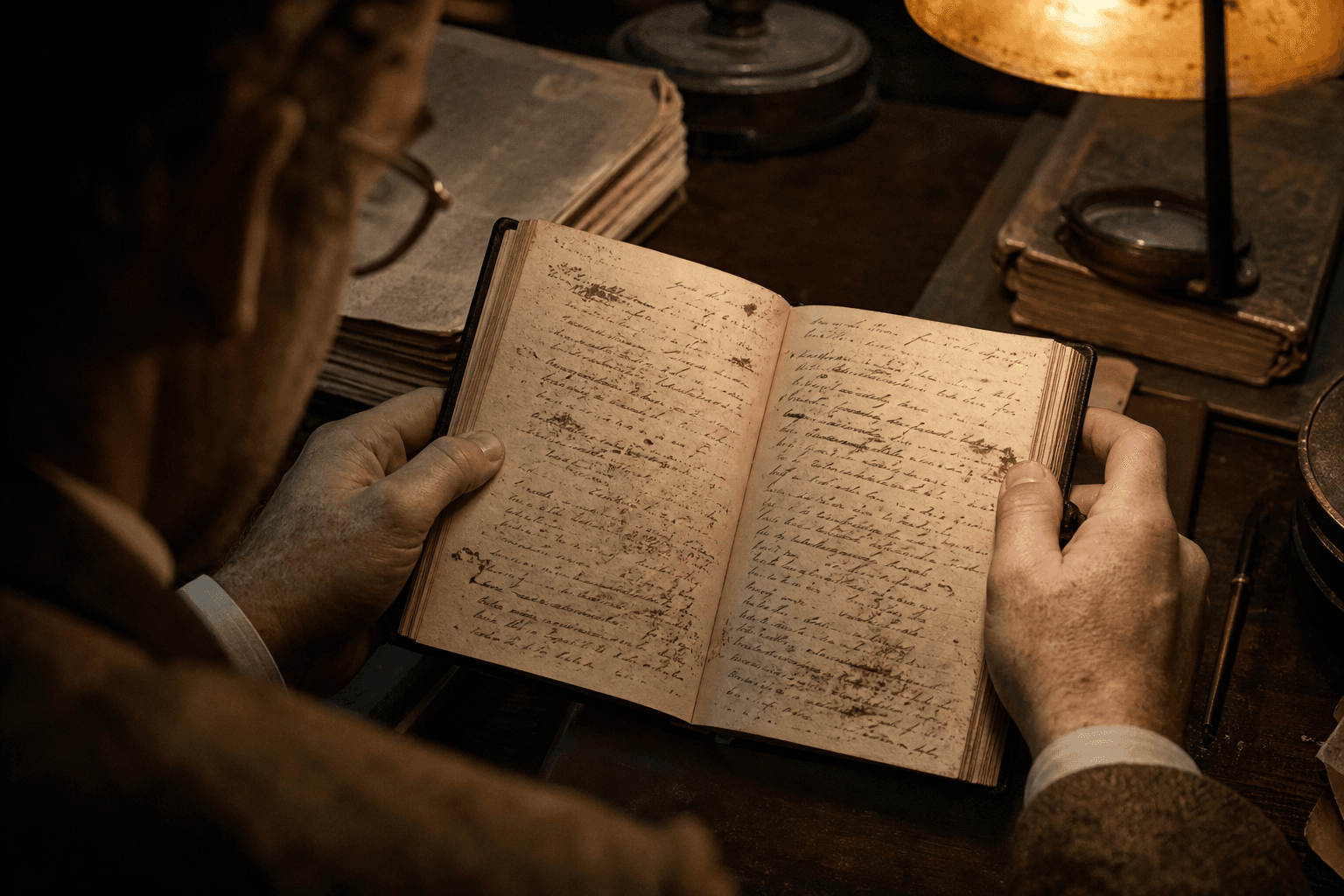
This is also where the biography becomes a map of labor. Every borrowed name had to be typed, mailed, answered, revised, and sometimes argued over for months. The mythos workshop was not mystical transmission; it was paper, postage, opinion, and persistence. That practical texture keeps the Lovecraft literary circle human even when its inventions point beyond humanity.
New York exile, marriage, and the bruise on the map
Lovecraft's New York years are often treated as a biographical detour, but the detour left bruises all over the imaginative map. His marriage to Sonia Greene brought him into a larger, harsher city and into adult responsibilities for which he was poorly prepared. The work search failed, money thinned, and his social confidence collapsed into bitterness. In Providence he could imagine himself an heir to old streets; in Brooklyn and Manhattan he felt anonymous, displaced, and surrounded by modernity at street level. The result was not only personal misery but an intensification of urban horror that later readers must handle critically rather than aesthetically.
This is where field reading needs care. The Horror at Red Hook is ugly in ways that cannot be reduced to atmosphere; its xenophobia is structural fuel, not incidental decoration. Yet the New York period also clarifies why Lovecraft's strongest fiction often moves through documentary distance rather than immediate confession. He transformed humiliation into maps, affidavits, and reports because direct autobiography was too exposed. When readers compare Biography with Supernatural Horror in Literature, they can see the split: the critic praises cosmic suggestion, while the man sometimes channels social panic into crude nightmare. The archive should hold both facts in view without pretending they cancel each other.
Return to Providence and the invention of towns
After New York, the return to Providence was less a triumph than a retreat with creative consequences. Travel through New England resumed. Antiquarian observation deepened. The invented towns became more precise. Arkham /archive/arkham, Dunwich /archive/dunwich, and Innsmouth /archive/innsmouth are not therapy notes, but they gather the anxieties of exile and return: who belongs, who inherits, what a community hides beneath civic normalcy. Read this section beside Lovecraft Country and Modern Lovecraftian Horror to see how later writers answer the exclusions embedded in the old map.
The best modern criticism does not burn the map; it annotates every road where the original surveyor looked away. For primary comparison, open The Shadow over Innsmouth /archive/the-shadow-over-innsmouth after reading about New York - not because the novella is a direct transcript of Brooklyn, but because both texts convert fear of the other into coastal genetics, bargain, and inherited doom. The biography matters because it shows where the fog came from before it was given a town name.
Death & legacy
Death, Arkham House, and the contested afterlife
Lovecraft died in 1937 with little public fame, limited money, and no certainty that his fiction would outlive the pulps that printed it. The survival story belongs partly to friends and editors who refused to let the manuscripts disappear. August Derleth and Donald Wandrei founded Arkham House, giving the fiction durable hardback form and turning scattered magazine appearances into a recoverable shelf. That act preserved Lovecraft's legacy, even as Derleth's later system-building also changed how readers understood the material. The canon arrived already mediated by friendship, commerce, taste, and argument - conditions that explain why so many newcomers meet Cthulhu /archive/cthulhu as an icon before they meet the stories.
The posthumous record keeps widening. Paperbacks made cosmic horror visible to general readers. Role-playing games gave investigators, sanity checks, and forbidden libraries a new public language. Film, comics, metal, plush toys, and internet memes flattened the tentacled silhouette into a logo, while scholars restored context around biography, revision work, letters, and prejudice. This double movement explains why Where to Start Lovecraft and Complete Reading Order matter: a newcomer may arrive through a meme and still deserve a route back to the texts, the letters, and the arguments.
Admiration without amnesty
Modern readers should not choose between admiration and indictment as if only one were honest. Lovecraft helped define cosmic horror, gave the twentieth century a vocabulary for indifferent immensities, and wrote passages of extraordinary imaginative force. He also wrote racist lines, held reactionary views, and built some terrors from social disgust. Biography is the place to keep those facts from drifting apart. Pair this dispatch with Selected Letters, Literary Circle, Houellebecq on Lovecraft, and Religion & Materialism for the full instrument reading.
The life is not a shrine. It is a field file with stains on the paper, useful because it makes the fiction more legible and more accountable. When you finish here, read The Call of Cthulhu /archive/the-call-of-cthulhu not as a franchise primer but as a document written by a man who had already lost several kinds of home and was learning how to make loss feel cosmic. That is the legacy worth keeping: not innocence, but precision.
Evidence 01
Evidence 02
Dispatch LOVECRAFT_BIOGRAPHY · Primary keyword: biography of hp lovecraft
Primary sources
LOC-002
activeArkham
City on the Miskatonic
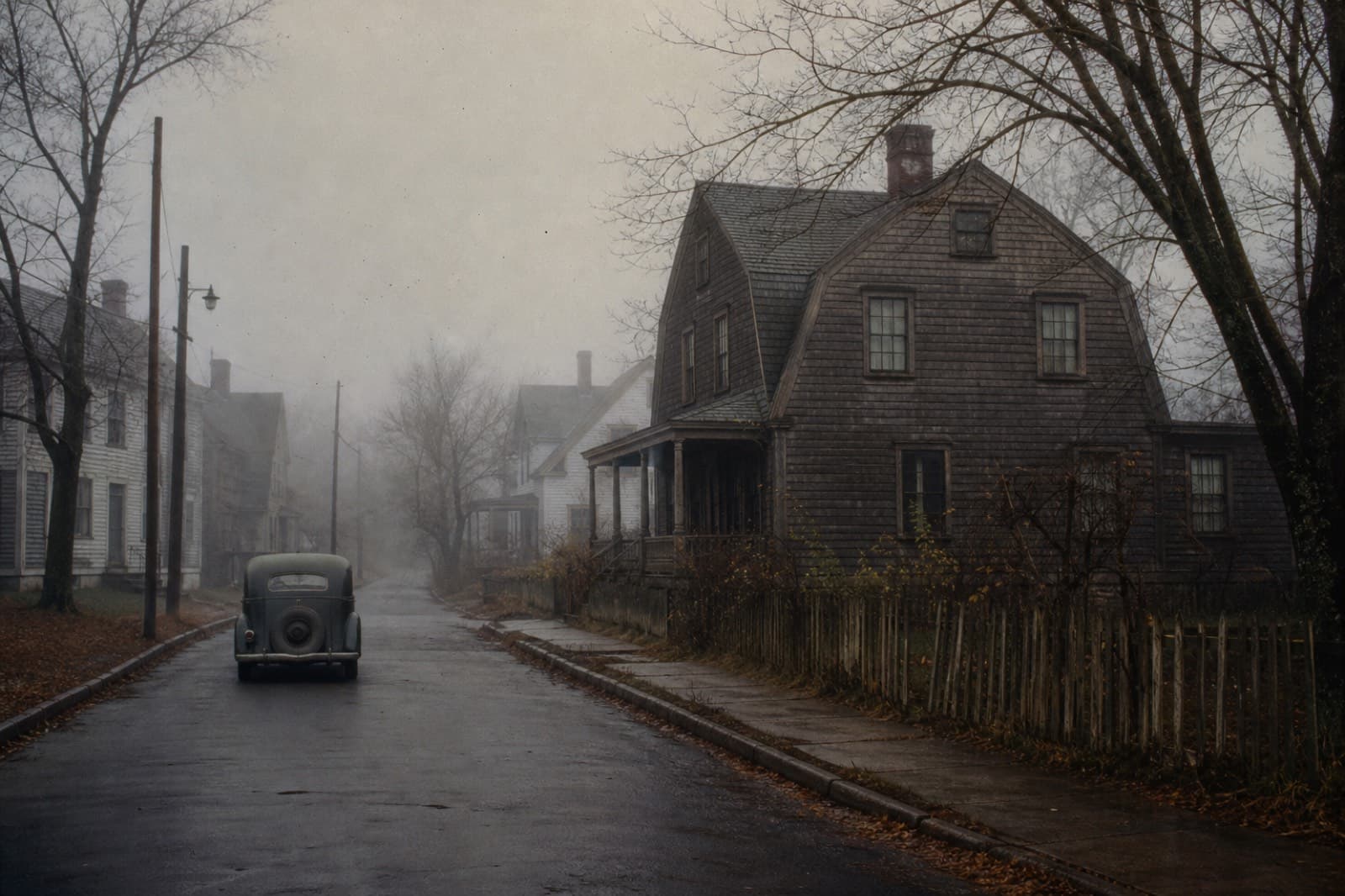
An aging Massachusetts town of gambrel roofs and winding streets, home to the university and countless quiet horrors, the kind that do not shriek in the night but wait in attics for generations to pass.
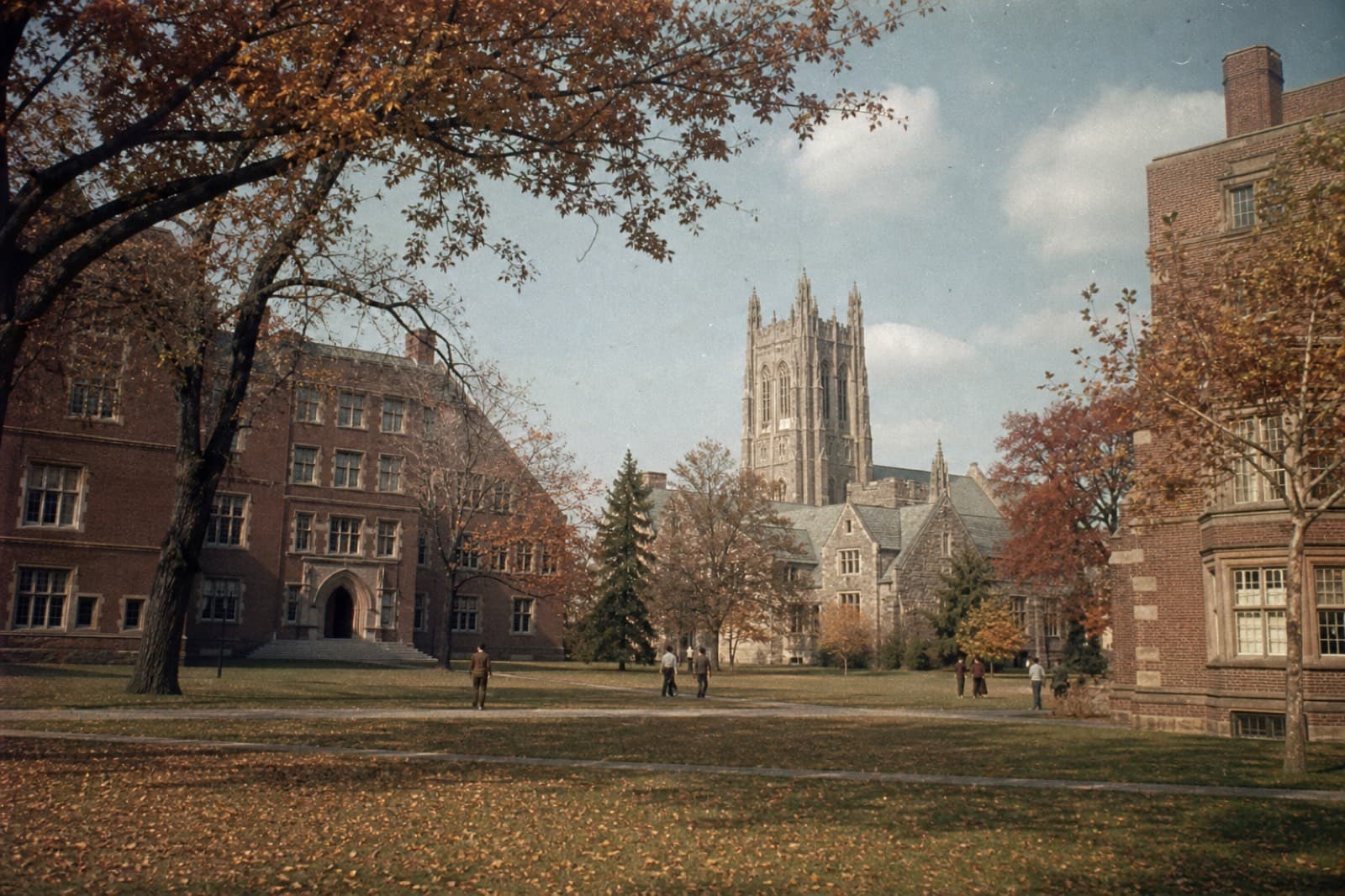
LOC-001
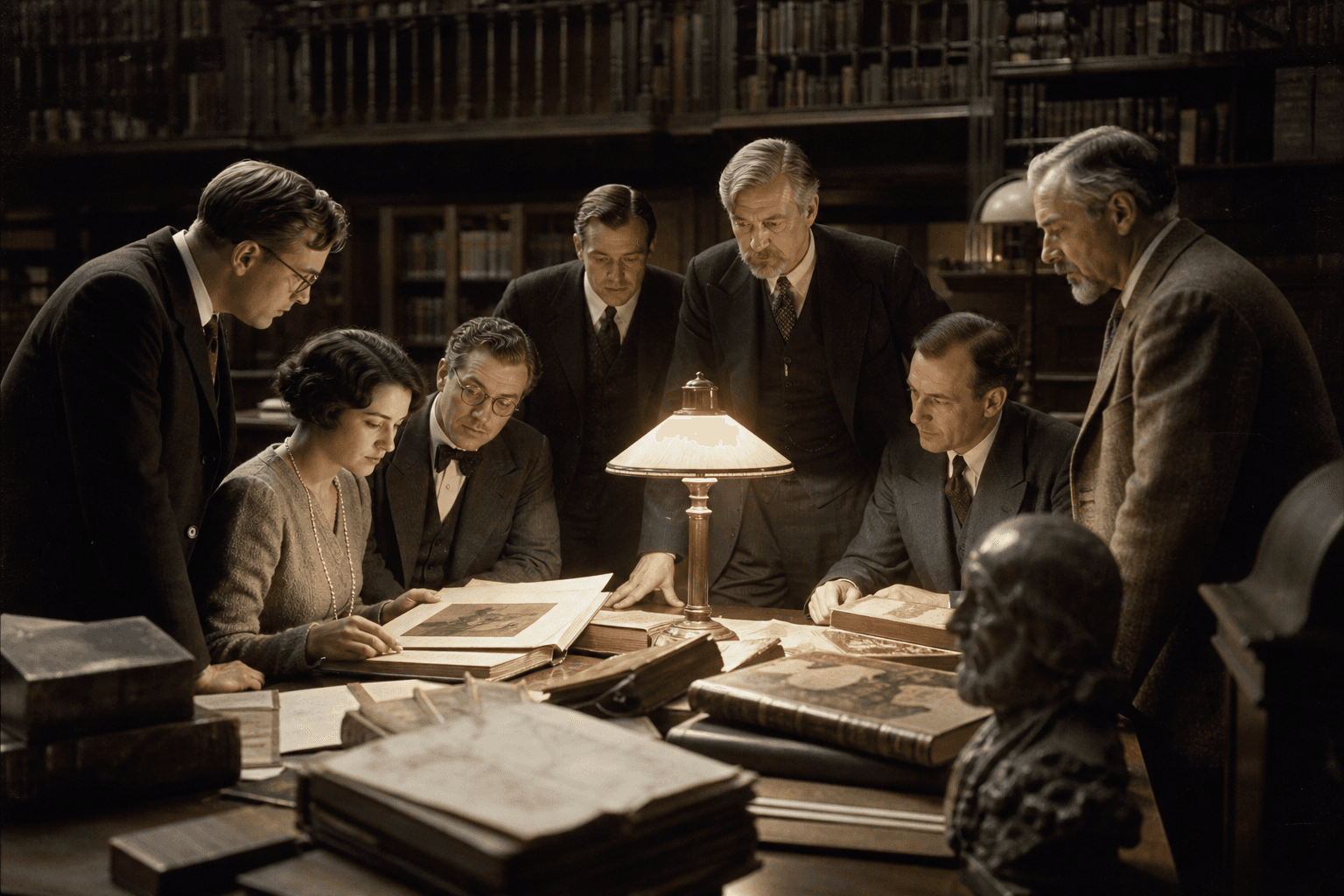
activeMiskatonic University
Arkham, Massachusetts
A distinguished New England university whose restricted collections hold manuscripts that should never have been translated, and whose expeditions have redrawn the map of what science dare not know.
Continue reading
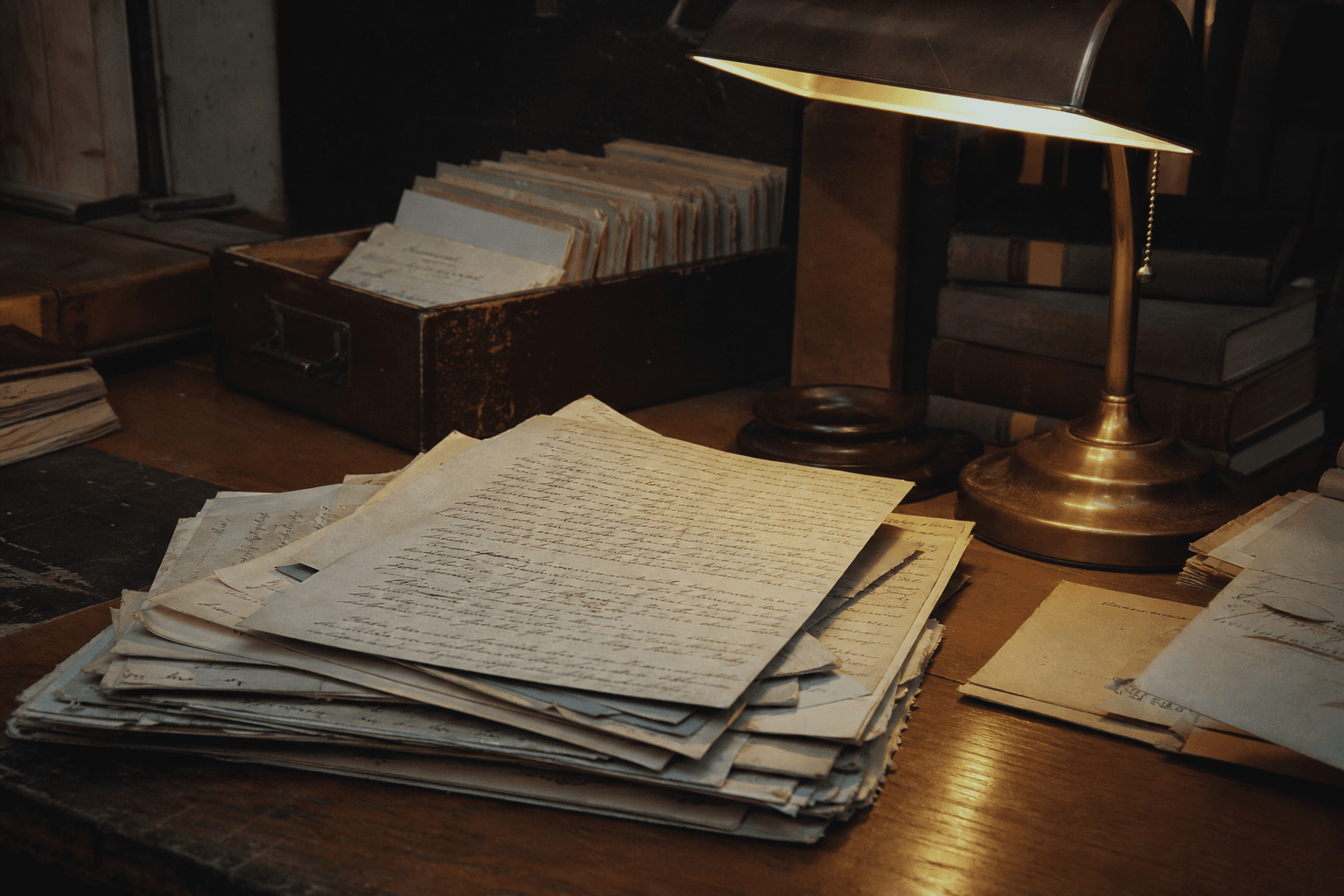
Field Dispatch
Lovecraft's Literary Circle & Influences
Edgar Allan Poe, Lord Dunsany, Clark Ashton Smith, Robert E. Howard, and August Derleth - how Lovecraft's circle shaped the mythos.
Read dispatch →
Field Dispatch
The Selected Letters of H. P. Lovecraft
Lovecraft's voluminous correspondence: best selected letter editions, what they reveal about the mythos, and key pen pals.
Read dispatch →