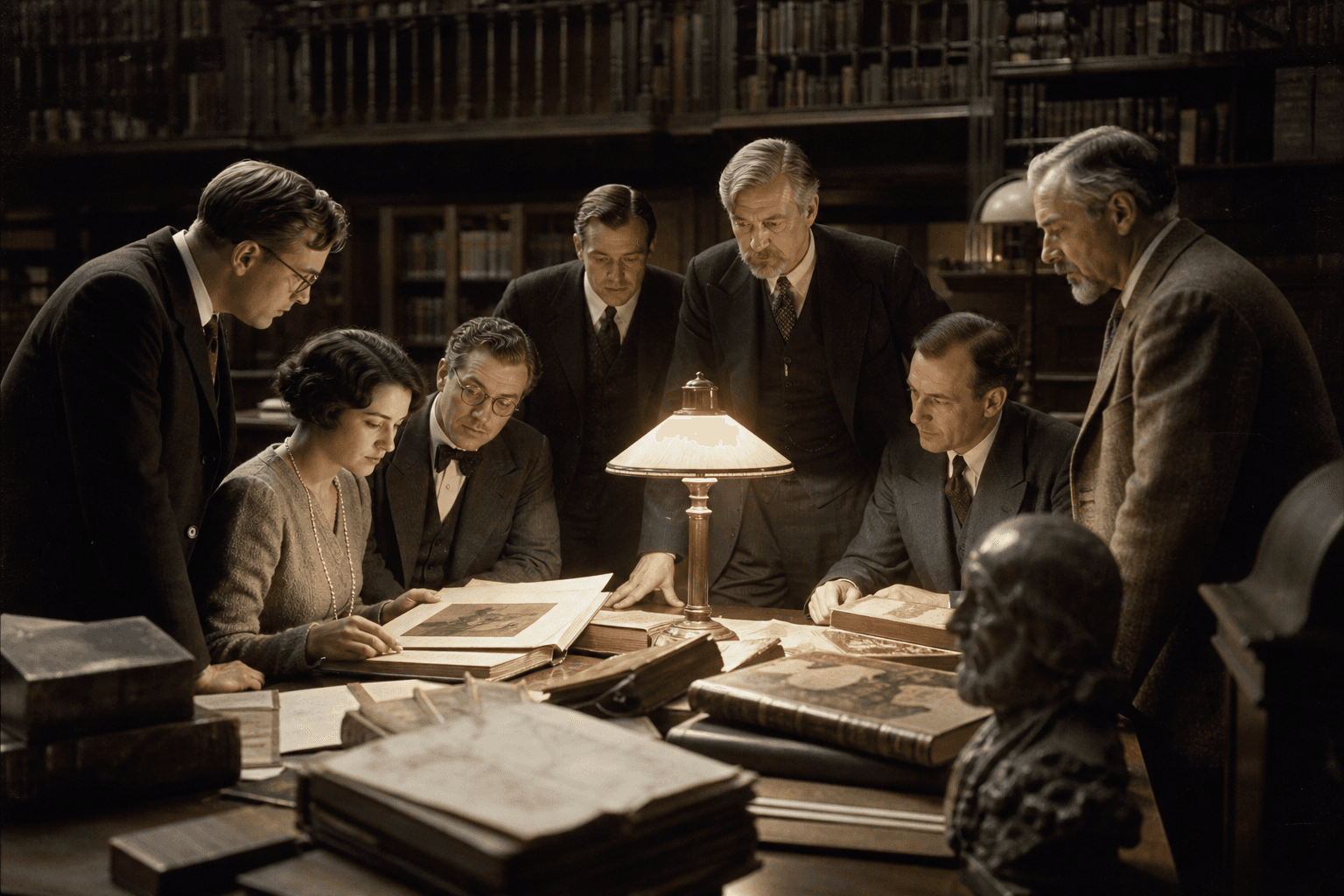

Field Dispatch
Lovecraft Country (Matt Ruff) - Guide & Mythos Links
Critical distance: mythos as cultural artifact vs. reclamation narrative.
What is Lovecraft Country?
What Lovecraft Country is actually doing
Lovecraft Country is not a sequel to Lovecraft, not a hidden chapter of the Cthulhu Mythos, and not a simple homage with updated casting. Matt Ruff's novel and the HBO adaptation use the phrase Lovecraft Country as a challenge: who gets to travel through New England, pulp adventure, secret societies, haunted houses, and forbidden books without becoming the monster in someone else's story? The answer is pointed. Black protagonists move through Jim Crow America, where the ordinary road, diner, sheriff, and real estate office can be more immediately dangerous than any shoggoth in the trees.
That premise matters for readers arriving from Biography or Religion & Materialism. Lovecraft's fiction often converts social fear into cosmic threat; Ruff and the series reverse the current, exposing the social terror that polite weird fiction sometimes hides under atmosphere. The title claims the terrain of Arkham /archive/arkham, Innsmouth /archive/innsmouth, Miskatonic University /archive/miskatonic-university, and the whole haunted regional map, then asks what was excluded from the original survey. The result is not anti-Lovecraft in the lazy sense. It is an argument conducted inside the furniture of pulp.
Expect road narrative, family secrets, lodge rituals, monsters, documents, inheritances, and genre switches that move from Gothic house to adventure serial to cosmic spectacle. The best way to read it is with two lamps: one aimed at the Lovecraftian props, the other at American history. Deep Ones Explained, Obed Marsh, and Modern Lovecraftian Horror are useful cross-links because they show how later writers reclaim, revise, or indict the older materials. The guide's field advice is simple: do not ask only which Lovecraft story a scene references. Ask what power relation the reference has been forced to confess.
Connections to Lovecraft's fiction
Connections to Lovecraft's fiction and mythos furniture
The connections between Lovecraft Country and Lovecraft's fiction are mostly allusive rather than canonical. Viewers and readers will catch echoes of secret orders, forbidden manuscripts, monstrous bloodlines, and names that resemble the old map. Cthulhu /archive/cthulhu, The Call of Cthulhu /archive/the-call-of-cthulhu, the Necronomicon /archive/necronomicon, and The Shadow over Innsmouth /archive/the-shadow-over-innsmouth serve less as plot keys than as field markers. They tell you which tradition is being entered, then disturbed. That distinction prevents a common mistake: treating Ruff's work as if it were trying to solve Lovecraft lore rather than answer Lovecraftian cultural authority.
Innsmouth is the especially useful comparison. Lovecraft's coastal town is built around bargain, bloodline, secrecy, and a community's relationship to non-human power. In Lovecraft Country, those motifs are redirected through American racism, property, family inheritance, and the danger of institutions that decide who counts as fully human. The archive entries for Innsmouth /archive/innsmouth, Deep Ones /archive/deep-ones, and Obed Marsh should be read as source instruments, not as spoiler diagrams. They measure the pressure of the old story so the modern revision can be felt.
The Literary Circle dispatch also helps because Lovecraft's mythos was never as closed as later summaries imply. Writers borrowed, contradicted, and rearranged from the beginning. Lovecraft Country continues that tradition with a sharper ethical purpose. It uses mythos furniture the way a field team uses chalk marks in a ruin: to show where earlier explorers passed, where the floor is weak, and where a new route has been cut through dangerous stone. The result is Lovecraftian horror as cultural argument, not cosplay.
Race, pulp pleasure, and the ethics of reclamation
The central achievement of Lovecraft Country is that it does not abandon pulp pleasure while exposing pulp's exclusions. There are monsters, chases, family mysteries, occult mechanisms, and dramatic reversals. The work understands the thrill of a secret door and the gleam of a forbidden book. But it refuses to let those pleasures float free of history. A Black family crossing mid-century America does not need cosmic indifference explained abstractly; the highway patrol can teach that lesson before midnight. This is why the guide belongs beside Modern Lovecraftian Horror rather than only beside a mythos encyclopedia.
Reclamation here is not a coat of paint. It changes the operating system. Lovecraft's original fiction often fears contamination from outside the imagined boundaries of white New England identity. Ruff and the series move the camera to those who were treated as the contaminant and let them become investigators, heirs, magicians, readers, and survivors. That move does not erase Lovecraft's racism; it makes the record speak under cross-examination. Biography and Selected Letters provide evidence of the old wound. Lovecraft Country asks what fiction can do after the wound is named.
The field tone should stay precise. Not every reference is a one-to-one inversion, and not every monster is a footnote to a specific archive slug. The larger connection is methodological: take cosmic horror /archive/cosmic-horror, forbidden knowledge, bloodline dread, and institutional secrecy, then run them through American history without letting metaphor excuse material violence. Readers who appreciate that method should continue to Victor LaValle, contemporary anthologies by writers of color, and the journal's Deep Ones Explained dispatch. The point is not to make Lovecraft harmless. It is to make the tradition answerable.
If you liked Lovecraft Country
What to read after Lovecraft Country
If Lovecraft Country is the doorway, choose the next corridor according to the question it raised. For source anxiety, read The Shadow over Innsmouth /archive/the-shadow-over-innsmouth and then the journal dispatches Deep Ones Explained and Obed Marsh. Innsmouth gives the clearest old machinery of blood, bargain, secrecy, and coastal inheritance. For cosmic scale, read The Call of Cthulhu /archive/the-call-of-cthulhu and the Cthulhu /archive/cthulhu dossier. For institutional dread, read the Miskatonic University /archive/miskatonic-university archive entry and then Supernatural Horror in Literature to understand the theory Lovecraft thought he was practicing.
For modern answers, continue to Modern Lovecraftian Horror. That dispatch widens the field to writers who inherit the atmosphere while revising the politics, including reclamation narratives, ecological dread, philosophical pessimism, and science-fictional cosmic horror. Stephen King on Lovecraft is a useful bridge if mainstream horror is the familiar ground, while Lovecraft on Screen helps sort adaptation from quotation. Necronomicon Books Guide can help with the forbidden-book strand without confusing fictional grimoires and real-world occult marketing.
The practical recommendation is to alternate old and new. Read one primary Lovecraft story, then one response, then return to the archive with better questions. Lovecraft Country works because it knows the old house well enough to expose the locked rooms. A reader should do the same. Carry the map, but mark where it lies.
For a compact sequence, read The Shadow over Innsmouth first, then Lovecraft Country, then Modern Lovecraftian Horror. That order lets the old fear of bloodline and community secrecy stand in full view before a modern work turns the lens toward segregation, property, and survival. Add Arkham Massachusetts if the regional setting itself becomes the question. The route is not about forgiving the old map. It is about learning how later writers redraw it with witnesses Lovecraft left outside the frame.
One final route is thematic rather than chronological. Track houses, roads, books, and names. Houses reveal who can inherit safety. Roads reveal who can move without permission. Books reveal who is allowed to know. Names reveal who gets catalogued as human, monster, kin, or property. That method makes cross-links to Arkham Massachusetts, Deep Ones Explained, and Modern Lovecraftian Horror feel less like sidebar reading and more like instruments in the same kit. The old map becomes useful only when the missing survey lines are drawn back in. Keep Biography open when the argument turns toward whose geography Lovecraft mythologized first.
Evidence 01
Evidence 02
Dispatch LOVECRAFT_COUNTRY_GUIDE · Primary keyword: lovecraft country
Primary sources
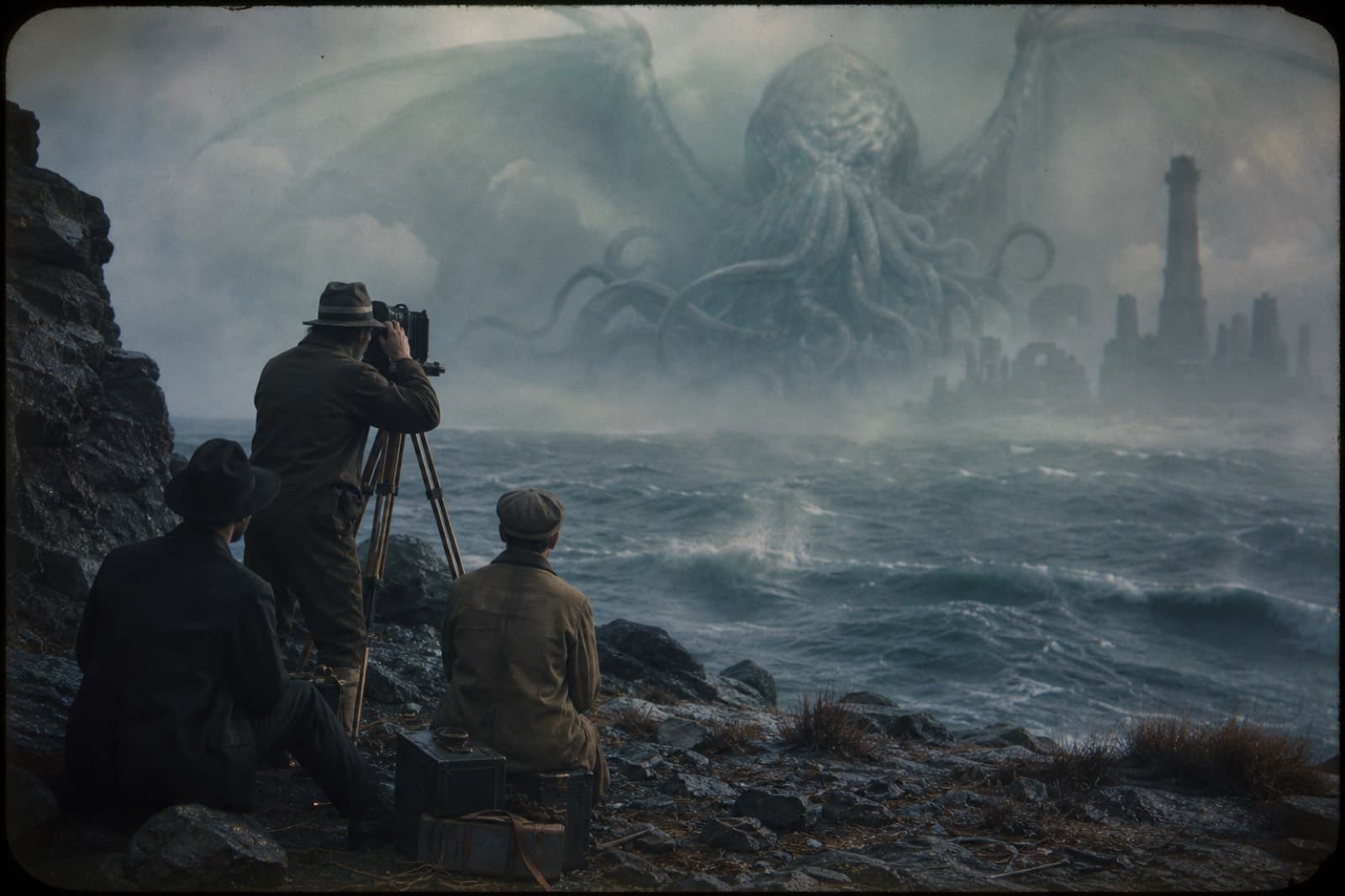
GOO-001
dormantCthulhu
High Priest of the Great Old Ones
A colossal entity of draconic and cephalopodic aspect, dreaming in death-like slumber beneath the Pacific until the stars align, and when they do, the world will know madness again.
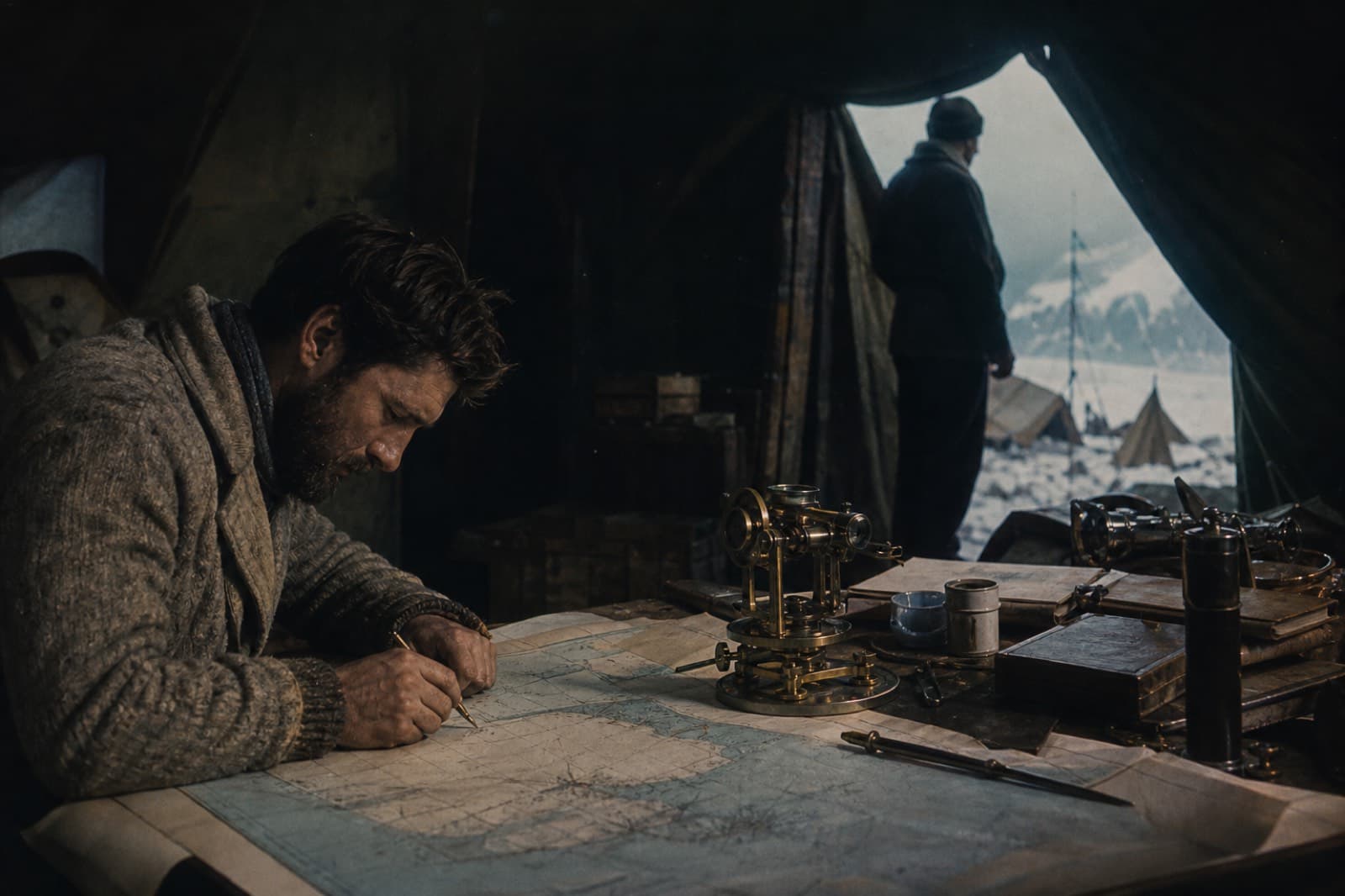
STY-001
activeThe Call of Cthulhu
Incident Record - 1925
A global wave of dreams, cult activity, and the brief emergence of R'lyeh documented through fragmented testimony - the case that proved the mythos was not regional but planetary.