

Arkham
City on the Miskatonic
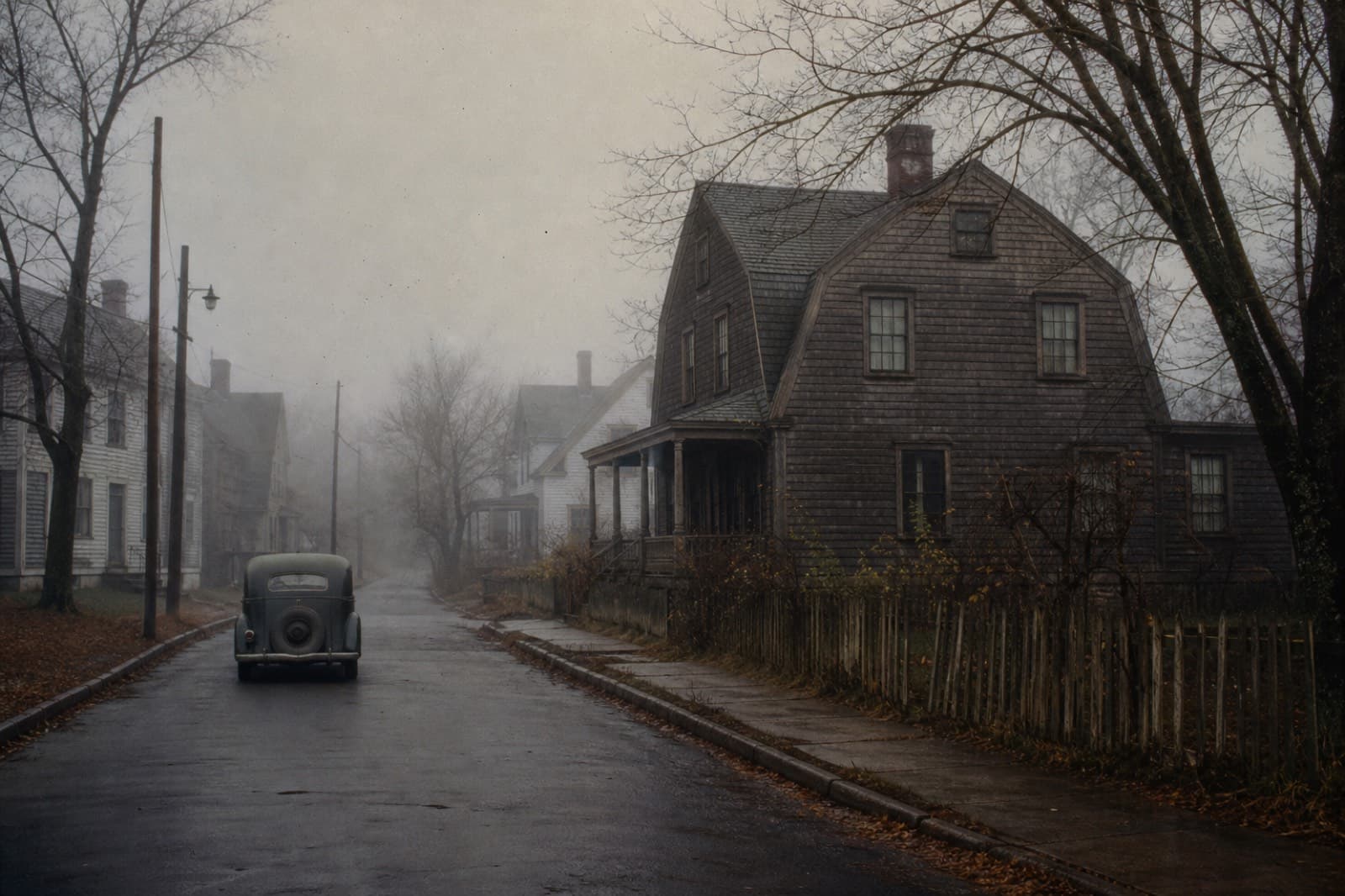
An aging Massachusetts town of gambrel roofs and winding streets, home to the university and countless quiet horrors, the kind that do not shriek in the night but wait in attics for generations to pass.
It is a town of great age, with all the curious superstitions and spectral tendencies that go with age in New England.
Travel sketch, Orne Library local history shelf
Overview
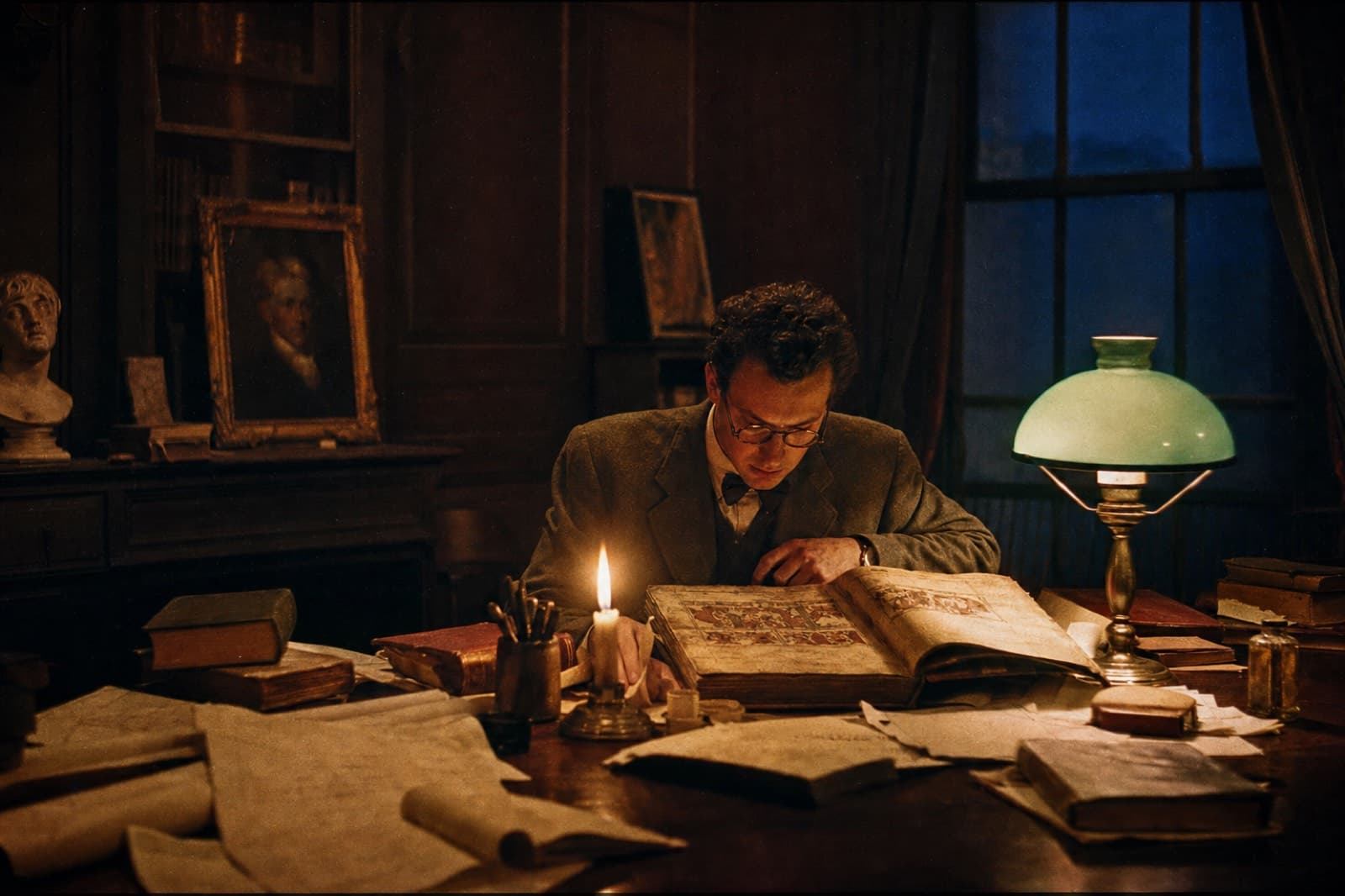
Arkham crouches on the Miskatonic where the hills draw close and the light fails early, a town of steep streets, gambrel roofs, and Georgian houses that lean together as though sharing secrets. It is not Innsmouth, where the horror wears fish-scales on its face; it is not Dunwich, where the hills themselves seem to breed abominations. Arkham's horror is civilized, patient, and academic. It wears tweed. It checks out books.
Visitors find a pleasant New England city: bookshops, a historical society, the university's cultural influence. Residents know which alleys to avoid after dark, which families never sell their ancestral homes, and which topics are not discussed at the dinner parties on Saltonstall Street.
Description
The oldest quarter clusters near the river, narrow lanes like High Street and Curwen Lane, where the numbering of houses does not always obey logic and where pedestrians report distances that do not match the map. The Miskatonic flows westward toward the sea; its bridges are stone, its banks lined with willows that hang motionless in fog.
The university dominates the intellectual life of the town, but Arkham has its own institutions: churches with graveyards full of eighteenth-century stones; an asylum on the outskirts whose population has fluctuated with the university's research calendar; a railway station that connects to Boston and, indirectly, to everywhere else the curious might flee, or arrive from.
Historical Record
Witch-trial records survive in the Orne Library, though some pages are missing and others bear water damage that does not match any known flood. The name Curwen surfaces in property deeds long before the Ward case made it infamous. In the 1920s, a genealogist named Rice investigated a farmhouse outside town and discovered a picture that should not have existed, a portrait that showed things done in a cellar that no court of law had ever judged.
The town has burned twice and rebuilt both times with the same crooked streets, as though the plan were remembered in the stones themselves. After each fire, certain families did not return. Certain cellars were bricked up and left bricked.
Archive Notes
Field personnel may use Arkham as a safe staging area provided they do not accept lodging in the older districts without vetting the landlord. The witch-cult is not extinct; it is merely tired. Cross-reference all Arkham property transactions with the Curwen file and the Pickman materials (restricted). If you smell mould and copper in a house that should be dry, leave before nightfall.
Evidence 01
Evidence 02
Citation: Miskatonic Expedition Archive. Record LOC-002. Access subject to institutional review.
Related Records
Cross-References
LOC-001
activeMiskatonic University
Arkham, Massachusetts
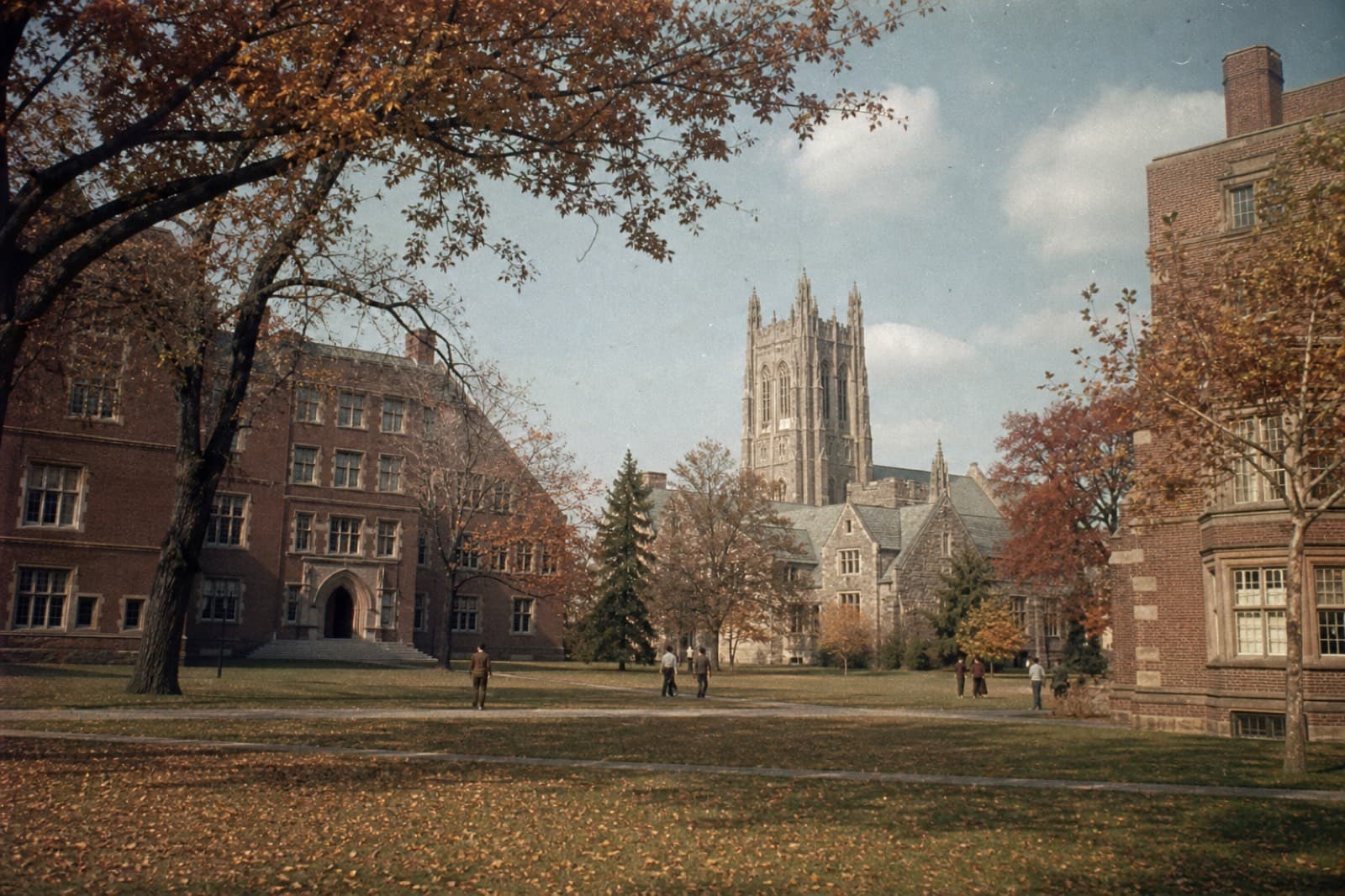
A distinguished New England university whose restricted collections hold manuscripts that should never have been translated, and whose expeditions have redrawn the map of what science dare not know.

TOM-001
fragmentaryNecronomicon
Al Azif, Book of Dead Names
The most infamous grimoire of the mythos, an Arabic manuscript of rituals, histories, and formulae that erode the sanity of readers and have never been wholly suppressed, only scattered.
CON-002
activeForbidden Knowledge
Epistemic Hazard
Information whose acquisition damages the seeker - truths the mind evolved specifically not to accommodate, and that no degree of education prepares one to survive.