

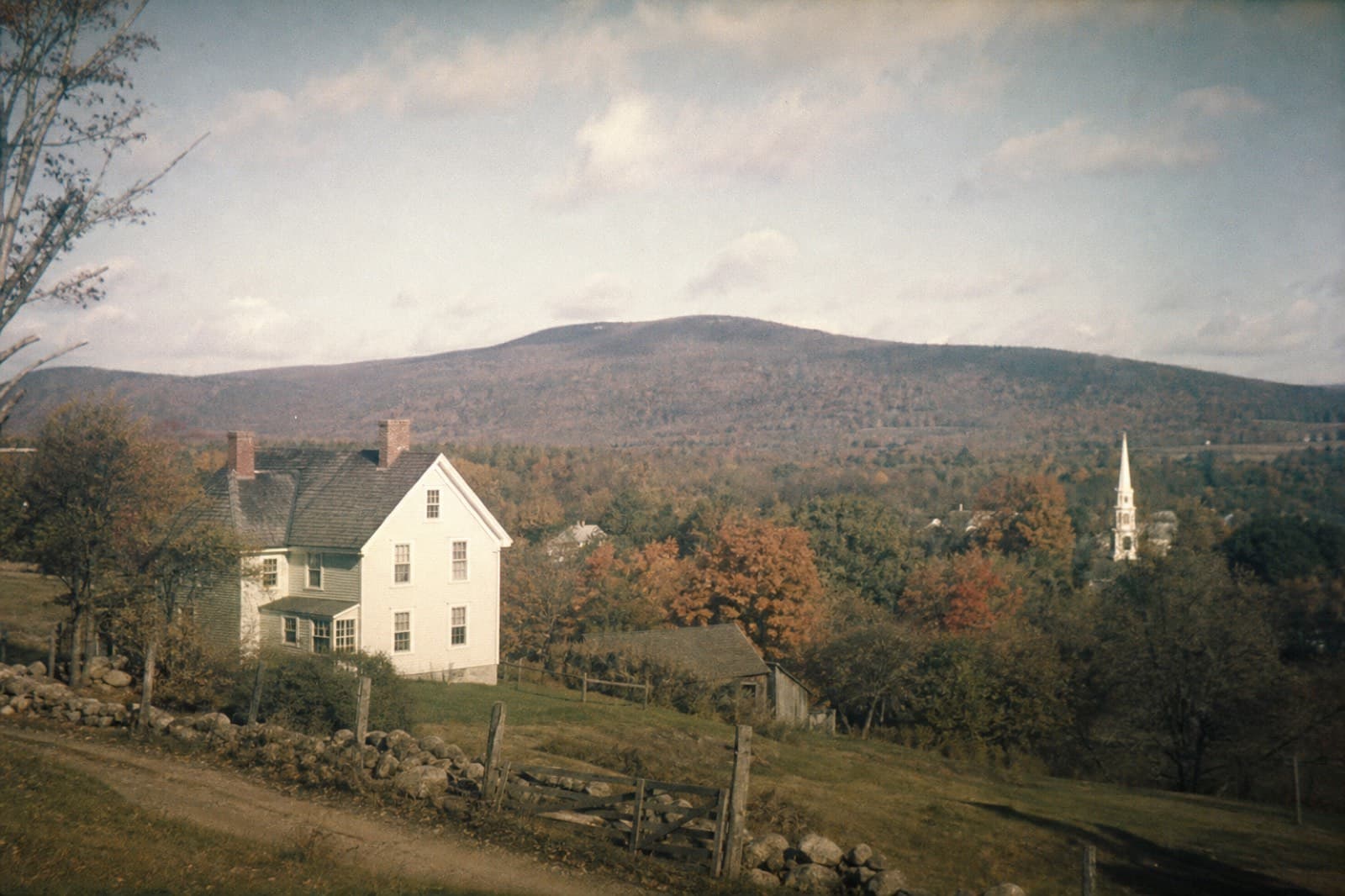
Dunwich
Village in the Miskatonic Hills
A remote hamlet of degenerate hill folk, whispered rituals, and something that bellowed on Sentinel Hill, the place maps forget and the Whateleys remember.
It was as if all the village had been left to die in its own filth and shadow.
Field observer, Miskatonic folklore survey, 1927
Overview
Dunwich exists where the maps grow vague and the telephone lines fail, a cluster of farms and shacks in the Miskatonic hills, connected to Arkham by a road that floods in spring and to civilization by nothing at all. The people are inbred, ill-favoured, and given to muttering in dialect that scholars transcribe as degenerate English with syllables that ought not to exist. They do not welcome strangers. They do not need to. The hills welcome for them.
Something walks on Sentinel Hill when the Whateleys call it. Something left tracks in the mud that were not quite hooves. In 1928 the university intervened; the horror was driven back, not destroyed. The hill remains. The family remains. The rites are older than the Puritan settlement and younger than the stones beneath it.
Description
The village proper is a handful of buildings: a general store that stocks ammunition and candles in equal measure; a church whose congregation has dwindled to those who still pretend Christianity covers what the hills require; farms set at distances that suggest mutual distrust. The Whateley farmhouse, now ruins and char, stood at the foot of the hills, ringed by stone circles that predate any deed.
Sentinel Hill rises behind it all, crowned with standing stones and a altar-rock that the 1928 investigators described in terms they refused to repeat in open court. The smell on the hill is ozone and manure and something organic that moves. Dogs refuse to climb. Birds refuse to nest.
Historical Record
Lavinia Whateley bore twins to an father who was not wholly present in this dimension; Wilbur grew too fast and died on the library floor at Miskatonic, seeking the complete Necronomicon; the other twin remained invisible until Armitage, Rice, and Morgan drove it back with incantation and powder. The farmhouse burned. The hill did not.
Earlier records mention sacrifices in the eighteenth century, disappearances of surveyors, and a stone circle that local Indians avoided before the white man came and built his own horrors on the same ground.
Archive Notes
No solo field work. The formula 'Yog-Sothoth' must not be tested acoustically in the valley. Personnel who hear bellowing from the hill without a visible source are to withdraw to Arkham and submit to full debrief. Dunwich is not a backwater; it is a breach. The stars may come right again any year the Whateleys find new blood.
Citation: Miskatonic Expedition Archive. Record LOC-004. Access subject to institutional review.
Related Records
Cross-References
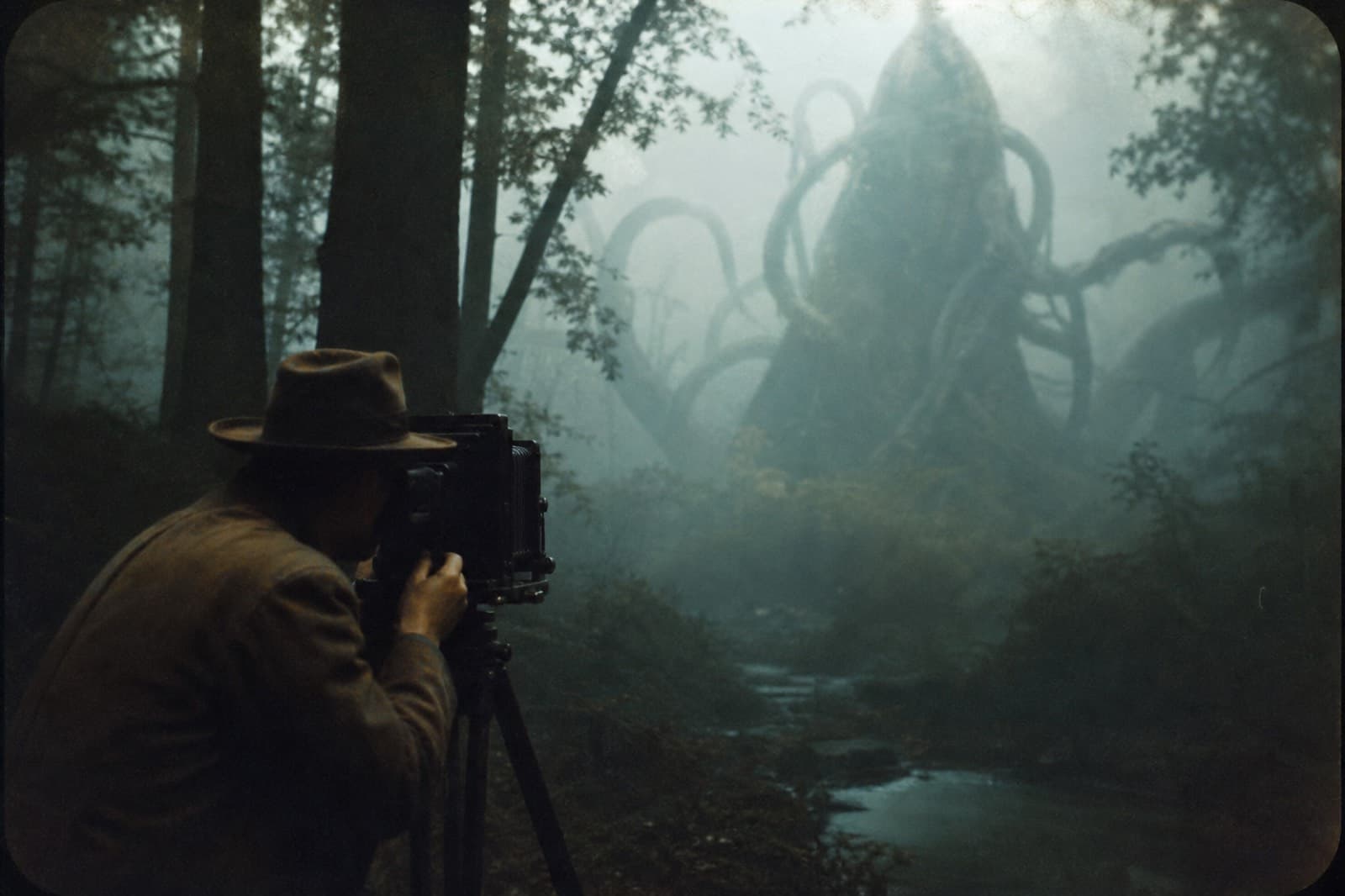
OG-004
activeShub-Niggurath
The Black Goat of the Woods with a Thousand Young
A fertility deity of forests and dark rites, mother to abominations that crawl between worlds, worshipped wherever the woods grow thick and men grow desperate.
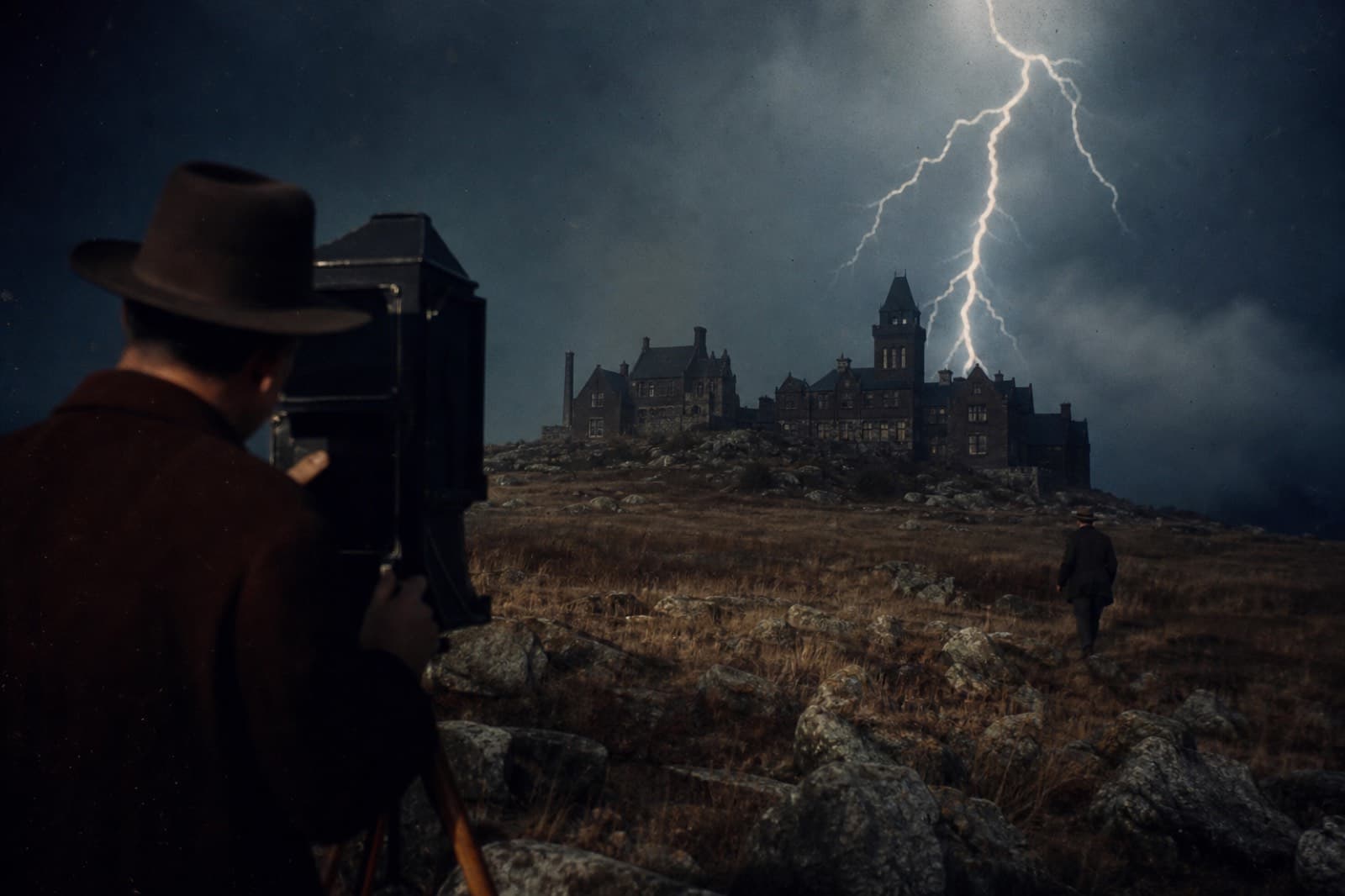
STY-004
activeThe Dunwich Horror
Rural Incident - 1928
The Whateley twins, an invisible monstrosity, and rites on Sentinel Hill - when Miskatonic scholars used the Necronomicon as a weapon and learned that some doors, once opened, never close.

TOM-001
fragmentaryNecronomicon
Al Azif, Book of Dead Names
The most infamous grimoire of the mythos, an Arabic manuscript of rituals, histories, and formulae that erode the sanity of readers and have never been wholly suppressed, only scattered.