

Field Dispatch
Lovecraft Short Stories - Essential Guide
Indexed as ME-SSG-001 short-story gazetteer.
How many stories?
Lovecraft left roughly seventy pieces of fiction, depending on how you count revisions, collaborations, and fragments. The majority are Lovecraft short stories under fifteen thousand words; a handful are novellas that dominate anthologies because of their fame, not their typical length. Nearly everything through 1927 is in the U.S. public domain, but post-1928 works require caution - see /journal/lovecraft-public-domain for legal detail before you post, print, or record.
How many stories - and how to count them
This guide maps the short-fiction landscape without re-summarizing plots the archive already holds. Think of it as a gazetteer: where to find Dream Cycle gems, which tales are safe one-sitting reads, and which records link to /archive/pickmans-model, /archive/cool-air, or /archive/from-beyond for deeper study. If you are new, start with /journal/where-to-start-lovecraft for tiered recommendations; return here when you want to sort by length, cluster, or reading session.
Completeness is a project, not a weekend. Poems, fragments, and revisions inflate the count; anthologies often omit collaborations that purists still want. Decide early whether you are reading "all Lovecraft" or "all Lovecraft I enjoy." Both goals are legitimate. The Lovecraft reading order that survives contact with real life is the one you can sustain - two stories a week beats a burnout sprint through every minor tale. Keep a simple log: date, title, cluster (Dream, Arkham, Mythos, Early), and one line on what stuck.
Magazine first-publication dates explain why some famous tales feel "early" or "late" out of anthology order. When a story confuses you, check whether it predates the mythos burst or revisits an idea Lovecraft had abandoned. The archive metadata helps; this guide does not replace those dossiers but tells you when to open them. Short fiction is also the best entry for where to start Lovecraft - hand a skeptic The Outsider before you hand them a six-hundred-page omnibus.
Count collaborations separately in your log. Ghostwriting for Hazel Heald or Zealia Bishop produces uneven results; marking those entries keeps your personal stats honest. Some readers exclude them from "finished the fiction"; others read everything once for historical completeness. Either rule is fine if you state it upfront and do not move the goalposts mid-project. Revisit this gazetteer after your first dozen tales - the map changes once you recognize names and places. When you assign homework, pair each short story with one archive slug and one journal dispatch so students learn the difference between plot summary and reading strategy. That pairing prevents the common mistake of treating Wikipedia as the primary text while the fiction sits unread on the syllabus.
Story clusters
Four story clusters cover most reading strategies without forcing a single linear path. Dream Cycle stories share settings and tone - ethereal, melancholic, sometimes whimsical. Arkham and Miskatonic tales ground horror in universities, artists, and decaying New England towns. Mythos stories introduce gods, books, and cults that persist across the wider tradition. Early Poe-influenced work (The Tomb, The Alchemist) rewards completists but rarely converts skeptics looking for cosmic horror at full strength.
Story clusters - how to mix them
Cross-cluster references are common: Pickman's Model bridges art horror and Boston geography; From Beyond mixes science and dimensional dread. Use cluster labels to build variety - alternate Dream Cycle gentleness with Innsmouth conspiracy so fatigue does not set in. Within the mythos cluster, sub-group by coastline versus interior: Innsmouth and Dunwich share DNA; The Whisperer in Darkness shifts toward Vermont isolation and correspondence plots.
Teachers and book clubs can assign one cluster per month, with archive dossiers as optional homework. Readers building a personal canon should note which cluster supplied their favorite single evening - often a twenty-page tale rather than a novella. When a cluster disappoints, switch before abandoning Lovecraft entirely; many readers who bounce off early pastiche love later mythos fiction. The /journal/complete-lovecraft-reading-order dispatch aligns clusters with chronological and mythos paths if you want both frameworks in one notebook.
Sample month: Week one, Dream Cycle plus /archive/the-cats-of-ulthar; week two, Arkham science horror with From Beyond; week three, coastal mythos; week four, one novella and a debrief. That rhythm respects attention spans and still covers cosmic horror from multiple angles. Encourage readers to read aloud in meetings - Lovecraft's sentences make more sense when you hear their cadence.
Within the mythos cluster, rank stories by how much they spoil each other. The Call of Cthulhu spoils little; The Shadow over Innsmouth spoils atmosphere if you already know every twist from pop culture. Adjust order to your audience's familiarity with memes and films. Cluster labels are tools, not cages - move a story when the room needs energy or when discussion stalls on a single repeating motif like inherited sin or forbidden geometry.
End each cluster with a one-paragraph reflection in your journal: what fear dominated, what image persists, what question remains unanswered. Those notes become the best guide when you return for rereads years later. If you run a reading challenge, award points for finishing a cluster, not for speed-reading the longest book on the shelf. A dozen well-chosen shorts will teach the mythos faster than one stalled novella read in five interrupted sittings.
By reading time
Reading time matters for book clubs, commutes, and insomnia. Under thirty minutes: The Call of Cthulhu, The Cats of Ulthar, Dagon, The Outsider, Cool Air /archive/cool-air. About an hour: The Shadow over Innsmouth, The Dunwich Horror, At the Mountains of Madness (borderline novella - schedule accordingly). Full-evening commitments: The Shadow out of Time, The Whisperer in Darkness. Length is not difficulty; a short story can be denser than a novella if you read for vocabulary and allusion.
Length bands - plan your week
Match length to mood. Short pieces deliver punch; novellas deliver world-building. Our /journal/where-to-start-lovecraft dispatch tiers by difficulty as well as length - combine both frameworks when planning a month of reading. For audio, see /journal/best-lovecraft-audiobooks; narrators change perceived length. A slow, precise reading of The Call of Cthulhu can exceed a rushed pass through The Shadow out of Time.
Build a two-track plan: weekday shorts, weekend long forms. After each novella, read one short mythos tale to reset attention. If you miss a week, do not double up with a novella unless you want exhaustion. The archive's plot summaries help when life interrupts mid-story - pick up the dossier, skim, return to the text. Lovecraft short stories reward rereading; keep a list of titles worth a second pass once you know the mythos names they hide in plain sight.
Timed readings also expose difficulty mismatches. The Shadow out of Time is long but linear; The Whisperer in Darkness is long and epistolary, which fatigues some listeners on audio. Match narrator and format to structure - see /journal/best-lovecraft-audiobooks. For legal sharing of excerpts in newsletters or zines, confirm each title in /journal/lovecraft-public-domain before you serialize a story across multiple issues.
Print your length bands on a bookmark: under thirty minutes, about an hour, full evening. Slip it into whichever anthology you carry. When you have only twenty minutes before sleep, reach for Dagon or The Cats of Ulthar, not the novella that will strand you mid-epistle. Consistent small finishes build momentum; abandoned middle chapters build guilt. Share your bookmark template with your book club so everyone plans the same evening length. Mixed expectations - half the group ready for a novella, half expecting a short - kill discussion before it starts. When recording completion stats, log minutes spent, not pages turned; that habit keeps Lovecraft short stories competitive with novellas for attention during busy seasons.

Evidence 01

Evidence 02
Dispatch LOVECRAFT_SHORT_STORIES_GUIDE · Primary keyword: lovecraft short stories
Primary sources
STY-110
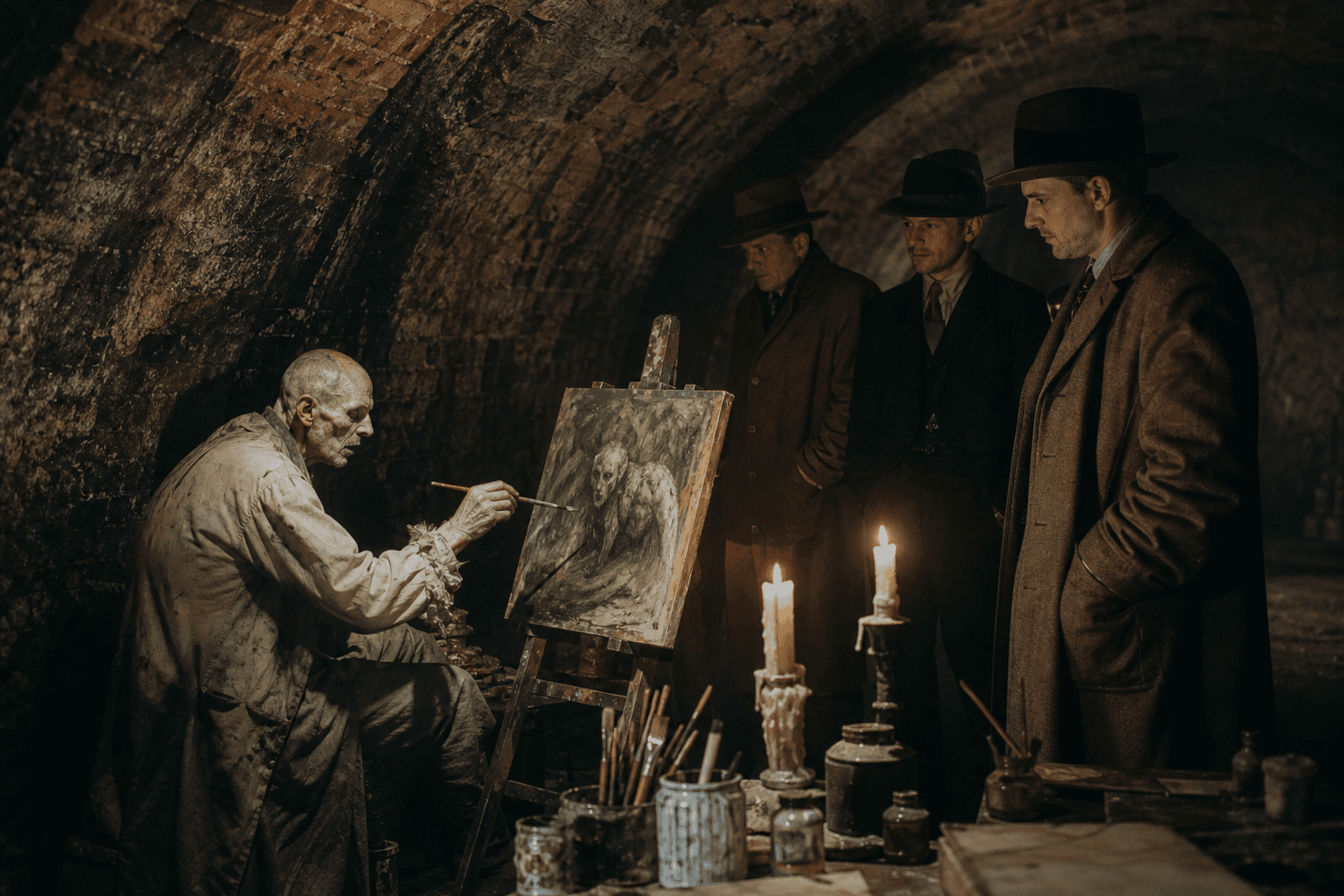
activePickman's Model
Boston Studio - 1926
Richard Upton Pickman's hyperreal ghouls are not imagination - North End tunnels lead to Dreamlands vermin and a self-portrait that was always a confession.
STY-122
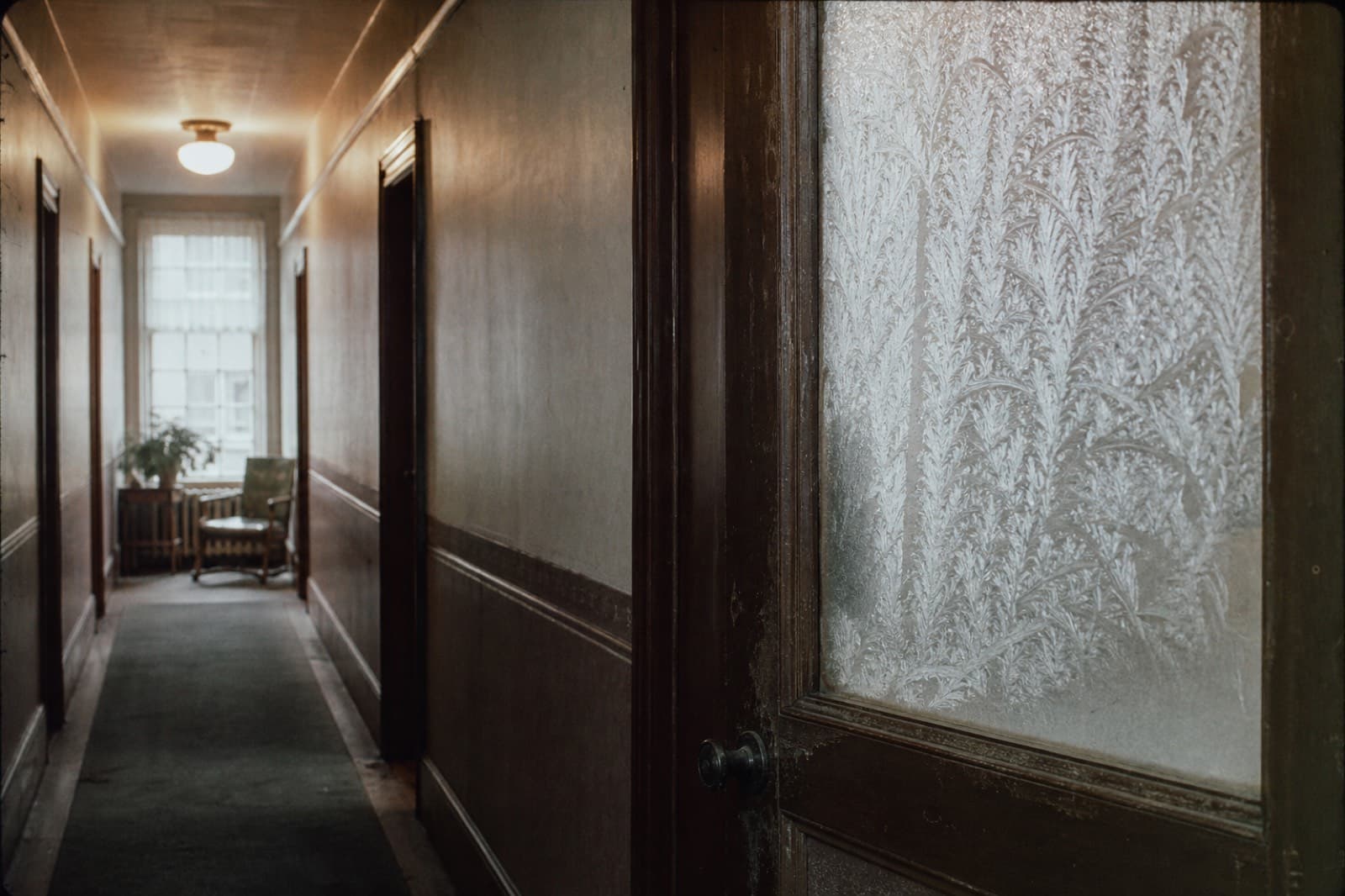
activeCool Air
Greenwich Village - 1926
A writer in a New York boarding house befriends Dr. Muñoz, who requires constant cold - and whose death in warmth reveals a corpse that should have rotted years before.
STY-128
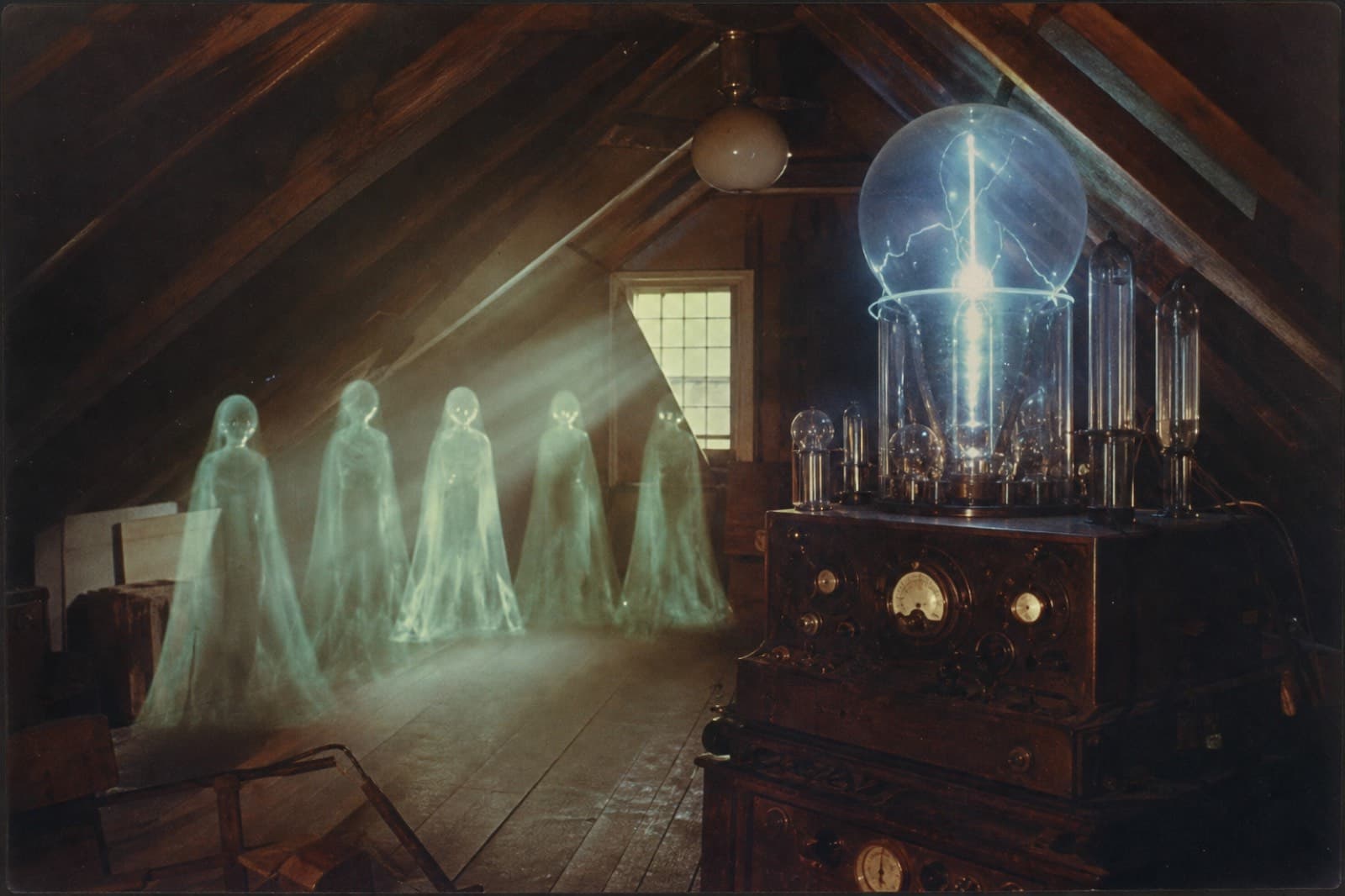
activeFrom Beyond
Attic Laboratory - circa 1934
Tillinghast's resonator reveals predators that surround us unseen - until a machine and a gun end the experiment in blood and revelation.