

Antarctica
The Mountains of Madness
The southern ice preserves cities older than mankind, fossils of star-born colonists, and shapes best left buried, where the Miskatonic Expedition learned that Earth's history is not our own.
We were the first human beings to burrow into that prehistoric world of ice and death.
W. Dyer, suppressed geological report, 1931
Overview
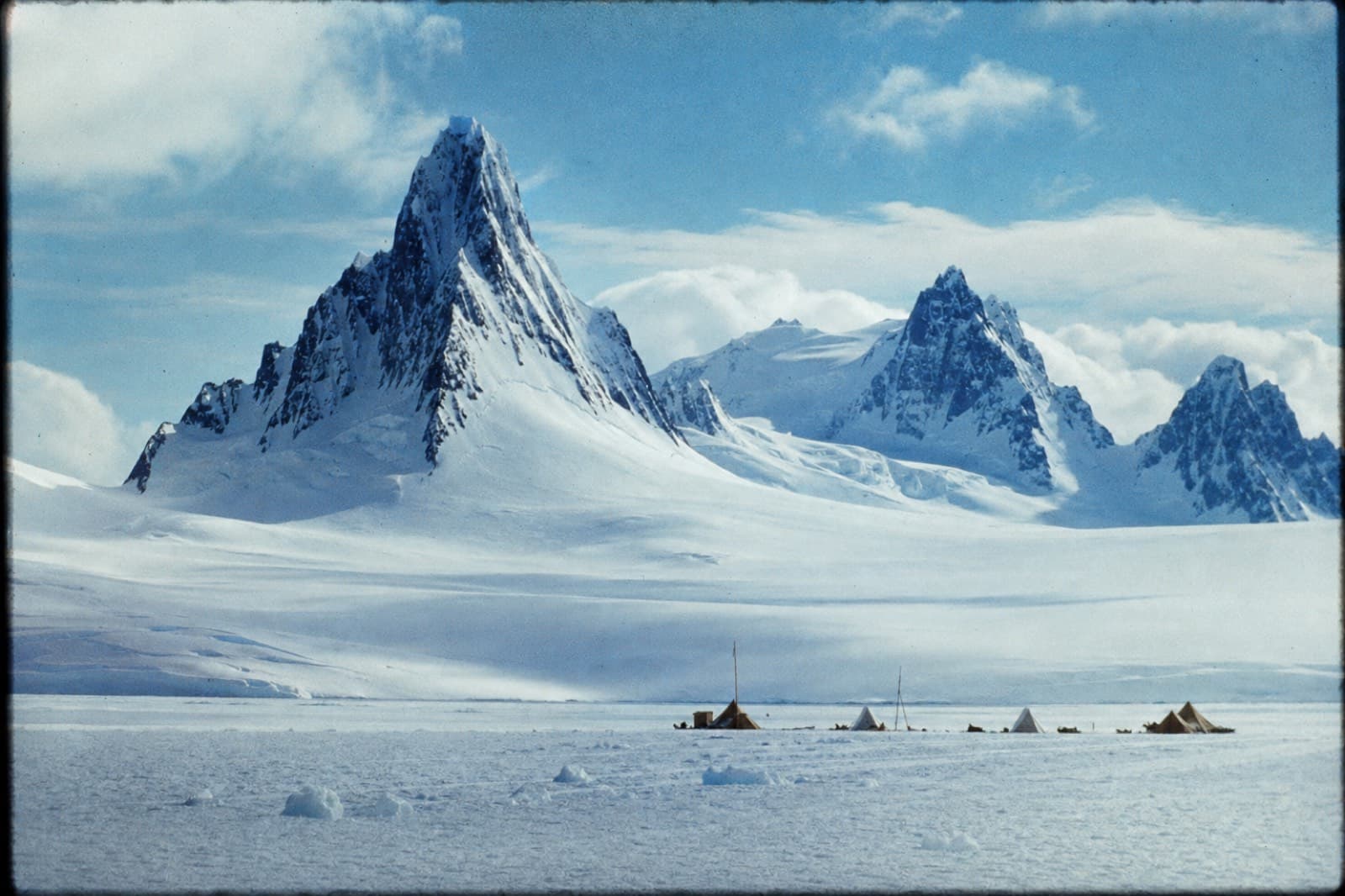
Antarctica is the white silence at the bottom of the world, a continent larger than Europe, wrapped in ice two miles thick, inhabited officially by penguins and occasionally by men in government-funded furs who believe they are mapping geology. They are not wrong. They are not right either. Beneath the ice lie ranges unnamed on public maps, cities built by colonists from the stars, and things that the Miskatonic Antarctic Expedition of 1930–31 saw moving in the dark.
Professor Dyer suppressed his report to prevent another probe. The government listened. The ice did not forget. What woke when the dogs barked may still walk the tunnels under the plateau.
Description
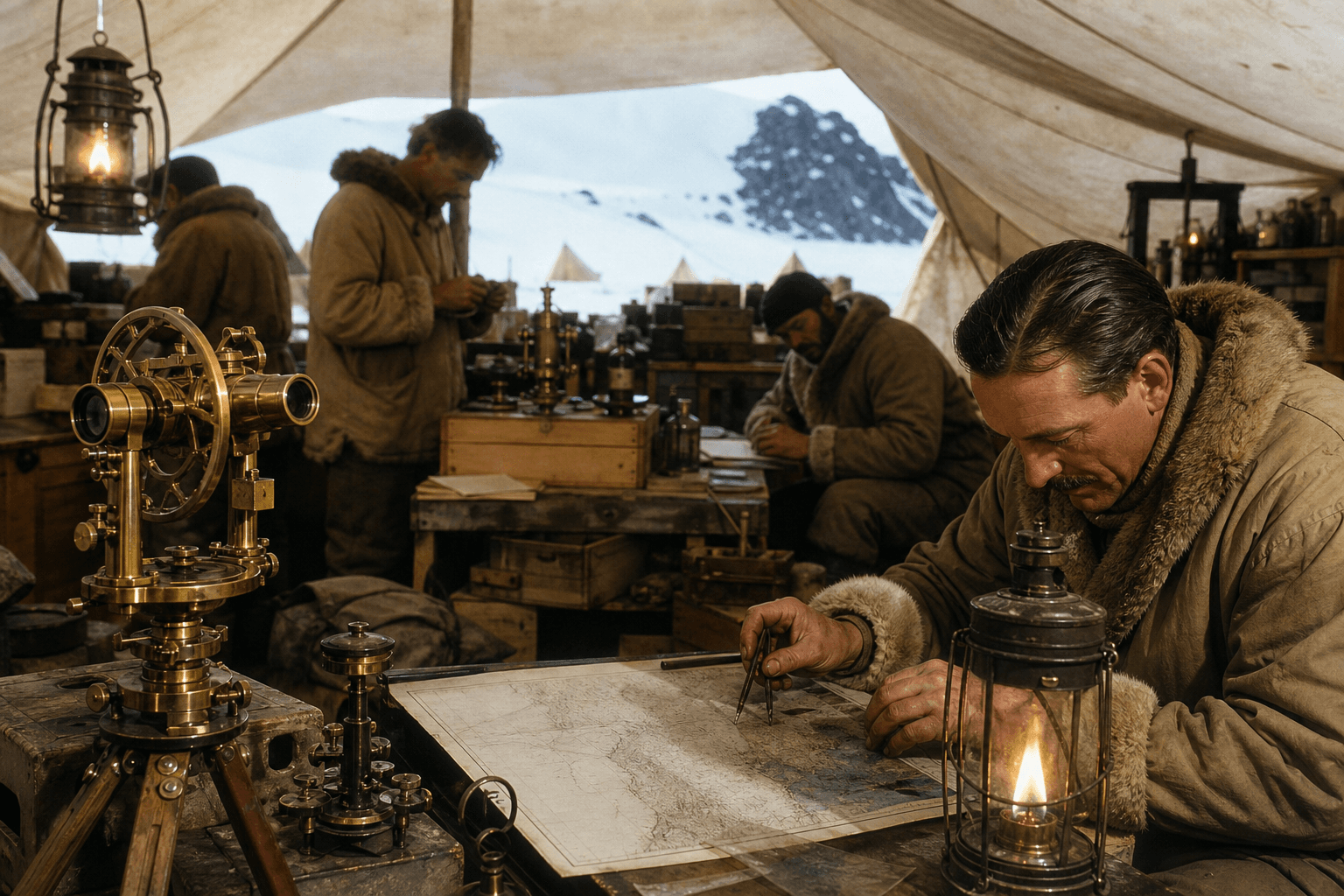
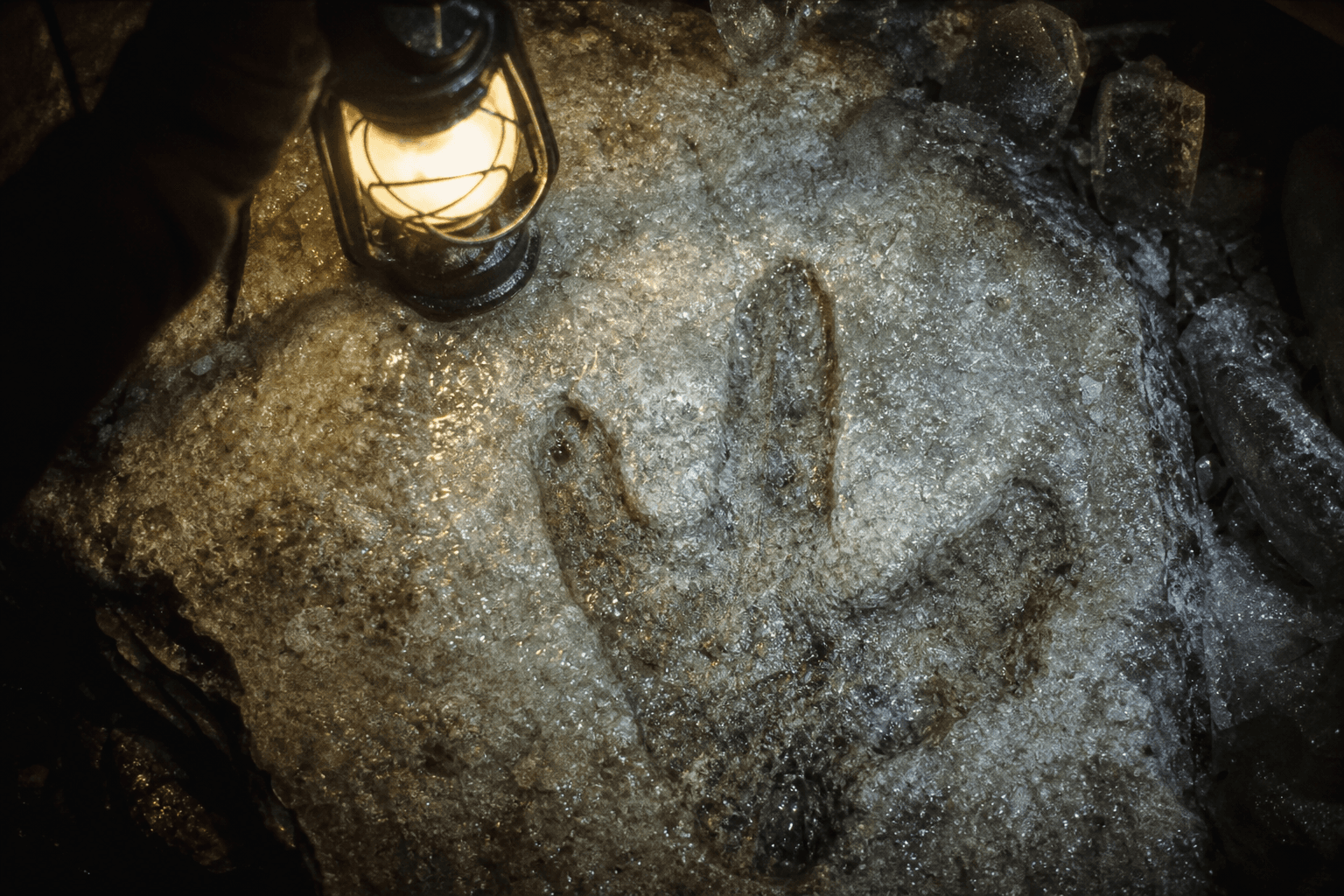
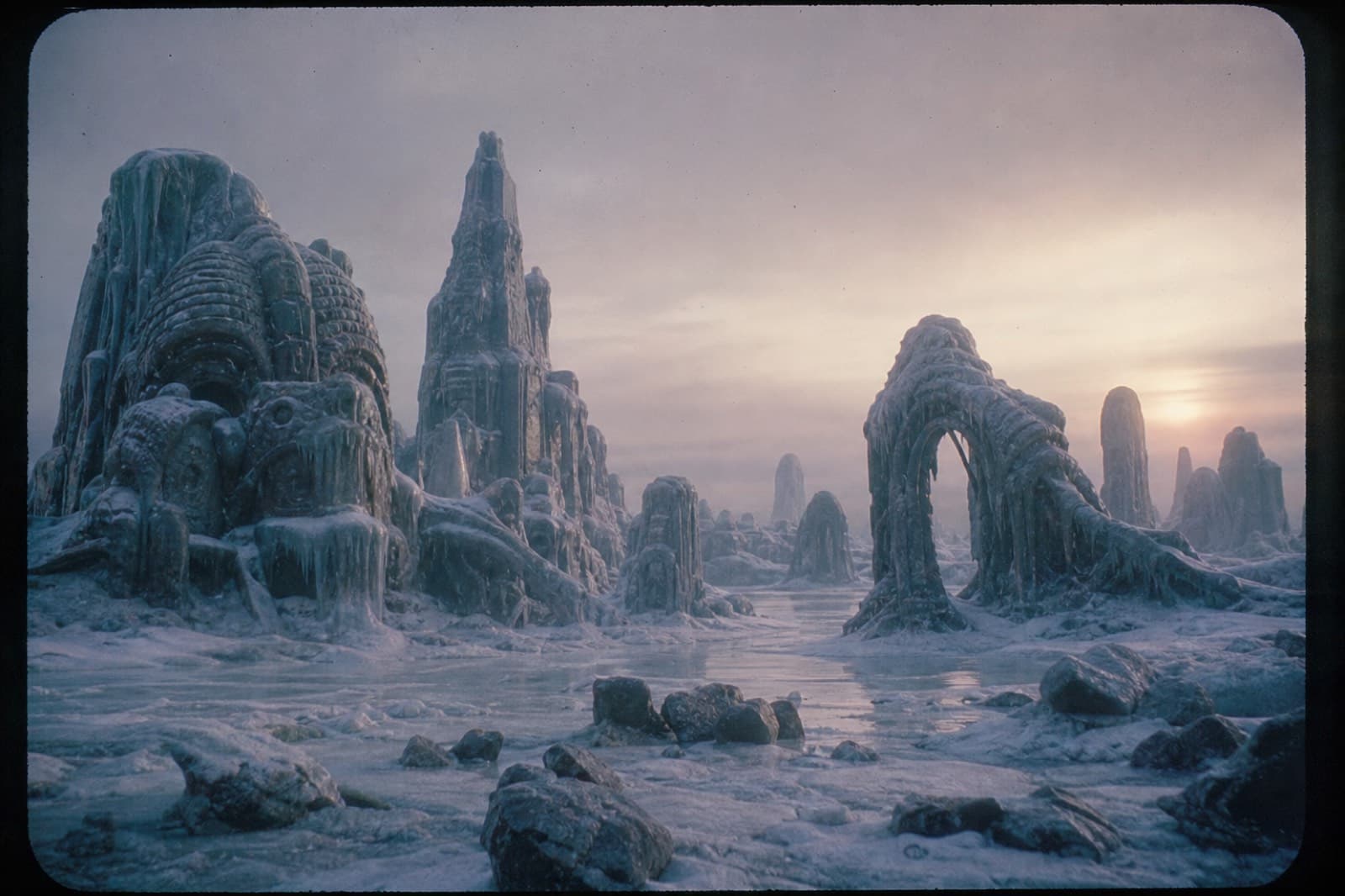
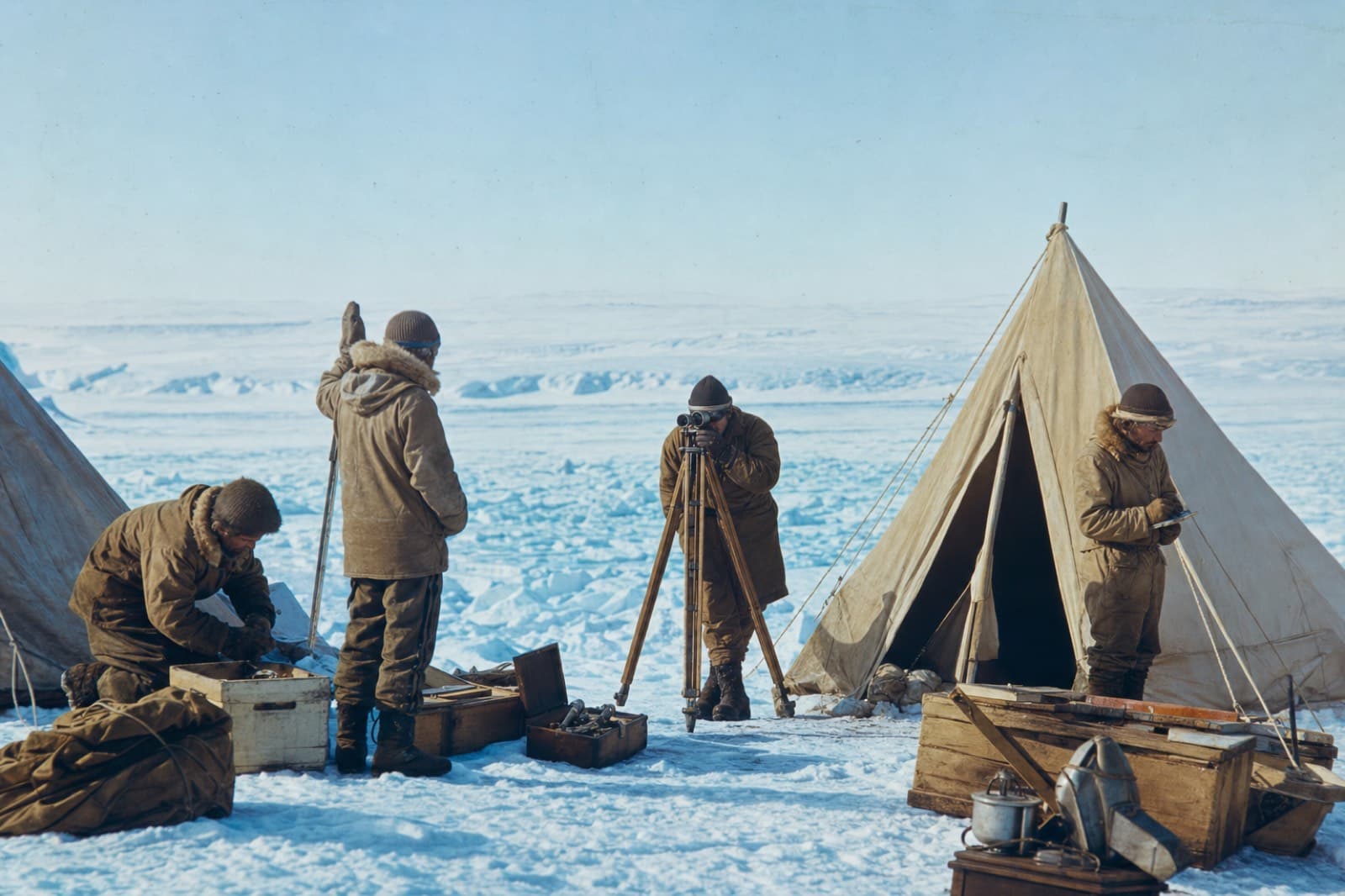
The expedition's route, reconstructed from Dyer's testimony, crossed the Ross Ice Shelf, ascended into the Beardmore region, and penetrated mountain chains whose peaks exceeded Everest. There they found stone cities, fossil specimens of barrel-shaped beings, and murals depicting the entire history of life on Earth from an perspective no human museum would display.
The wind at altitude strips sound from the air. The light is blinding or absent for months. In the permanent twilight of the polar winter, shadows move in ways that have nothing to do with the sun. The camp at Lake was destroyed; the aircraft returned with one man screaming and one man silent forever.
Historical Record
The Elder Things colonized Antarctica when it was warm, built with shoggoth labour, warred with Cthulhu's spawn, and retreated to a final redoubt as the ice advanced and their slaves rebelled. The frescoes tell this story in pigment that should have crumbled millions of years before Homo sapiens existed. Dyer's team proved it with specimens, photographs, and the cost of sixteen men and thirty-seven dogs.
Subsequent expeditions have not duplicated the discovery. Whether that is because the city is buried again or because something guards the approach, the archive does not know. It suspects.
Archive Notes
No Miskatonic-sponsored polar penetration without Board vote and incendiary contingency. Fossil specimens in the university museum are labelled 'unknown prehistoric fauna'; do not correct the labels in public. Personnel who whistle 'Tekeli-li' in the cold are to be relieved of field duty. Antarctica is not empty. It is waiting for the ice to melt enough to matter.
Evidence 01
Evidence 02
Citation: Miskatonic Expedition Archive. Record LOC-005. Access subject to institutional review.
Related Records
Cross-References
CR-001
fragmentaryElder Things
Extraterrestrial Architects
Barrel-shaped beings of radial symmetry who colonized Earth before humanity, built cities in Antarctica, and warred with the spawn of Cthulhu until the shoggoths turned against them.
CR-012
activeShoggoth
Protoplasmic Servitors
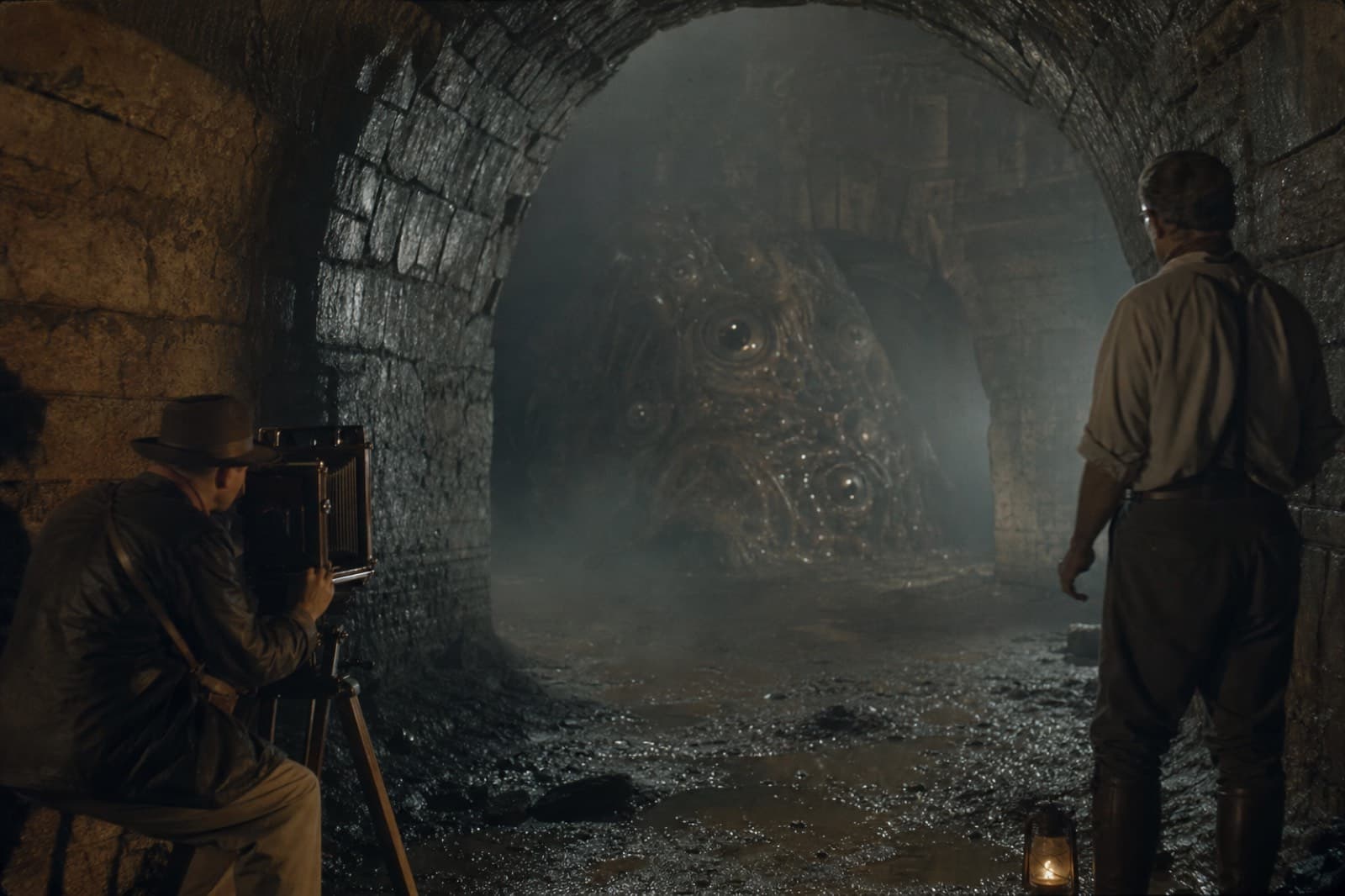
Amorphous protoplasmic entities capable of forming eyes, organs, and appendages at will, created as slaves, now rebellious, and remembered in Antarctic stone.
STY-002
fragmentaryAt the Mountains of Madness
Antarctic Expedition Log
The Miskatonic Antarctic Expedition's discovery of Elder Thing ruins and the shoggoth-haunted history beneath the ice - the report Professor Dyer suppressed so that no plane would fly south again.
LOC-001
activeMiskatonic University
Arkham, Massachusetts
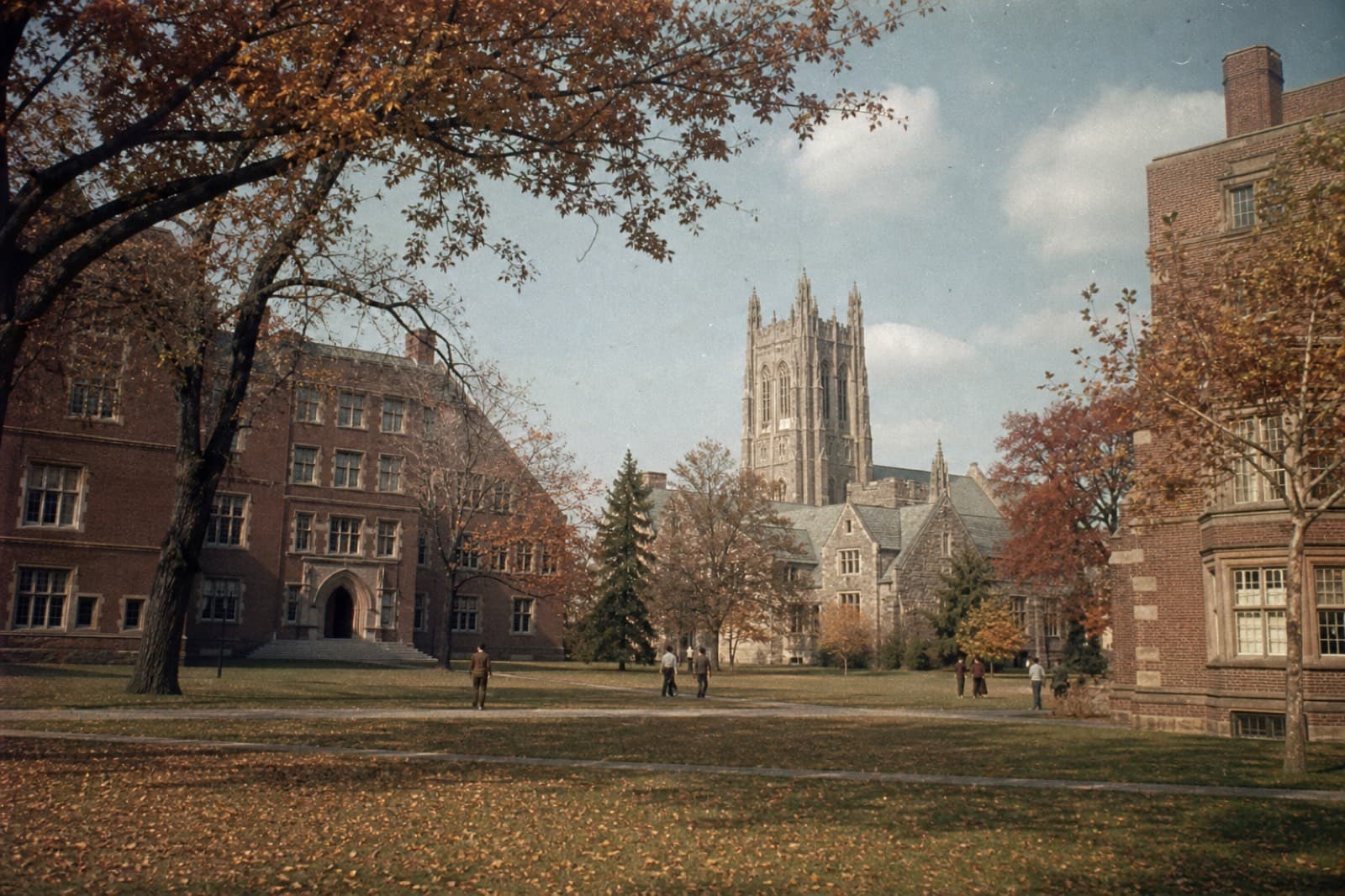
A distinguished New England university whose restricted collections hold manuscripts that should never have been translated, and whose expeditions have redrawn the map of what science dare not know.