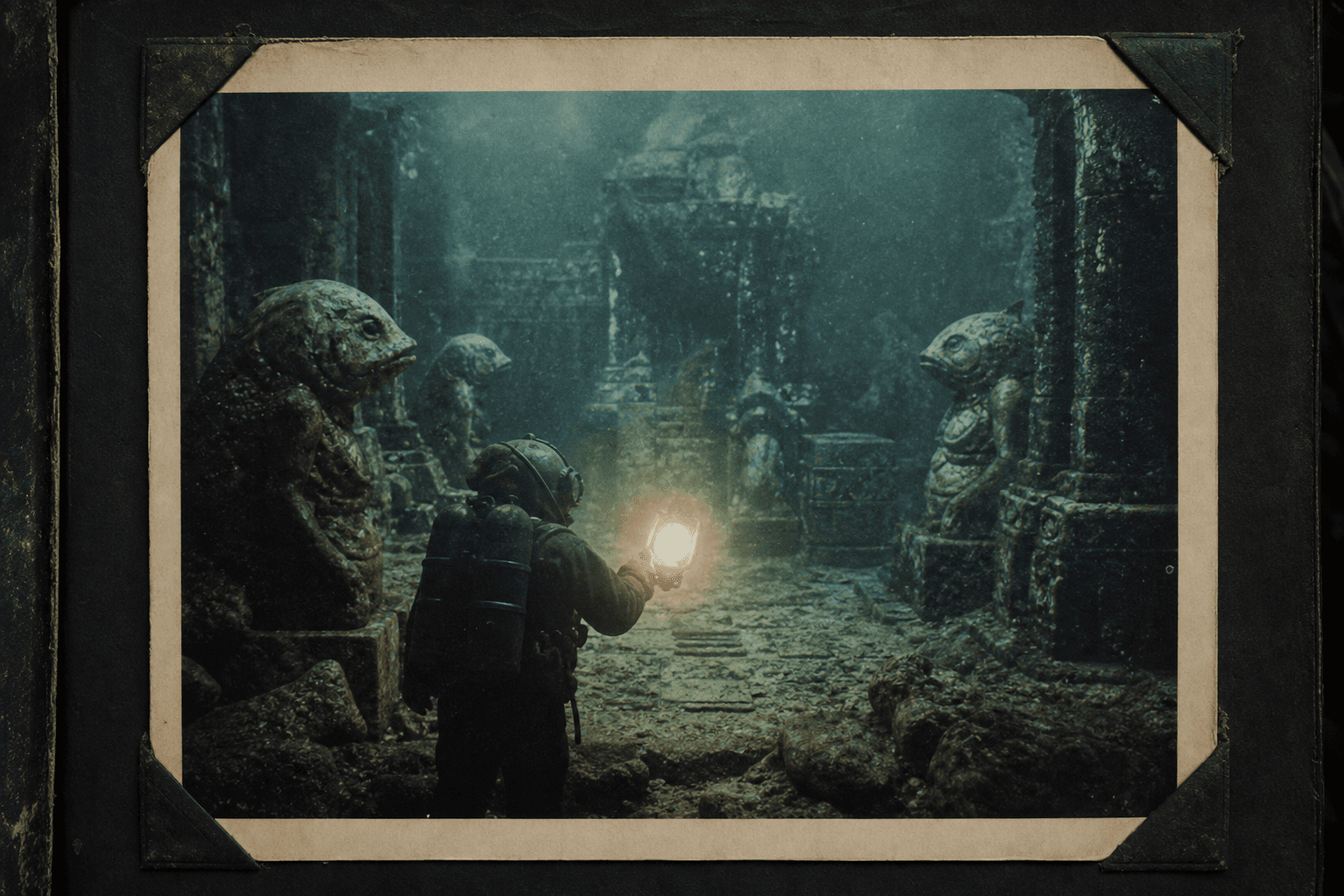


Field Dispatch
Asenath Waite & Body Theft in the Mythos
Identity transfer case file ME-CASE-DOORSTEP.
Waite family
Asenath Waite - a name echoing the biblical witch of Endor - appears in The Thing on the Doorstep (/archive/the-thing-on-the-doorstep) as wife, scholar, and vessel for older evil. Ephraim Waite and Edward Derby form a triangle of identity theft across generations, with Innsmouth bloodlines (/archive/innsmouth) implied in Asenath's pedigree. Edition spellings vary (Estir / Asenath); the archive uses story slug consistency so search and cross-links stay stable.
Waite family roles in the plot
Edward Derby is the vulnerable husband - brilliant, socially prominent, and progressively un-himself after marriage. Asenath performs scholarly intimacy while serving as conduit for Ephraim's continued agency. Ephraim embodies body theft without the maritime hybridism of Deep Ones - horror here is consciousness swap, consent erased, and personality overwritten.
Links to Innsmouth without repeating Innsmouth plots
Readers often arrive from Deep Ones Explained expecting fish-frog genetics; The Thing on the Doorstep delivers psychic invasion and salt-cellar detail instead. The Waite family rhymes with coastal cults - forbidden knowledge, inherited stigma - without duplicating The Shadow over Innsmouth's town-scale conspiracy. Use /cthulhu-mythos to place body exchange beside other identity stories (The Outsider, The Shadow out of Time).
Archive authority and spelling variants
Full incident timeline and ending spoilers belong in /archive/the-thing-on-the-doorstep - consult before teaching, adapting, or streaming reaction content. This dispatch orients character and theme; the dossier carries plot machinery.
Derby, Asenath, and Ephraim as a three-body problem
Edward Derby's social visibility makes him the perfect host: everyone notices when a Boston intellectual marries an Innsmouth-linked scholar, but few accept that Ephraim never stopped occupying the marriage. Asenath is therefore double - character and mask - which fuels Estir/Asenath spelling debates in editions without changing the core fear: who signs your letters?
Boston respectability and Innsmouth stigma
Derby's circle trusts credentials - clubs, journals, engagements - so wrongness must appear as manners first. That class lens separates The Thing on the Doorstep from rural Dunwich breeding plots while keeping both in /cthulhu-mythos identity clusters. Assign /archive/innsmouth for pedigree context without requiring the full Innsmouth novella first; assign Deep Ones Explained only when comparing genetic horror to psychic occupation.
Waite names and biblical echo
Asenath's biblical echo signals witch literacy without delivering a witch trial plot - Lovecraft uses name as foreshadowing, then occupation as mechanism. Keep Estir variants visible in footnotes once, then unify on archive slugs so student papers cite stable URLs across editions.
Salt, keys, and the doorstep image
Motifs of salt, locked doors, and things delivered structure the tale's domestic horror. They rhyme with Innsmouth coastal detail but do not require fish imagery - useful when readers arrive from Deep Ones Explained expecting hybrids only. Place the story in /cthulhu-mythos beside identity tales, not beside maritime novellas, unless a syllabus explicitly compares body politics across coast and city.
Primary sources and edition notes
Del Rey, Penguin, and Arkham House editions preserve the same core plot while varying typography and footnotes; the archive slug stays constant so your links do not break when students bring different shelves to class. When a student quotes Estir, note the variant and return to Asenath for search consistency across the site.
Who should read this dispatch first
Assign Waite material after The Shadow over Innsmouth if you want Innsmouth bloodline context; assign it after The Outsider if you want identity horror without fish imagery. In both cases, finish in /archive/the-thing-on-the-doorstep for plot evidence once themes are established here. Ephraim Waite's persistence through Asenath is the story's true villainy - occupation that outlasts death of the original host.
Scholarly intimacy as attack surface
Asenath enters Derby's life as colleague and partner - horror through trust, not sudden monsters. Note Estir/Asenath variants once, then unify to archive slugs; place the tale in /cthulhu-mythos identity clusters beside The Shadow out of Time.
Derby's social circle as early warning system
Friends who knew Derby's handwriting and laugh register wrongness before any supernatural vocabulary appears - Lovecraft treats recognition delay as tragedy, not comedy. Compare that delay to Innsmouth narrators who see the Innsmouth look long before they name Deep Ones; both stories punish politeness and denial. Assign /archive/the-shadow-out-of-time when syllabi compare identity across epochs rather than across generations in one marriage.
Body theft theme
Body theft in Lovecraft predates modern swap tropes in film and comics: the terror is consent erased, marriage as trap, and personality overwritten by someone who has practiced the art for decades. The Thing on the Doorstep makes domestic intimacy the attack surface - Derby's friends see mannerism shifts before they articulate supernatural explanation.
Consciousness, property, and the self
Lovecraft frames identity as fragile property - something that can be occupied, borrowed, and returned wrong. That theme resonates with Innsmouth hybrids who inherit bodies that will leave land, but here the mechanism is will and ritual, not spawn. Read alongside Deep Ones Explained for coastal genetics versus psychic invasion; read /archive/forbidden-knowledge concept material when teaching epistemology in mythos fiction.
Gender, marriage, and scholarly horror
Critics debate how Asenath functions as wife-horror, witch-horror, and father-horror simultaneously - Ephraim's will persists inside Asenath's social role. Modern adaptations sometimes reposition those dynamics; primary text remains the debate's anchor. /cthulhu-mythos links the story to Yog-Sothoth-adjacent themes without claiming every Waite scene is a Dunwich duplicate.
Teaching and adaptation cautions
Body theft endings are graphic in implication - content warnings serve classrooms better than surprise. Link students to /archive/the-thing-on-the-doorstep after thematic discussion so spoilers land with evidence. Pair with The Shadow out of Time when comparing identity across time rather than across generations in one marriage.
Marriage, consent, and criticism
Modern critics read Asenath as wife-horror, witch-horror, and vessel-horror simultaneously; adaptations sometimes reframe gender dynamics but should cite what changes relative to text. Body theft is not a swap trope punchline here - it is erasure of consent across years, which makes the story uncomfortable in ways jump scares cannot replicate.
Yog-Sothoth adjacency without Dunwich duplication
The story touches Yog-Sothoth-adjacent forbidden learning without Dunwich's hilltop set-piece. Teach that distinction so students do not merge every Waite reference into Whateley breeding plots. /archive/forbidden-knowledge helps frame epistemic stakes when you are not ready for full Dunwich spoilers.
Adaptation and RPG notes
Scenario writers often import consciousness swap rules from later games; flag those imports as mechanics, not canon. Primary text cares about dread of recognition - friends who know Derby's gestures and still cannot act in time. That delay is what syllabus planners should preserve in discussion before any spoiler ending is revealed from /archive/the-thing-on-the-doorstep.
Asenath in search and scholarship
asenath lovecraft and estir lovecraft traffic is often character-first - readers want a who before they want Yog-Sothoth charts. Serve that intent with character context here and plot depth in the archive; do not paste ending paragraphs into SEO blurbs. Body theft deserves content warnings in syllabi because implication is the weapon, not gore counts.
Cross-links that prevent mythos confusion
Link to Deep Ones Explained only for comparison; link to Wilbur Whateley only when teaching breeding vs occupation horror side by side. Otherwise students merge every Innsmouth surname into fish plots or every wizard into Dunwich hills. /cthulhu-mythos helps sort entities once themes are named in discussion.
Reading order without spoiler dumps
Place The Thing on the Doorstep after Innsmouth material if you want bloodline context; place it after The Outsider if you want identity without maritime plots. Either path should end at /archive/the-thing-on-the-doorstep for citations students can quote in papers. Compare Derby's friends to narrators who delay belief until manners shift - Lovecraft repeats social cost of knowing across coast and city tales indexed at /cthulhu-mythos. Readers should leave with three names - Derby, Asenath, Ephraim - and one question: who signed the last letter.
Letters, mannerisms, and forensic reading
Lovecraft trains readers to treat handwriting, laughter, and invitations as evidence - the same epistemic discipline Arkham librarians use on forbidden folios. Assign /archive/forbidden-knowledge when syllabi compare occupation horror to book horror; assign Arkham, Massachusetts when students need institutional context for Miskatonic friends who witness Derby's decline. Body theft endings are implication-heavy - schedule content warnings, then read the primary story in /archive/the-thing-on-the-doorstep so recognition horror lands with textual proof, not summary alone. The Outsider (/archive/the-outsider) pairs well when syllabi compare identity without marriage plots. Asenath dispatches should never replace /archive/the-thing-on-the-doorstep as plot authority.
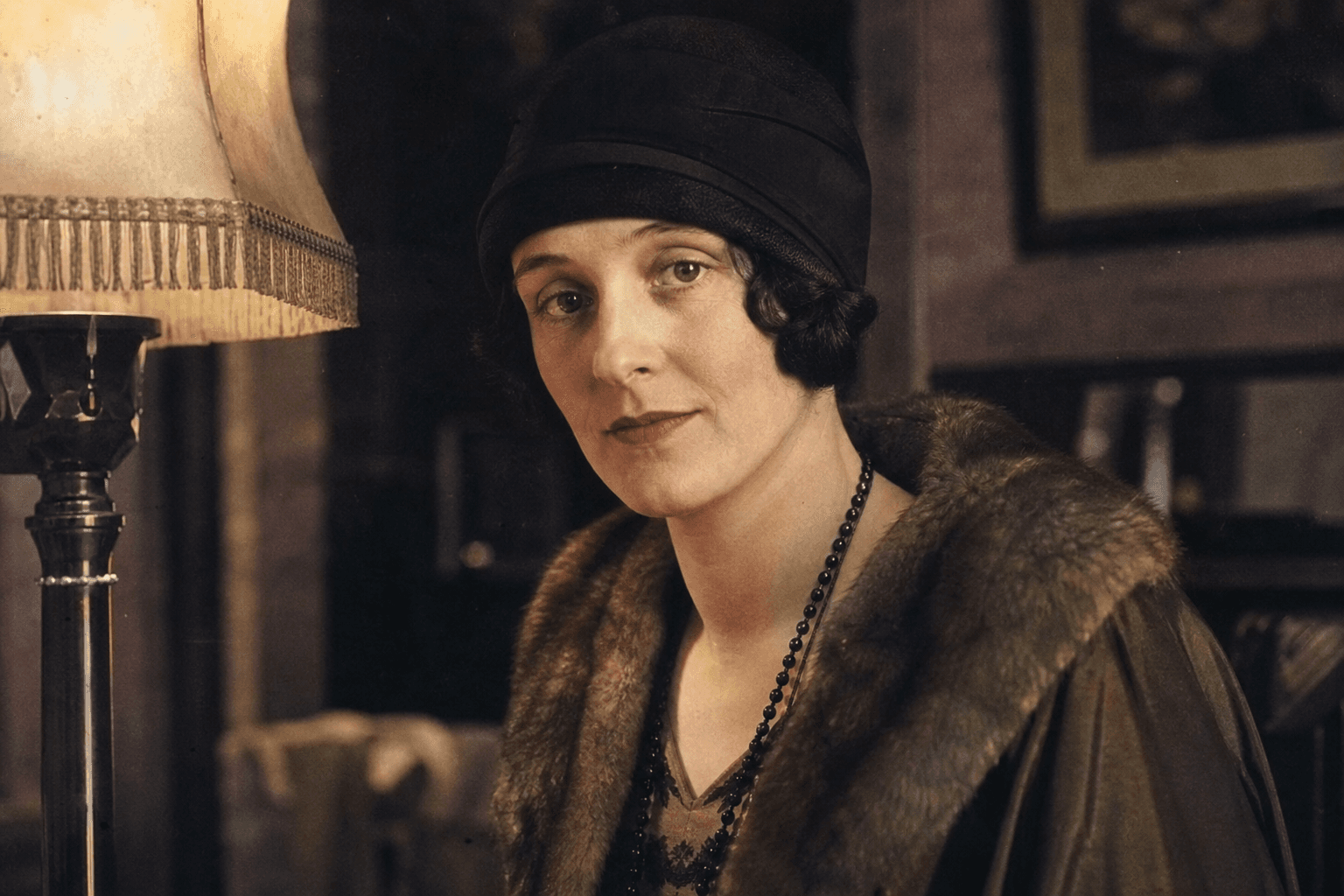
Evidence 01
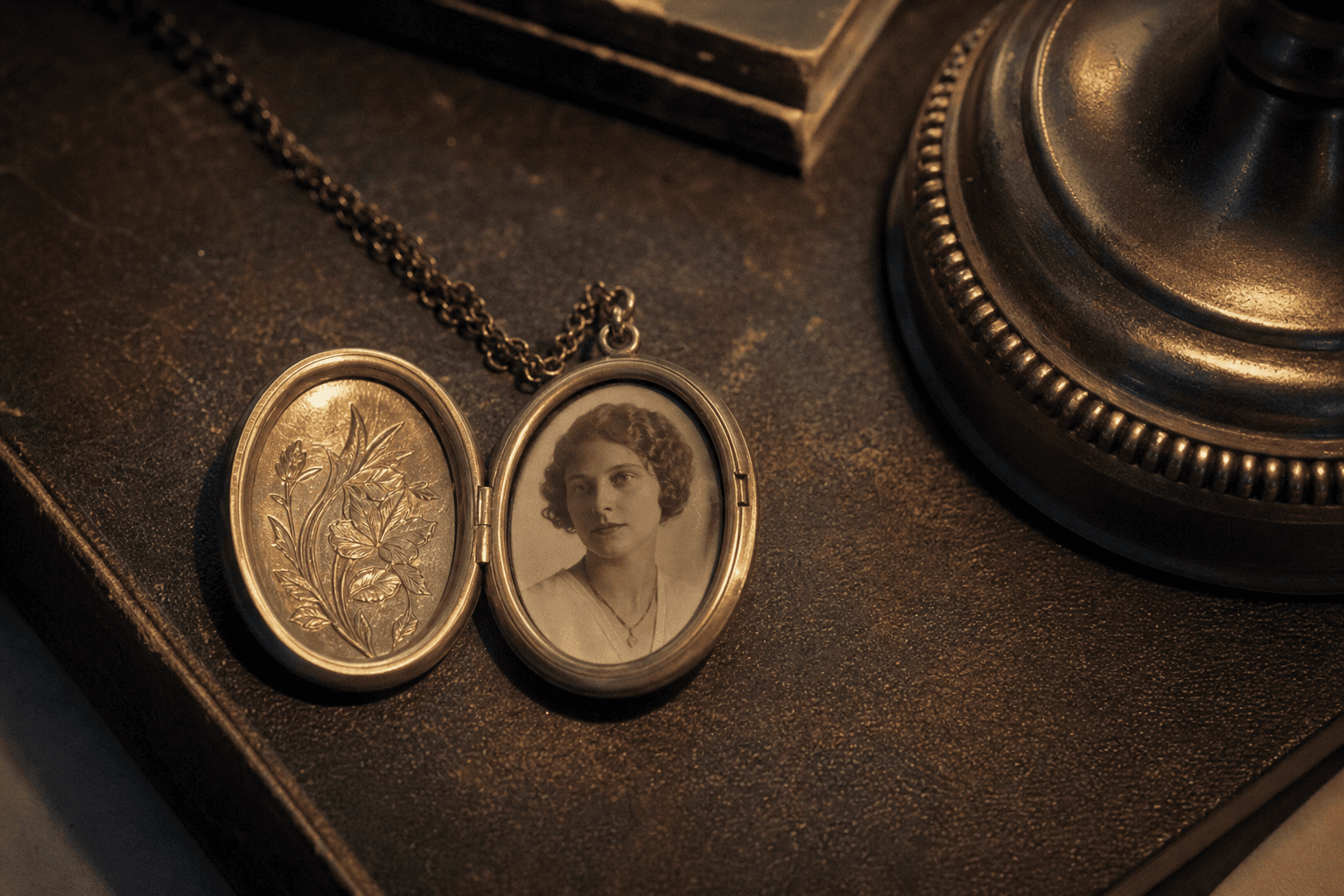
Evidence 02
Dispatch ASENATH_WAITE_AND_BODY_THEFT · Primary keyword: asenath lovecraft
Primary sources
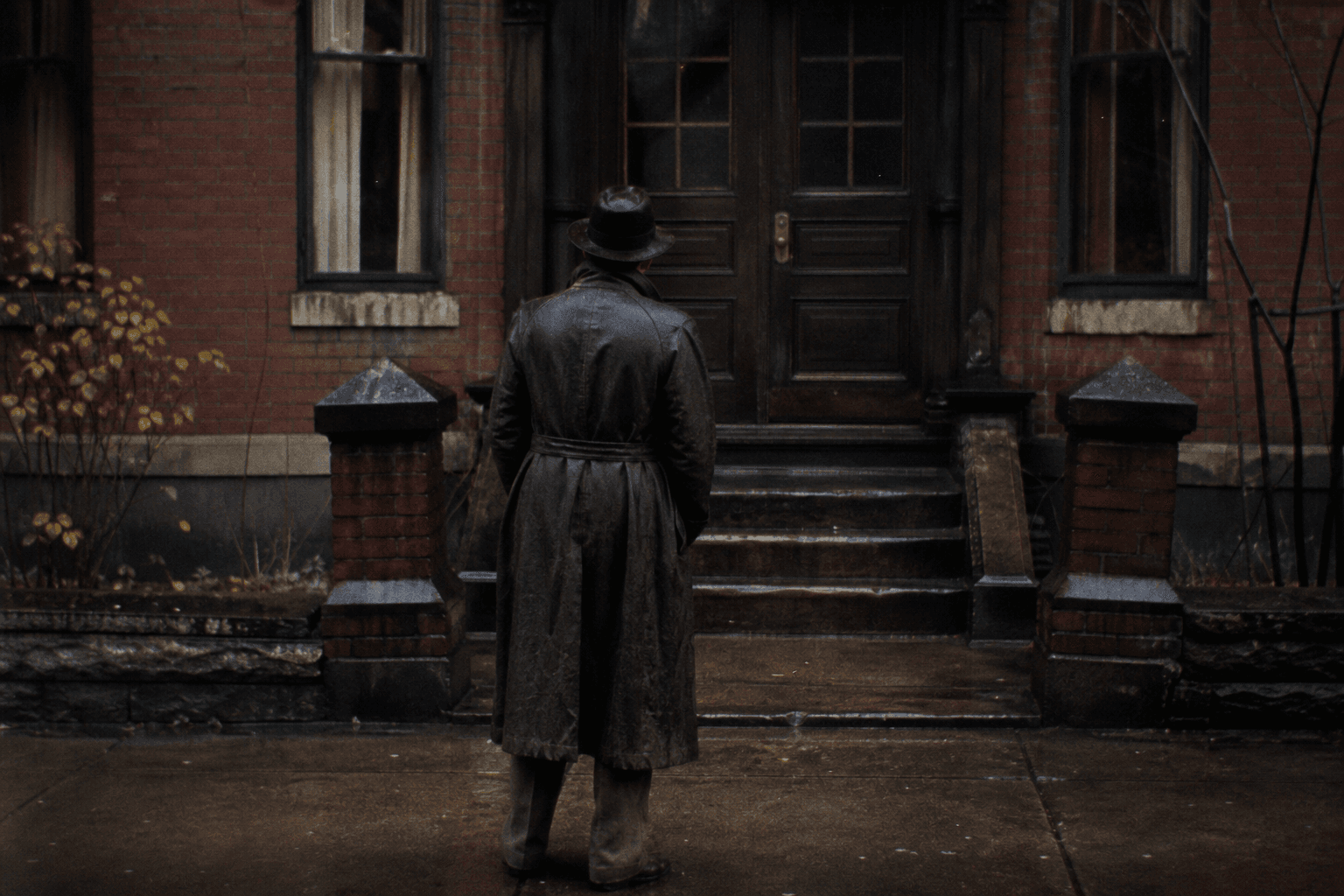
STY-107
activeThe Thing on the Doorstep
Arkham Possession - 1933–1937
Edward Derby marries Asenath Waite and learns body-exchange from her father Ephraim - Yog-Sothoth's key worn in flesh until a thing in a bathrobe knocks on Daniel Upton's door.
LOC-003
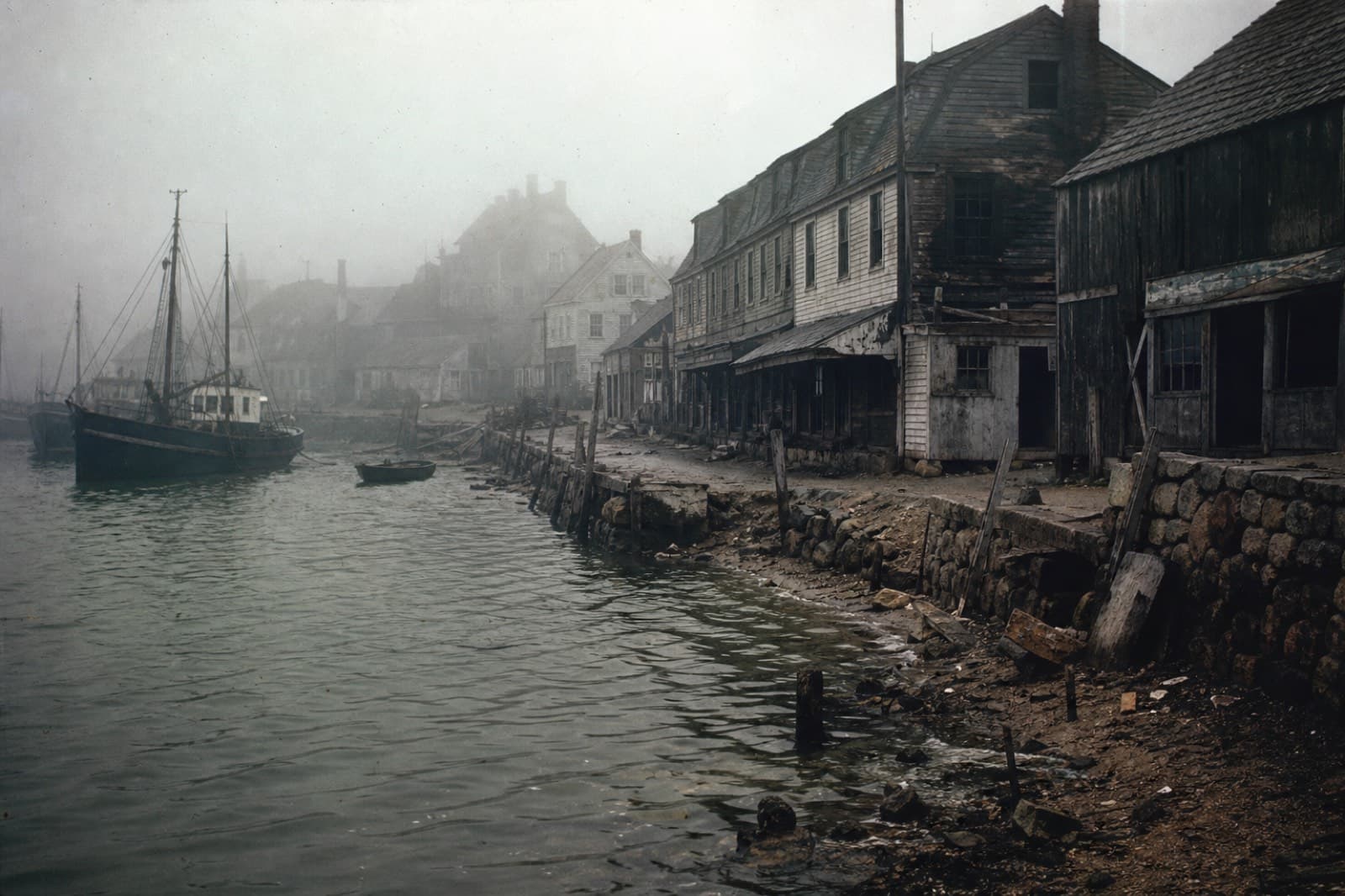
activeInnsmouth
Decaying Port on the Manuxet
A fish-smelling coastal town whose inhabitants bear an unsettling familial resemblance and who look seaward with too much devotion, a place the government raided and the sea has not yet finished claiming.