
Field Dispatch
Lovecraft on Screen - Films & Adaptations
Visual reconnaissance - dramatized field incidents.
Closest adaptations
Lovecraft film adaptations face structural enemies: first-person dread, ambiguous endings, and monsters described as indescribable conflict with cinema’s need for visible stakes and climax. Still, some productions aim close in tone fidelity - folk horror restraint, practical effects, short runtime discipline. Richard Stanley’s color-soaked cosmic dread and Dunwich-adjacent work channel New England decay without pretending fish people are Marvel finales. Independent shorts of “The Statement of Randolph Carter” or Pickman’s Model /archive/pickmans-model sometimes succeed by keeping scope legible.
Closest adaptations: fidelity as tone, not transcription
Treat “faithful” as atmospheric alignment, not plot transcription. The best screen Lovecraft chooses one story beat - Innsmouth pursuit, Dunwich hillside, Pickman’s tunnel - and builds outward with modest means. Compare any film to its archive dossier before debating changes: /archive/the-shadow-over-innsmouth for chase geography, /archive/the-dunwich-horror for family structure. Screenwriters must name what prose left vague; that naming will always betray someone’s headcanon - judge whether betrayal serves clarity or sells toys.
Short films, student work, and festival circuit
Shorts reward Lovecraft short story film logic - one idea, one twist, one exit. Festival cuts often respect silence; YouTube fan films often overuse CGI slime. Train viewers to ask: did the film preserve institutional failure? If heroes punch gods, you are watching translation into action grammar, not cosmic horror. Audio dramas sometimes beat film here - see the audio section of this dispatch and /journal/best-lovecraft-audiobooks.
Stanley, folk horror, and New England palette
Richard Stanley’s work interests the expedition for folk cosmic horror - color as contamination, landscape as character. Compare to The Colour out of Space /archive/the-colour-out-of-space prose and /journal/read-lovecraft-online access paths. Folk horror resurgence helps Lovecraft aesthetically while risking aesthetic-only engagement - pair films with prose so Innsmouth is not reduced to “spooky fishing town vibes.”
Fidelity checklist before you argue online
Before posting hot takes, note runtime, budget, target era, and which story beat survived. Cite archive slugs when claiming betrayal. Recommend fiction-first paths via /journal/where-to-start-lovecraft to newcomers who watched a film and think they “know” Cthulhu. Cosmic horror cinema works best as recruitment, not graduation.
Subtitles, pacing, and home viewing
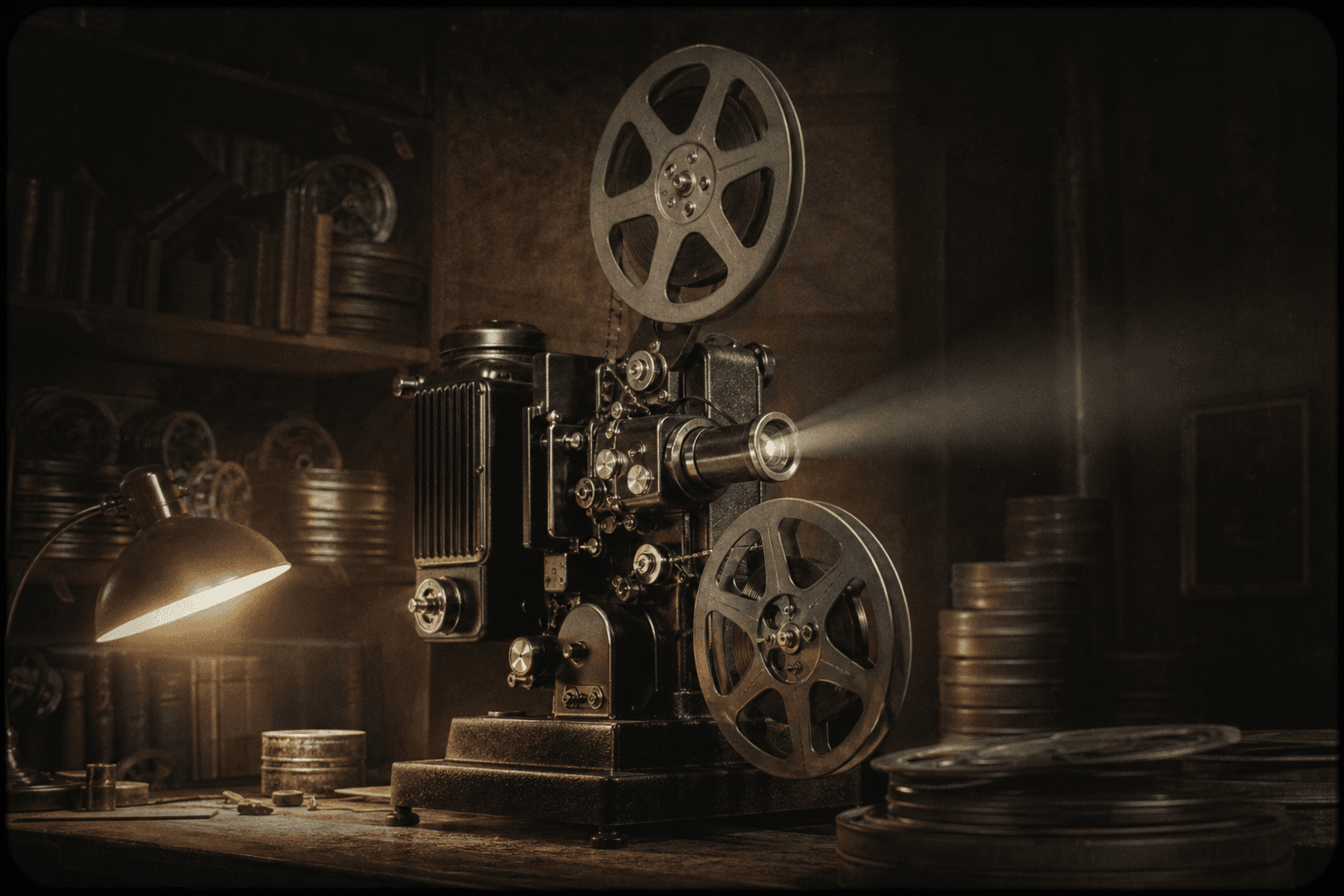
Lovecraft streaming releases vary by region - verify uncut runtime before reviews. Watch with subtitles even in English; pulp names blur in audio mixes. Pause after testimony scenes in Innsmouth-adjacent films; map who knows what. Home projectors reward fog-heavy films; phones crush shadow detail. Host watch parties with one assigned reader who brings prose excerpts for after-credits discussion.
Inspired-by works
Inspired-by Lovecraft films - Re-Animator, From Beyond, Dagon - trade canonical plot for exploitable hooks: serum panic, pineal sight, fishpeople as body horror fuel. They are valid entry points if labeled honestly as Lovecraftian horror movies, not as replacements for primary texts. Guillermo del Toro’s unproduced At the Mountains of Madness became legend for scope; finished Hollywood Lovecraft often sandboxes mythos into action beats because studios fear unmarketable ambiguity.
Inspired-by works: hooks, hybrids, and honesty
Re-Animator channels Herbert West energy without classroom fidelity - /archive/herbert-west-reanimator archive record restores prose tone. Dagon borrows Innsmouth iconography with Spanish coastal filming - useful mood, different sociology. Teach viewers to enjoy hybridity without citing films in wiki edits as plot witnesses. Cthulhu Mythos on film frequently means tentacle wallpaper; distinguish wallpaper from stories that actually study knowledge’s cost.
Lovecraft Country and critique on screen
Matt Ruff’s Lovecraft Country and HBO adaptation engage mythos imagery while confronting racism - see /journal/lovecraft-country-guide. This is not “loose” in the exploitative sense; it is strategic repurposing. Compare to Lovecraft’s actual Innsmouth politics via /journal/obed-marsh-and-innsmouth-history. Screen successors on streaming often cite Lovecraft without naming him; /journal/modern-lovecraftian-horror tracks prose heirs when film lists fail.
Franchise logic versus cosmic logic
Franchises demand returning monsters and escalating stakes; cosmic horror demands diminishing human agency. Every Hollywood compromise is predictable - catalog them, do not feign surprise. Indie films sometimes restore agency loss by shrinking cast and budget. Support indies when you complain about blockbusters - markets read receipts.
After loose films: return to fiction and manga
Send viewers from loose films to prose Shadow over Innsmouth, then Tanabe manga (/journal/gou-tanabe-lovecraft-manga), then /cthulhu-mythos. The expedition prefers honest labeling over purity policing - Re-Animator fans can become Joshi readers if someone hands them a portable edition from /journal/best-lovecraft-book-editions.
Soundtracks, scores, and mood without plot
Some Lovecraftian film scores outlast their movies - use them as prose reading ambiance if lyrics-free. Do not confuse mood tracks with adaptation fidelity; horns do not equal canon. Del Toro’s unproduced Mountains materials circulate as documentaries and art books - study them as might-have-been craft, not as replacement for /archive/at-the-mountains-of-madness. Keep a list of films that honestly label “inspired by” in credits; recommend those first to newcomers.
BBC & audio drama
Lovecraft audio drama often outperforms film because voice and silence suggest without showing - budget constraints become aesthetic allies. The Shadow over Innsmouth /archive/the-shadow-over-innsmouth works as multi-voice testimony; Pickman’s Model as confession between two men who should have stopped talking. BBC radio traditions respect pauses; indie podcasts experiment with found-footage sound design until they forget plot.
Screen versus audio: shared casting problems
Film and audio share casting problems - who speaks for the cult, who narrates the unreliable archive - but audio can hide creature budgets that bankrupt features. Cross-reference /journal/best-lovecraft-audiobooks for solo narration versus full cast. Wayne June’s baroque register contrasts HorrorBabble neutrality; dramas add ensemble clarity. Choose audio when your imagination is stronger than CGI; choose film when you need communal viewing.
Radio drama structure and classroom use
Assign radio dramas as primary text companions - students hear pacing, then read prose to see what language adds. Discuss how sound effects direct guilt (footsteps, wet voices) versus how prose leaves guilt internal. Compare BBC approaches to GraphicAudio density; density fatigues; spareness haunts.
When audio adapts better than camera
Stories built from documents - Call of Cthulhu, Innsmouth investigations - shine in audio. Stories demanding vast geography - Mountains - sometimes fail in low-budget audio unless narration carries exposition deliberately. Pickman’s art revelations work in audio if voices carry revulsion; visual adaptations must show art and risk cartoonishness.
Unified media diet for mythos students
Rotate film, audio, manga, and prose quarterly to avoid medium tunnel vision. Route entity confusion to /archive/cthulhu and /archive/nyarlathotep, not to whichever actor wore tentacles best. Lovecraft adaptation studies belong in /cthulhu-mythos orbit fiction-first - screen and audio are satellites, bright and useful, not the planet.
Accessibility, captioning, and descriptive audio
Horror relies on sound - captioned Lovecraft films help deaf viewers catch cult chants misheard by hearing audiences. Audio description tracks vary in quality; test before classroom use. If a film fails accessibility, pair it with a prose assignment covering the same beat. Podcast adaptations may include transcripts - favor those for syllabus inclusion.
Franchise fatigue and annual rewatch discipline
Lovecraft rewatch value drops when you chase every tentacle cameo in shared universes - schedule annual focused rewatches of one faithful short plus its archive dossier instead. Keep a dated log: film title, runtime, deviation notes, prose story assigned afterward. Students learn more from one disciplined chain than from twenty TikTok clips of blue filters.
Criterion culture, commentaries, and director intent
Director commentary tracks on cosmic horror discs sometimes cite Lovecraft without naming stories - pause and identify the likely source tale, then read that tale. Commentaries are paratext, not canon, but they teach craft. Avoid arguing with directors in YouTube comments; write a dispatch-style note in your own journal instead.
Subgenre hybrids: folk horror and cosmic dread
Folk horror film hybrids often borrow Lovecraft without credits - note when a movie uses New England decay, cult bargains, or color contamination without naming sources. Assign matching prose after viewing; students learn recognition, not just franchise branding.
Evidence 01
Evidence 02
Dispatch LOVECRAFT_ON_SCREEN · Primary keyword: lovecraft guillermo del toro
Primary sources
STY-004
activeThe Dunwich Horror
Rural Incident - 1928
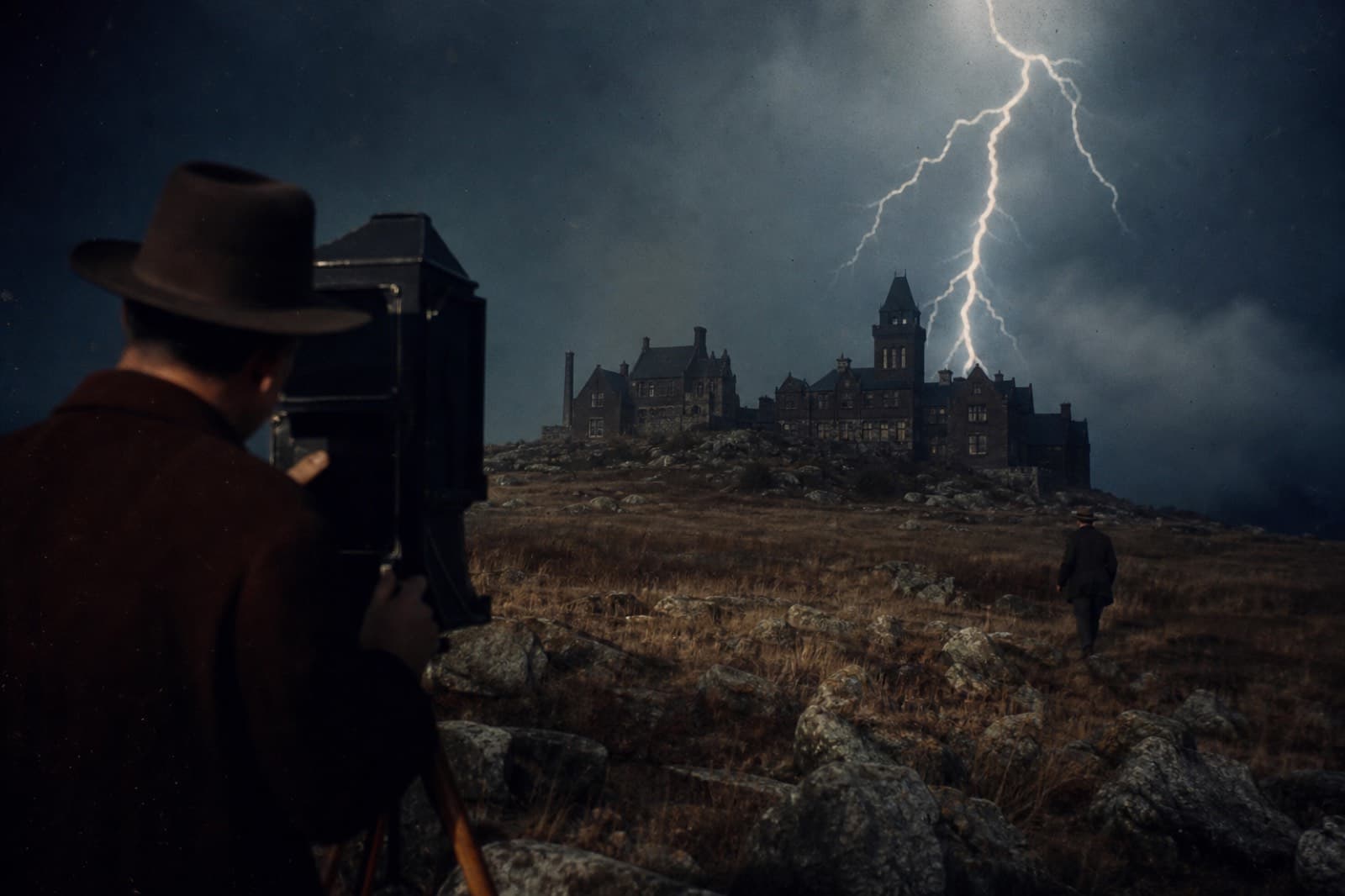
The Whateley twins, an invisible monstrosity, and rites on Sentinel Hill - when Miskatonic scholars used the Necronomicon as a weapon and learned that some doors, once opened, never close.
STY-003
activeThe Shadow over Innsmouth
Coastal Investigation - 1927
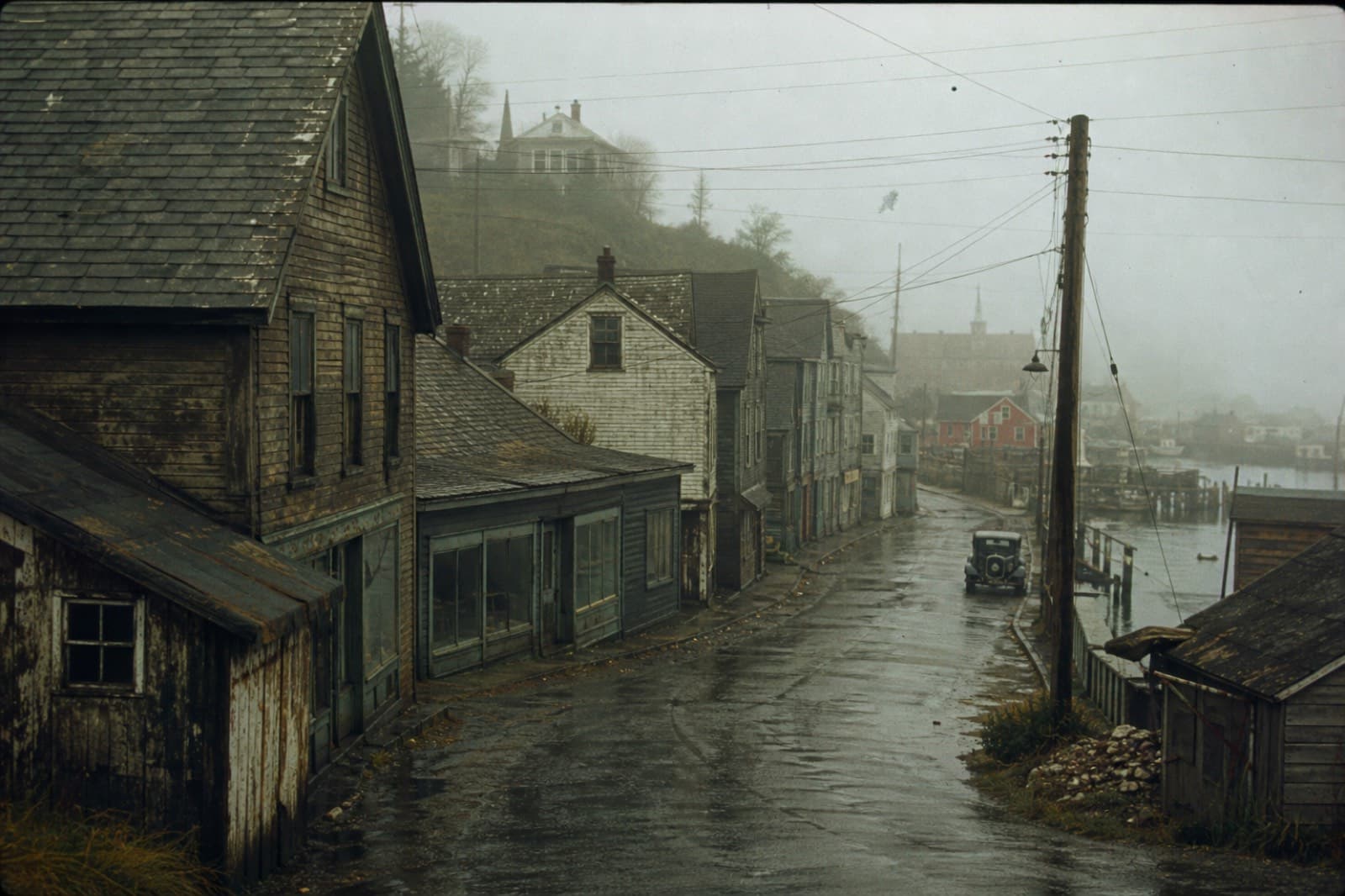
An undercover inquiry into Innsmouth reveals the Deep One pact and a transformation that waits in the blood - the story that explains why some coastal families do not die, they depart.