


Field Dispatch
Gou Tanabe's Lovecraft Manga Adaptations
Visual reconnaissance reports - manga as field illustration protocol.
Who is Gou Tanabe?
Gou Tanabe has become the most systematic Lovecraft manga interpreter of major fiction in print - faithful panel pacing, restrained gore, and respect for source dialogue even when visualizing the unvisualizable. His career outside the mythos includes mystery and historical manga; within weird fiction adaptation he treats each volume as a discrete mission with clear beginning and end, ideal for readers who want images without replacing prose. Tanabe’s line work favors architecture, horizon, and negative space over splatter; he earns trust by refusing casual modernization of New England and Antarctic settings.
Who is Gou Tanabe?: style, fidelity, and trust
Tanabe’s manga horror pacing mirrors Lovecraft’s slow disclosures: corridors before creatures, testimony before transformation. He is not Cliff Notes with speech bubbles; he is reconnaissance for readers who need to see scale - ice tunnels, Innsmouth rooftops, Dunwich hills - before or after primary text. Keep archive records open beside pages: /archive/at-the-mountains-of-madness for expedition structure, /archive/the-shadow-over-innsmouth for pursuit rhythm. Compare his restraint to Western illustrated editions in /journal/francois-baranger-illustrated-lovecraft when you study how two traditions render the same refusal to show.
Why manga fits Lovecraft’s narrative architecture
Lovecraft built many tales as documents - letters, reports, depositions. Manga letter layouts and panel gutters naturalize that structure without voice-over crutches. Cosmic horror manga also benefits from Japanese comics tradition: silence, chibi absence, and cinematic widespread panels carry dread where Hollywood demands teeth. Tanabe exploits those tools without turning gods into action heroes. Readers arriving from anime memes should still read fiction; manga supplies geography and silhouette, not authoritative wording.
Tanabe versus scanlation and licensing hygiene
Licensed English hardcovers and digital chapters deserve support when available - official Lovecraft manga funds translation and keeps text paired with art legally. Scanlation habits trained a generation to treat art as disposable; collectors who care about mythos longevity should buy official volumes when print returns. Regional ISBN chaos means Japanese tankōbon may precede English - track publisher announcements rather than rumor threads. Out-of-print prices spike; libraries and interlibrary loan help students.
Field dispatch: how the expedition uses Tanabe
We cite Tanabe when teaching visual mythos literacy - what readers think Cthulhu “looks like” is often adaptation sediment. After Tanabe volumes, rinse with prose in Joshi or portable editions from /journal/best-lovecraft-book-editions. Route entity questions to /cthulhu-mythos, not to panel memory alone. Tanabe is a compass, not scripture.
Reading posture, page rhythm, and fatigue control
Manga rewards right-to-left discipline - misread gutters invert cause and effect. Read Tanabe in natural light when possible; dark-mode phone scrolling flattens ink gradients he depends on for dread. Take breaks between tankōbon halves; Antarctic chapters exhaust when binged like television. Note panel silences in a margin sketchbook - what Tanabe refuses to draw is as instructive as what he shows. When fatigue hits, switch to /journal/best-lovecraft-audiobooks for one prose story before returning to ink.
Adaptations by title
Tanabe’s catalog maps cleanly to expedition archive slugs - a deliberate convenience for cross-media study. At the Mountains of Madness /archive/at-the-mountains-of-madness is many readers’ first Lovecraft manga purchase: long, cold, and faithful to the expedition’s collapse into forbidden archaeology. The Shadow over Innsmouth /archive/the-shadow-over-innsmouth and The Call of Cthulhu /archive/the-call-of-cthulhu follow for iconography and cult structure; shorter arcs cover The Dunwich Horror /archive/the-dunwich-horror and Herbert West depending on English publication order and stock.
Core Tanabe volumes and archive anchors
Use this pairing habit: finish a tankōbon chapter, then open the story dossier for names you misread in translation - Elder Things, Deep Ones, Shoggoths consolidate faster when text and image argue. Dunwich volumes emphasize hillside scale and library climax; Innsmouth volumes emphasize chase geography and hybrid reveal. Herbert West manga leans body horror comedy darker than prose - note tonal shift before citing it as “canonical vibe.”
Regional editions, ISBNs, and print delays
Japanese releases sometimes include afterwords and cover art absent from English hardcovers - collector curiosity, not plot necessity. When English volumes go out of print, resist pirated scans if digital purchase exists on licensed platforms. Track /journal/best-lovecraft-book-editions for print quality comparisons - paper and binding affect reread of large Tanabe volumes more than prose paperbacks.
Titles for classrooms and reading groups
Assign Tanabe alongside one prose story per unit: students see structure, then wrestle language. Teachers should flag Lovecraft’s prejudices before Innsmouth units - manga fidelity includes uncomfortable plot elements; pedagogy needs context from /journal/obed-marsh-and-innsmouth-history and /journal/deep-ones-explained. Manga makes hybrid bodies visible - prepare ethical discussion, not just creature appreciation.
Beyond Tanabe: where manga readers go next
After core Tanabe, explore /journal/junji-ito-lovecraft for spiritual kinship without direct adaptation, and /journal/lovecraft-comics-and-graphic-novels for Western line-art alternatives. Audio listeners cross to /journal/best-lovecraft-audiobooks; gamers to /journal/eldritch-horror-board-game-and-mythos. Fiction remains the gravity well at /cthulhu-mythos.
Stock checks, restocks, and translation drift
Track English manga releases via publisher newsletters - Tanabe volumes go out of print faster than prose paperbacks. When translations revise honorifics or place names, compare against archive slugs rather than arguing fan preferences. Gift Tanabe after a friend finishes one prose story they loved; pairing prevents “manga-only” mythos confidence built on visuals without vocabulary.
Suggested manga reading order
Gou Tanabe reading order can parallel fiction order without matching one-to-one - manga volumes ship by publication economics, not mythos chronology. Start Tanabe with The Call of Cthulhu if you want Cthulhu iconography fast; start with At the Mountains of Madness if you prefer science-horror scale and team dynamics. After those two, The Shadow over Innsmouth deepens coastal cult lore tied to /archive/deep-ones and our /journal/deep-ones-explained dispatch.
Suggested manga reading order: strategy, not dogma
Do not treat manga as cliff notes - you will miss Lovecraft’s prose rhythms and adjective philosophy - but as visual reconnaissance: confirm geography, creature silhouette, and scene order before or after sentences. Pair Tanabe with Baranger illustrated editions (/journal/francois-baranger-illustrated-lovecraft) to compare Western painterly scale versus Japanese panel discipline on the same incidents. Writers studying craft should note what Tanabe cuts - often repetitive exposition - and what he preserves - proper nouns, ritual language.
Week-by-week expedition schedule (sample)
Week one: prose The Call of Cthulhu online or in print (/journal/read-lovecraft-online), archive /archive/the-call-of-cthulhu, Tanabe Call volume. Week two: prose Mountains, archive /archive/at-the-mountains-of-madness, Tanabe Mountains. Week three: prose Innsmouth, /archive/innsmouth, Tanabe Innsmouth - add /journal/obed-marsh-and-innsmouth-history for historical cult context. Adjust pace for novella length; do not marathon panels until fatigue erases dread.
When to break order for mood
If Antarctic cold feels too remote, swap in The Dunwich Horror /archive/the-dunwich-horror for rural familial doom - Tanabe’s shorter arc may restore momentum. If fish politics overwhelm you, delay Innsmouth until /journal/where-to-start-lovecraft reassures you about story difficulty tiers. Horror is personal logistics; order is servant, not master.
Post-Tanabe fiction paths
After Tanabe’s major volumes, return to Dream Cycle prose or jump to /journal/complete-lovecraft-reading-order for long-form planning. Screen-curious readers open /journal/lovecraft-on-screen; comics completists open /journal/lovecraft-comics-and-graphic-novels. Every path should pass through /cthulhu-mythos before you argue “canon design” online - fiction first, adaptations second, arguments last.
Group reads and library logistics
Libraries increasingly stock Lovecraft manga - request Tanabe if missing. Book clubs can alternate prose and manga months: March reads Innsmouth sentences, April reads Tanabe panels, May debates /journal/obed-marsh-and-innsmouth-history. Keep spoiler boundaries explicit; manga reveals hybrid bodies earlier than some readers expect. Photograph your favorite panel only if copyright allows - support artists through purchases, not pirated gallery posts.
Resale, pricing, and long-term collecting
Watch used manga market curves after English print runs end - prices spike, then stabilize when reprints arrive. Buy when reprints announce, not when panic peaks. Keep ISBN lists in your expedition notebook so you do not double-buy the same story in variant covers. Tanabe collecting rewards patience more than speculation.
Evidence 01

Evidence 02
Dispatch GOU_TANABE_LOVECRAFT_MANGA · Primary keyword: gou tanabe
Primary sources
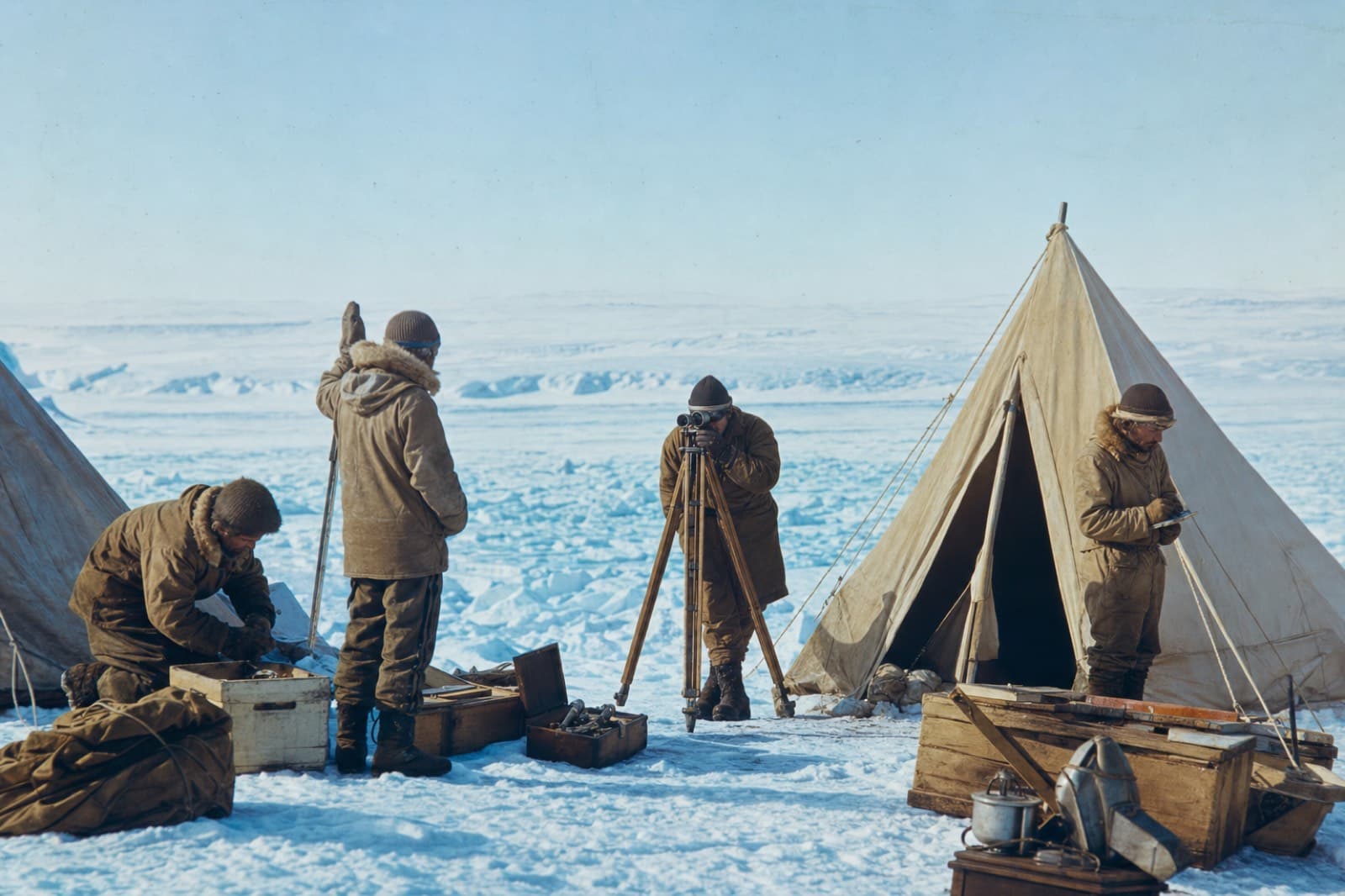
STY-002
fragmentaryAt the Mountains of Madness
Antarctic Expedition Log
The Miskatonic Antarctic Expedition's discovery of Elder Thing ruins and the shoggoth-haunted history beneath the ice - the report Professor Dyer suppressed so that no plane would fly south again.
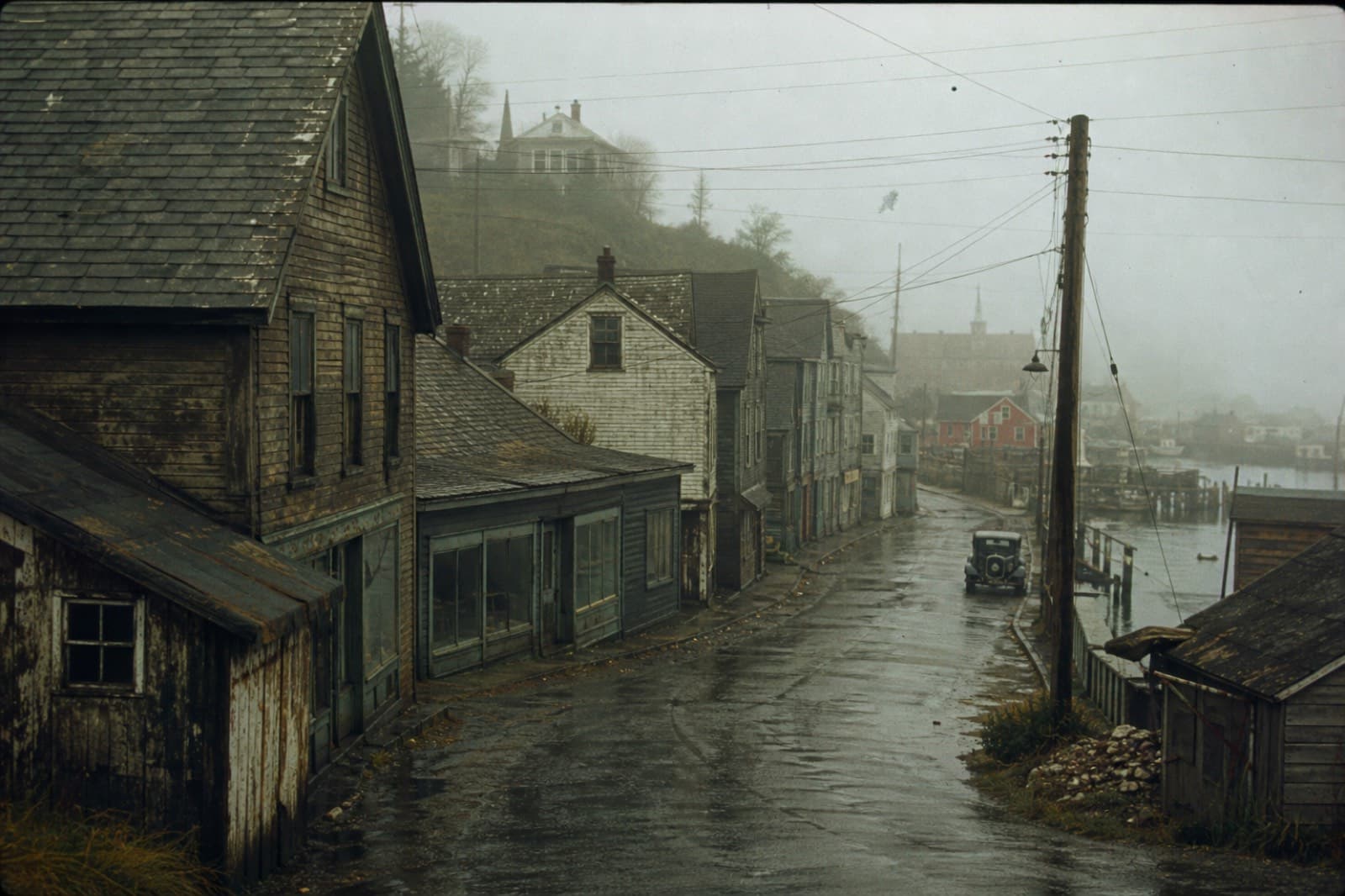
STY-003
activeThe Shadow over Innsmouth
Coastal Investigation - 1927
An undercover inquiry into Innsmouth reveals the Deep One pact and a transformation that waits in the blood - the story that explains why some coastal families do not die, they depart.
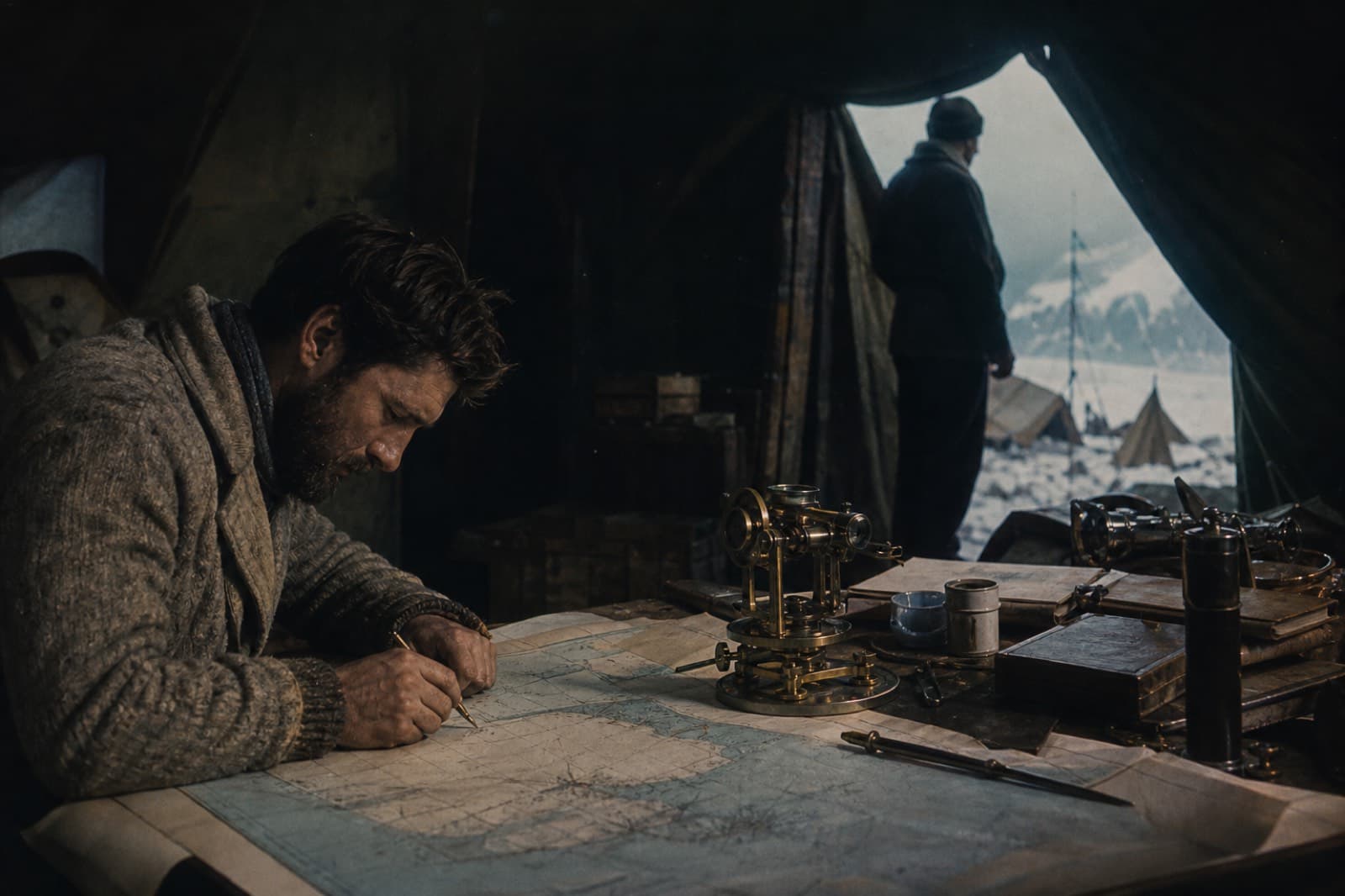
STY-001
activeThe Call of Cthulhu
Incident Record - 1925
A global wave of dreams, cult activity, and the brief emergence of R'lyeh documented through fragmented testimony - the case that proved the mythos was not regional but planetary.