

Field Dispatch
Eldritch Horror & the Lovecraft Mythos
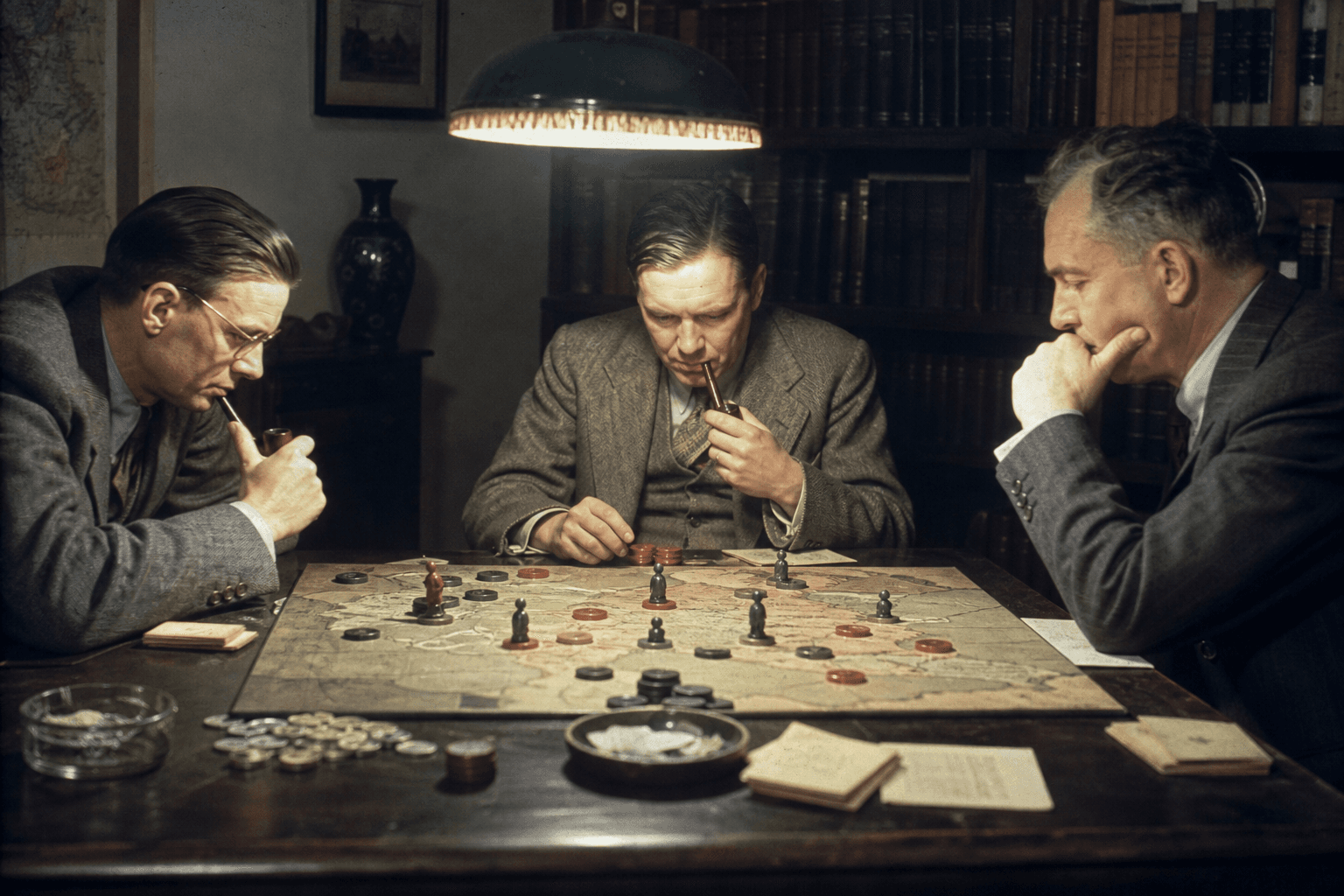
Simulation training for multi-entity containment scenarios.
About the game
Fantasy Flight’s Eldritch Horror board game is a globe-trotting cooperative experience: investigators with skills, encounters, and escalating mythos decks. It borrows Lovecraft’s names and tone but invents mechanics - gates, clues, epic monsters - that do not exist in any single story. Expect mythos board game flavor, not plot recreation. The game shines simulating failing institutions: you are rarely powerful, often delayed, sometimes sacrificed.
About the game: tone, length, and table culture
Sessions run long; expansions add locations, ancient ones, and new failure modes. Treat Eldritch Horror as social cosmic horror training - group risk management under uncertainty - not scripture. Read /journal/modern-lovecraftian-horror for prose successors; read /journal/best-lovecraft-audiobooks for solo dread between game nights. Teach new players that losing is thematic victory if the story felt desperate.
Core mechanics versus Lovecraft plot
Investigators travel a stylized Earth; Lovecraft game mechanics abstract books into clue tokens and gods into threat tracks. That abstraction helps playability, hurts pedantry - do not claim cards quote prose. When cards name places, link to /archive/arkham or /archive/sydney if dossiers exist, but accept invention. Expansions remix entities across campaigns; chronology is gameplay, not canon.
Expansions, storage, and campaign fatigue
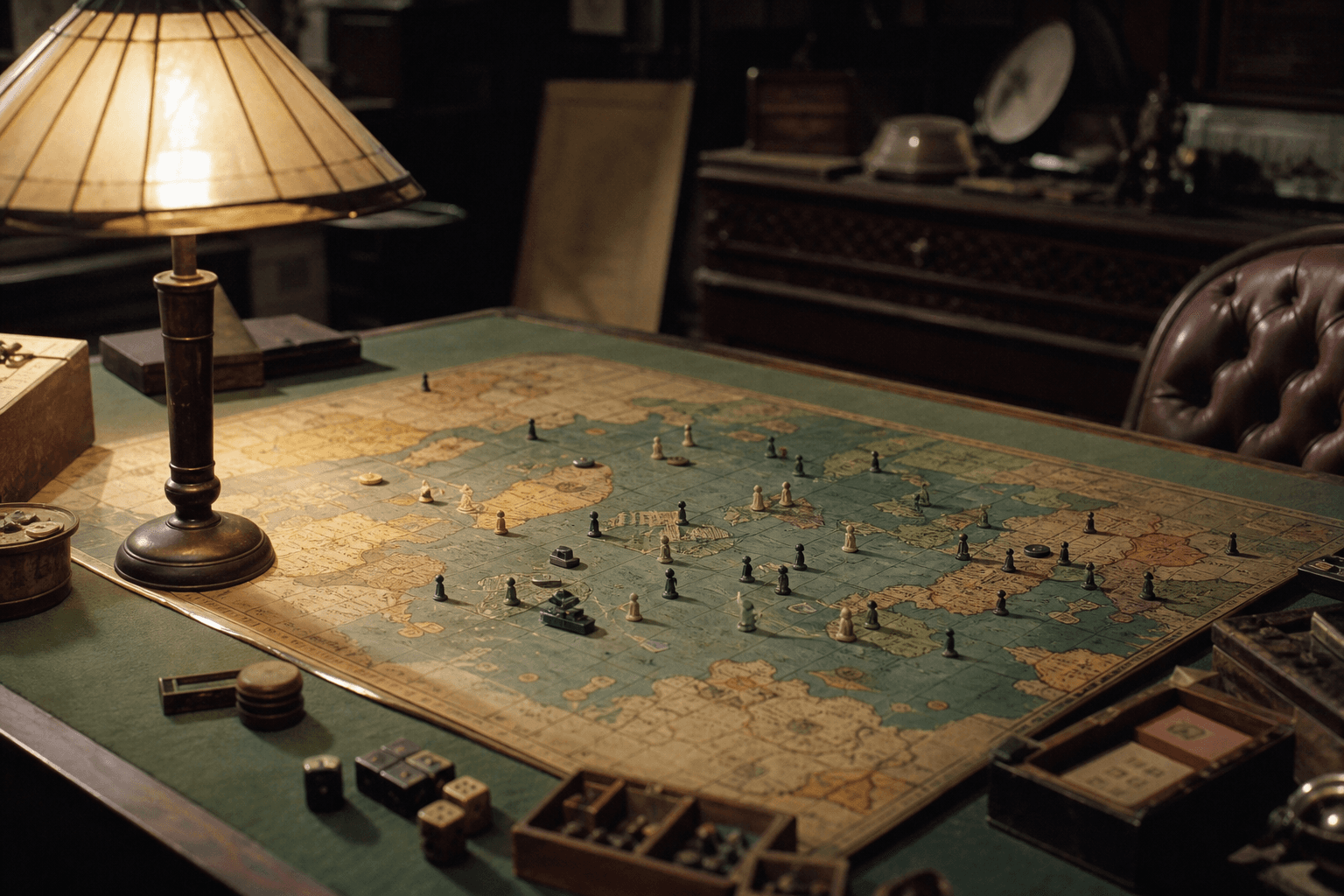
Expansions deepen pools - more encounters, more ancient ones, more rules weight. Groups should add expansions only when base game feels stale; jumping straight to maximal rules discourages newcomers. Storage solutions matter - lost tokens destroy continuity. Photo your setup if campaigns span weeks.
Why boards help some readers approach prose
Games lower intimidation of proper nouns - players hear Cthulhu, Nyarlathotep, and Yog-Sothoth before reading The Call of Cthulhu. Use that enthusiasm responsibly: after a win or loss, assign one prose short from /journal/where-to-start-lovecraft. Fiction-first discipline at /cthulhu-mythos prevents wiki arguments sourced only from cards.
Component organization and teachable moments
Bag Eldritch Horror components by type with labeled pouches - setup time kills mood when groups hunt tiny clue tokens. Teach new players that failure is thematic, not personal - cosmic horror board games punish hubris, not friendship. When a mythos card names a city, open the location archive if it exists; geography errors in fan posts often start at rushed table talk. Photograph the board when an ancient one awakens - later, match the moment to a prose paragraph students quote in post-game writeups.
Table etiquette, session zero, and tone
Eldritch Horror session zero should set loss expectations, content boundaries, and runtime caps - cosmic horror at a table can become tedious if rules arguments replace dread. Assign one player lore liaison who checks archive slugs post-game, not mid-encounter. Snacks help long nights; alcohol often hurts careful reading plans afterward. Photograph the board only if everyone consents; post maps with spoiler tags.
Entities in the game
Game components map loosely to Lovecraft mythos entities in archive records. Cthulhu /archive/cthulhu, Nyarlathotep /archive/nyarlathotep, and Yog-Sothoth /archive/yog-sothoth appear as antagonists with simplified powers - fair iconography use, not textual summary. Deep Ones and Shoggoths surface in encounters echoing Innsmouth and Antarctic themes - compare cards to /archive/deep-ones and /archive/shoggoth before teaching biology from cardboard.
Entities in the game: dossier discipline
When a card names a god, open the dossier to see what Lovecraft wrote versus what the game needs for balance and fun. Eldritch Horror prioritizes tension curves; prose prioritizes indifference and scale. Shoggoths as minions, Cthulhu as trackable threat - useful game fiction, misleading homework if copied into essays.
Ancient Ones, expansions, and mythos sprawl
Expansions scatter gods across campaigns - Eldritch Horror expansions remix geography. The /cthulhu-mythos hub links stories to entities the game borrows piecemeal. Modern media continuations appear in /journal/modern-lovecraftian-horror; direct manga adaptation in /journal/gou-tanabe-lovecraft-manga.
Investigators as pulp archetypes
Investigator sheets resemble role-playing casts - journalists, scholars, mystics - echoing Lovecraft RPG tradition without being the Call of Cthulhu RPG ruleset. Use characters as conversation starters about who gets to witness horror in fiction versus who dies unheard. Discuss racism and gatekeeping in canon when Innsmouth narratives surface at the table.
Card text versus primary quotations
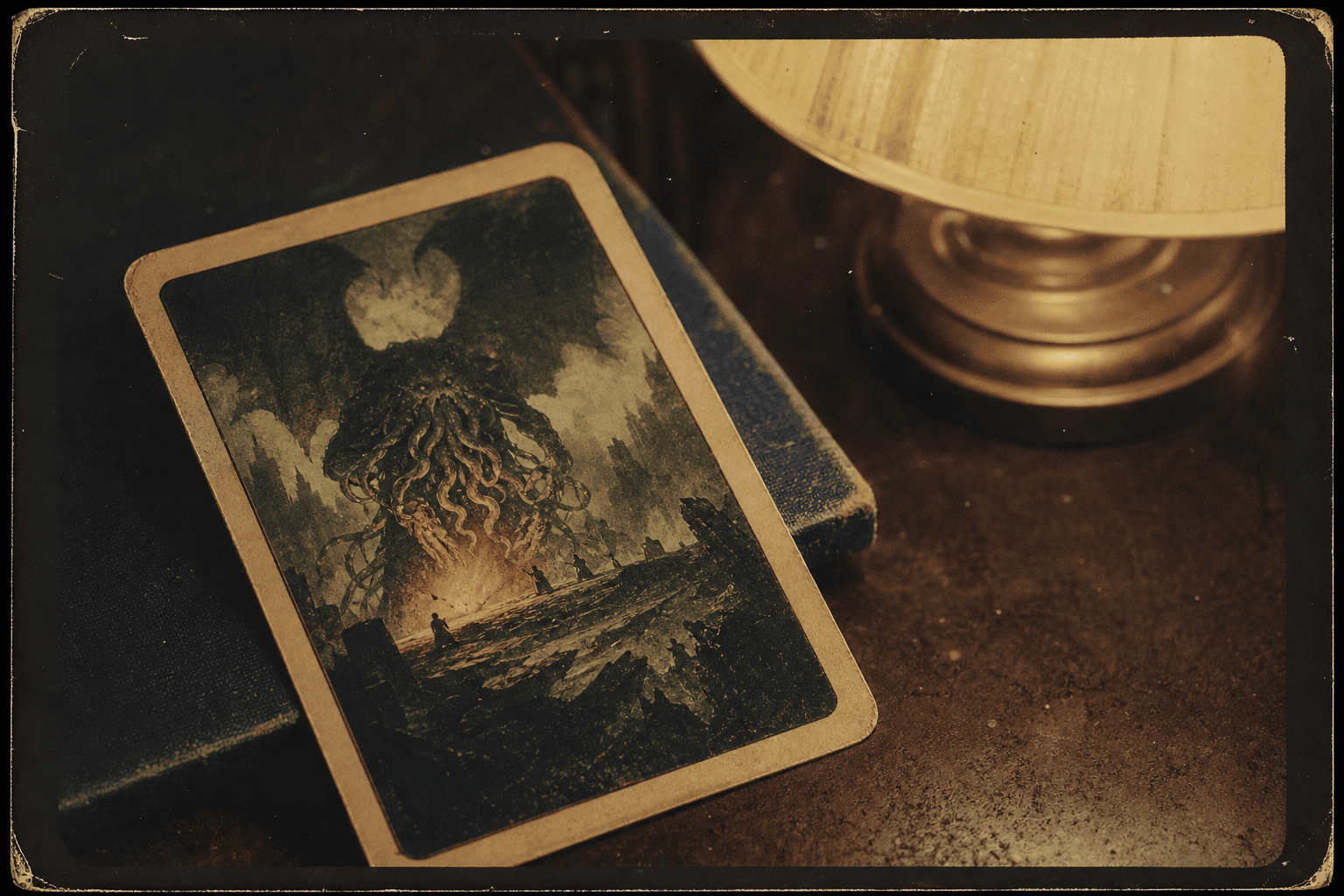
When Eldritch Horror cards paraphrase gods, open /archive/cthulhu or /archive/nyarlathotep and read the original lines aloud - players hear the gap between game flavor and prose witness. This ritual prevents card text from becoming scripture in Discord arguments. Encourage players to cite “card” versus “story” in post-game notes.
Expansions as optional geography lessons
Expansions add boards and cities - use them to discuss how Lovecraft globalized fear beyond New England, then read /journal/arkham-massachusetts to recentre geography honestly. Not every expansion region appears in fiction; label invented locales as game fiction when teaching. When players confuse game geography with prose, assign a one-page location correction essay citing archive slugs - gentle discipline beats smug corrections mid-turn.
Closing session: from table to text
End nights by reading one paragraph of primary prose related to the ancient one you fought - The Call of Cthulhu after Cthulhu track spiked, Shadow over Innsmouth after Deep One encounters. That ritual keeps board game mythos play tethered to literature. The expedition maps lore; the game simulates panic - together they can train careful fans, or you can skip prose and collect expansions forever. Choose deliberately.
RPG crossover and comparison shopping
Call of Cthulhu RPG differs from Eldritch Horror - rules depth, character arc, campaign length. Groups wanting narrative investigation may prefer RPG; groups wanting globe-trotting board rhythm may prefer Eldritch. Compare both to prose before buying every expansion. Miniature collectors should separate mythos miniatures from game requirements - pretty Shoggoths do not teach paragraph craft.
Digital adaptations and app pitfalls
Digital ports of Fantasy Flight games exist - verify update support and DLC ethics before investing. Apps cannot replace prose; they can replace setup time if your table lacks space. Use apps for solo learning, then teach friends on physical boards to preserve social dread. Link app sessions to /journal/read-lovecraft-online when players ask where to read free primary text legally.
Campaign arcs, legacy campaigns, and lore drift
Eldritch Horror campaigns spanning months accumulate house rules - document them so new players do not confuse table canon with Lovecraft canon. Between campaigns, reset assumptions: cards teach icons, not plots. Host a “prose month” between campaigns where no boards appear - only fiction and archive consolidation. Legacy-style house narratives can be fun; label them fanfiction when posting online.
Teaching institutions through cooperative loss
Use the game in library game nights with explicit learning goals: identify which institution failed (university, press, government) in the scenario, then read a matching short story next week. Libraries that pair board nights with lawful digital lending (/journal/read-lovecraft-online) build fiction-first habits better than clubs that only collect expansions. Expansions are optional; reading is not.
Streaming play and virtual tables
Virtual Eldritch Horror tables exist - verify camera angles so all players see mythos track changes. Online play cannot replace prose, but it connects distant friends; assign one shared short story per month alongside game night. Use archive links in chat after sessions, not during clutch rolls - timing matters for fun and for learning.
Replacement tokens, wear, and secondhand buys
Secondhand Eldritch Horror sets save money - inventory all tokens on receipt because missing clue tokens ruin campaigns. Replacement packs from publishers exist; photograph your setup when selling onward. Component wear signals love; incomplete boxes signal frustration - choose sellers who photograph contents. Label your box with fiction-first reminder tape inside the lid - small joke, real habit. When teaching with the game, grade post-session reading notes, not wins - cooperative horror pedagogy cares about witness, not score. Invite librarians to observe; they often connect play nights to lawful lending the way expedition dispatches connect games to prose. Post a printed QR to /cthulhu-mythos on the table tent - one scan after the game, not before.
Evidence 01
Evidence 02
Dispatch ELDRITCH_HORROR_BOARD_GAME_AND_MYTHOS · Primary keyword: eldritch horror lovecraft
Primary sources
GOO-001
dormantCthulhu
High Priest of the Great Old Ones
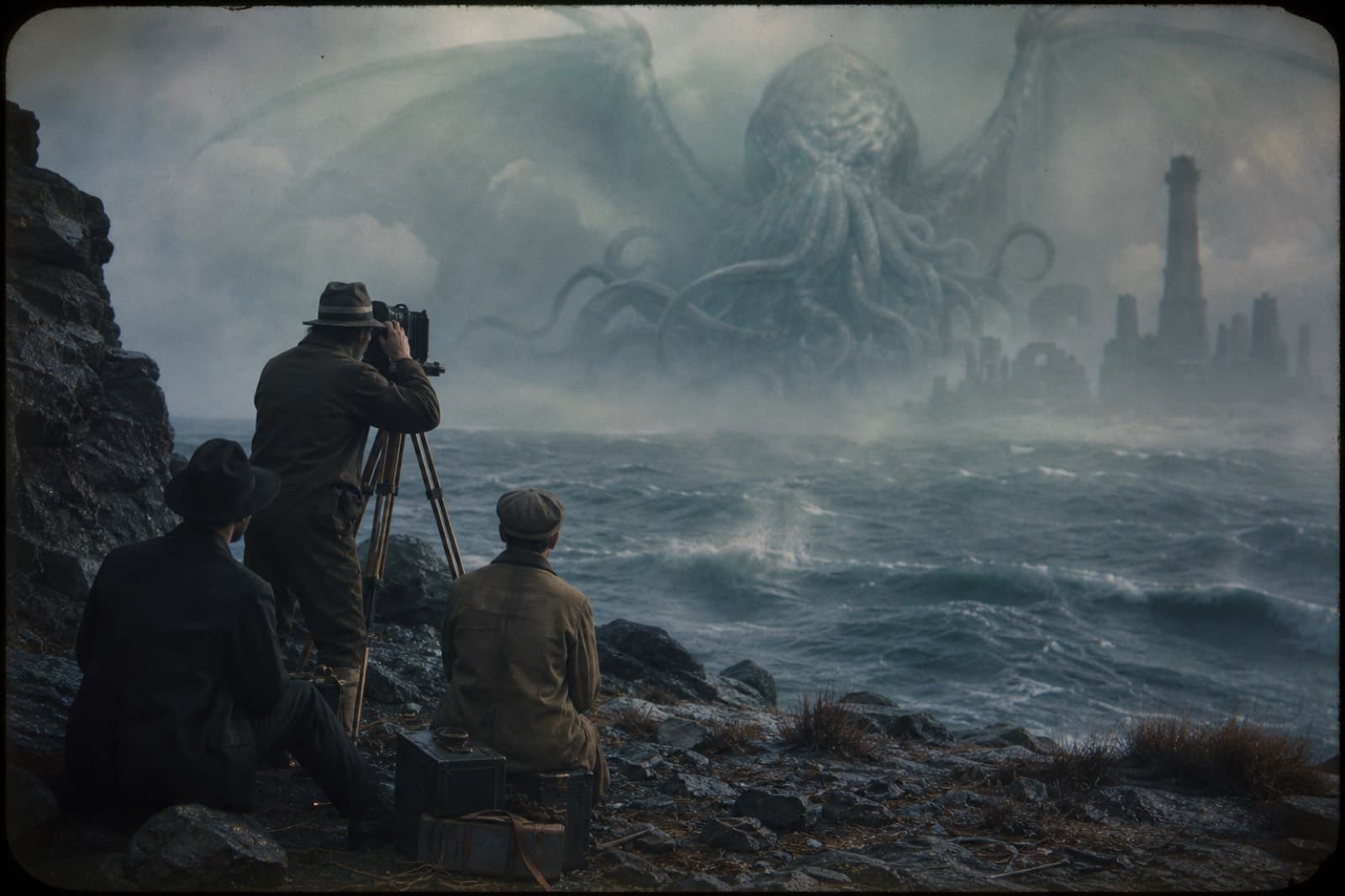
A colossal entity of draconic and cephalopodic aspect, dreaming in death-like slumber beneath the Pacific until the stars align, and when they do, the world will know madness again.
OG-003
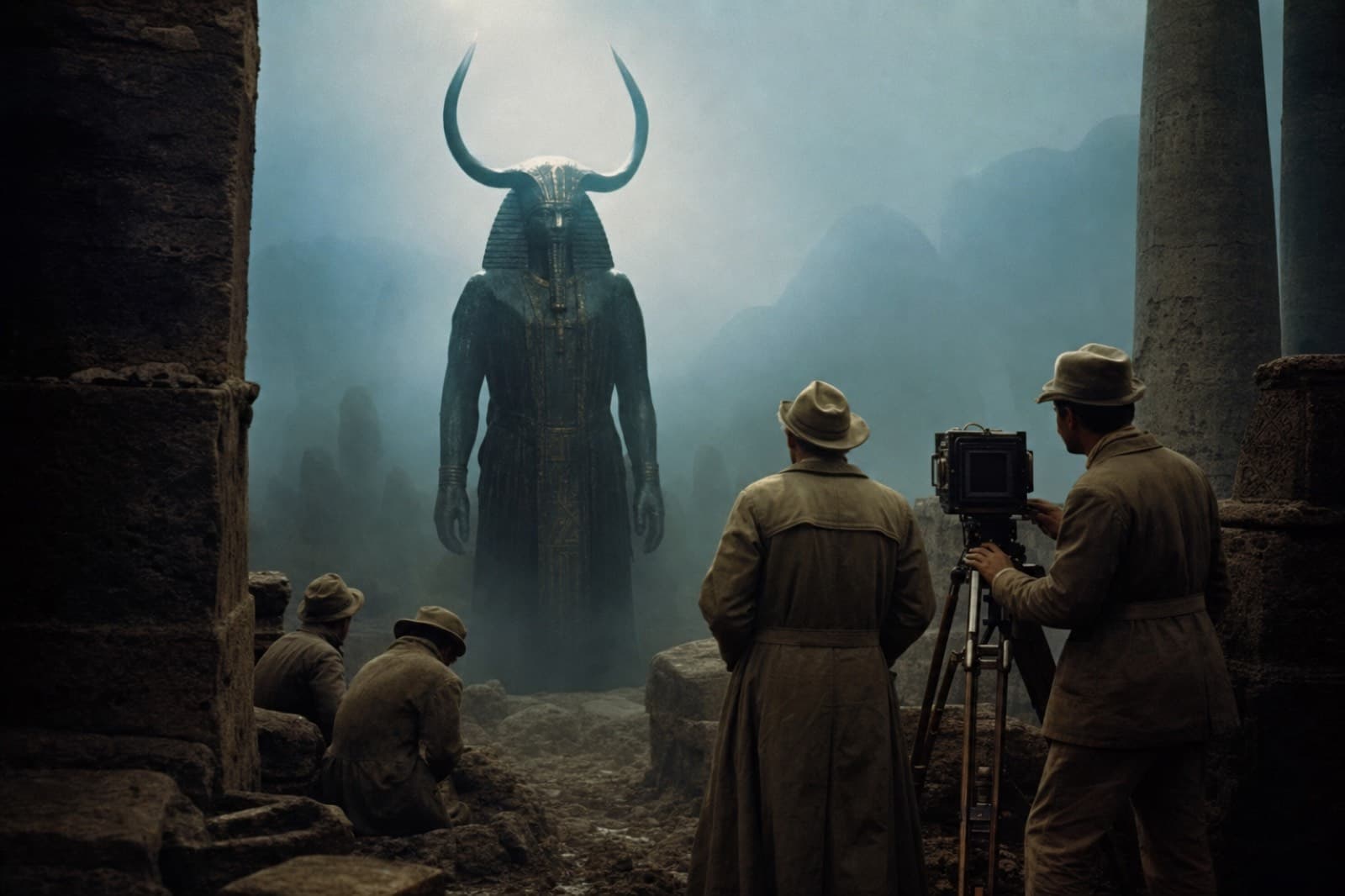
activeNyarlathotep
The Crawling Chaos
A protean messenger who walks among humanity in countless guises, sowing madness and progress alike, the one Outer God who seems to enjoy our suffering.
OG-002
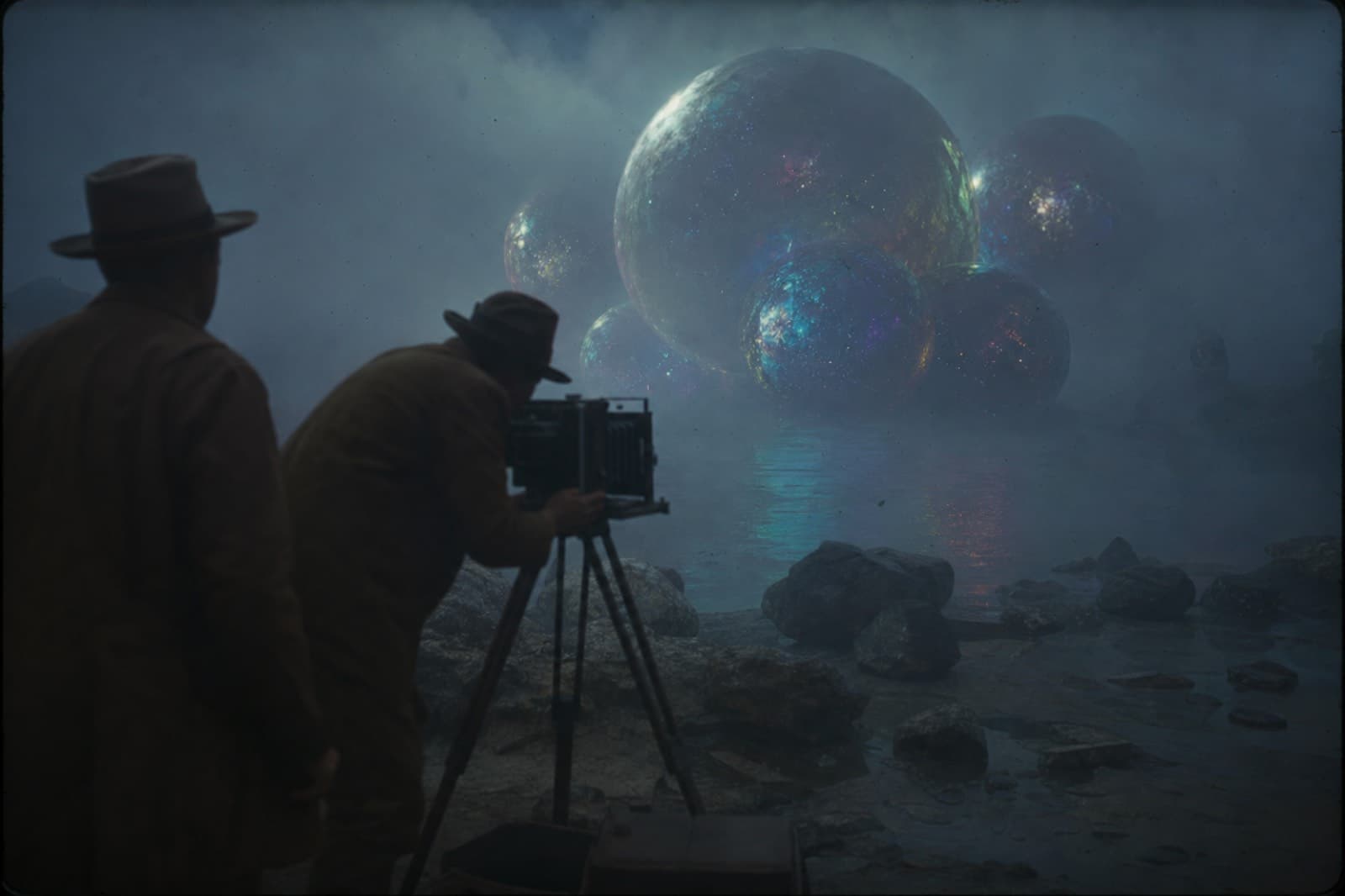
activeYog-Sothoth
The Key and the Gate
A congeries of iridescent spheres existing coterminously with all space and time, the threshold through which other powers enter, and the knower of all that was and is and shall be.