

Field Dispatch
Junji Ito & Lovecraftian Horror
Japanese field reports on invasive cosmic phenomena.
Thematic parallels
Junji Ito does not illustrate Lovecraft as systematically as Gou Tanabe, yet Junji Ito Lovecraft parallels run deep: spirals as cosmic law, towns infected by geometry, science arrogant before vast phenomena. Ito’s dread is bodily and domestic - hair, holes, doubles - where Lovecraft’s is often genealogical and coastal. Both insist that knowledge corrupts the knower; both prefer communities sealed until rupture.
Thematic parallels: spirals, color, and contamination
Compare Ito’s Uzumaki to The Colour out of Space /archive/the-colour-out-of-space: contamination spreading through a closed community, rational explanation failing, landscape complicit. Ito is Japan’s premier horror mangaka; Lovecraft is America’s premier cosmicist - conversation, not lineage. Use /archive/cosmic-horror for terminology discipline so “Lovecraftian” does not become meaningless praise.
Domestic horror versus coastal genealogy
Ito terrifies in kitchens and classrooms; Lovecraft terrifies in marriage contracts and harbor inns - different pressure points, same outcome: institutions lie, then break. Readers who want fish politics after Ito should read The Shadow over Innsmouth /archive/the-shadow-over-innsmouth with /journal/deep-ones-explained. Readers who want spiral law after Lovecraft should read Uzumaki with attention to municipal denial patterns.
Pedagogy: comparing infection models
Teach horror infection models side by side: color in The Colour out of Space, spirals in Uzumaki, hybrid genealogy in Innsmouth. Students diagram who in each community learns truth first and who profits from denial - economics of dread beats monster quizzes. Assign /journal/lovecraft-religion-and-materialism for Lovecraft’s materialist bargains versus Ito’s metaphysical punishments.
Art styles: ink obsession versus prose excess
Ito’s lines repeat motifs until you nauseate; Lovecraft’s adjectives repeat until you numb - then snap awake. Studying both trains horror repetition craft. Manga direct adaptation remains Tanabe’s job (/journal/gou-tanabe-lovecraft-manga); Ito supplies spiritual kinship for artists and writers.
Ethical reading across cultures
Do not flatten Ito into “Japanese Lovecraft” - credit distinct traditions and living artists. Do not excuse Lovecraft’s prejudices because Ito also depicts body horror - context differs. Pair critical reads with /journal/lovecraft-religion-and-materialism when science fails in both canons.
Obsession motifs writers should steal legally
Both canons reward obsession loops - returning to the same street, formula, or family curse. Draft one paragraph mimicking Ito’s spiral refrain, then one mimicking Lovecraft’s genealogical dread; compare which fails faster on the page. Neither exercise requires publishing; both train cosmic horror craft without cosplay. Share exercises in workshops with content warnings when body horror intensifies.
Ito works for Lovecraft fans
Start Ito newcomers with Uzumaki or Tomie for pure Junji Ito horror density - spirals, obsession, cycles. Add Gyo when you want biomechanical disgust and war machinery absurdity. Long-form Remina echoes planetary-scale threat without naming Cthulhu - useful for readers who want cosmic scale manga after Lovecraft novellas.
Ito works for Lovecraft fans: guided progression
After Ito, return to Lovecraft short fiction with fresh eyes for repetition and obsession motifs - The Rats in the Walls, The Picture in the House. Use /journal/lovecraft-short-stories-guide for difficulty tiers. Audio fans cross to /journal/best-lovecraft-audiobooks; gamers to /journal/eldritch-horror-board-game-and-mythos.
Volume-specific pairing notes
Uzumaki pairs with colour contamination prose; Tomie pairs with immortal corruption and fractured identity tales like /archive/the-thing-on-the-doorstep thematically, not plot-wise. Gyo pairs with industrial war dread - less Lovecraft direct, useful for mood palette. Remina pairs with planetary escape stories when you want scale without Antarctica travel.
Translation, lettering, and horror timing
Junji Ito English editions vary by translator and letterer - SFX choices alter punchlines and dread pauses. Compare one scene across editions if you teach comics craft. Lettering density changes page speed; students should note where English must compress Japanese dialogue and whether horror survives the squeeze.
Shelf order for Ito collectors
Collect Uzumaki and Tomie before niche one-shots unless a specific phobia theme matters to your reading group - Ito reading order is flexible, but spiral contamination is the purest bridge to Lovecraft’s community rot stories. After core volumes, sample Sensor and No Longer Human adaptations for literary horror overlap, then return to Lovecraft novellas with refreshed intolerance for false safety.
Reread calendars and fatigue management
Junji Ito reread fatigue is real - body horror accumulates across volumes. Schedule palette cleansers: one Ito volume, one Lovecraft short, one evening walk without panels. Libraries that stock Ito next to Lovecraft anthologies make this alternation easy - thank selectors who understand horror craft pairing. Small habits beat marathon binges that turn exquisite dread into numbness today. Track physical reactions in a notebook; horror study should not ignore somatic stress. When teaching, cap weekly page counts and offer opt-out alternates from /journal/lovecraft-short-stories-guide for sensitive readers.
Collecting, format, and reading order
Official English releases vary in trim size - check print quality if you reread. Libraries often carry Ito - good for students comparing manga to Culbard comics (/journal/lovecraft-comics-and-graphic-novels). Read Tanabe when you want named mythos adaptation; read Ito when you want cosmic feeling without citation homework.
Closing the loop at fiction-first hub
Finish Ito arcs by opening /cthulhu-mythos and one archive story you avoided for length - At the Mountains of Madness /archive/at-the-mountains-of-madness is the usual corrective after domestic spirals. Ito teaches dread muscles; Lovecraft teaches mythos grammar - train both, cite prose when arguing online, gift portable editions from /journal/best-lovecraft-book-editions when friends ask what to read after Uzumaki.
Physical editions, paper quality, and reread care
Junji Ito manga editions vary in paper opacity - hold pages to light before buying if bleed bothers you. Omnibus weights strain wrists; split reading sessions. Library copies may be heavily creased; support authors when a volume changes your craft. After Ito, assign yourself one Lovecraft short per week from /journal/lovecraft-short-stories-guide to rebuild prose stamina.
Anime adaptations and adaptation drift
Some Ito works received anime adaptations - compare motion to ink; movement can cheapen stillness or amplify disgust. Use anime as secondary commentary, not primary canon. Lovecraft’s screen record is worse on average (/journal/lovecraft-on-screen) - compare industry failures across cultures without ranking national superiority. Return to ink and prose when arguments turn aesthetic-only.
Ito reading clubs and content boundaries
Junji Ito book clubs need upfront content warnings - body horror, suicide motifs, and school settings trigger differently across readers. Pair Uzumaki discussions with /archive/the-colour-out-of-space for contamination parallels, then assign one Lovecraft short emphasizing inheritance rather than geometry. Clubs that only read manga without prose produce confident misquotes - avoid that drift.
Long-term pairing with prose short fiction
Schedule six weeks: three Ito volumes, three Lovecraft shorts from /journal/lovecraft-short-stories-guide, one archive entity review per week. End with /cthulhu-mythos mapping exercise - draw connections students discovered, not connections a wiki memorized.
Ito essays and interviews as paratext
Seek Junji Ito interviews about influence - he often cites Japanese horror traditions more than American pulp. Use interviews to stop lazy “Japanese Lovecraft” labeling while still honoring real thematic overlap. Assign one interview alongside one Lovecraft letter excerpt from /journal/lovecraft-letters to compare how authors talk about fear.
Spiral motifs in student art assignments
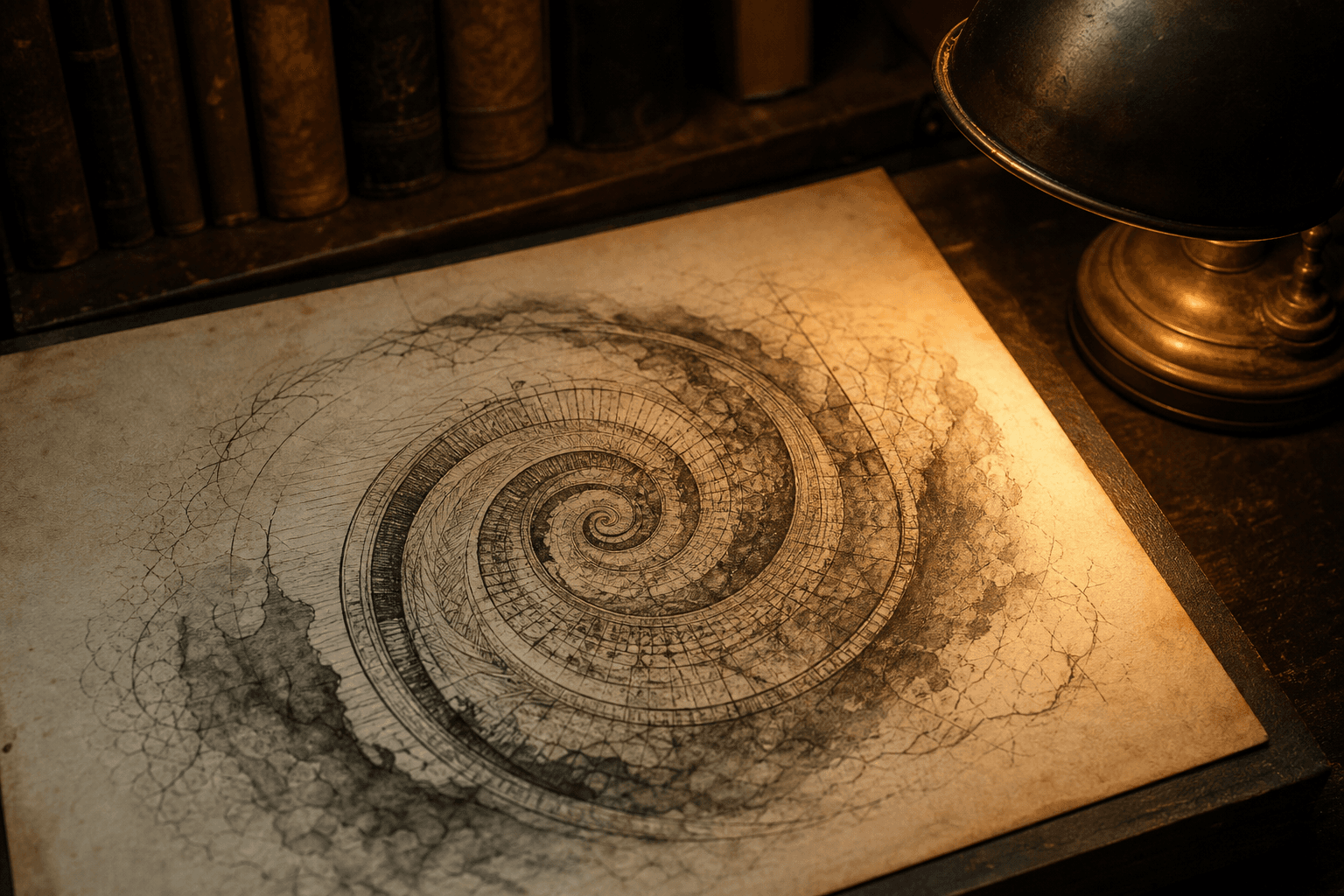
Ask students to draw one spiral horror panel after reading Uzumaki and one paragraph after The Colour out of Space - compare whether visual or verbal repetition feels more suffocating. Discussions stay sharper when students cite page numbers and panel numbers, not vibes alone. Tie results to /journal/gou-tanabe-lovecraft-manga when assigning direct Lovecraft adaptation afterward. Repeat the exercise after Tanabe to see whether named mythos imagery feels more legible once spirals trained your eye. Host a closing salon where readers defend one Ito image and one Lovecraft sentence as mutual metaphors - not proofs of influence, but paired instruments of dread. Record which pairs persuaded skeptics; the list becomes your club’s cosmic horror curriculum for next season.
Evidence 01
Evidence 02
Dispatch JUNJI_ITO_LOVECRAFT · Primary keyword: junji ito lovecraft
Primary sources
CON-001
activeCosmic Horror
Philosophical Classification
Horror arising not from personal evil but from the insignificance of humanity before an indifferent, incomprehensible cosmos - the aesthetic that governs every file in this archive.
STY-102
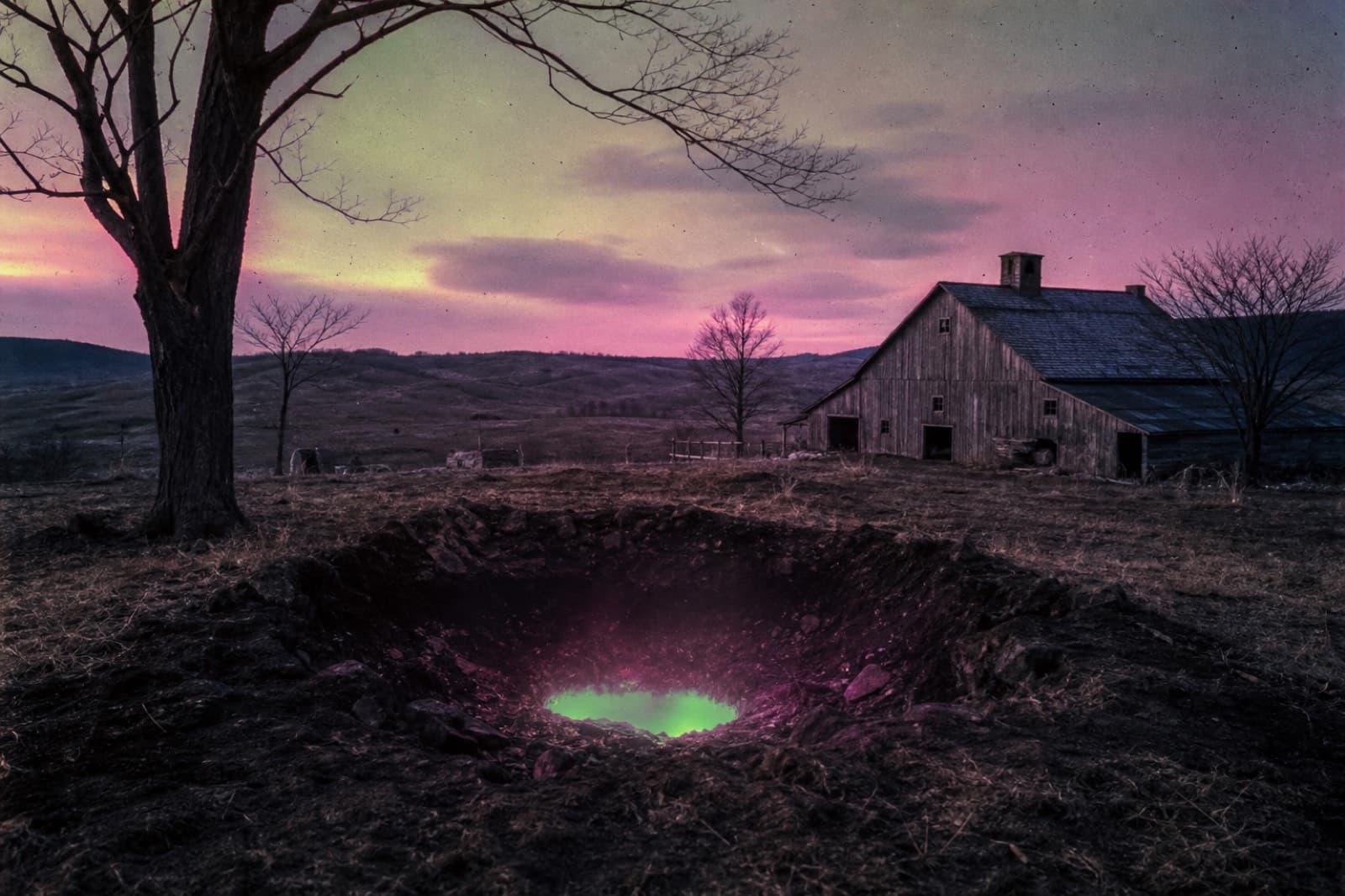
activeThe Colour Out of Space
Gardner Farm Incident - 1882–1927
A meteorite poisons land, water, and blood with a colour outside the spectrum - Arkham's surveyor watched a farm die in hues no eye should hold and learned that the well remembers.
Continue reading

Field Dispatch
Gou Tanabe's Lovecraft Manga Adaptations
Complete guide to Gou Tanabe's manga adaptations of At the Mountains of Madness, The Shadow over Innsmouth, The Call of Cthulhu, and more.
Read dispatch →

Field Dispatch
Modern Lovecraftian Horror
Contemporary authors and works in the Lovecraftian tradition - where to go after reading H. P. Lovecraft's original fiction.
Read dispatch →