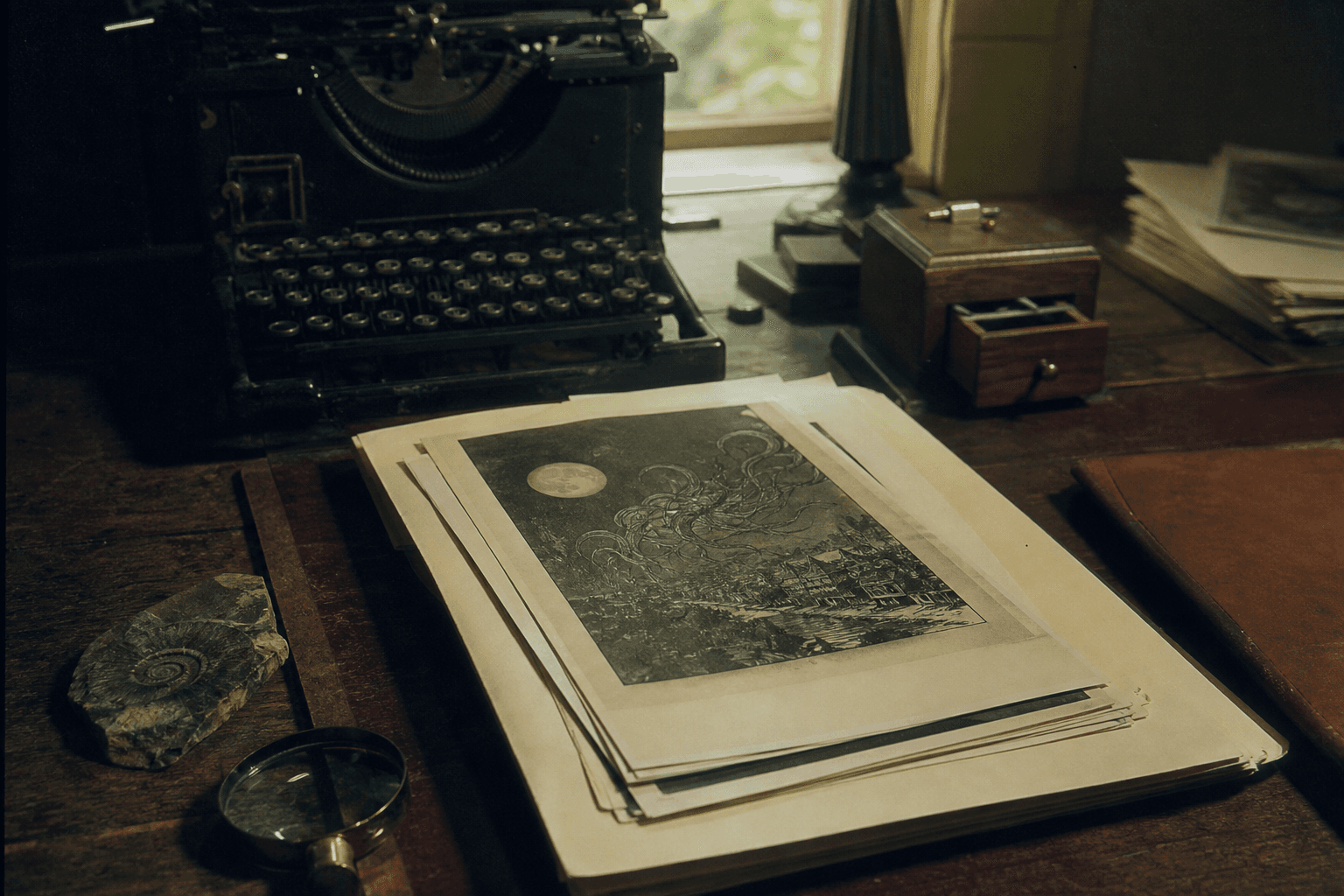


Field Dispatch
François Baranger - Illustrated Lovecraft Editions
Artistic documentation standards for non-Euclidean subjects.
About Baranger
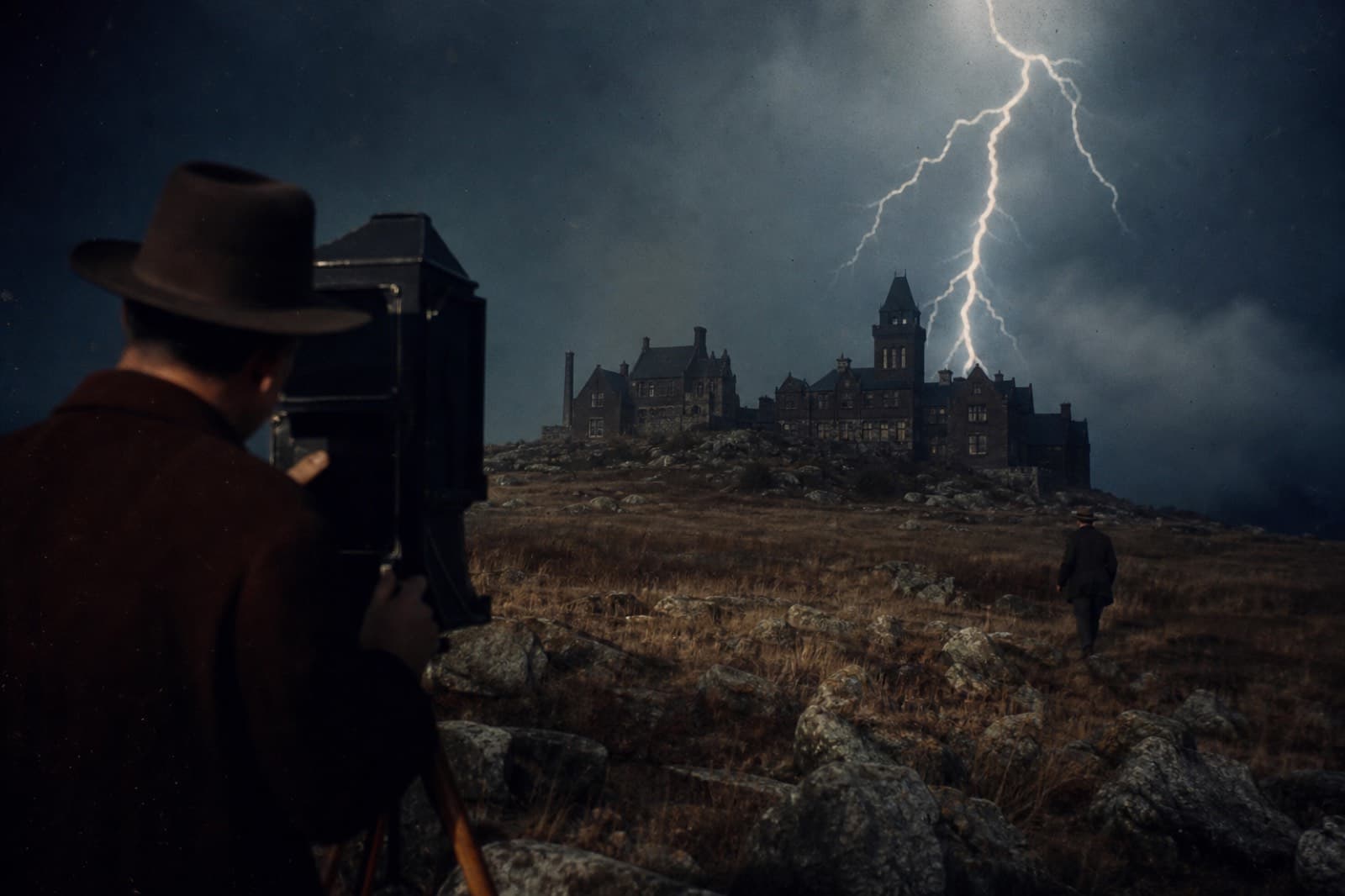
François Baranger built his reputation in film concept art and environment design - worlds that must read in seconds on screen. Applied to Lovecraft, that training yields illustrated cosmic horror where creatures and architectures feel lit, weighted, and cinematic rather than sketchbook-fantasy. His illustrated editions are coffee-table objects with narrative ambition: each plate could hang in a gallery, yet sequences still serve story beats readers remember - ice corridors, farmhouse silhouettes, Antarctic void light.
About Baranger: craft, scale, and atmosphere
Baranger does not shy from scale. At the Mountains of Madness benefits from a painter who understands horizon lines, fog, and human figures dwarfed by geometry. The Dunwich Horror gains rural decay you feel in the ribs - Dunwich landscape horror as environmental storytelling. Collectors should expect premium Lovecraft art books priced like production bibles; compare value to Folio Society materials discussed in /journal/best-lovecraft-book-editions. Baranger interprets; he does not amend text - keep Joshi or annotated editions nearby for wording disputes.
From cinema lighting to page composition
Concept artists think in key light, bounce, and silhouette readability - skills that translate to static plates better than to cramped spot illustrations. Baranger’s Lovecraft illustration often implies motion: shoggoth mass as blur and weight, Elder Thing architecture as repeated modular shapes echoing film previz. Readers who only know fan art stickers see a different seriousness here - plates designed to survive reproduction size. Study one image, then reread the paragraph that triggered it; that loop teaches how Lovecraft withholds description yet triggers mental cinema.
Baranger in the adaptation ecosystem
Place Baranger between prose and manga: Western painterly realism versus Gou Tanabe’s ink discipline (/journal/gou-tanabe-lovecraft-manga). Place him beside audio where voice suggests without showing (/journal/best-lovecraft-audiobooks). Place him against film, which often fails the indescribable (/journal/lovecraft-on-screen). Art books reward readers who already love the sentences; they rarely convert skeptics who hate prose density - manage expectations accordingly.
Collecting Baranger without mythos confusion
Buy Baranger volumes for reread stories you know by heart - art reveals new emphasis, not new plot. His illustrated Lovecraft folios reward repeat viewing the way Joshi rewards repeat citation - each pass notices different foreground details in ice and fog. Store heavy folios flat when possible; dust jackets scuff in backpacks. Do not shelve Baranger next to Necronomicon props without labeling - guests confuse paratext for canon (/journal/necronomicon-books-guide). Route entity questions to /archive/shoggoth and /cthulhu-mythos after viewing, not before reading.
Film craft legibility on the page
Baranger’s concept art background trains you to read silhouette before detail - useful when teaching why Lovecraft withheld descriptions. Compare his Shoggoth mass to prose’s “protoplasmic” vagueness; the gap between word and image is the lesson. Exhibition catalogs sometimes include thumbnail storyboards - treat them as director’s commentary, not plot amendments. When friends ask “which illustrated Lovecraft,” answer with story affinity: Mountains for scale lovers, Dunwich for rural doom, Pickman for urban art horror via /archive/pickmans-model if they expand beyond his main two volumes.
Illustrated editions
Major Baranger illustrated editions align with flagship archive records - use them as visual companions, not replacements. At the Mountains of Madness /archive/at-the-mountains-of-madness showcases Elder Thing architecture and Shoggoth motion studies; compare plates to expedition chapters on ice city geometry. The Dunwich Horror /archive/the-dunwich-horror emphasizes the Whateley farmhouse silhouette and hillside birth spectacle - rural cosmic horror as painterly event.
Illustrated editions: how to read art and prose together
Read the story chapter, then study the image for what Lovecraft refused to describe directly - negative space as rhetoric. Publisher marketing often cites specific passages beside plates; verify those lines in your text edition. Cross-reference Tanabe manga on the same incidents to see Eastern compositional choices - panel gutters versus full-bleed paintings. Culbard comics (/journal/lovecraft-comics-and-graphic-novels) offer a third western line-art lane for classroom comparison.
Production values, print runs, and edition hunting
Illustrated Lovecraft collector editions may go out of print quickly - track publisher restocks rather than paying scalper prices unless you actively collect art books. Check whether editions include slipcases, signed prints, or translation of afterwords - metadata matters to bibliophiles, not to plot. Digital scans of plates circulate socially; support artists when official art books return to print.
Classroom and exhibition use
Project single plates when teaching Antarctic horror or Dunwich family doom - never project entire books under unclear copyright for public performance; verify publisher guidance. Ask students which detail contradicts their mental image - that question teaches adaptation theory better than lecturing fidelity. Link projects to archive slugs for citations: /archive/dunwich, /archive/yog-sothoth.
After Baranger: fiction-first consolidation
Finish sessions by writing one paragraph of prose summary without looking at art - if you cannot, the images overwrote language. Then open /journal/wilbur-whateley-and-dunwich-horror or Mountains archive records to consolidate names. Visit /journal/modern-lovecraftian-horror to see how living artists extend visual mythos beyond Baranger’s interpretive set. Illustrated editions are companions on the shelf and in the mind - beautiful pressure on imagination, not a bypass around Lovecraft’s sentences.
Reading parties with plates on screen
Host illustrated Lovecraft reading parties: one participant reads aloud while others view Baranger plates on a shared screen - pause between paragraphs, not mid-sentence. This ritual teaches that images are punctuation, not spoilers. Close with archive consolidation for whichever story you read.
Gift economics, restocks, and art-book care
Illustrated Lovecraft gifts work best when the recipient already loves the matching story - otherwise folios become shelf guilt. Watch publisher restocks after convention season; prices spike when print runs end. Humidity warps plates; use bookends on heavy volumes. If you annotate art books, use pencil on sticky flags, not ink on plates - future collectors bless you. Pair gifts with portable prose from /journal/best-lovecraft-book-editions so recipients can read along. Baranger belongs in the same ritual chain as Tanabe and Culbard: image excites, prose adjudicates, archive consolidates.
Exhibition visits and comparative sketching
Museum gift shops sometimes stock Baranger prints - compare print scale to book reproduction; color shifts matter for ice tones. Sketch one composition from memory after closing the book - training eye, not plagiarism. Debate with friends whether Baranger’s human figures feel too heroic; Lovecraft often diminishes humans - note intentional or accidental drift. Return debates to text witnesses in Joshi editions before posting criticism threads.
Scanning plates for study without harming books
If you photograph plates for personal study, use indirect light and avoid spine stress - art book care matters when volumes cost more than prose omnibuses. Never crop out artist signatures in posts; credit Baranger and publisher when sharing fair-use commentary. Compare color temperature across editions; folio reprints sometimes shift ice blues toward teal, changing emotional temperature. When in doubt, reread the matching chapter in At the Mountains of Madness or The Dunwich Horror before arguing “the book got it wrong.”
Publisher marketing and plate captions
Read Baranger plate captions as prompts, not spoilers - marketing selects dramatic moments. Cross-check caption chapter references against your Joshi page numbers; translations shift pagination. Gift slipcase editions with bookmarks that note which archive slug matches which plate - thoughtful gifting beats expensive confusion.
Commission culture and fan art boundaries
Lovecraft fan art floods social feeds - Baranger sets a professional bar for scale and lighting amateurs should study without tracing for sale. Credit Baranger when his compositions inspire your sketches; do not sell knockoff plates as originals. Fan art belongs in conversation with /archive/cosmic-horror, not as wiki illustration replacements. When budgeting, buy one Baranger volume before three knockoff poster sets - quality reference saves years of false learning. Reserve Baranger for stories you teach often - illustrated teaching tools earn their price when used across semesters.
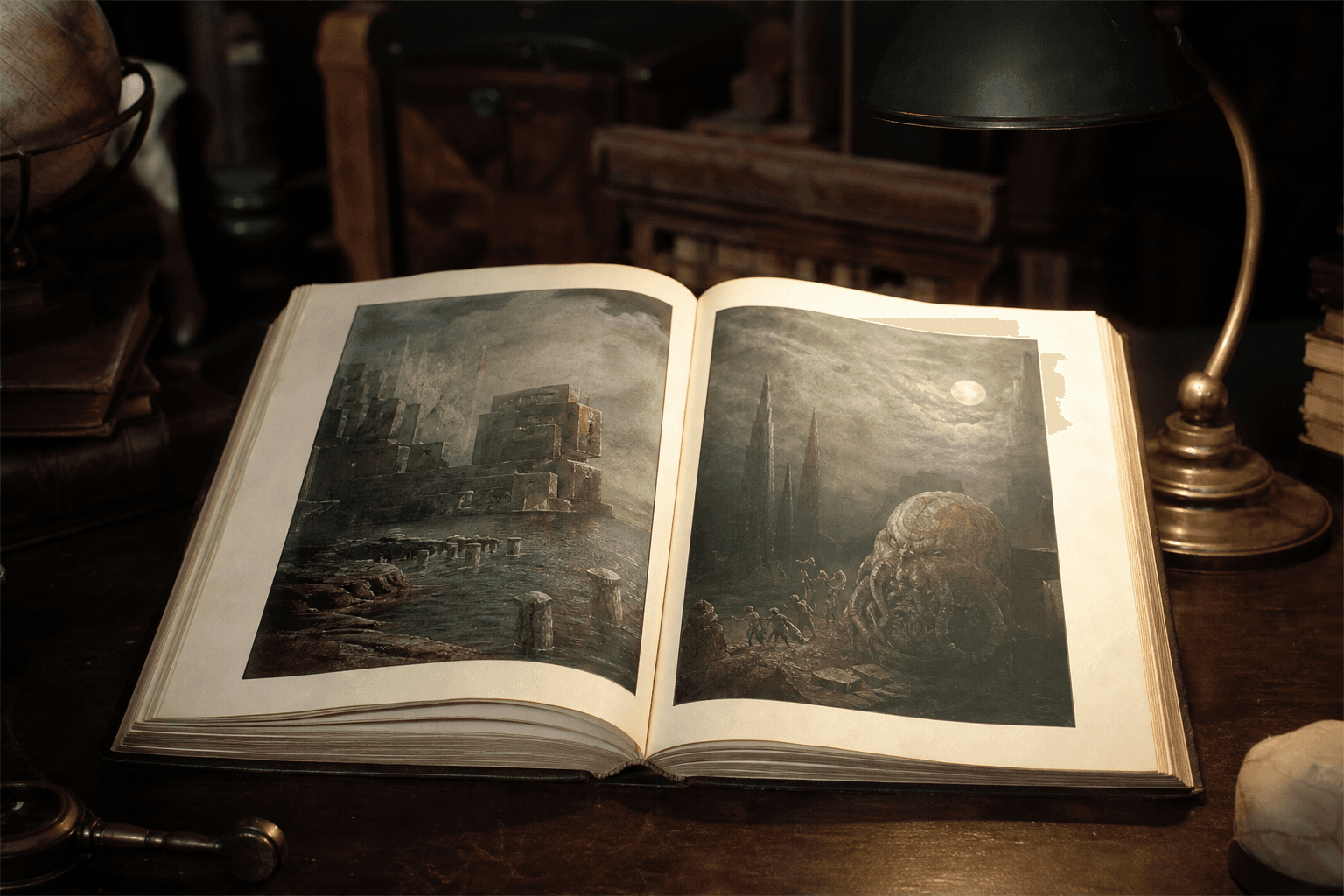
Evidence 01
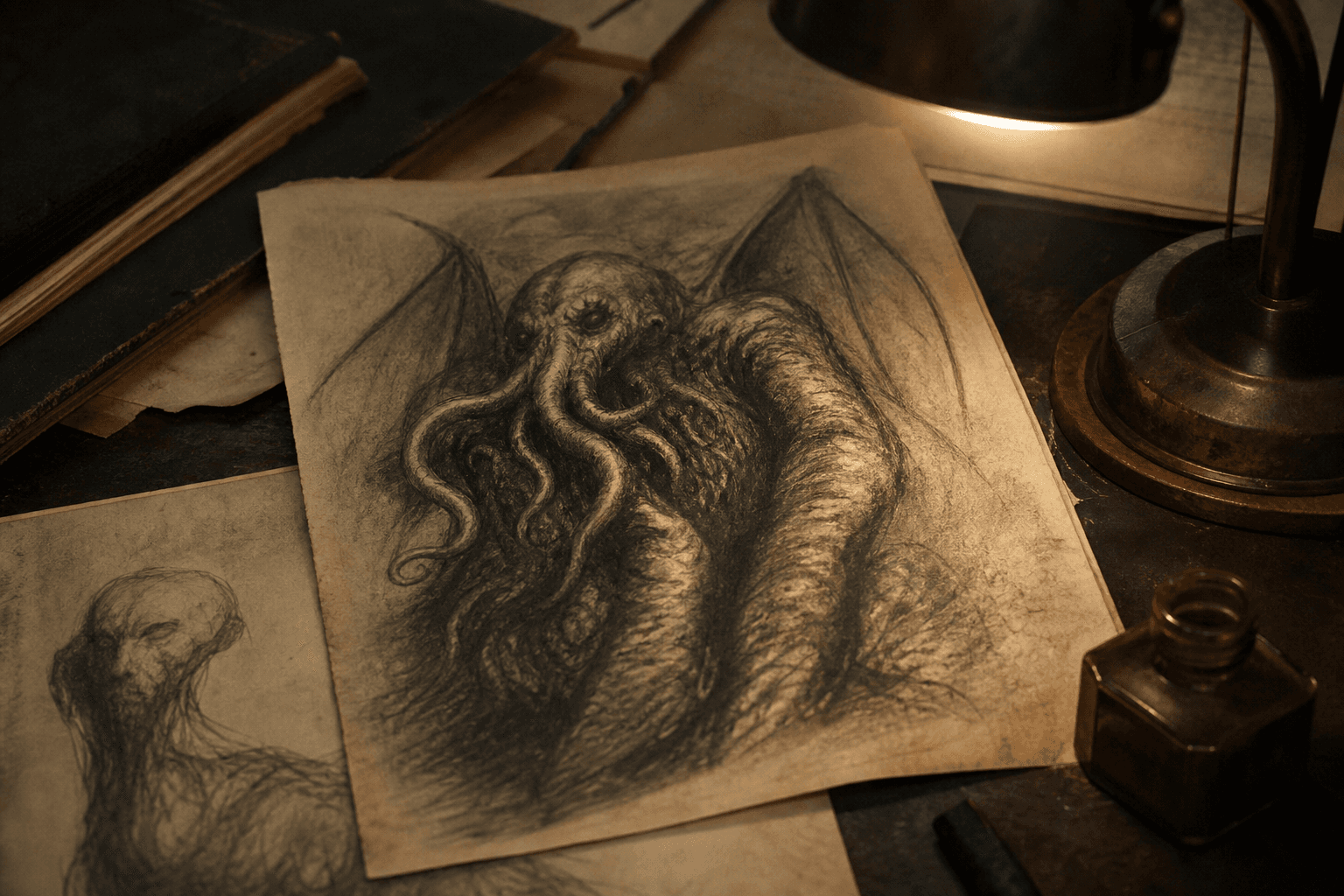
Evidence 02
Dispatch FRANCOIS_BARANGER_ILLUSTRATED_LOVECRAFT · Primary keyword: baranger lovecraft
Primary sources
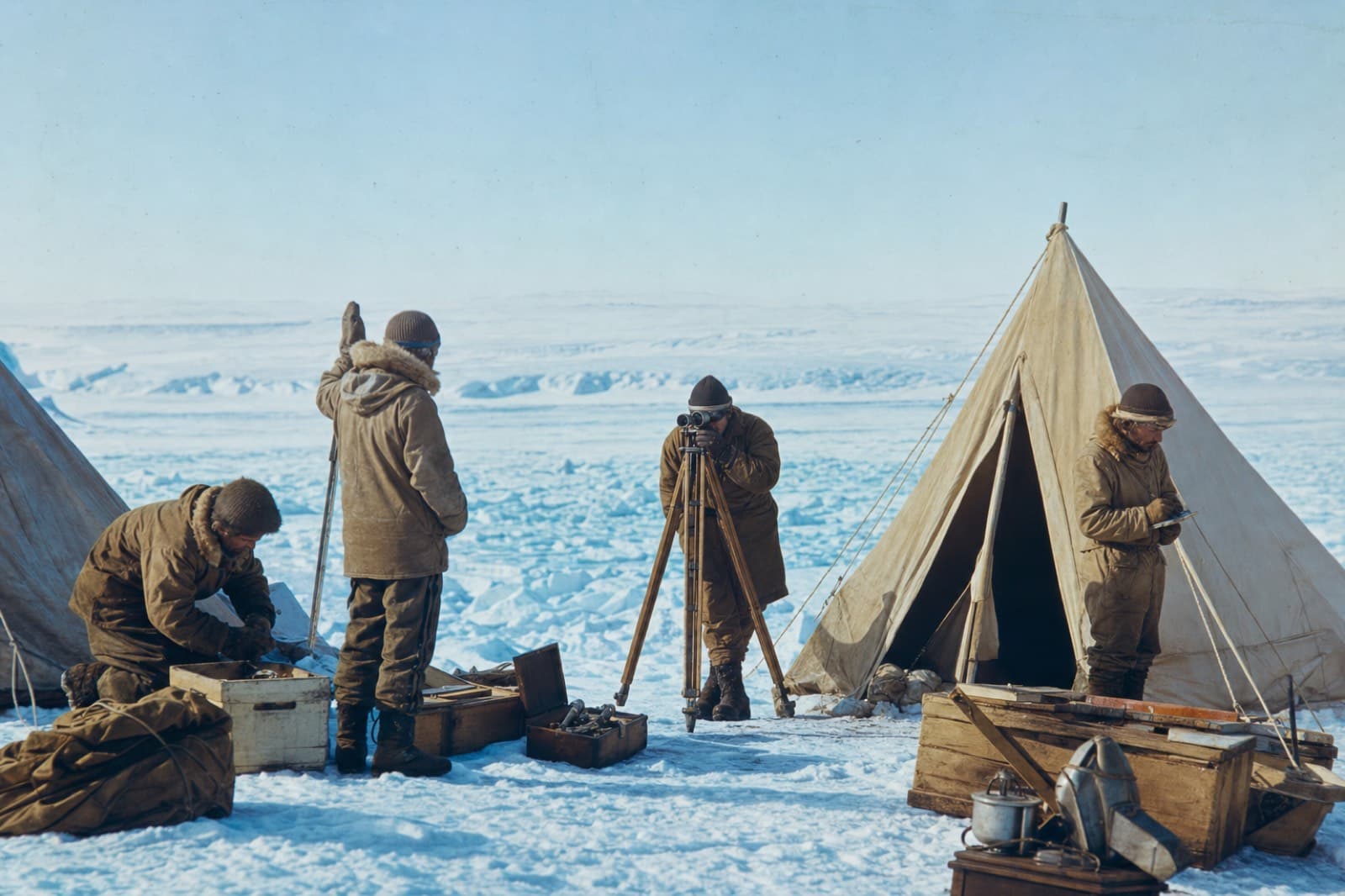
STY-002
fragmentaryAt the Mountains of Madness
Antarctic Expedition Log
The Miskatonic Antarctic Expedition's discovery of Elder Thing ruins and the shoggoth-haunted history beneath the ice - the report Professor Dyer suppressed so that no plane would fly south again.
STY-004
activeThe Dunwich Horror
Rural Incident - 1928
The Whateley twins, an invisible monstrosity, and rites on Sentinel Hill - when Miskatonic scholars used the Necronomicon as a weapon and learned that some doors, once opened, never close.