

Hastur
He Who Is Not to Be Named
A being linked to the cursed play and the Yellow Sign, whose name itself may invite catastrophe, companion to the King in Yellow, dweller by the Lake of Hali.
Have you found the Yellow Sign?
Graffiti; stage directions; the last words of several otherwise unrelated suicides
Overview
There are names that should not be spoken, and Hastur is foremost among them in the catalogue of the Miskatonic Archive. He Who Is Not to Be Named, the Unspeakable, dwells, it is said, in the lost city of Carcosa beside the Lake of Hali, where black stars hang in a heavens that do not match our own. Whether Hastur and the King in Yellow are one entity, or king and court, or mask and wearer, the archive has not determined. The uncertainty does not make the danger less.
What is certain is this: the play corrupts. The Sign spreads. And those who seek the Pallid Mask do not return as they left.
Description
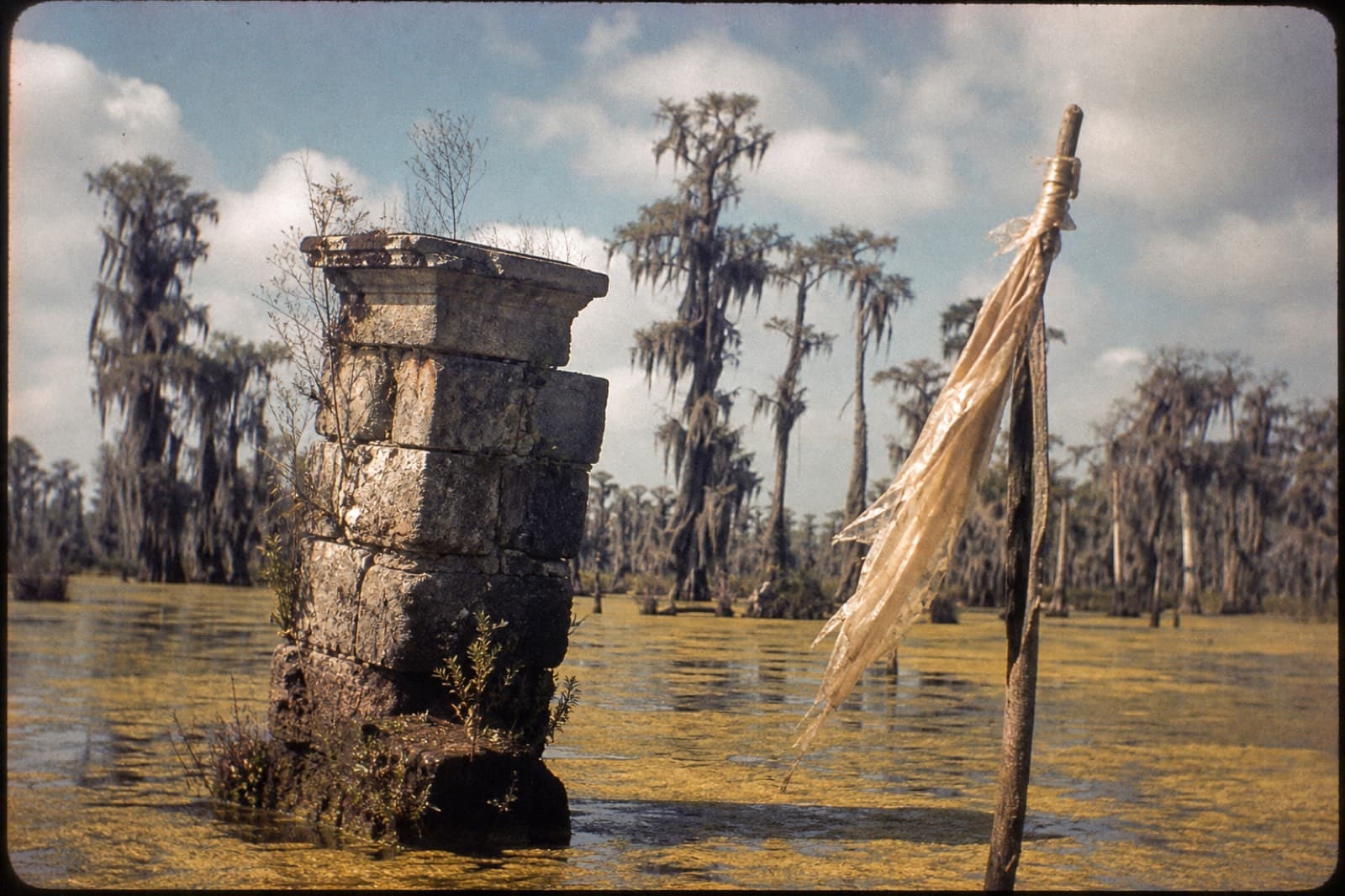
Direct visual accounts are scarce and contradictory. Some describe tattered robes of yellow, a mask of pale porcelain, limbs that move with the wrong number of joints. Others insist that Hastur is not seen at all, that one sees instead the city, Carcosa, with its twin suns and its towers that pierce cloud and reason alike, and that the King is the city and the city is the King.
The Yellow Sign itself, a glyph that must not be reproduced in open correspondence, appears on walls, on stage sets, on the flesh of the initiated. To see it is to begin the journey. To understand it is to end.
Historical Record
Robert W. Chambers imported the King and the Pallid Mask into literature long before the Miskatonic formalized the mythos; later scholars wove Hastur into the tapestry as patron of the play, lord of the Byakhee, and brother or rival to the other Great Old Ones. The suppressed second act of 'The King in Yellow' has been sought by collectors, madmen, and the U.S. government with equal fervour.
Incidents cluster around theatrical productions, art movements that embrace decay as aesthetic, and academic circles where the line between criticism and invocation blurs. The archive treats related documents as biohazardous to the mind and stores them accordingly.
Archive Notes
Personnel are forbidden to read the complete text of the play without Level Theta clearance and a second examiner present. The phrase 'Hastur' must not be spoken aloud in the Carcosa file room, protocol established after the 1949 incident. If you find the Yellow Sign, do not acknowledge it. Do not trace it. Report to your supervisor and await instructions. The King in Yellow is not a metaphor. The archive has learned that lesson in blood.
Citation: Miskatonic Expedition Archive. Record GOO-003. Access subject to institutional review.
Related Records
Cross-References
CON-003
activeMadness
Cognitive Collapse
The frequent terminus of contact with the mythos - not always dysfunction, but sometimes expanded perception mortals cannot sustain, and sometimes the only sane response to an insane cosmos.
CON-002
activeForbidden Knowledge
Epistemic Hazard
Information whose acquisition damages the seeker - truths the mind evolved specifically not to accommodate, and that no degree of education prepares one to survive.