


Field Dispatch
Pastiche, Sequels, and Expanded Mythos Fiction
Classification memo for seven thousand wiki titles that are not Howard Phillips Lovecraft.
The expansion problem
Lovecraft died in 1937 with no franchise bible. What followed — August Derleth at Arkham House, Clark Ashton Smith in correspondence, Robert E. Howard's overlaps, then a century of anthologies — built the Cthulhu Mythos as a brand. Fandom wikis list every short story, shared-world anthology, and Amazon paperback as if equal entries. Our archive cannot.
Pastiche here means fiction that deliberately extends names Lovecraft invented: new gods, new spells, new towns. Some pastiche is brilliant; some is packaging. All of it is secondary until you have read the primary magazines. The Expedition's job is not to shame readers for liking The Hollow Earth or A Colder War; it is to keep plot claims attached to the right shelf.
When a wiki page describes a 2019 novella with the same confidence as At the Mountains of Madness, you get bad scholarship and bad fear. Bad scholarship says Derleth invented Cthulhu's family tree. Bad fear says every rubber mask is canon. This dispatch is the filter.
Generations of expansion
First generation (Lovecraft's life): collaboration and revision — tales he edited for Hazel Heald, Zealia Bishop, Adolphe de Castro — plus circle tales that share names: Smith's Hyperborea, Howard's Stygia. Treat these as adjacent, not authoritative, unless Lovecraft signed off on the text.
Second generation (Arkham House and Weird Tales heirs): Derleth's elemental oppositions, Brian Lumley's psychic wars, Ramsey Campbell's Severn Valley — each redefines "mythos" for a decade. Read for craft; cite carefully.
Third generation (paperback boom onward): themed anthologies (Tales of the Cthulhu Mythos, New Tales of the Cthulhu Mythos, charity zines, Kickstarter exclusives). Quality varies; the binding glue is the trademark.
Fourth generation (internet + games + film): memes, SCP cross-pollination, YouTube essays. Reception, not scripture.
For each wiki title in generation three or four, our automated dossier still gives you a curated entry — summary, cross-links, warning labels — but the header will say fragmentary or posthumous expansion when appropriate. Trust the classification line, not the Fandom infobox.
How to read expanded fiction well
Start primary: /lovecraft hub, Where to Start, then /cthulhu-mythos. Add Derleth knowing he renamed conflicts "good vs evil" more often than Lovecraft did. Add Campbell for British bleakness; Lumley if you accept action-horror; Shea and Tierney for pulp archaeology.
When a pastiche introduces a god, ask: does it appear in Lovecraft's mail, or only in a 1976 paperback? If the latter, file it under expanded in your notes. Link our archive entity page if we maintain one; if not, the /glossary may still catch the name for search.
Anthologies and "complete" claims
Books titled The Complete Cthulhu Mythos are complete only for a publisher's rights bundle. No single volume contains every licensed story. Use /journal/best-lovecraft-book-editions for Lovecraft's own fiction; use this dispatch for everything else.
Fan fiction and wiki noise
Wiki pages for 'Twas the Night Before Madness or crossover lists are cultural evidence, not field reports. Enjoy them; do not stake academic claims on them unless your topic is fandom itself. The same rule covers shared-universe anthologies where each author owns a different god: applaud the craft, file the names separately, and never treat the table of contents as a pantheon chart Lovecraft signed.
What the Expedition catalogues
We generated thousands of dossiers from the Fandom index so no search term lands on a 404. That does not mean we assert every title is equally real in-universe. Slugs marked from the ingest carry tags like `fandom-index`; read the Historical Record section for the disclaimer about posthumous elaboration.
Primary incidents — /archive/the-call-of-cthulhu, /archive/the-shadow-over-innsmouth — receive hand-curated prose. Expanded entries receive archival voice but automated breadth. When you need literary immortality, read Lovecraft; when you need a name cross-linked tonight, read us.
Citation hygiene
Papers should cite Lovecraft's text (Library), not our summary (archive), unless the paper analyzes the archive as a modern construct. Reviews of games cite publishers. Reviews of films cite directors. Our pages are maps, not territory.
If you improve a pastiche entry and know primary sources, send corrections through /contact. The mythos grows; our classification must grow with it — but never faster than evidence. When in doubt, quote the magazine year, not the wiki revision date — pulp ages; servers do not.
Dispatch CTHULHU_MYTHOS_PASTICHE_AND_EXPANDED_FICTION · Primary keyword: cthulhu mythos stories
Primary sources
CON-001
activeCosmic Horror
Philosophical Classification
Horror arising not from personal evil but from the insignificance of humanity before an indifferent, incomprehensible cosmos - the aesthetic that governs every file in this archive.

TOM-001
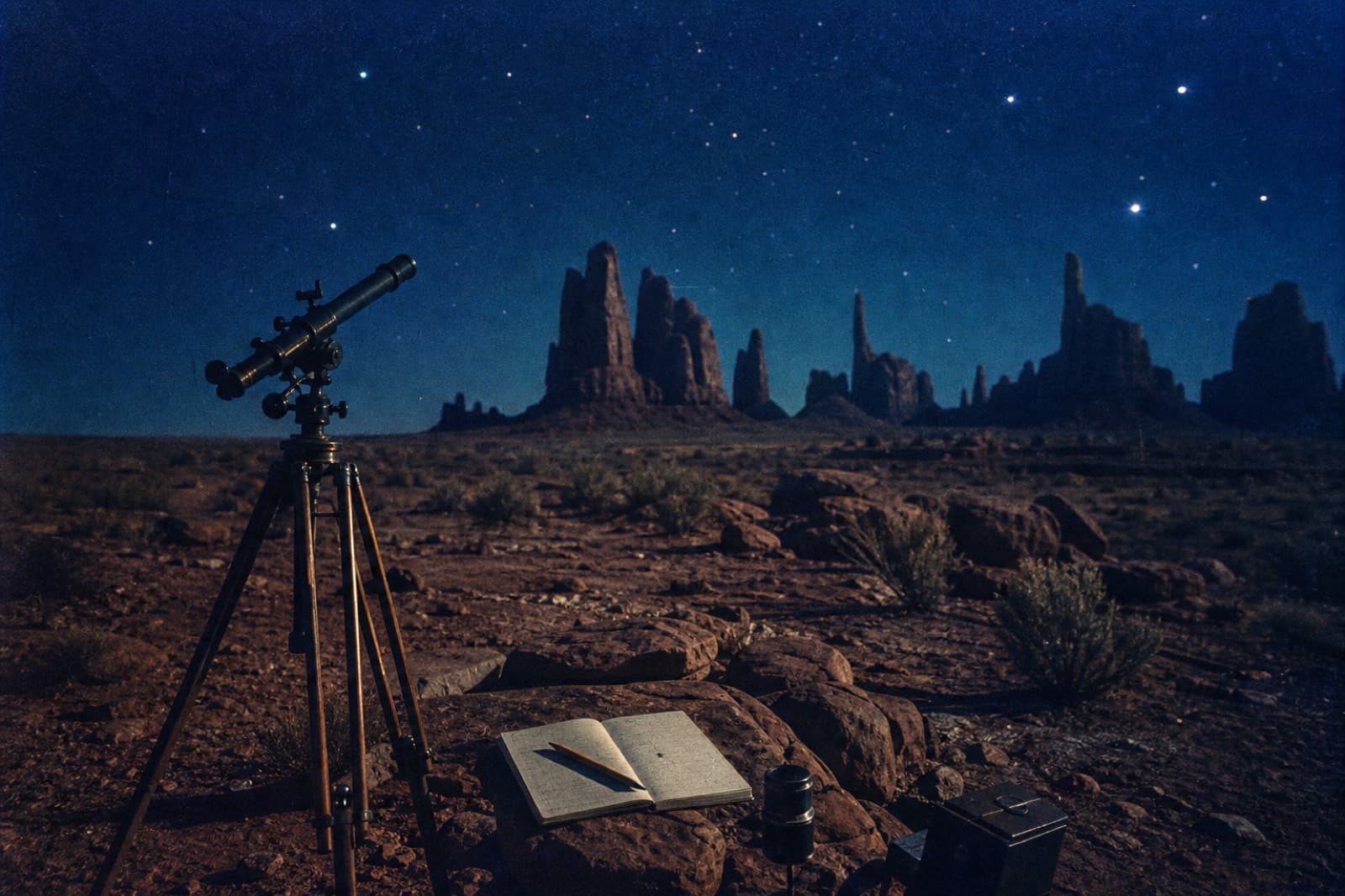
fragmentaryNecronomicon
Al Azif, Book of Dead Names
The most infamous grimoire of the mythos, an Arabic manuscript of rituals, histories, and formulae that erode the sanity of readers and have never been wholly suppressed, only scattered.
GOO-001
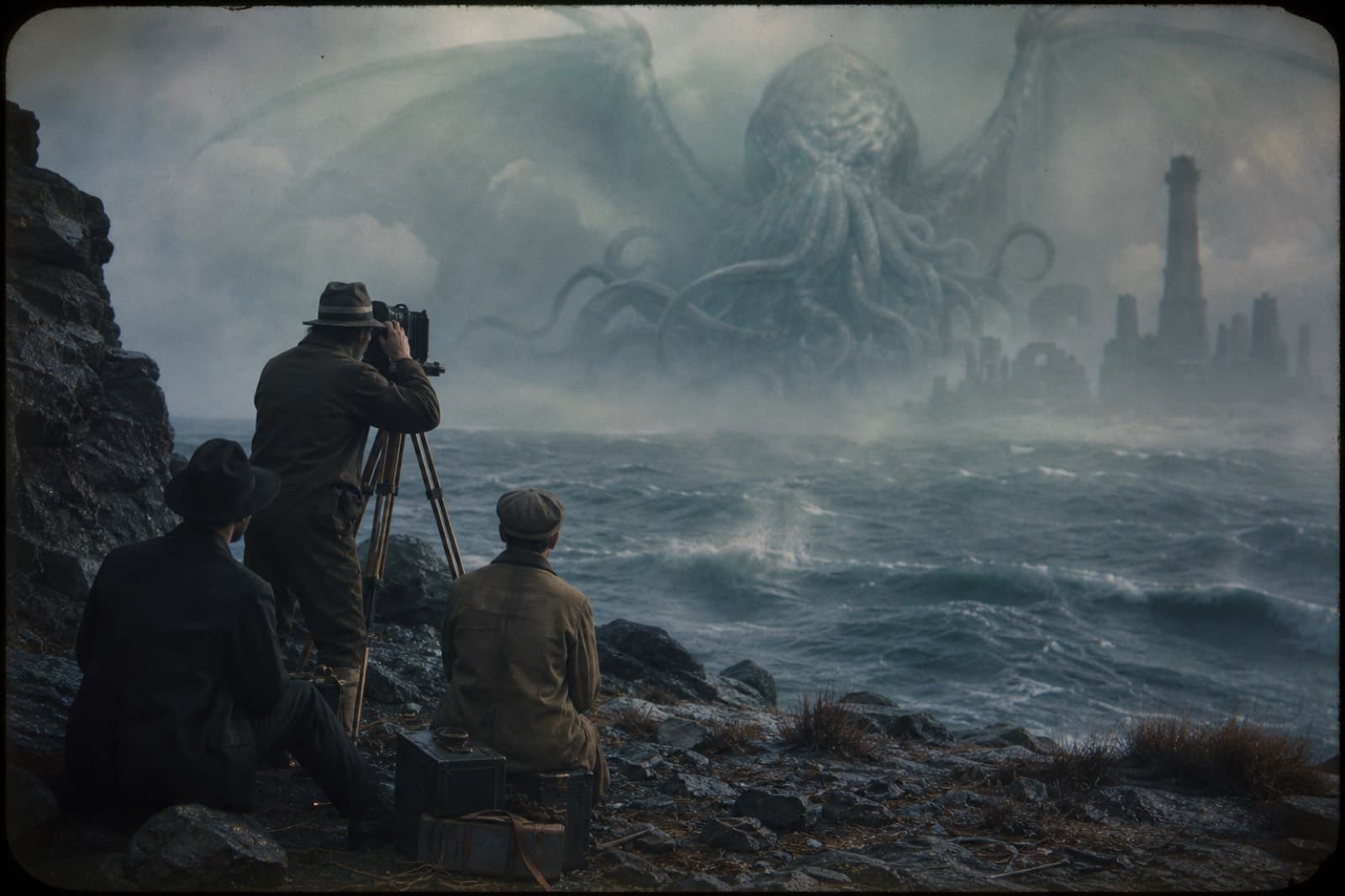
dormantCthulhu
High Priest of the Great Old Ones
A colossal entity of draconic and cephalopodic aspect, dreaming in death-like slumber beneath the Pacific until the stars align, and when they do, the world will know madness again.
OG-002
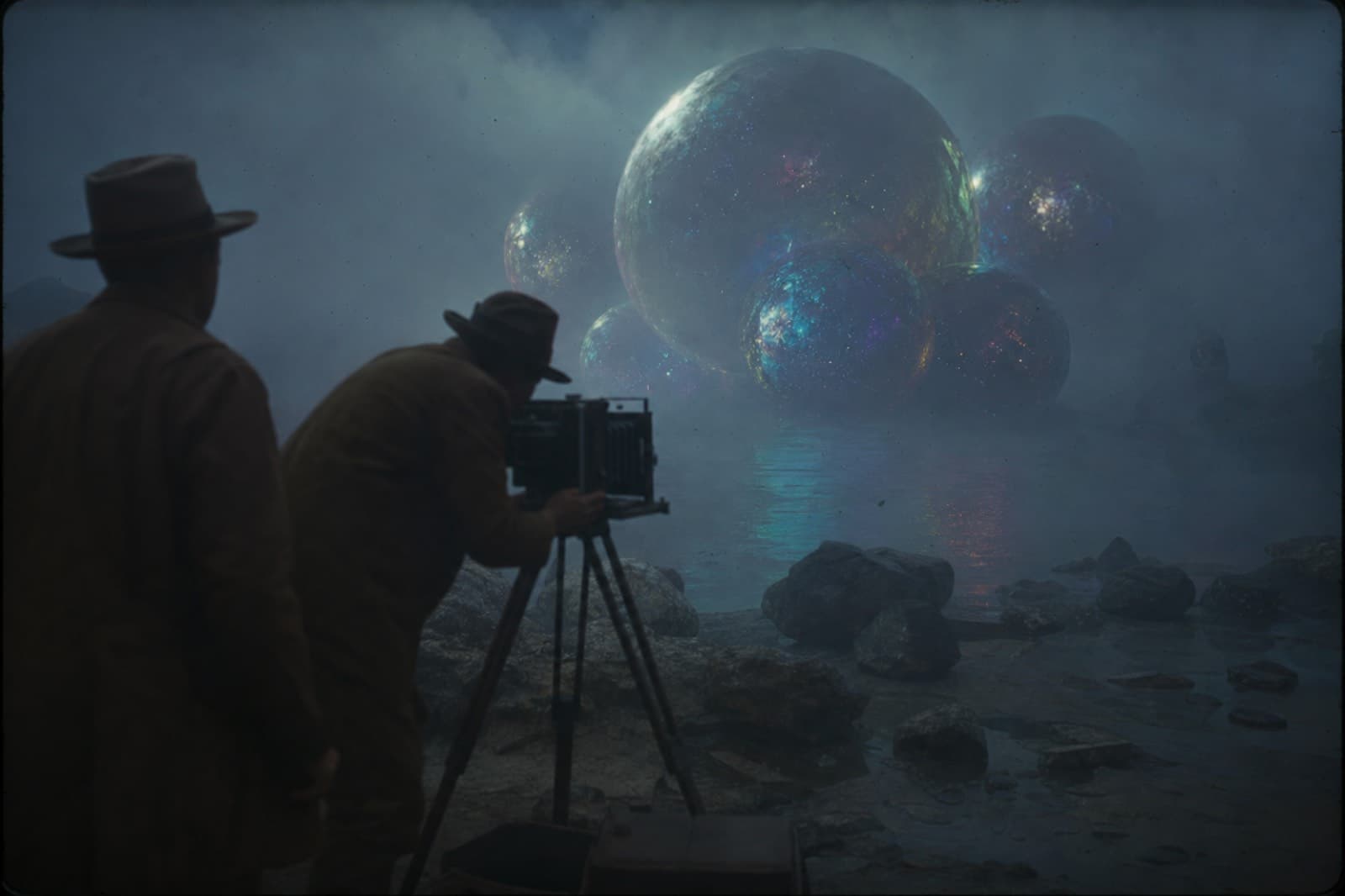
activeYog-Sothoth
The Key and the Gate
A congeries of iridescent spheres existing coterminously with all space and time, the threshold through which other powers enter, and the knower of all that was and is and shall be.
Continue reading

Field Dispatch
Lovecraft's Literary Circle & Influences
Edgar Allan Poe, Lord Dunsany, Clark Ashton Smith, Robert E. Howard, and August Derleth - how Lovecraft's circle shaped the mythos.
Read dispatch →

Field Dispatch
Modern Lovecraftian Horror
Contemporary authors and works in the Lovecraftian tradition - where to go after reading H. P. Lovecraft's original fiction.
Read dispatch →

Field Dispatch
Where to Start Reading H. P. Lovecraft
A curated entry path through Lovecraft's best short stories - from The Call of Cthulhu to gentler Dream Cycle tales - with links to full archive records.
Read dispatch →