

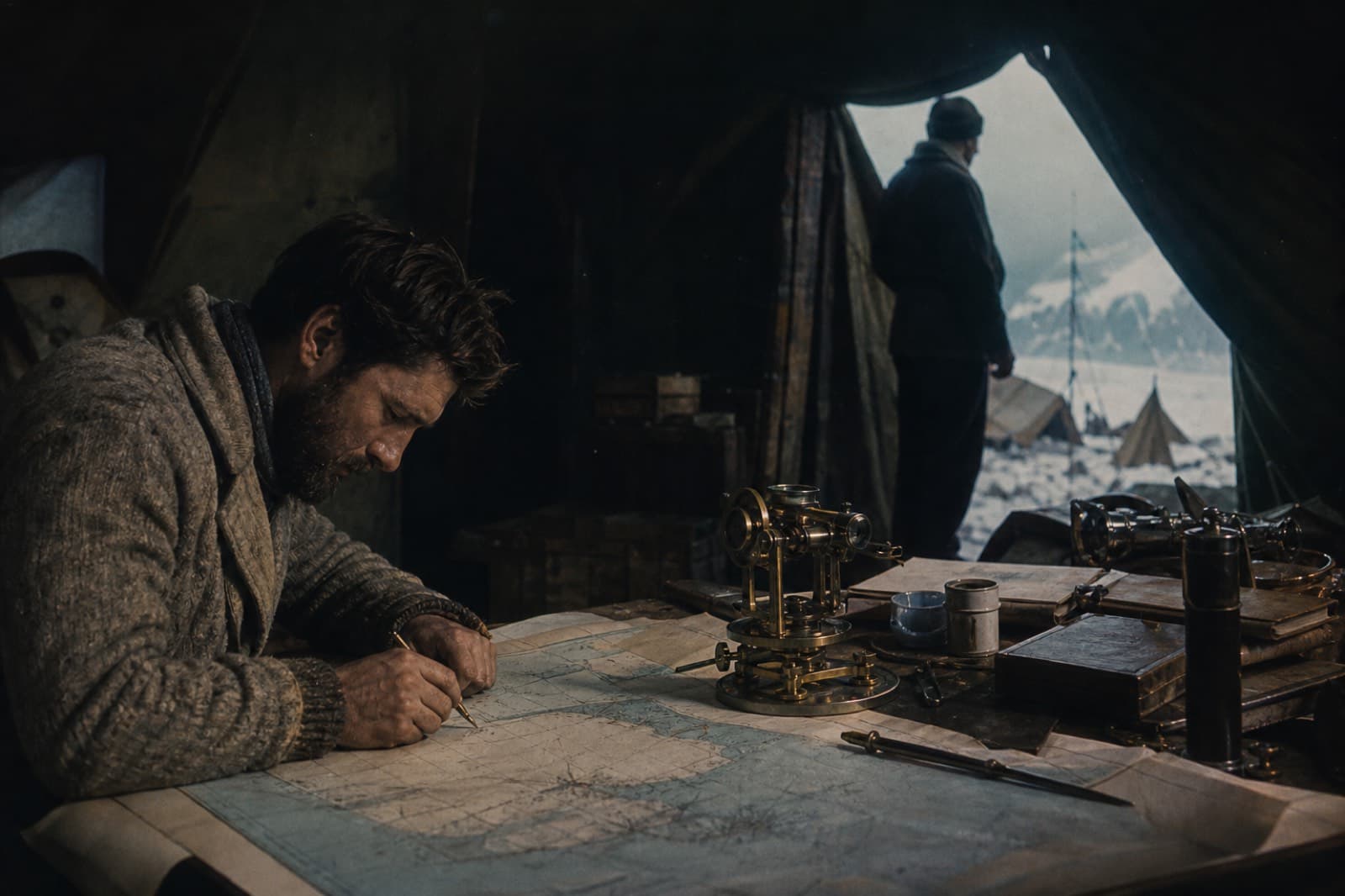
MISK-LIB-1928-067 · DOSSIER OPENED
The Call of Cthulhu
A global dossier of dreams, cults, and something risen in the Pacific.
Archival Introduction
Filed among the restricted shelves of literary anomaly, The Call of Cthulhu arrives not as a comfortable novel but as a short story whose authority depends upon the credibility of documents, witnesses, and the slow erosion of explanation.
The prose, once encountered, imprints itself upon the reader less through character psychology than through the conviction that knowledge - once opened - cannot be closed without cost.
Miskatonic cataloguers assign mythos importance: Essential; estimated reading duration: 45–60 min; difficulty: Medium. These are field estimates, not moral judgments.
What endures is not the tidiness of publication history but the pressure the prose exerts upon a mind trained to treat science, genealogy, and scripture as stable archives rather than temporary shelters.
In Providence correspondence Lovecraft often treated such tales as experiments in voice - tests of whether wonder, disgust, or cosmic diminution could be made to coexist within the same antiquarian sentence.
Later mythos scholarship sometimes over-systematizes these stories, drawing maps where Lovecraft himself offered only fog; the wiser reader holds connections lightly, as suggestions rather than commandments.
The manuscript tradition surrounding this piece remains irregular: magazine appearance, amateur printing, and later Arkham House recovery each left distinct textual fingerprints that bibliographers still reconcile against Lovecraft's surviving letters.
Readers approaching the dossier should remember that pulp publication was not literary canonization but rent paid to editors who preferred adjectives to epiphanies, and who measured success in mailed issues rather than posthumous syllabi.
What endures is not the tidiness of publication history but the pressure the prose exerts upon a mind trained to treat science, genealogy, and scripture as stable archives rather than temporary shelters.
In Providence correspondence Lovecraft often treated such tales as experiments in voice - tests of whether wonder, disgust, or cosmic diminution could be made to coexist within the same antiquarian sentence.
Later mythos scholarship sometimes over-systematizes these stories, drawing maps where Lovecraft himself offered only fog; the wiser reader holds connections lightly, as suggestions rather than commandments.
The manuscript tradition surrounding this piece remains irregular: magazine appearance, amateur printing, and later Arkham House recovery each left distinct textual fingerprints that bibliographers still reconcile against Lovecraft's surviving letters.
Readers approaching the dossier should remember that pulp publication was not literary canonization but rent paid to editors who preferred adjectives to epiphanies, and who measured success in mailed issues rather than posthumous syllabi.
Synopsis
Full Account - Spoilers Permitted
Spoiler warning. The following account names outcomes and entities the spoiler-free synopsis withholds.
The narrative opens by establishing a frame - letter, memoir, or confession - that distances the reader from immediate danger while promising documentary authenticity. As incidents multiply, the frame itself becomes suspect: editors omit names, narrators confess gaps, and institutional silence replaces explanation.
Climactic horror in The Call of Cthulhu typically refuses redemption: survivors, if any, are diminished, mad, or transformed; knowledge persists as contamination rather than victory. This pattern aligns with Lovecraft's mature conviction that the universe does not notice human virtue.
Named powers and species - Cthulhu, Star Spawn, cult of the Great Old Ones - enter not as jump-scare monsters but as conclusions forced by evidence the narrator wished to avoid.
What endures is not the tidiness of publication history but the pressure the prose exerts upon a mind trained to treat science, genealogy, and scripture as stable archives rather than temporary shelters.
In Providence correspondence Lovecraft often treated such tales as experiments in voice - tests of whether wonder, disgust, or cosmic diminution could be made to coexist within the same antiquarian sentence.
Later mythos scholarship sometimes over-systematizes these stories, drawing maps where Lovecraft himself offered only fog; the wiser reader holds connections lightly, as suggestions rather than commandments.
The manuscript tradition surrounding this piece remains irregular: magazine appearance, amateur printing, and later Arkham House recovery each left distinct textual fingerprints that bibliographers still reconcile against Lovecraft's surviving letters.
Readers approaching the dossier should remember that pulp publication was not literary canonization but rent paid to editors who preferred adjectives to epiphanies, and who measured success in mailed issues rather than posthumous syllabi.
What endures is not the tidiness of publication history but the pressure the prose exerts upon a mind trained to treat science, genealogy, and scripture as stable archives rather than temporary shelters.
In Providence correspondence Lovecraft often treated such tales as experiments in voice - tests of whether wonder, disgust, or cosmic diminution could be made to coexist within the same antiquarian sentence.
Later mythos scholarship sometimes over-systematizes these stories, drawing maps where Lovecraft himself offered only fog; the wiser reader holds connections lightly, as suggestions rather than commandments.
The manuscript tradition surrounding this piece remains irregular: magazine appearance, amateur printing, and later Arkham House recovery each left distinct textual fingerprints that bibliographers still reconcile against Lovecraft's surviving letters.
Readers approaching the dossier should remember that pulp publication was not literary canonization but rent paid to editors who preferred adjectives to epiphanies, and who measured success in mailed issues rather than posthumous syllabi.
Readers approaching the dossier should remember that pulp publication was not literary canonization but rent paid to editors who preferred adjectives to epiphanies, and who measured success in mailed issues rather than posthumous syllabi.
What endures is not the tidiness of publication history but the pressure the prose exerts upon a mind trained to treat science, genealogy, and scripture as stable archives rather than temporary shelters.
Without surrendering the tale's terminal revelations, one may say that The Call of Cthulhu conducts its reader along a narrowing corridor of evidence until ordinary explanations fail and something older - whether biological, spectral, or cosmic - occupies the space they vacated.
The narrator's voice - dense with antiquarian qualification - serves as both guide and unreliable witness, asking us to trust footnotes, diaries, and secondhand reports that were never designed to bear the weight placed upon them.
Atmosphere accumulates through scientific apparatus rather than through sustained dialogue; the horror, when it arrives, feels less like a surprise than like a recognition.
What endures is not the tidiness of publication history but the pressure the prose exerts upon a mind trained to treat science, genealogy, and scripture as stable archives rather than temporary shelters.
In Providence correspondence Lovecraft often treated such tales as experiments in voice - tests of whether wonder, disgust, or cosmic diminution could be made to coexist within the same antiquarian sentence.
Later mythos scholarship sometimes over-systematizes these stories, drawing maps where Lovecraft himself offered only fog; the wiser reader holds connections lightly, as suggestions rather than commandments.
The manuscript tradition surrounding this piece remains irregular: magazine appearance, amateur printing, and later Arkham House recovery each left distinct textual fingerprints that bibliographers still reconcile against Lovecraft's surviving letters.
Readers approaching the dossier should remember that pulp publication was not literary canonization but rent paid to editors who preferred adjectives to epiphanies, and who measured success in mailed issues rather than posthumous syllabi.
What endures is not the tidiness of publication history but the pressure the prose exerts upon a mind trained to treat science, genealogy, and scripture as stable archives rather than temporary shelters.
In Providence correspondence Lovecraft often treated such tales as experiments in voice - tests of whether wonder, disgust, or cosmic diminution could be made to coexist within the same antiquarian sentence.
Later mythos scholarship sometimes over-systematizes these stories, drawing maps where Lovecraft himself offered only fog; the wiser reader holds connections lightly, as suggestions rather than commandments.
The manuscript tradition surrounding this piece remains irregular: magazine appearance, amateur printing, and later Arkham House recovery each left distinct textual fingerprints that bibliographers still reconcile against Lovecraft's surviving letters.
Readers approaching the dossier should remember that pulp publication was not literary canonization but rent paid to editors who preferred adjectives to epiphanies, and who measured success in mailed issues rather than posthumous syllabi.
Readers approaching the dossier should remember that pulp publication was not literary canonization but rent paid to editors who preferred adjectives to epiphanies, and who measured success in mailed issues rather than posthumous syllabi.
Historical Context
Composition circa 1926 places the work within Lovecraft's middle period, when pulp markets paid poverty wages but granted freedom to publish ideas respectable fiction would not touch.
First publication 1928 in Weird Tales situates the piece in the material ecology of Weird Tales print culture - ink, margins, and editorial cuts included.
Contemporary readers encountered the tale as ephemeral magazine matter, not as canonical literature; its later elevation is an act of editorial archaeology as much as literary judgment.
What endures is not the tidiness of publication history but the pressure the prose exerts upon a mind trained to treat science, genealogy, and scripture as stable archives rather than temporary shelters.
In Providence correspondence Lovecraft often treated such tales as experiments in voice - tests of whether wonder, disgust, or cosmic diminution could be made to coexist within the same antiquarian sentence.
Later mythos scholarship sometimes over-systematizes these stories, drawing maps where Lovecraft himself offered only fog; the wiser reader holds connections lightly, as suggestions rather than commandments.
The manuscript tradition surrounding this piece remains irregular: magazine appearance, amateur printing, and later Arkham House recovery each left distinct textual fingerprints that bibliographers still reconcile against Lovecraft's surviving letters.
Readers approaching the dossier should remember that pulp publication was not literary canonization but rent paid to editors who preferred adjectives to epiphanies, and who measured success in mailed issues rather than posthumous syllabi.
What endures is not the tidiness of publication history but the pressure the prose exerts upon a mind trained to treat science, genealogy, and scripture as stable archives rather than temporary shelters.
In Providence correspondence Lovecraft often treated such tales as experiments in voice - tests of whether wonder, disgust, or cosmic diminution could be made to coexist within the same antiquarian sentence.
Later mythos scholarship sometimes over-systematizes these stories, drawing maps where Lovecraft himself offered only fog; the wiser reader holds connections lightly, as suggestions rather than commandments.
The manuscript tradition surrounding this piece remains irregular: magazine appearance, amateur printing, and later Arkham House recovery each left distinct textual fingerprints that bibliographers still reconcile against Lovecraft's surviving letters.
Readers approaching the dossier should remember that pulp publication was not literary canonization but rent paid to editors who preferred adjectives to epiphanies, and who measured success in mailed issues rather than posthumous syllabi.
Literary Style and Atmosphere
The diction favors Latinate precision; sentences lengthen when the narrator approaches what cannot be spoken plainly.
Setting operates as moral weather: Arkham and environs are not backdrop but argument, insisting that place remembers what people forget.
New England decay - genetic, architectural, theological - provides the tale's ethical grime, even when the ultimate threat is extraterrestrial or pre-human.
What endures is not the tidiness of publication history but the pressure the prose exerts upon a mind trained to treat science, genealogy, and scripture as stable archives rather than temporary shelters.
In Providence correspondence Lovecraft often treated such tales as experiments in voice - tests of whether wonder, disgust, or cosmic diminution could be made to coexist within the same antiquarian sentence.
Later mythos scholarship sometimes over-systematizes these stories, drawing maps where Lovecraft himself offered only fog; the wiser reader holds connections lightly, as suggestions rather than commandments.
The manuscript tradition surrounding this piece remains irregular: magazine appearance, amateur printing, and later Arkham House recovery each left distinct textual fingerprints that bibliographers still reconcile against Lovecraft's surviving letters.
Readers approaching the dossier should remember that pulp publication was not literary canonization but rent paid to editors who preferred adjectives to epiphanies, and who measured success in mailed issues rather than posthumous syllabi.
What endures is not the tidiness of publication history but the pressure the prose exerts upon a mind trained to treat science, genealogy, and scripture as stable archives rather than temporary shelters.
In Providence correspondence Lovecraft often treated such tales as experiments in voice - tests of whether wonder, disgust, or cosmic diminution could be made to coexist within the same antiquarian sentence.
Later mythos scholarship sometimes over-systematizes these stories, drawing maps where Lovecraft himself offered only fog; the wiser reader holds connections lightly, as suggestions rather than commandments.
The manuscript tradition surrounding this piece remains irregular: magazine appearance, amateur printing, and later Arkham House recovery each left distinct textual fingerprints that bibliographers still reconcile against Lovecraft's surviving letters.
Readers approaching the dossier should remember that pulp publication was not literary canonization but rent paid to editors who preferred adjectives to epiphanies, and who measured success in mailed issues rather than posthumous syllabi.
Themes, Persons, and Places
Principal themes
Forbidden knowledge - woven through the narrative as recurring pressure rather than moral lesson.
Cosmic insignificance - woven through the narrative as recurring pressure rather than moral lesson.
Antiquarian dread - woven through the narrative as recurring pressure rather than moral lesson.
Rational collapse - woven through the narrative as recurring pressure rather than moral lesson.
Key characters
Unnamed or lightly sketched narrators; Provincial witnesses; Scholars who should have stopped
Key locations
Arkham and environs.
Entities and Mythos References
Cthulhu; Star Spawn; cult of the Great Old Ones.
These names should be cross-referenced against the expedition archive rather than treated as interchangeable folklore.
Why It Matters
Within Lovecraft's universe, The Call of Cthulhu matters because it anchors essential mythos architecture.
It teaches how fear can be induced without spectacle - through genealogy, silence, and the refusal to offer comforting closure.
What endures is not the tidiness of publication history but the pressure the prose exerts upon a mind trained to treat science, genealogy, and scripture as stable archives rather than temporary shelters.
In Providence correspondence Lovecraft often treated such tales as experiments in voice - tests of whether wonder, disgust, or cosmic diminution could be made to coexist within the same antiquarian sentence.
Later mythos scholarship sometimes over-systematizes these stories, drawing maps where Lovecraft himself offered only fog; the wiser reader holds connections lightly, as suggestions rather than commandments.
The manuscript tradition surrounding this piece remains irregular: magazine appearance, amateur printing, and later Arkham House recovery each left distinct textual fingerprints that bibliographers still reconcile against Lovecraft's surviving letters.
Readers approaching the dossier should remember that pulp publication was not literary canonization but rent paid to editors who preferred adjectives to epiphanies, and who measured success in mailed issues rather than posthumous syllabi.
What endures is not the tidiness of publication history but the pressure the prose exerts upon a mind trained to treat science, genealogy, and scripture as stable archives rather than temporary shelters.
In Providence correspondence Lovecraft often treated such tales as experiments in voice - tests of whether wonder, disgust, or cosmic diminution could be made to coexist within the same antiquarian sentence.
Later mythos scholarship sometimes over-systematizes these stories, drawing maps where Lovecraft himself offered only fog; the wiser reader holds connections lightly, as suggestions rather than commandments.
The manuscript tradition surrounding this piece remains irregular: magazine appearance, amateur printing, and later Arkham House recovery each left distinct textual fingerprints that bibliographers still reconcile against Lovecraft's surviving letters.
Readers approaching the dossier should remember that pulp publication was not literary canonization but rent paid to editors who preferred adjectives to epiphanies, and who measured success in mailed issues rather than posthumous syllabi.
Connections and Suggested Reading
Links to other works
See also: The Shadow over Innsmouth
See also: The Dunwich Horror
See also: At the Mountains of Madness
Before this dossier
The Shadow over Innsmouth; The Dunwich Horror
After this dossier
The Dunwich Horror; At the Mountains of Madness
Legacy and Influence
Later weird fiction, role-playing cosmologies, and cinematic pastiche have all borrowed fragments of this tale's mood if not its exact plot; the borrowing is often shallow, but it testifies to persistent fascination.
For expedition readers building a Lovecraft bibliography in order, the dossier pairs with adjacent files in the library timeline; for scholars, it remains a primary text to be read in magazine context when possible.
The Miskatonic archive recommends: approach The Call of Cthulhu in silence, with patience for antiquarian pace, and without demanding that cosmic horror behave like modern thriller fiction.
What endures is not the tidiness of publication history but the pressure the prose exerts upon a mind trained to treat science, genealogy, and scripture as stable archives rather than temporary shelters.
In Providence correspondence Lovecraft often treated such tales as experiments in voice - tests of whether wonder, disgust, or cosmic diminution could be made to coexist within the same antiquarian sentence.
Later mythos scholarship sometimes over-systematizes these stories, drawing maps where Lovecraft himself offered only fog; the wiser reader holds connections lightly, as suggestions rather than commandments.
The manuscript tradition surrounding this piece remains irregular: magazine appearance, amateur printing, and later Arkham House recovery each left distinct textual fingerprints that bibliographers still reconcile against Lovecraft's surviving letters.
Readers approaching the dossier should remember that pulp publication was not literary canonization but rent paid to editors who preferred adjectives to epiphanies, and who measured success in mailed issues rather than posthumous syllabi.
What endures is not the tidiness of publication history but the pressure the prose exerts upon a mind trained to treat science, genealogy, and scripture as stable archives rather than temporary shelters.
In Providence correspondence Lovecraft often treated such tales as experiments in voice - tests of whether wonder, disgust, or cosmic diminution could be made to coexist within the same antiquarian sentence.
Later mythos scholarship sometimes over-systematizes these stories, drawing maps where Lovecraft himself offered only fog; the wiser reader holds connections lightly, as suggestions rather than commandments.
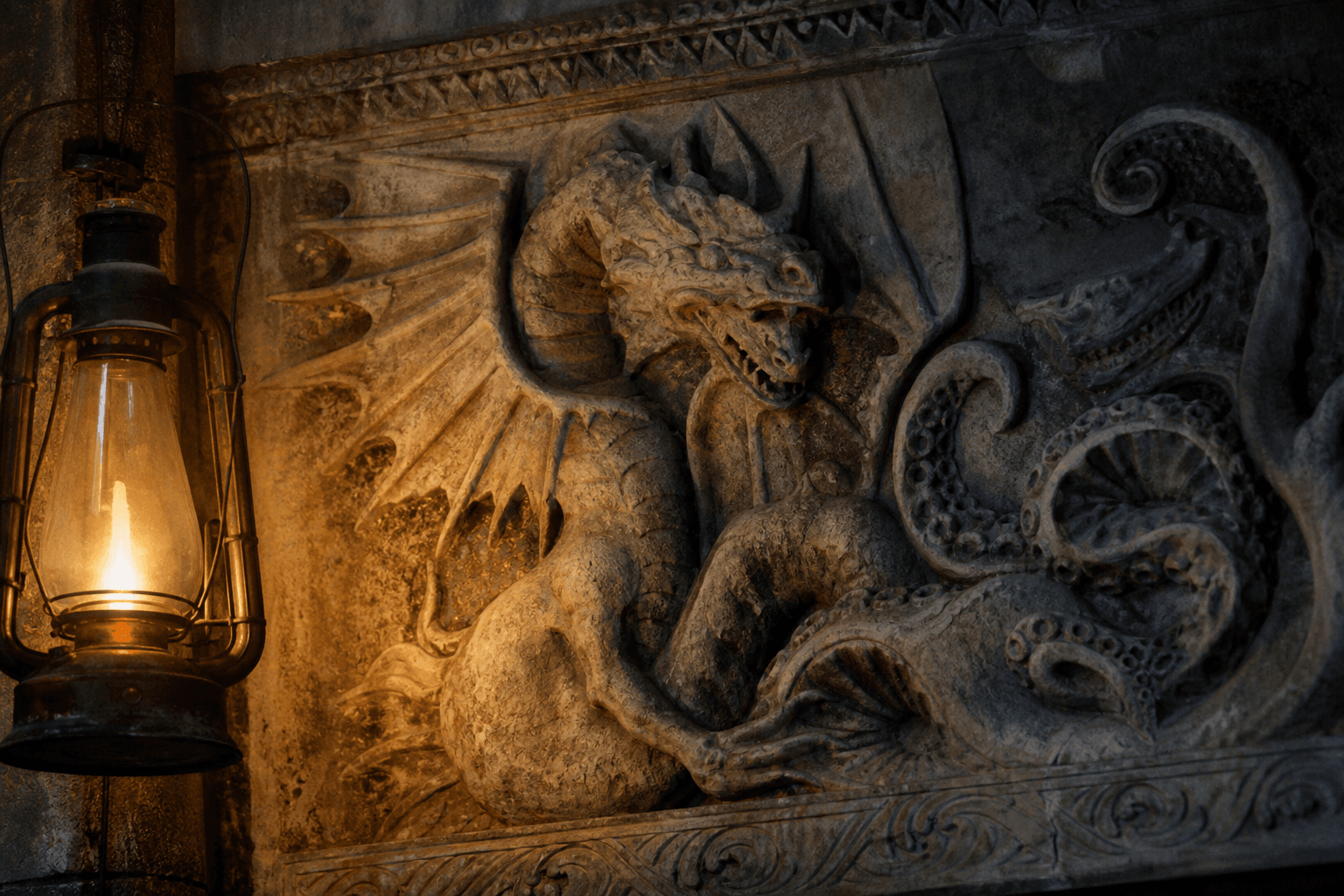
Evidence 01
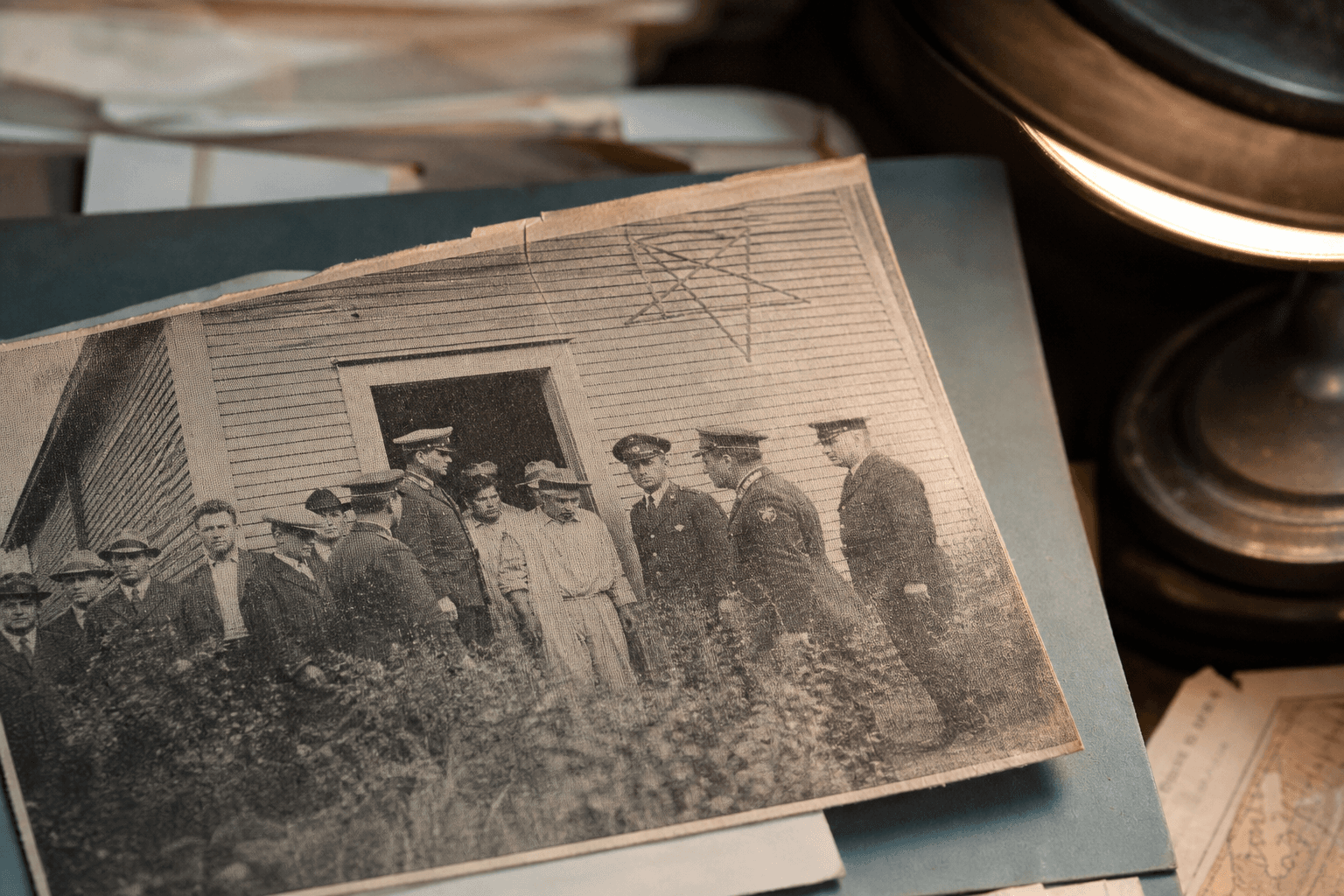
Evidence 02
Related dossiers
Adjacent files
MISK-LIB-1918-009
DOSSIERThe Beast in the Cave
Written 1905 · First pub. 1918
A lone wanderer meets something in the dark that may no longer be human.
Open the dossier →

MISK-LIB-1916-011
DOSSIERThe Alchemist
Written 1908 · First pub. 1916
Curse and hereditary doom in a castle: apprentice Gothic before the cosmos opened.
Open the dossier →
MISK-LIB-1922-012
DOSSIERThe Tomb
Written 1917 · First pub. 1922
An antiquarian trespasses upon a sealed family vault and hears the past calling.
Open the dossier →
MISK-LIB-1919-013
DOSSIERDagon
Written 1917 · First pub. 1919
After a Great War shipwreck, a morphine-haunted merchant glimpses Pacific blasphemy.
Open the dossier →