

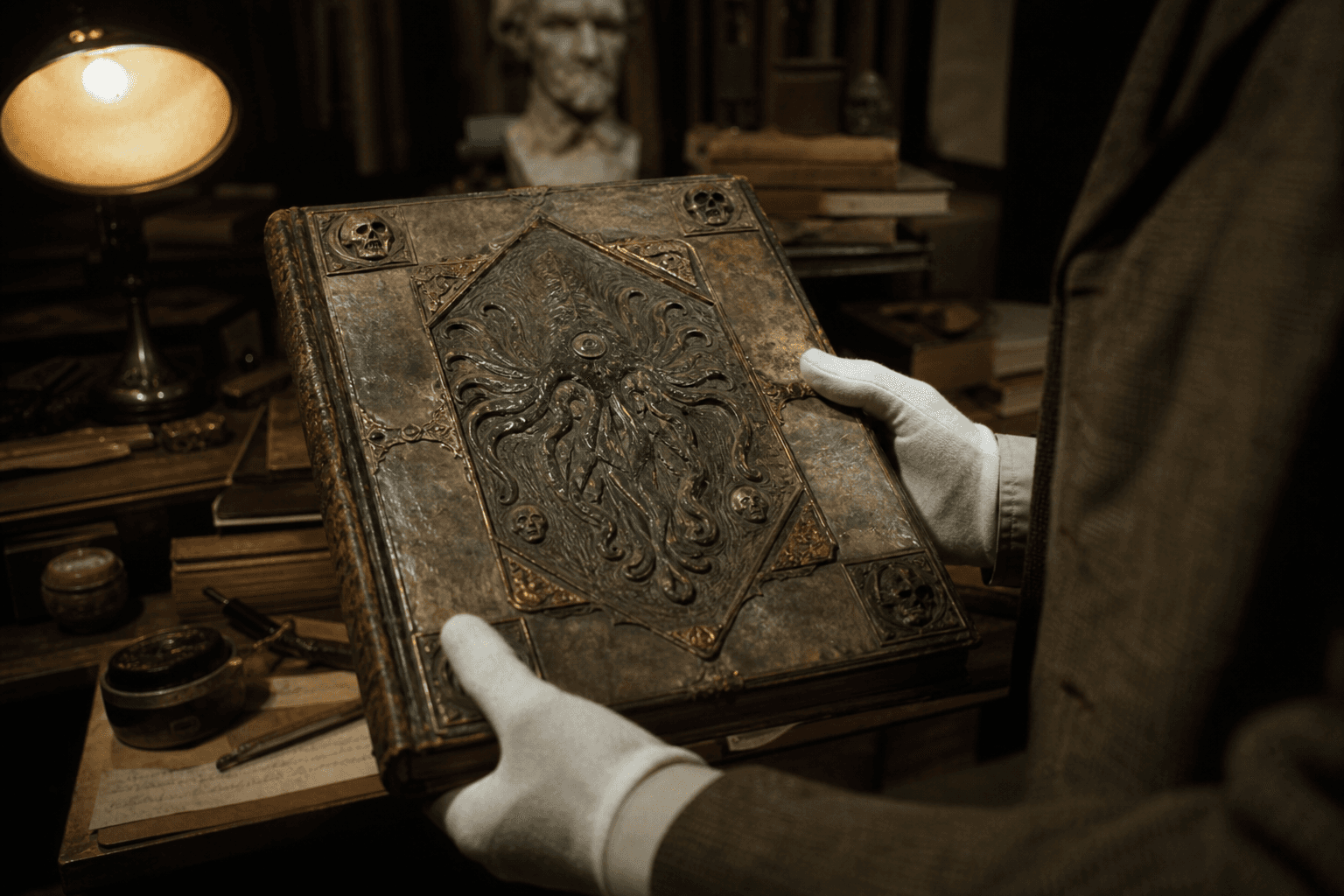
Book of Eibon
Hyperborean Grimoire of Zvilpogghua
A sorcerer's book from lost Hyperborea, preserved in worm-eaten Greek and Latin, that names the gods below the earth and teaches travel by dream and by terror.
Eibon was a great wizard in Hyperborea, and the Book of Eibon is his testament.
Latin recension preface, seized copy
Overview
The Book of Eibon is the testament of Hyperborea's greatest sorcerer, a grimoire composed when ice crowned the world and men still traded with gods who had not yet learned to be shy. It survives in Greek as Liber Ivonis, in Latin with worm-eaten margins, and in English only as quotations that make scholars pale because the quotes are always accurate. Eibon served Tsathoggua's spawn and documented Zvilpogghua with an engineer's precision and a poet's dread.
Where the Necronomicon is cosmic, the Book of Eibon is intimate: spells for survival in cold, formulae for seeing Kadath, warnings about the priests of the toad-god, and autobiographical passages in which Eibon admits he wrote to be remembered after Hyperborea fell, and was remembered by things he did not intend.
Description
Complete copies, if any exist, have not been admitted to Orne Library; fragments show chapter headings on summoning, on astral travel, on the sign of the serpent-and-sphere, and on the black stone that opens where the earth thins. Illustrations depict Hyperborean architecture, caverns beneath Mount Voormithadreth, and entities that are toads, bats, and sloth made one.
The Greek is archaic even for Greek; the Latin adds scholia by medieval copyists who misunderstood footnotes and invented worse rites. Reading produces cold without temperature change and a craving for caves. Continued reading produces the certainty that you have been to Hyperborea and will return.
Historical Record
Eibon fled the inquisition of the god Yhoundeh's priests and vanished into a stone vortex said to lead to Cykranosh, leaving his book to be copied by survivors who froze the knowledge into myth. The text crossed with the Necronomicon in medieval scriptoria; Dee's index mentions Ivonis alongside Azif. A 1926 seizure in Maine linked a fishing village disappearance to a Liber Ivonis page used as charm paper.
Miskatonic's fragments were donated under condition of anonymity by a collector who died in a cave he had never visited in the waking world. The donation letter quoted Eibon in the original Greek. The handwriting matched no living donor.
Archive Notes
Do not combine Eibon formulae with Necronomicon formulae in the same session; the 1929 overlap incident is not to be repeated. Personnel exhibiting preference for cold rooms and damp stone are to be rotated off fragment duty. If you dream of Hyperborea with perfect recall, report before attempting to verify in atlases. The Book of Eibon is a travel guide written by a man who never came back the same way.
Citation: Miskatonic Expedition Archive. Record TOM-003. Access subject to institutional review.
Related Records
Cross-References

TOM-001
fragmentaryNecronomicon
Al Azif, Book of Dead Names
The most infamous grimoire of the mythos, an Arabic manuscript of rituals, histories, and formulae that erode the sanity of readers and have never been wholly suppressed, only scattered.
TOM-002
fragmentaryPnakotic Manuscripts
Records of the Great Race
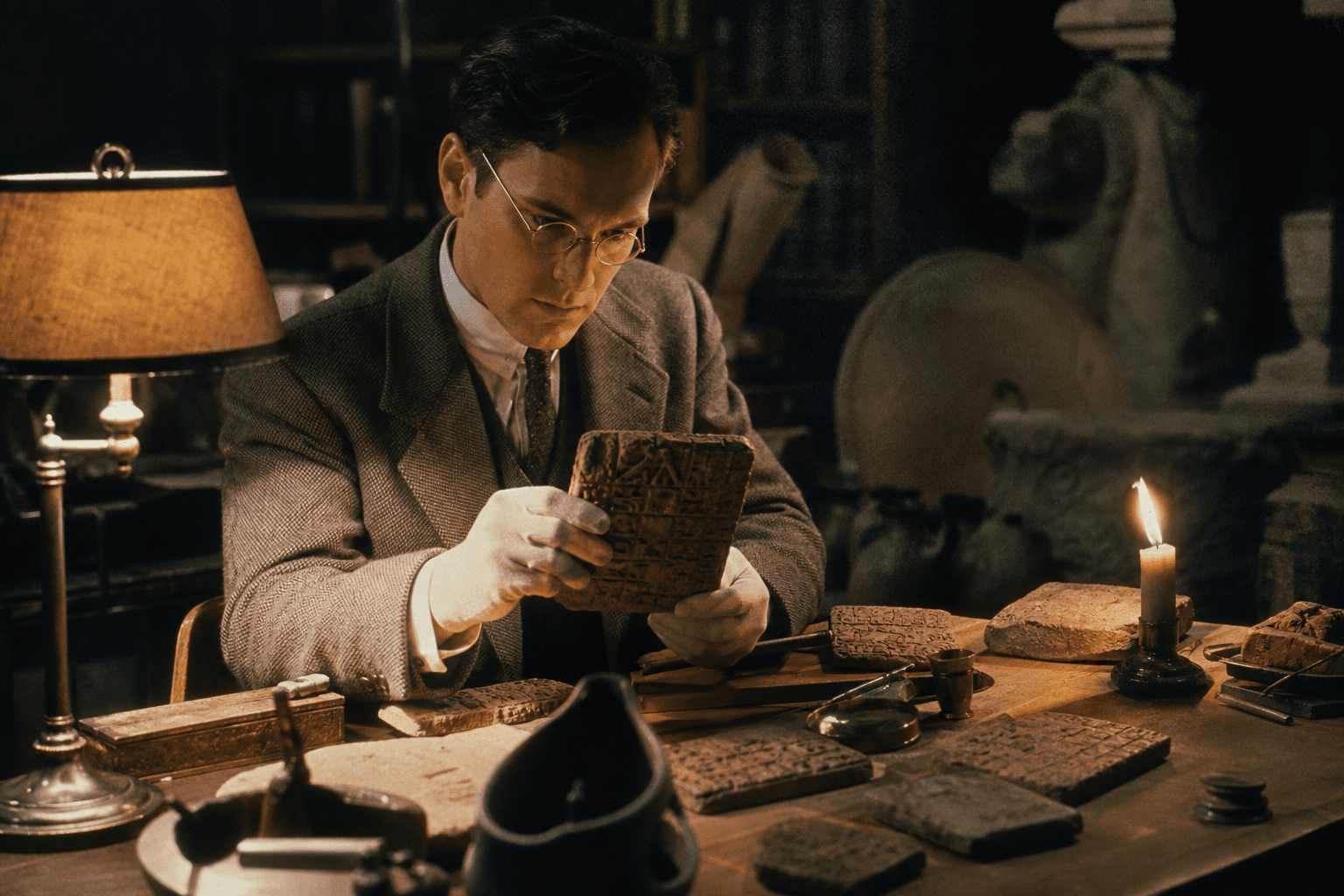
Pre-human tablets and scrolls transcribed from minds that wore metal bodies and saw epochs as notes in a ledger, the archive's surest proof that Earth's history is borrowed time.

LOC-006
mythicKadath
Unknown Kadath in the Cold Waste
A castle of onyx on unknown Kadath where the gods of earth dwell in splendour beyond mortal reach, and where no man may tread without the leave of the Other Gods.
LOC-007
activeThe Dreamlands
The Realm Behind Sleep
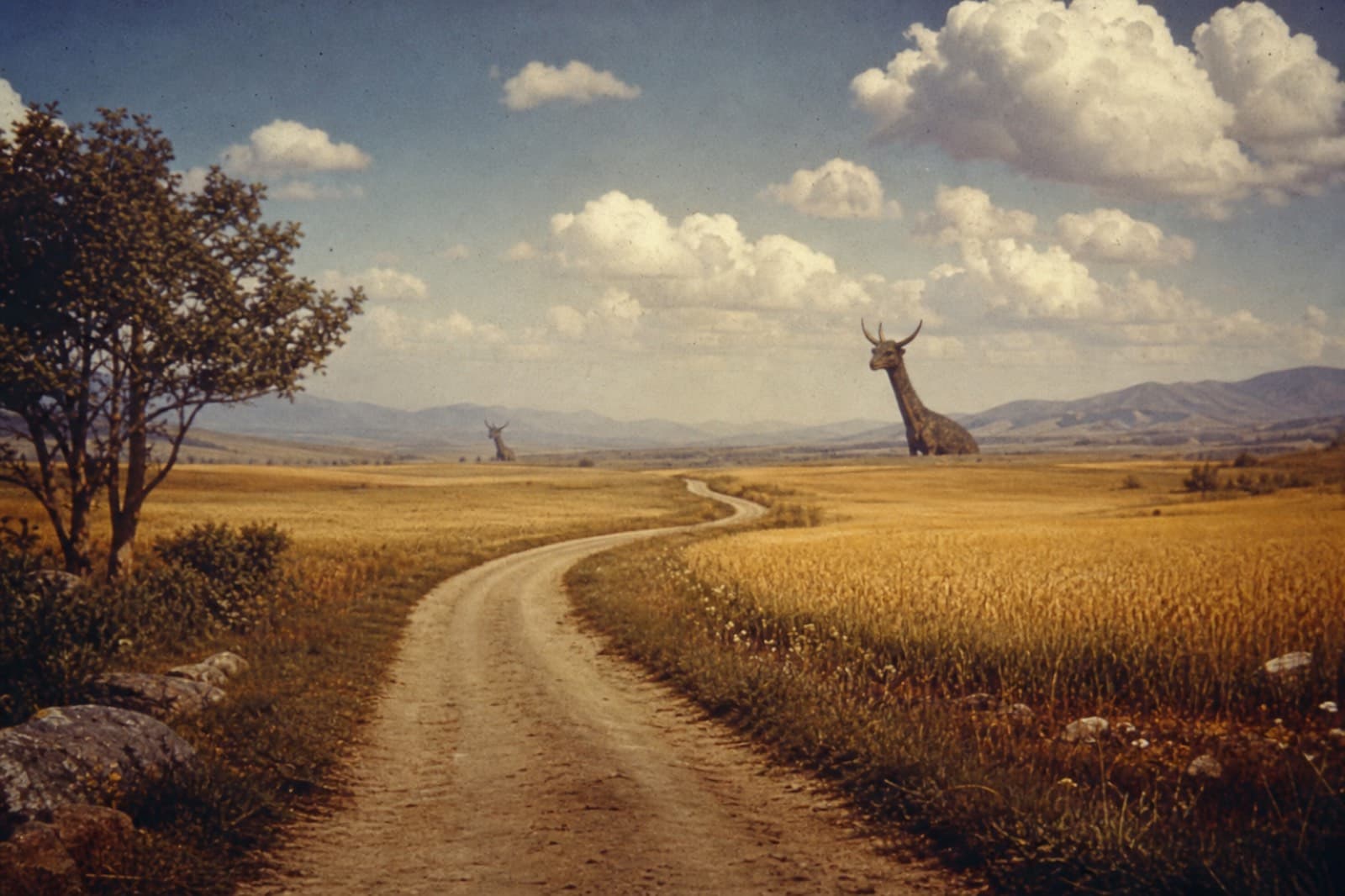
A coherent world accessible to sensitive dreamers, ruled by gods mild and terrible, bordered by the waking horror of reality, a place where the sunset city waits and the nightgaunts hunt the careless.