

Pnakotic Manuscripts
Records of the Great Race
Pre-human tablets and scrolls transcribed from minds that wore metal bodies and saw epochs as notes in a ledger, the archive's surest proof that Earth's history is borrowed time.
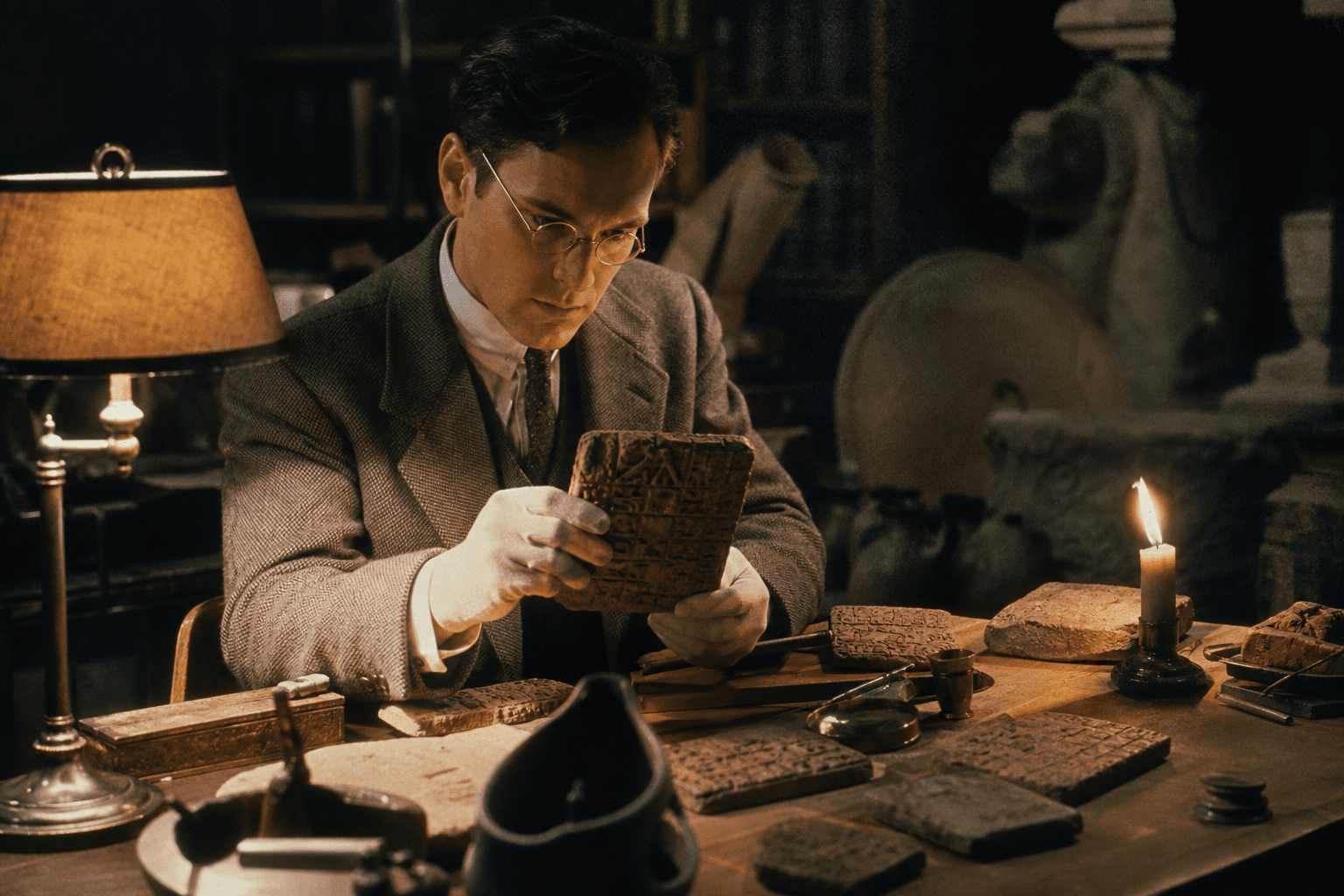
The Pnakotic Manuscripts are very old, and contain a history of the world before men.
Orne Library restricted catalogue note
Overview
The Pnakotic Manuscripts are not a single book but a corpus: stone tablets from Lomar, bark scrolls from Hyperborea, and later paper copies made by cults who understood that the Great Race of Yith recorded truth with a librarian's cruelty and no regard for whether primates could survive reading it. They describe Earth's ages as chapters, list wars between species that left no fossils humans are permitted to find, and name Kadath, Leng, and the Cold Waste with coordinates that shift between waking and dream.
The archive prizes the Manuscripts because they confirm what the Necronomicon implies in poetry: we are late arrivals in a house whose prior tenants left notes on the walls. The danger is identical to the comfort. Knowledge of deep time does not leave the mind unchanged.
Description
Surviving fragments mix pictographic narration with languages that predate Sanskrit and with phonetic keys to tongues the throat cannot pronounce without injury. Illustrations show cone-shaped beings projecting consciousness across eras, cities of onyx in wastes humans call myth, and star-charts marking Yuggoth before Lowell's plates proved the rim exists.
Reading produces chronological vertigo: the reader remembers events that did not happen in their lifetime and forgets appointments that did. Bound copies in the Orne stacks are interleaved with blank pages; personnel swear the blanks fill overnight with marginalia in hands not their own.
Historical Record
The Great Race occupied Earth millions of years before humanity, housed minds in durable bodies, and archived knowledge in subterranean libraries later called Pnakotis. When their civilization ended, fragments circulated through Lomar, through dream-pilgrims, and through Asian plateaus where traders from Leng sold rubies and copies without translation. Antarctic murals cited in Dyer's suppressed report synchronize with Pnakotic timelines within disturbing margins.
Miskatonic holds seventeen authenticated fragments; Harvard denies three it nevertheless insures. Theft attempts correlate with Vermont radio anomalies and with sleep researchers who resign after citing 'personal reasons' that sound like Lomar place-names mispronounced.
Archive Notes
Reading sessions limited to sixty minutes with a partner who has not read the same fragment. Do not attempt chronological cross-index with the Necronomicon without senior clearance; contradictions have induced stroke-like symptoms. If marginalia appears in your handwriting while you sleep, surrender your keys and submit to Protocol Theta. The Manuscripts are not history about the past. They are history about tenancy.
Citation: Miskatonic Expedition Archive. Record TOM-002. Access subject to institutional review.
Related Records
Cross-References
LOC-012
activePlateau of Leng
The Cold Waste Beyond Dream
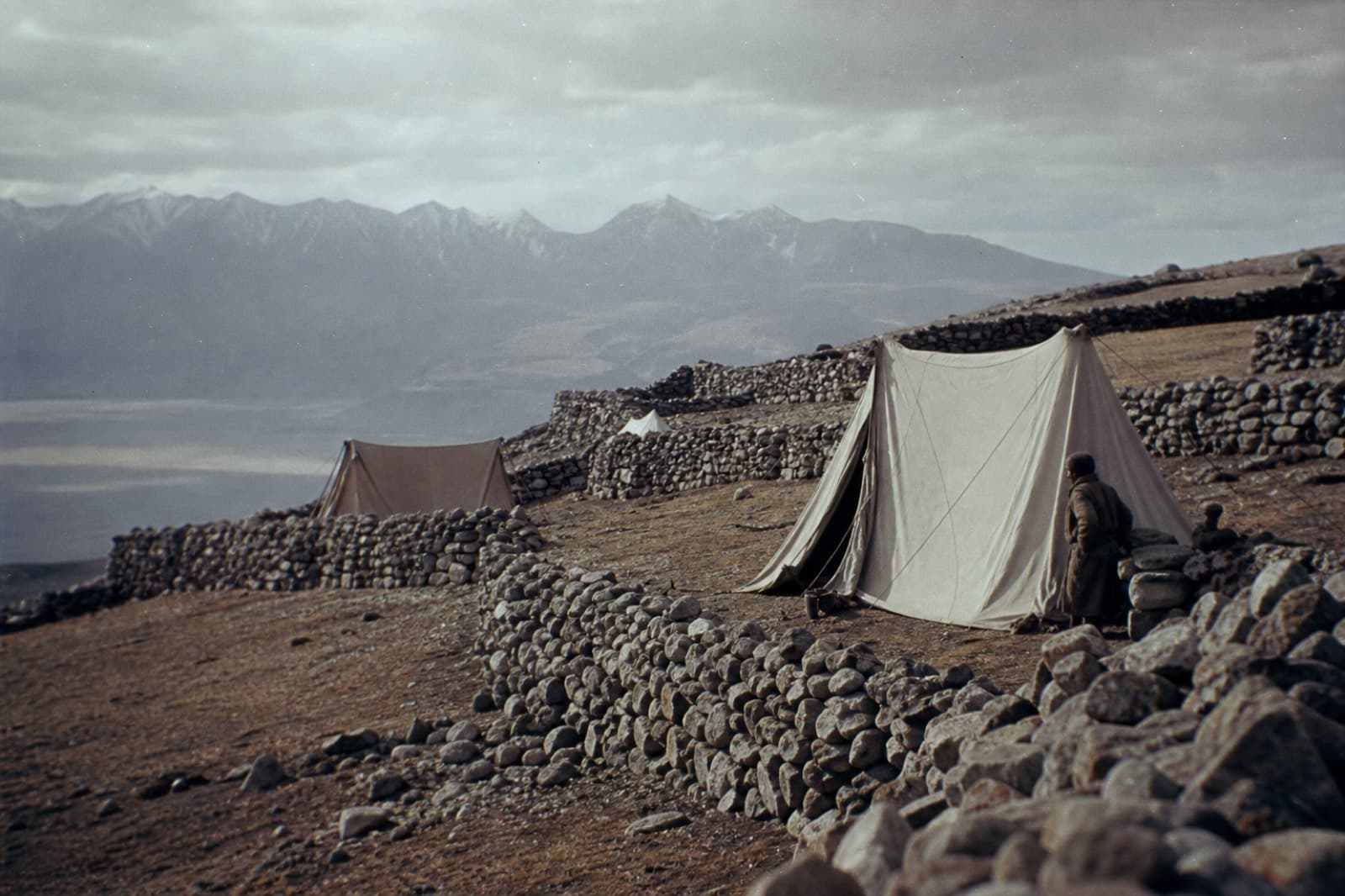
A high plateau of violet stone and bitter wind, shared by the waking desert and the Dreamlands alike, where horned traders deal in things that predate humanity and the monastery hides what the stars taught.
LOC-006
mythicKadath
Unknown Kadath in the Cold Waste
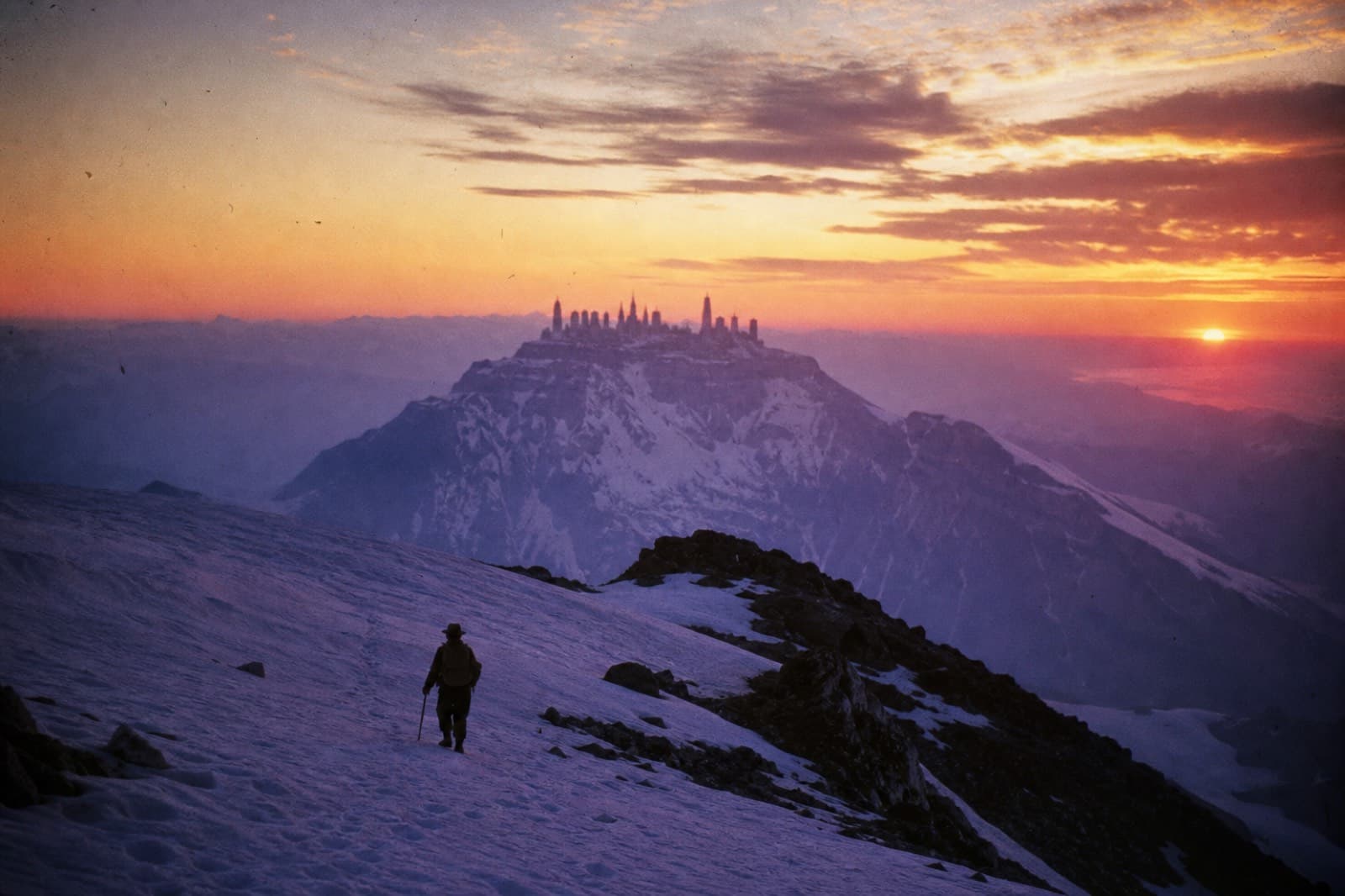
A castle of onyx on unknown Kadath where the gods of earth dwell in splendour beyond mortal reach, and where no man may tread without the leave of the Other Gods.
LOC-005
fragmentaryAntarctica
The Mountains of Madness
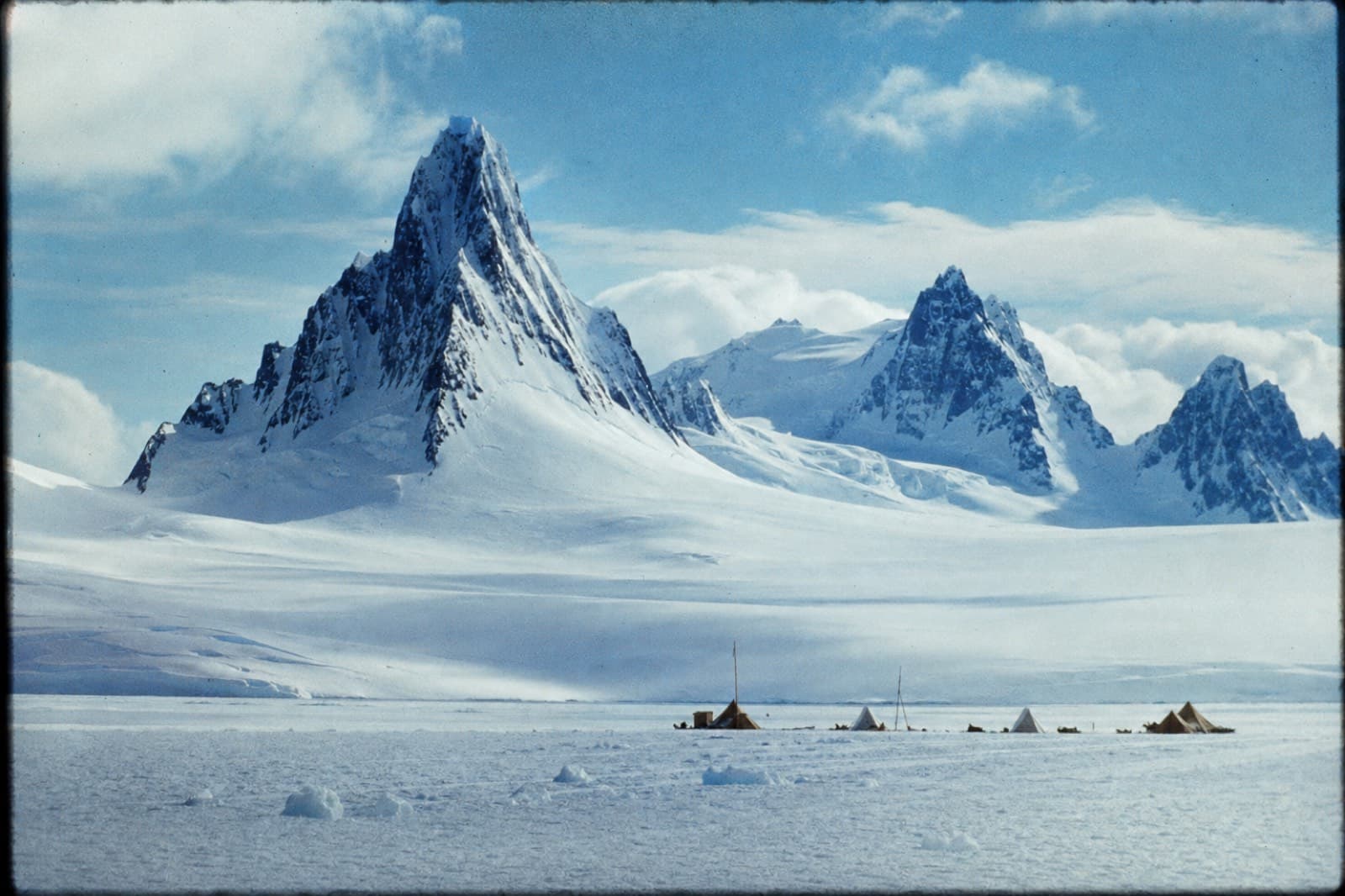
The southern ice preserves cities older than mankind, fossils of star-born colonists, and shapes best left buried, where the Miskatonic Expedition learned that Earth's history is not our own.

TOM-001
fragmentaryNecronomicon
Al Azif, Book of Dead Names
The most infamous grimoire of the mythos, an Arabic manuscript of rituals, histories, and formulae that erode the sanity of readers and have never been wholly suppressed, only scattered.