

Carcosa
The Lake and the Black Stars
A lost city beside a lake beneath black stars and a twin sun — born in Chambers's yellow myth, borrowed by later hands, and still capable of unhinging those who merely read its name aloud.
Along the shore the cloud waves break, the twin suns sink beneath the lake, and strange is the night in lost Carcosa.
Cassilda's song, transcribed in suppressed anthologies
Overview
Carcosa is not an Arkham county town; it is a wound in the imagination that certain authors opened and others widened. Robert W. Chambers placed it beside a lake, under stars that do not match our sky, with towers that lean as if listening. Lovecraft's circle later whispered the name beside Hastur and the Yellow Sign, until modern games and television welded Chambers's decadence to Pacific cults and Antarctic stone.
The Expedition treats Carcosa as literary geography with real psychological effects: readers who fixate on the King in Yellow play report insomnia, shared dreams of masks, and the conviction that a play exists which must not be staged. Whether Carcosa is a place, a metaphor for art that kills, or a future ruin of Earth remains deliberately unsettled.
Description
Witnesses who claim to have 'been' to Carcosa — in sleep, in vision, after reading forbidden pages — agree on a few constants: water that is also sky, light that casts no comfort, and architecture that seems older than humanity yet freshly ruined. The Hyades and Aldebaran appear in verse; the Pallid Mask walks among towers; the King in tatters is heard but not consistently seen.
Maps do not agree. Some place Carcosa near Lake of Hali; others insist it is reachable only when the mind abandons the body. The archive stores twelve incompatible sketches, all drawn by sober men the morning after the same dream.
Historical Record
Chambers's stories link Carcosa to a cursed play and to political unease in a fin-de-siècle America that never quite names itself. Later mythos writers imported the city into tables of gods and elemental oppositions Lovecraft never drew. The result is wiki noise: Carcosa as capital of Hastur's empire, Carcosa as future Earth, Carcosa as synonym for Leng — each useful for fiction, each hazardous for scholarship.
Field teams should cite edition and author when quoting Cassilda's song. Do not treat a 2014 RPG supplement as archaeological proof.
Archive Notes
Route Chambers-first readers to /journal/king-in-yellow-and-hastur-cycle. Do not stage the play on university grounds. If a colleague traces the Yellow Sign on office walls, invoke psychiatric protocol before mythos protocol.
Citation: Miskatonic Expedition Archive. Record LOC-201. Access subject to institutional review.
Related Records
Cross-References
GOO-003
disputedHastur
He Who Is Not to Be Named
A being linked to the cursed play and the Yellow Sign, whose name itself may invite catastrophe, companion to the King in Yellow, dweller by the Lake of Hali.
CPT-201
activeThe King in Yellow
The Pallid Mask and the Tattered Robes
A theatrical and literary horror — a play, a king, and a colour that enters the mind through art — originating with Chambers and later glued to Hastur and the wider mythos.
ART-201
activeThe Yellow Sign
Glyph of the King
A sigil whose form is disputed — traced on walls, worn as a pin, dreamed on palms — and whose appearance precedes madness in Chambersian and later mythos accounts.
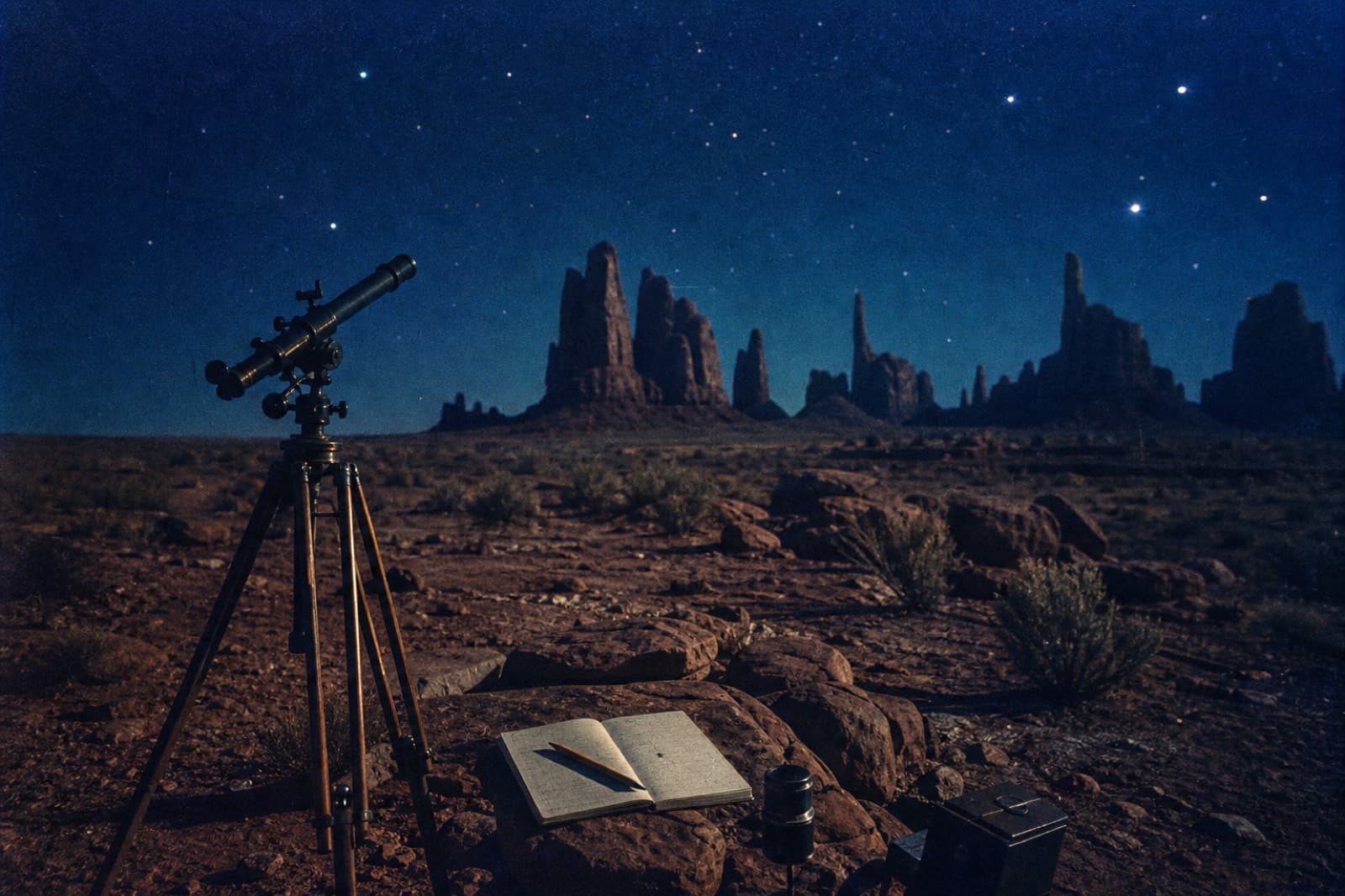
CON-001
activeCosmic Horror
Philosophical Classification
Horror arising not from personal evil but from the insignificance of humanity before an indifferent, incomprehensible cosmos - the aesthetic that governs every file in this archive.
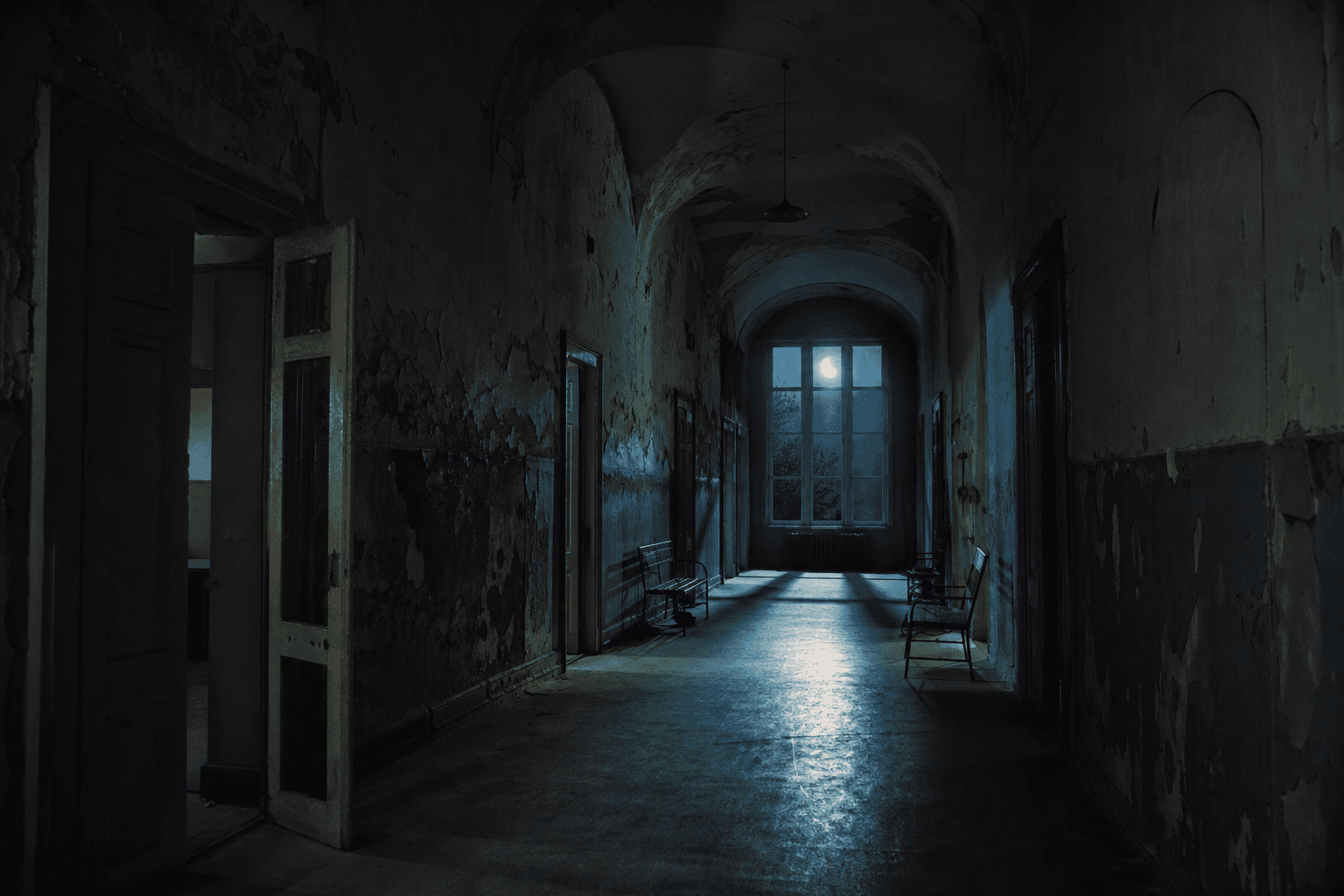
CON-003
activeMadness
Cognitive Collapse
The frequent terminus of contact with the mythos - not always dysfunction, but sometimes expanded perception mortals cannot sustain, and sometimes the only sane response to an insane cosmos.