

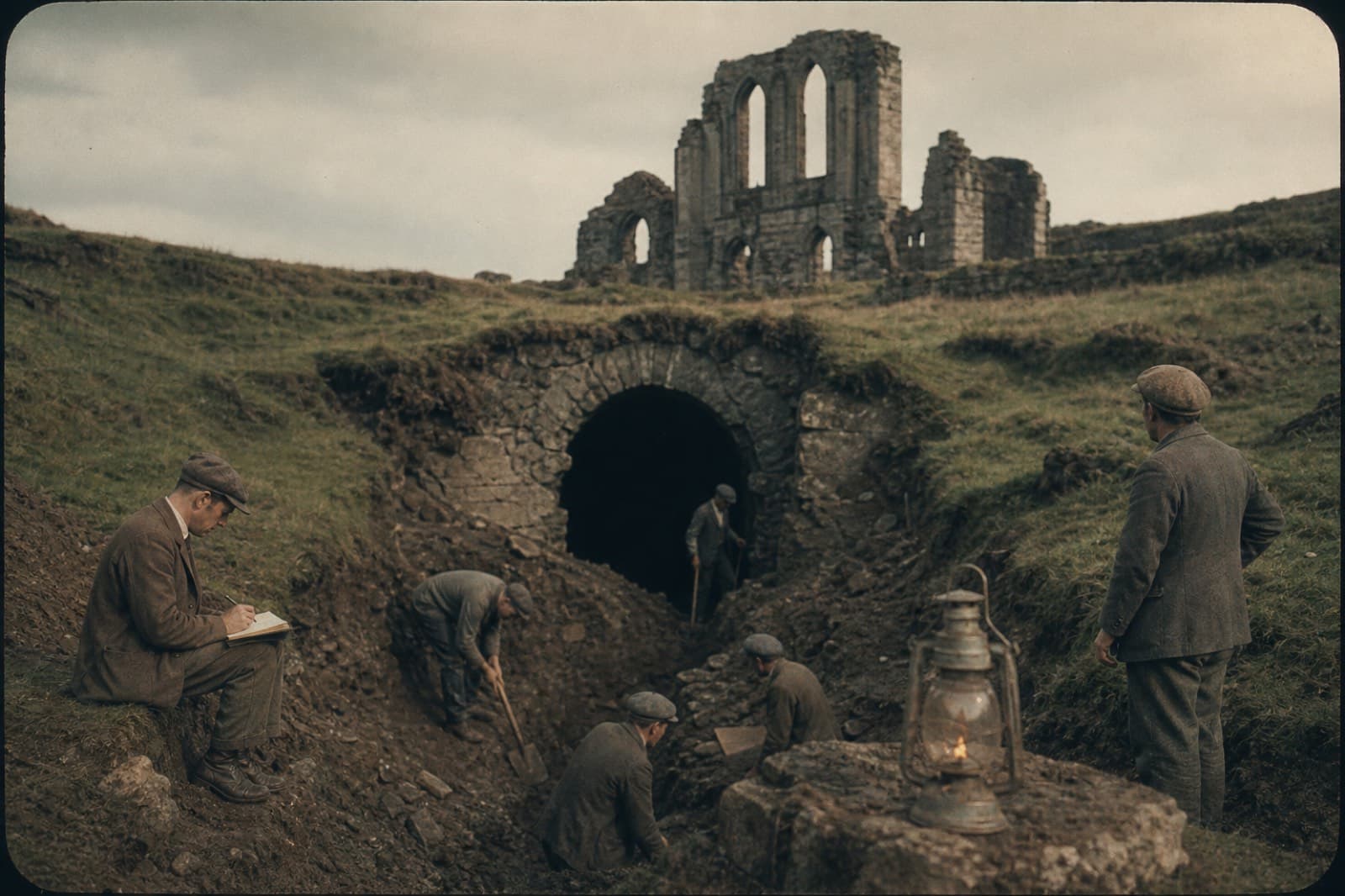
Exham Priory
Devonshire, England
A Norman priory on Devon moorland whose foundations descend to caverns where five centuries of ancestral hunger left bones that were neither rat nor man, and where the scurry in the walls was never mice.
Ultimately I realized that the place was not haunted, but that it was I who was haunted.
E. Delapore, private letter, 1923
Overview
Exham Priory crowned a Devonshire hill like a fist of grey stone, a Norman ruin rebuilt into an ancestral seat by the de la Poer family, whose Anglo-Norman pride could not conceal what the cellars had fed on since the Crusades. American heir Edward Delapore restored it in 1923 seeking roots. He found them in the bones beneath the altar, in the scurry behind the wainscoting, and in a past that called him cousin in a voice that was not speech but appetite.
The priory is rubble now, dynamited after an expedition into caverns that connected to older Roman works and older still to grottoes where something bred in the dark. The destruction did not erase the bloodline. It only buried the noise.
Description
The structure combined ecclesiastical bones with manor-house comfort: chapel, great hall, library, and below them a labyrinth restored by generations who needed privacy. The walls sweated in summer. Rats were never seen, only heard, a patter too heavy, too deliberate, pausing when listeners held breath.
The chapel altar concealed a stair. The stair opened on a Roman camp, then on natural caverns enlarged by hands that were not Roman, then on pens and pits where bones lay sorted by age and species with a curator's madness. Inscriptions mixed Latin with syllables that hurt the tongue. A pool at the deepest level reflected stars that were not overhead.
Historical Record
The de la Poer massacre of 1670 exterminated the family above ground; what continued below is recorded only in parish whispers until Delapore's restoration. His cat attacked the walls. His dreams named him by ancestral titles. The final night brought an expedition of scholars and soldiers who fled upward leaving one man below, and brought dynamite charges that collapsed the priory into its own wound.
Arkham's connection is explicit: Delapore had lived near the Miskatonic, had heard names that prepared him to recognize the cult of Cthulhu in the deepest grotto. The Necronomicon's formulae appeared on stones the Romans had not carved. The archive holds rubbings. Personnel assigned to read them rotate monthly.
Archive Notes
Site visits are prohibited; the rubble still shifts after rain. De la Poer descendants are to be flagged in genealogical cross-checks. Do not keep cats in ancestral properties without vetting foundations. If walls scurry without vermin, evacuate before the altar is opened. The priory was not haunted. It was hungry.
Citation: Miskatonic Expedition Archive. Record LOC-015. Access subject to institutional review.
Related Records
Cross-References
LOC-002
activeArkham
City on the Miskatonic
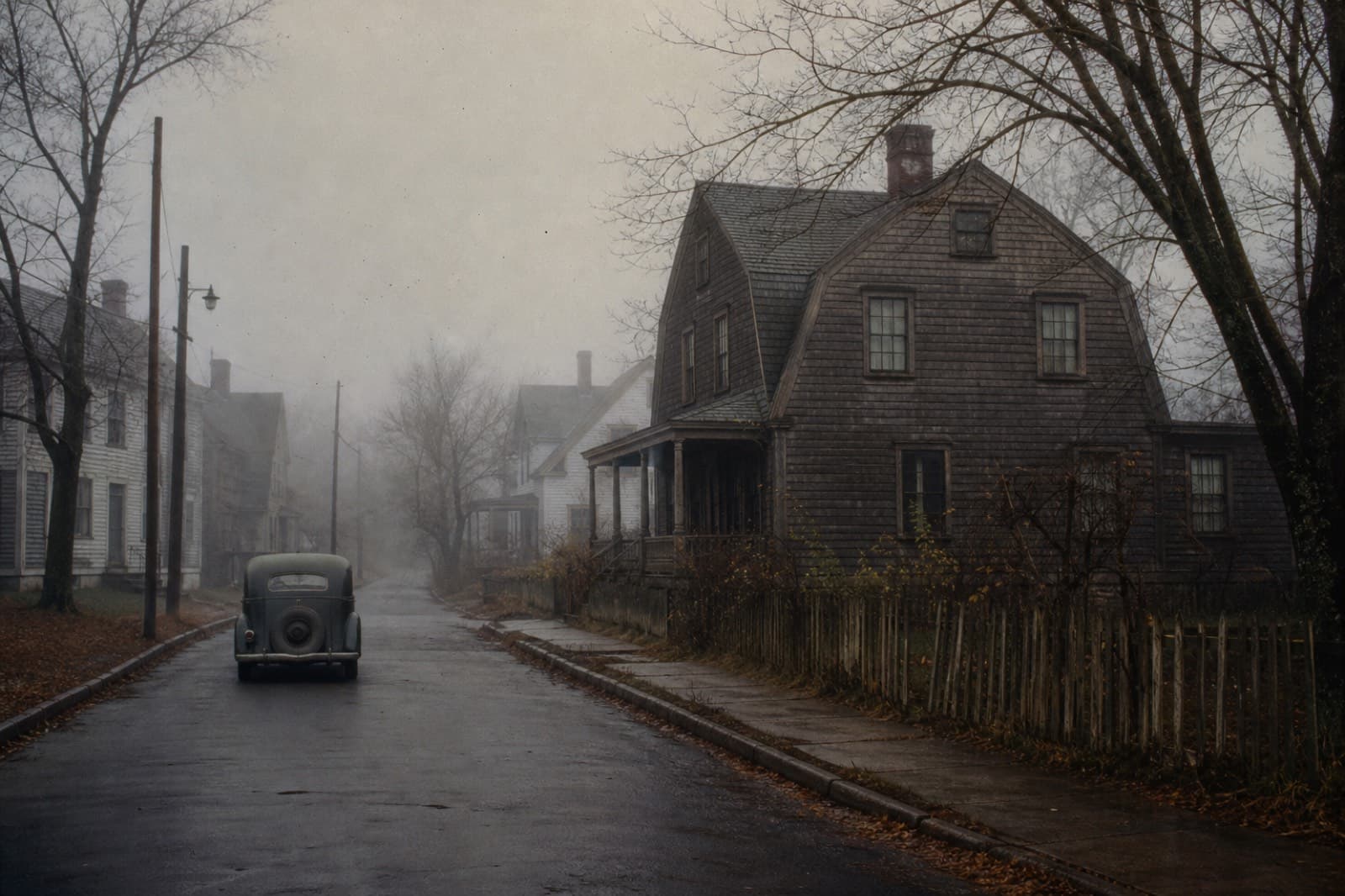
An aging Massachusetts town of gambrel roofs and winding streets, home to the university and countless quiet horrors, the kind that do not shriek in the night but wait in attics for generations to pass.
GOO-001
dormantCthulhu
High Priest of the Great Old Ones
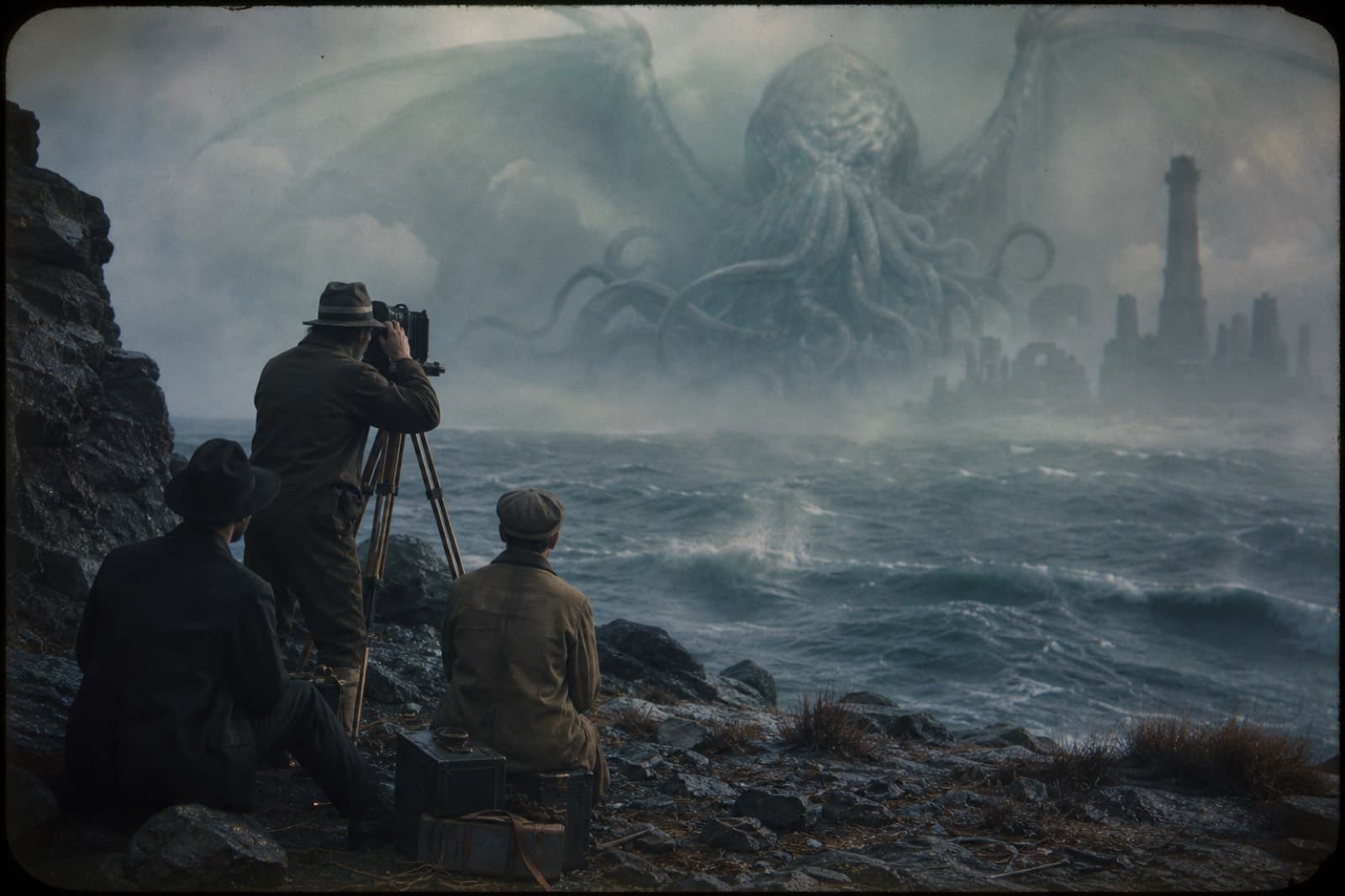
A colossal entity of draconic and cephalopodic aspect, dreaming in death-like slumber beneath the Pacific until the stars align, and when they do, the world will know madness again.

TOM-001
fragmentaryNecronomicon
Al Azif, Book of Dead Names
The most infamous grimoire of the mythos, an Arabic manuscript of rituals, histories, and formulae that erode the sanity of readers and have never been wholly suppressed, only scattered.