


Joseph Curwen
Necromancer of Providence
An eighteenth-century shipping magnate and necromancer who discovered the secret of vital saltes, survived his own apparent death, and was destroyed only when the men of Providence learned what lay beneath his farm on the Pawtuxet.
Overview
Joseph Curwen is the archive's definitive proof that the past is not dead, that it is not even past, and that some men purchase centuries of life with crimes that stain the ground for generations. A shipping merchant of Providence in the eighteenth century, he trafficked in more than rum and slaves: he trafficked in ashes, in voices without bodies, and in the formulae of those who had spoken with Yog-Sothoth before the colonies had a name.
He was destroyed in 1771 - or so the town believed. His influence persisted in blood, in architecture, and in the obsession of a descendant who bore his face and his purpose.
Biography
Curwen emigrated from Salem with secrets acquired from the Arkham witches and from voyages to Egypt, the Indies, and ports that do not appear on honest charts. On the Pawtuxet he built a farmhouse with inner walls thick enough to muffle screams and a vault beneath the stone wherein he conducted experiments the Necronomicon describes only in guarded Greek.
He could reduce a body to essential salts and, with knowledge of the period of death and certain utterances, restore a semblance of life sufficient for interrogation. He corresponded with accomplices across the world - Orne, Hutchinson, and the Comte de St. Germain among the names in confiscated cipher - and he sought one answer above all: where the great ones had walked on Earth, and how they might walk again.
Historical Record
Providence citizens, led by Capt. Ezra Weeden and Dr. Benjamin West, raided Curwen's property in 1771 after decades of disappearances, infant cries, and lights in the windows. What they found in the vault - preserved heads that spoke, creatures in the pits, the jar labeled 'J.C.' - persuaded them to blast the farmhouse and salt the earth.
Curwen's ashes were scattered, his portrait burned, his name struck from polite society. The archive holds that scattering was necessary but incomplete: vital saltes do not respect demolition, and blood remembers.
Archive Notes
Cross-reference with Charles Dexter Ward and gate-stone files. No excavation is authorized at the Pawtuxet site. Personnel researching vital saltes must work in pairs; the 1931 duplicate incident in the medical school is classified but not forgotten. Curwen is dead. Curwen's methods are not.
Citation: Miskatonic Expedition Archive. Record CHR-003. Access subject to institutional review.
Related Records
Cross-References

TOM-001
fragmentaryNecronomicon
Al Azif, Book of Dead Names
The most infamous grimoire of the mythos, an Arabic manuscript of rituals, histories, and formulae that erode the sanity of readers and have never been wholly suppressed, only scattered.

OG-002
activeYog-Sothoth
The Key and the Gate
A congeries of iridescent spheres existing coterminously with all space and time, the threshold through which other powers enter, and the knower of all that was and is and shall be.
CON-005
activeEldritch Rituals
Ceremonial Practice
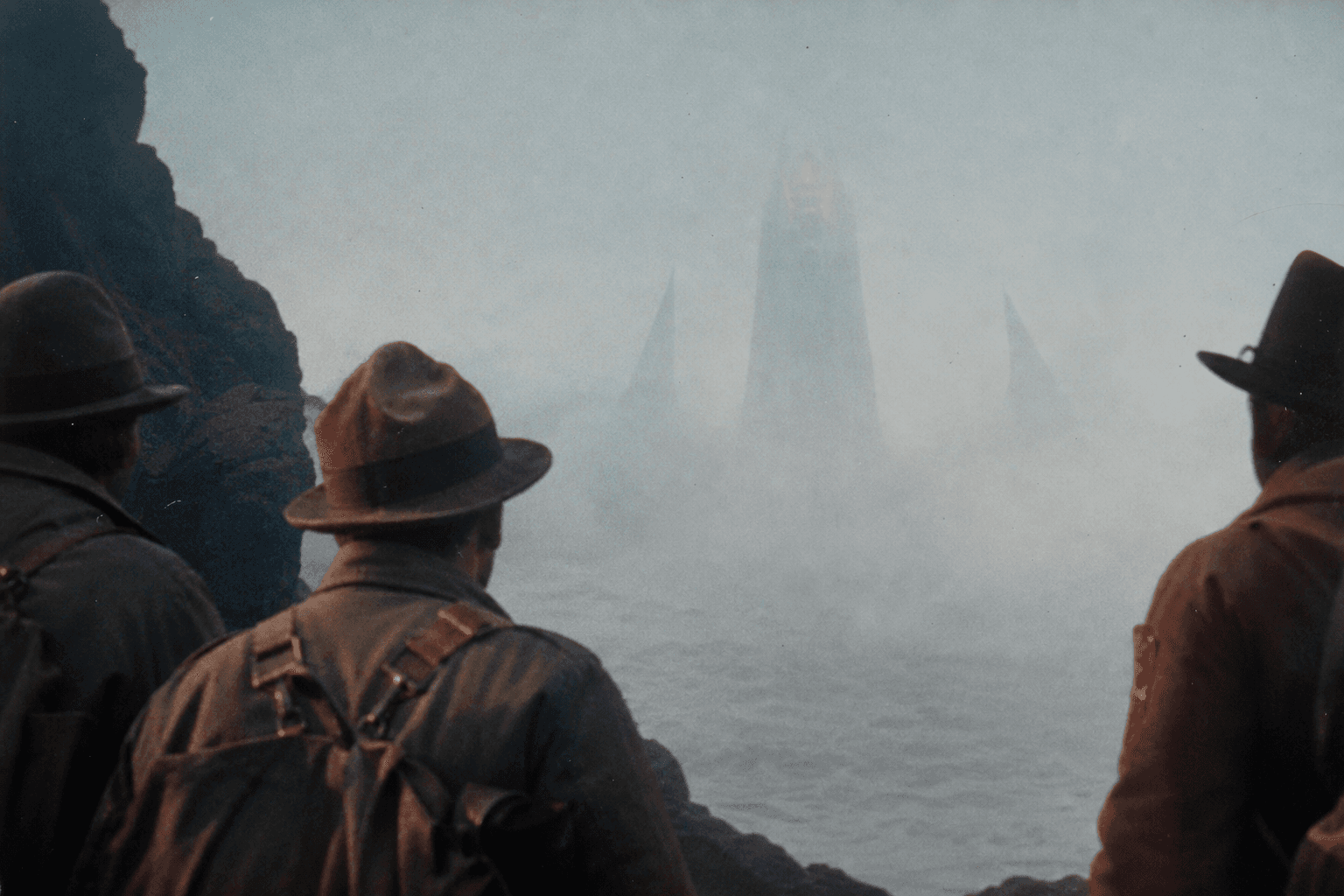
Rites recorded in forbidden texts - chants, sacrifices, and alignments that invite attention from entities best left dreaming, catalogued for recognition and interruption, never replication.
LOC-002
activeArkham
City on the Miskatonic
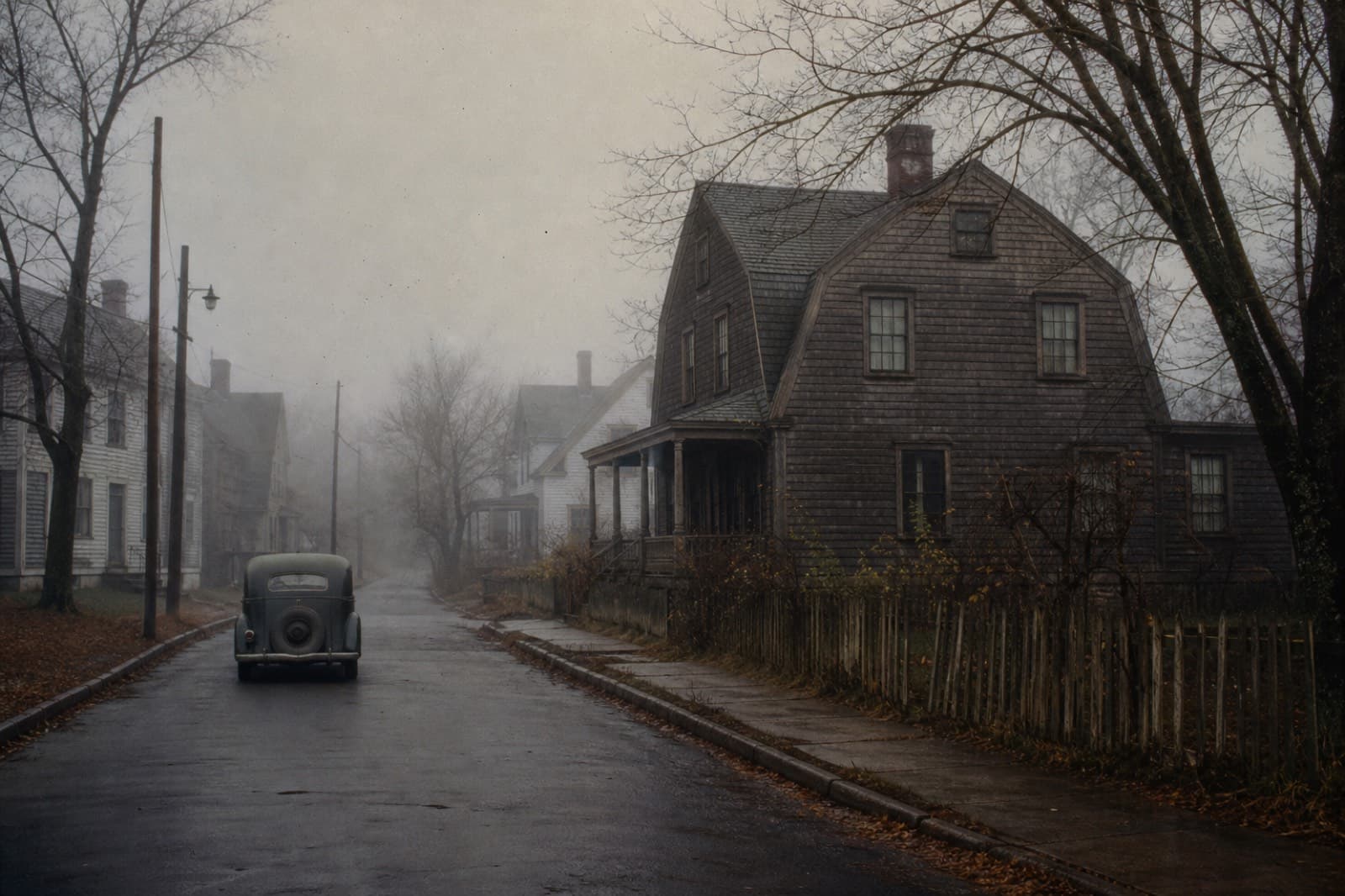
An aging Massachusetts town of gambrel roofs and winding streets, home to the university and countless quiet horrors, the kind that do not shriek in the night but wait in attics for generations to pass.