

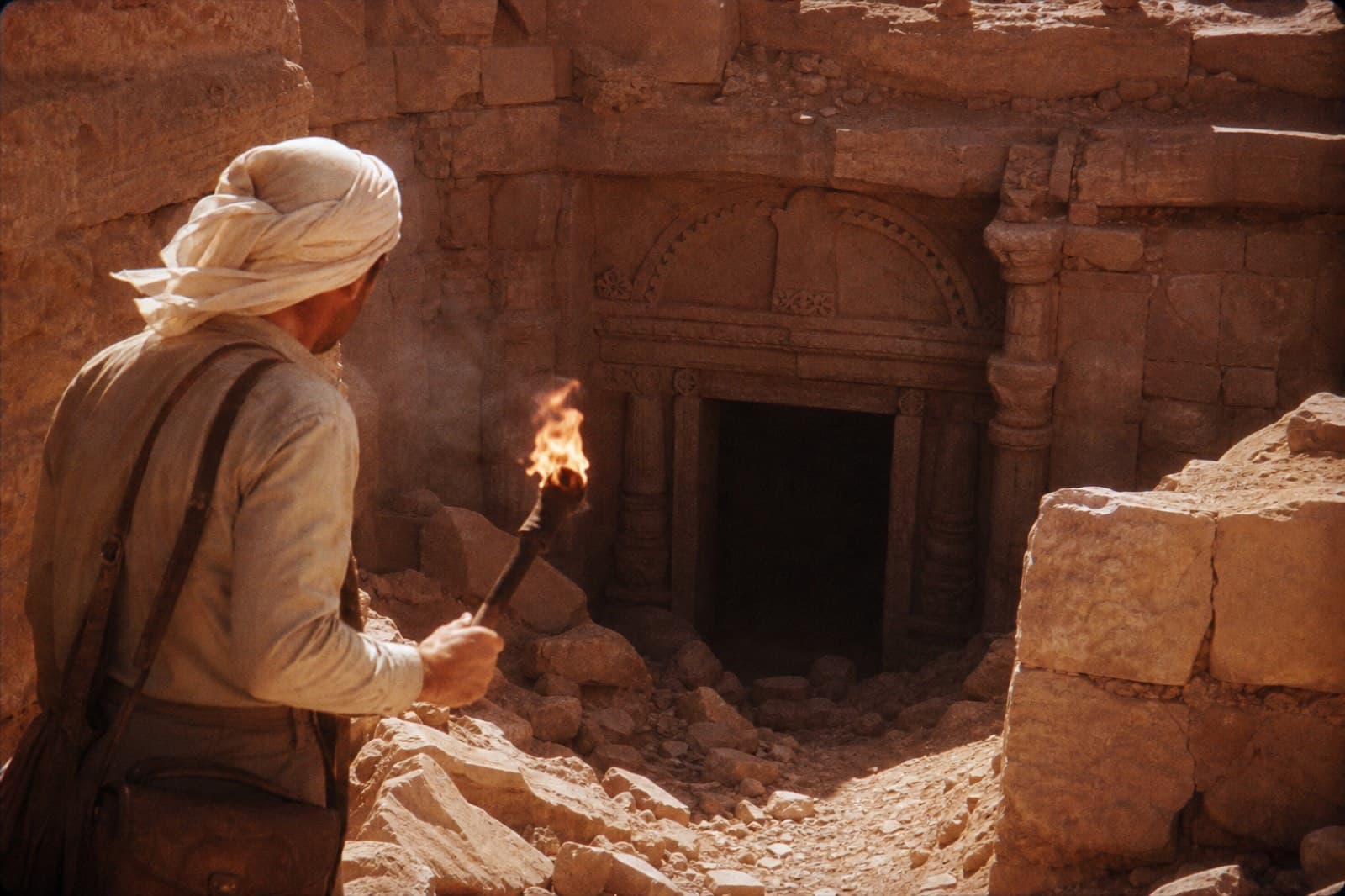
The Nameless City
Arabian Waste, Below the Sands
A cyclopean necropolis in the deep desert where reptile kings carved history into basalt and something still walks the tunnels when the moon is thin.
That is not dead which can eternal lie, and with strange aeons even death may die.
Inscription, Nameless City crypt; later Necronomicon couplet
Overview
The Nameless City lies in a waste of sand and poisoned springs where no Bedouin camp willingly, a depression in the earth that is not natural, sheltering walls and pillars of basalt carved before Egypt dreamed of pyramids. Abdul Alhazred saw it and lived long enough to write, which is more than most achieve. The city is nameless because to name it is to invite return.
It was built by beings who were not men but who worshipped patterns that resemble Cthulhu's cult symbols, who left their dead in niches and their history on sloping tablets, and who did not wholly die when their civilization ended. Something walks below when the wind stops. The footsteps are not human.
Description
The surface ruins are a rim around a shaft: broken colonnades, a altar whose stains are organic, sand filling courts where lizards sun themselves with too much intelligence. The descent is narrow, then broadens into corridors whose ceilings are low for men and comfortable for something else. Air moves without source. Light comes from phosphorescence that brightens when not watched.
Bas-reliefs narrate a history of subterranean life, wars with Irem, and a gradual decline into the tunnels where the last kings retreated. The final panels show figures that are mummy-like but move, eyes open, claws extended. The explorer who reaches the bottom chamber finds them art. Then finds them otherwise.
Historical Record
Alhazred's visit circa 730 AD supplied the Necronomicon's most quoted couplet, copied from a tomb inscription. Later Arab geographers mark the region as accursed and omit it from trade maps. In 1921 a Western archaeologist replicated the descent and escaped with his sanity frayed and a rubbing that the archive keeps in lead-lined storage.
Connections to Irem of the Pillars are disputed but persistent: both speak of pre-Islamic majesty and both end in silence beneath sand. The reptile motif appears again in Innsmouth genetics and Elder Thing frescoes, suggesting one story told in dialects the human throat cannot pronounce.
Archive Notes
Desert expeditions require local guides who have not taken Mi-go money. Do not descend alone. Do not close your eyes in the bottom chamber. If you hear footsteps rising to meet you, climb faster than hope allows and seal the shaft behind you if you can do so without trapping a colleague. The city is not empty. It is patient.
Citation: Miskatonic Expedition Archive. Record LOC-014. Access subject to institutional review.
Related Records
Cross-References
SCH-001
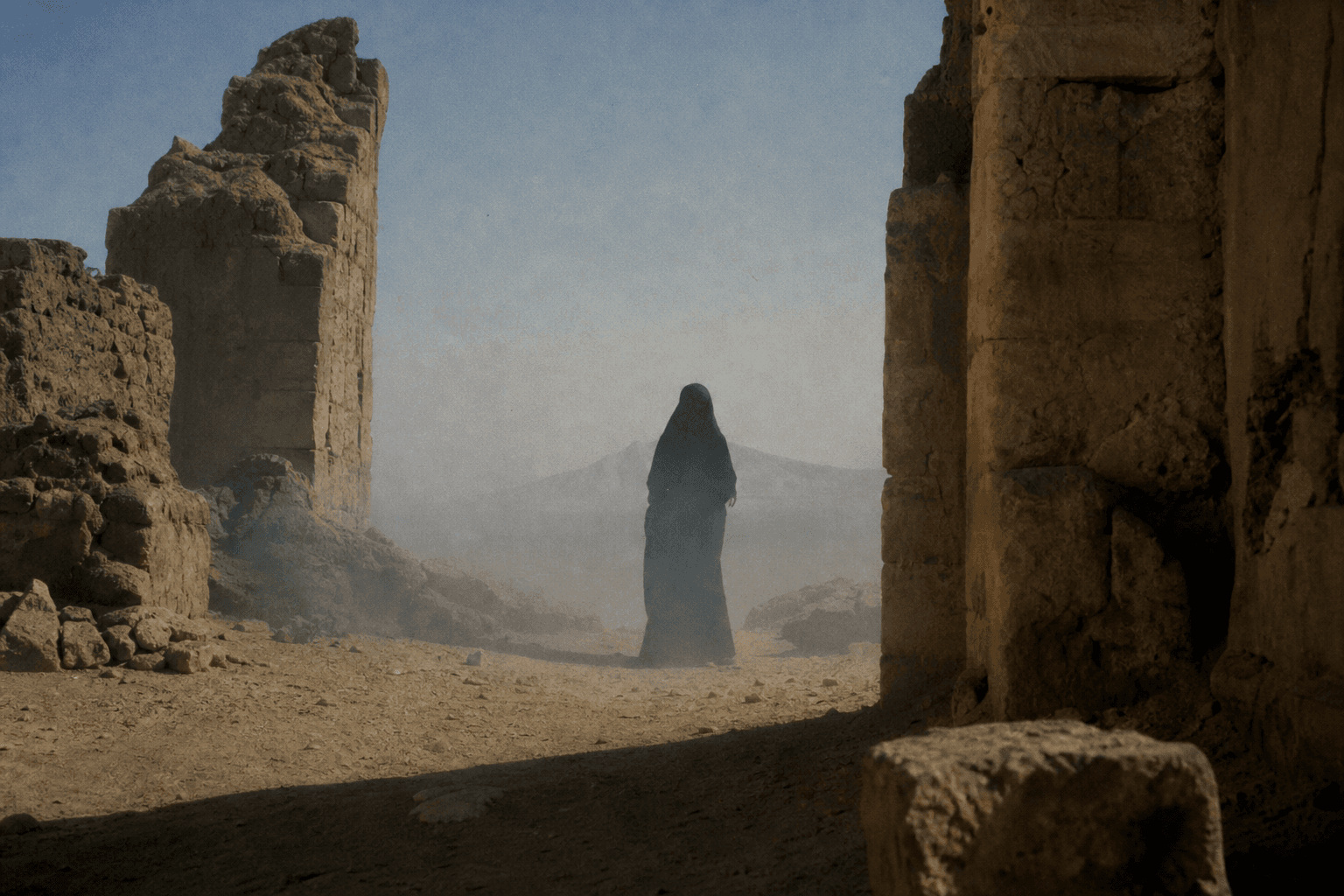
unknownAbdul Alhazred
The Mad Arab
A poet and scholar of Sanaá who wandered ruined cities and compiled the Al Azif before vanishing in broad daylight, devoured, witnesses said, by something the eye could not see.

TOM-001
fragmentaryNecronomicon
Al Azif, Book of Dead Names
The most infamous grimoire of the mythos, an Arabic manuscript of rituals, histories, and formulae that erode the sanity of readers and have never been wholly suppressed, only scattered.
CIV-001
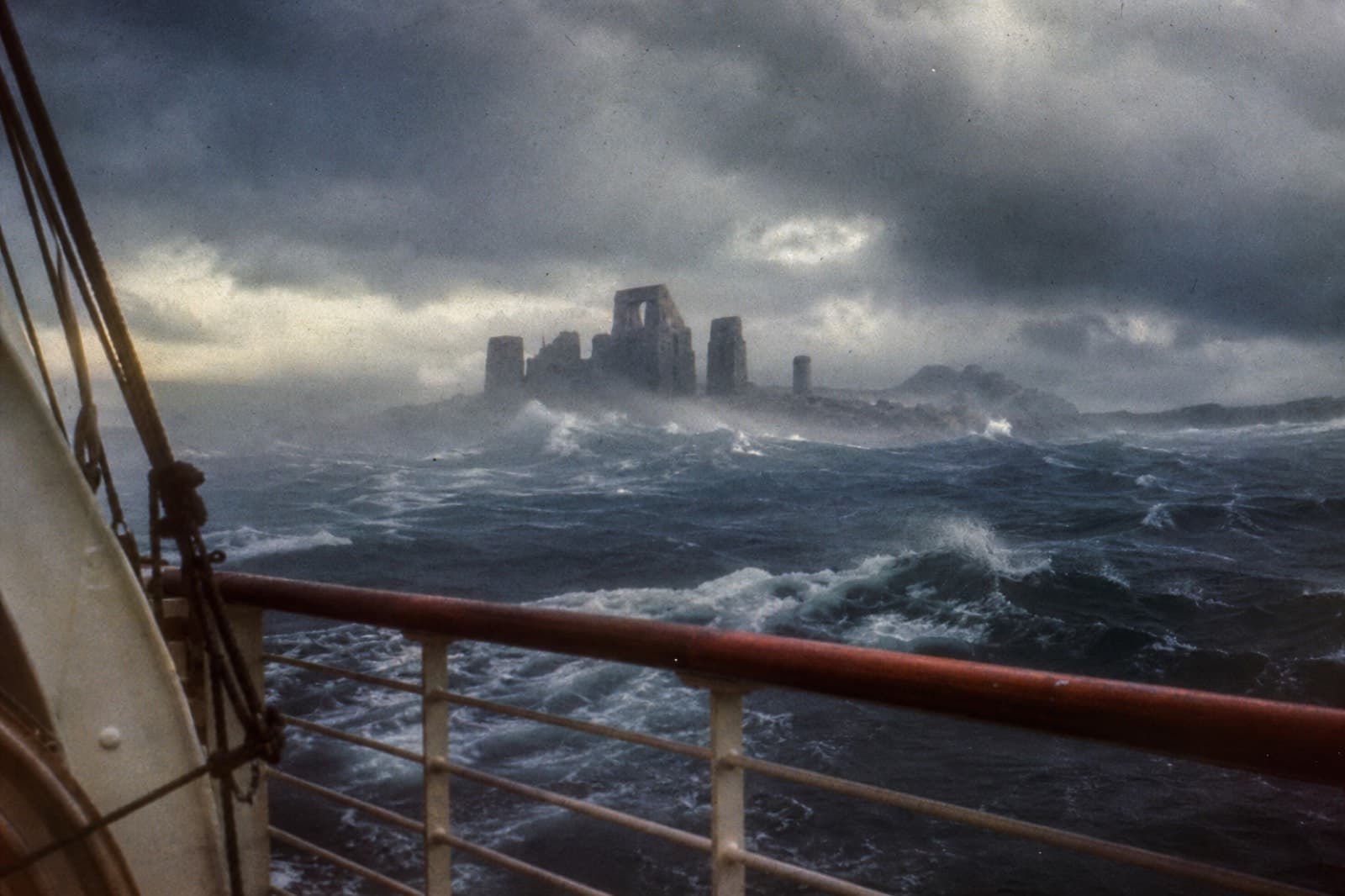
dormantR'lyeh
The Sunken Corpse-City
A cyclopean metropolis of non-Euclidean geometry risen briefly from the Pacific, tomb and temple to the dreaming god, a city that should not exist and cannot be forgotten once seen.