


Research Guide
Aklo, Azoth & Scholarly Sources
Obscure names in footnotes and grimoires send readers hunting glossaries. This page separates fiction, hoax, and scholarship.
Fictional languages and alchemy
Aklo lovecraft refers to a constructed language mentioned in mythos fiction — treat as invented, not a teachable human language without fan reconstruction and clear labeling. Azoth lovecraft blends alchemical vocabulary with occult paratexts; anchor on /archive/necronomicon and /archive/forbidden-knowledge when the search is still fiction-adjacent.
Glossary first, fan wiki second
Use /glossary for defined terms; propose new glossary entries when footnotes repeat across semesters. /archive/the-dunwich-horror is a common classroom anchor when Aklo appears in ritual scenes — read the story witness, not only a glossary gloss.
Alchemy as paratext noise
Occult shop titles reuse azoth because it sounds ancient. That does not make alchemy manuals Lovecraft canon. Necronomicon Books Guide separates hoax books from fiction. Linguistics students asking whether Aklo is “real” should write about fiction worldbuilding and fan reconstruction ethics, not about endangered languages.
Ibid, Borellus, encyclopedias
Ibid lovecraft is usually a citation joke or misread footnote (“ibid.” in academic style), not a character. Teach students to read footnotes in critical editions before they invent a mythos person named Ibid.
Pseudo-scholars and hoax names
Borellus lovecraft points to pseudo-scholarly names in mythos hoaxes — verify in story text via /library search before you lecture on a professor who never existed in Providence. Hoax scholarship is part of the aesthetic, not part of biography.
Encyclopedia intent on the open web
An hp lovecraft encyclopedia searches belong to /glossary and archive breadth — we index dossiers, not a print encyclopedia product. Link /archive when you need plot-safe summaries; link Supernatural Horror in Literature when you need critical history. Print encyclopedias from the 1980s may still sit in libraries — compare their entries to current archive slugs before you trust creature statistics.
Research methods
Cite archive slugs for plot and entities. Cite Library publication witnesses for first appearance and revision. Use Supernatural Horror in Literature for critical history; use Necronomicon Books Guide when a source is a prop or Simon edition.
Footnotes students actually need
When a paper says “Lovecraft mentions Aklo,” require a story slug and a quotation witness. When a paper says “Azoth appears in Lovecraft,” ask whether they mean fiction, fan wiki, or an occult paperback — three shelves, three labels.
Closing the loop to primary fiction
End research weeks on /archive/the-call-of-cthulhu or /archive/forbidden-knowledge so scholarly names reconnect to readable prose. Bold standard: if it is not in /library, it is not in the footnote without a disclaimer. Graduate seminars comparing Aklo footnotes across authors should still require one Lovecraft primary witness per meeting so jargon does not float free of his prose. Reference librarians can bookmark this page when aklo lovecraft and ibid lovecraft spikes appear — both are usually terminology questions, not requests for a missing novel titled Ibid.
Archive Records
Primary Sources
Canonical dossiers for this topic. Read these for plot detail, entities, and cross-references—not the hub summary above.

TOM-001
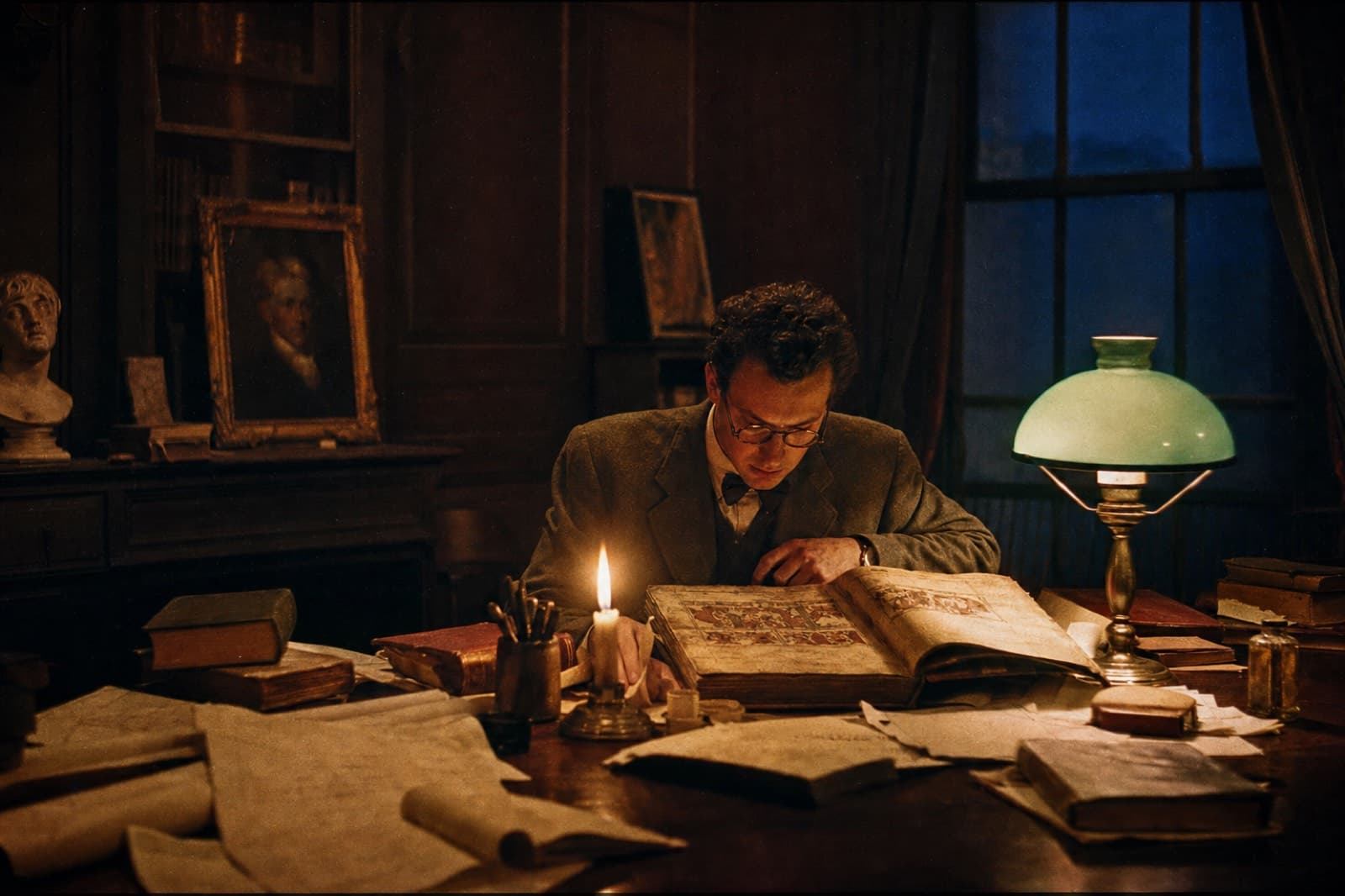
fragmentaryNecronomicon
Al Azif, Book of Dead Names
The most infamous grimoire of the mythos, an Arabic manuscript of rituals, histories, and formulae that erode the sanity of readers and have never been wholly suppressed, only scattered.
CON-002
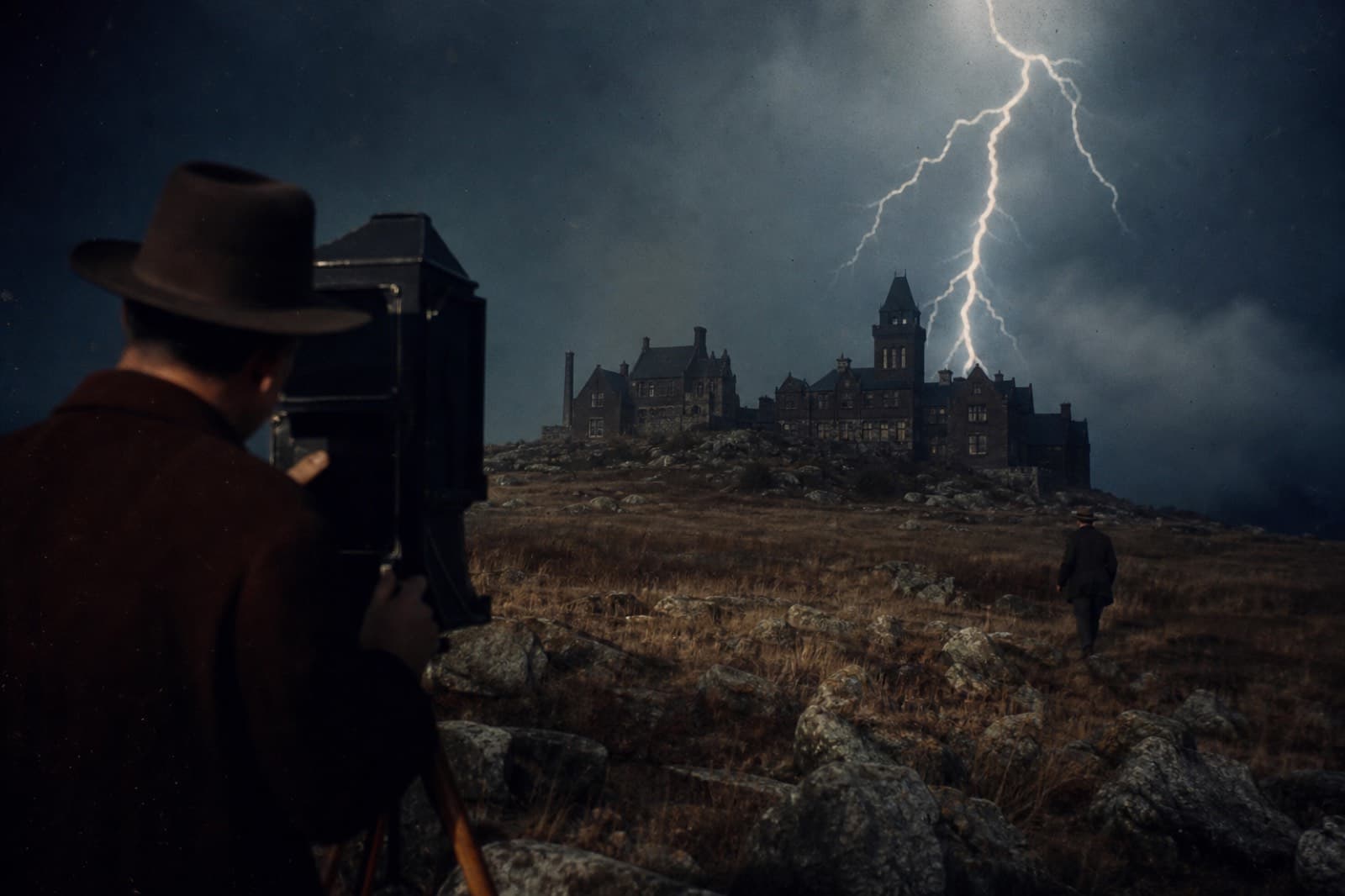
activeForbidden Knowledge
Epistemic Hazard
Information whose acquisition damages the seeker - truths the mind evolved specifically not to accommodate, and that no degree of education prepares one to survive.
STY-004
activeThe Dunwich Horror
Rural Incident - 1928
The Whateley twins, an invisible monstrosity, and rites on Sentinel Hill - when Miskatonic scholars used the Necronomicon as a weapon and learned that some doors, once opened, never close.
Field Dispatches
Related Briefings
Field Dispatch
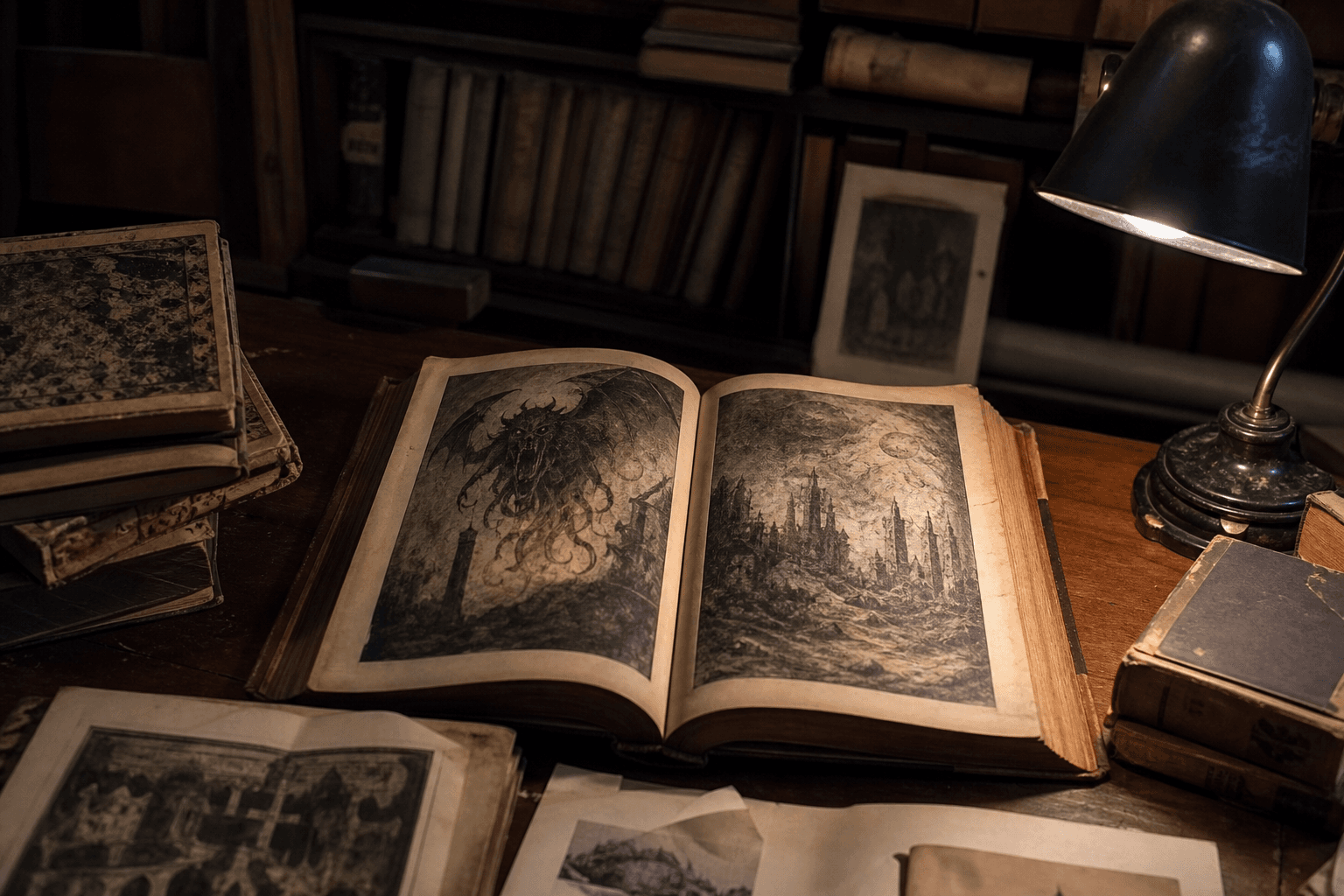
Supernatural Horror in Literature (1927)
Lovecraft's 1927 essay on supernatural horror - key arguments, famous quotes, and its lasting place in horror theory and criticism.
Read dispatch →

Field Dispatch
The Necronomicon - Books vs. Mythos Lore
The Simon Necronomicon, commemorative editions, and Lovecraft's fictional grimoire - what's real, what's mythos, and archive lore.
Read dispatch →
Guide LOVECRAFT-SCHOLARLY-SOURCES · Keyword focus: aklo lovecraft