

Research Guide
Lovecraft & Mature Content
“Adult” searches mix violence, sexual themes, and edgier pastiche. This guide clarifies what appears in Lovecraft’s own text versus later imitators.
What Lovecraft actually wrote
Lovecraft is not primarily an “adult” writer in the contemporary erotic sense. His constraints are violence, body horror, racist language, and psychological collapse. Stories such as /archive/herbert-west-reanimator are gory; /archive/the-shadow-over-innsmouth centers on breeding and bodily transformation in ways that disturb many modern readers without fitting neatly into “mature romance” categories search engines imply.
Violence, body horror, and prejudice
Adult searches therefore mix unlike intents: gore, sexuality in pastiche, and ethical warnings about prejudice. Name all three when you recommend a story. /archive/the-thing-on-the-doorstep and Herbert West belong on syllabi only when you are ready to discuss body violation and pulp excess alongside literary craft.
Gentler on-ramps when filtering matters
If you are filtering for younger readers, start with Where to Start and gentler archive entries like /archive/the-cats-of-ulthar. Save Innsmouth and reanimation cycles until readers can tolerate cosmic dread plus social harm in the same sitting. Retailers labeling shelves mature rarely distinguish gore, sexual pastiche, and racist language — this research page exists so you can name which stress you are actually filtering for before you buy or assign.
Ethics and classroom use
Teachers should pair fiction with Lovecraft Biography and material on prejudice — the author’s letters and social context are part of the archive’s ethical frame. “Adult” cannot mean ignoring racism; it means naming it before students meet slurs in primary text.
Pastiche, games, and different boundaries
For contemporary adult pastiche and extreme horror that uses mythos names, classify as commentary unless it quotes verified primary text. Modern Lovecraftian Horror lists modern authors with different content boundaries than pulp. Tabletop and visual media often amplify gore beyond prose — route players to /archive/cosmic-horror when you want scale taught before shock.
Syllabus framing that holds up
Assign one dispatch on biography and one on cosmic horror before the first story. Students who understand materialist indifference read violence differently than students who expect moral punishment in every tale. Libraries labeling Lovecraft adult should still provide content notes in catalogs — age rating is not a substitute for naming racist language in primary text.
If you need a safe on-ramp
Read /archive/cosmic-horror as a concept dossier first — dread by scale, not shock by gore. Then choose one story from Tier I in Where to Start. The expedition archive is meant for researchers who can tolerate difficult primary sources, not for every casual visitor who typed lovecraft adult without context.
When to stop and choose another shelf
If a search clearly targets erotic pastiche or unrelated adult media, leave Lovecraft primary text out of it. If a search targets classroom safety, give Cats of Ulthar, Colour out of Space (with warnings), and biography — not Herbert West on day one.
Responsible linking habits
Link archive slugs when you warn; link journal dispatches when you teach. Do not paraphrase sensitive scenes in social posts without content notes. Bold goal: informed consent before primary text, not surprise after purchase. Parents comparing ratings to prose should read /archive/the-shadow-over-innsmouth summaries in the archive before assuming “classic horror” means the same boundaries as a studio PG-13 label.
Archive Records
Primary Sources
Canonical dossiers for this topic. Read these for plot detail, entities, and cross-references—not the hub summary above.

CON-001
activeCosmic Horror
Philosophical Classification
Horror arising not from personal evil but from the insignificance of humanity before an indifferent, incomprehensible cosmos - the aesthetic that governs every file in this archive.
STY-003
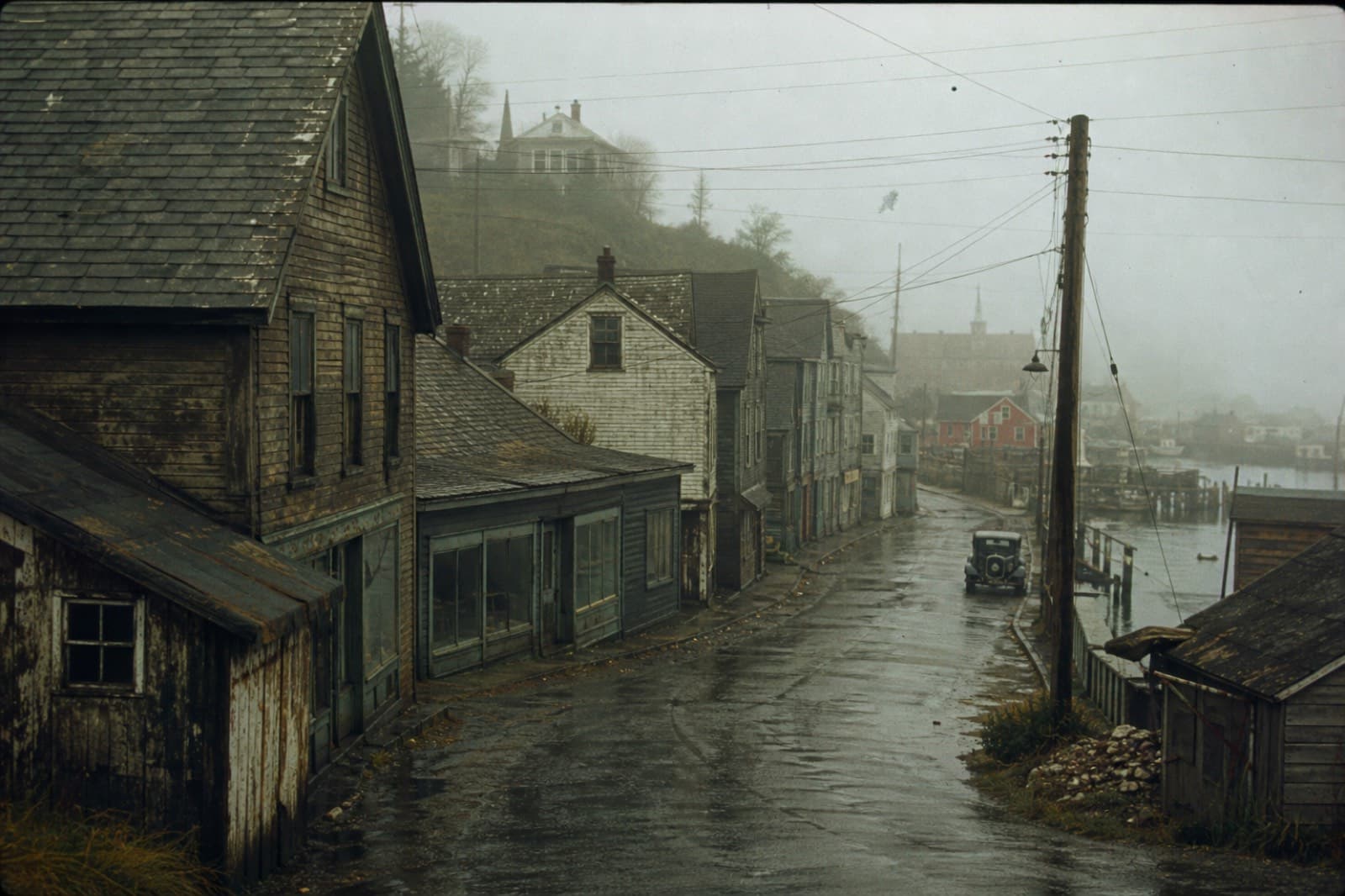
activeThe Shadow over Innsmouth
Coastal Investigation - 1927
An undercover inquiry into Innsmouth reveals the Deep One pact and a transformation that waits in the blood - the story that explains why some coastal families do not die, they depart.
STY-117
activeHerbert West - Reanimator
Miskatonic Medical Annex - 1905–1922
Herbert West's reagent raises the dead without restoring the soul - six episodes of hubris, screaming specimens, and a headless doctor carried home by what he made.
Field Dispatches
Related Briefings

Field Dispatch
H. P. Lovecraft - Biography
Howard Phillips Lovecraft's life: Providence, Weird Tales, marriage to Sonia Greene, literary friendships, and the worldview behind cosmic horror.
Read dispatch →

Field Dispatch
Modern Lovecraftian Horror
Contemporary authors and works in the Lovecraftian tradition - where to go after reading H. P. Lovecraft's original fiction.
Read dispatch →

Field Dispatch
Where to Start Reading H. P. Lovecraft
A curated entry path through Lovecraft's best short stories - from The Call of Cthulhu to gentler Dream Cycle tales - with links to full archive records.
Read dispatch →
Guide LOVECRAFT-ADULT-CONTENT · Keyword focus: lovecraft adult