


Field Dispatch
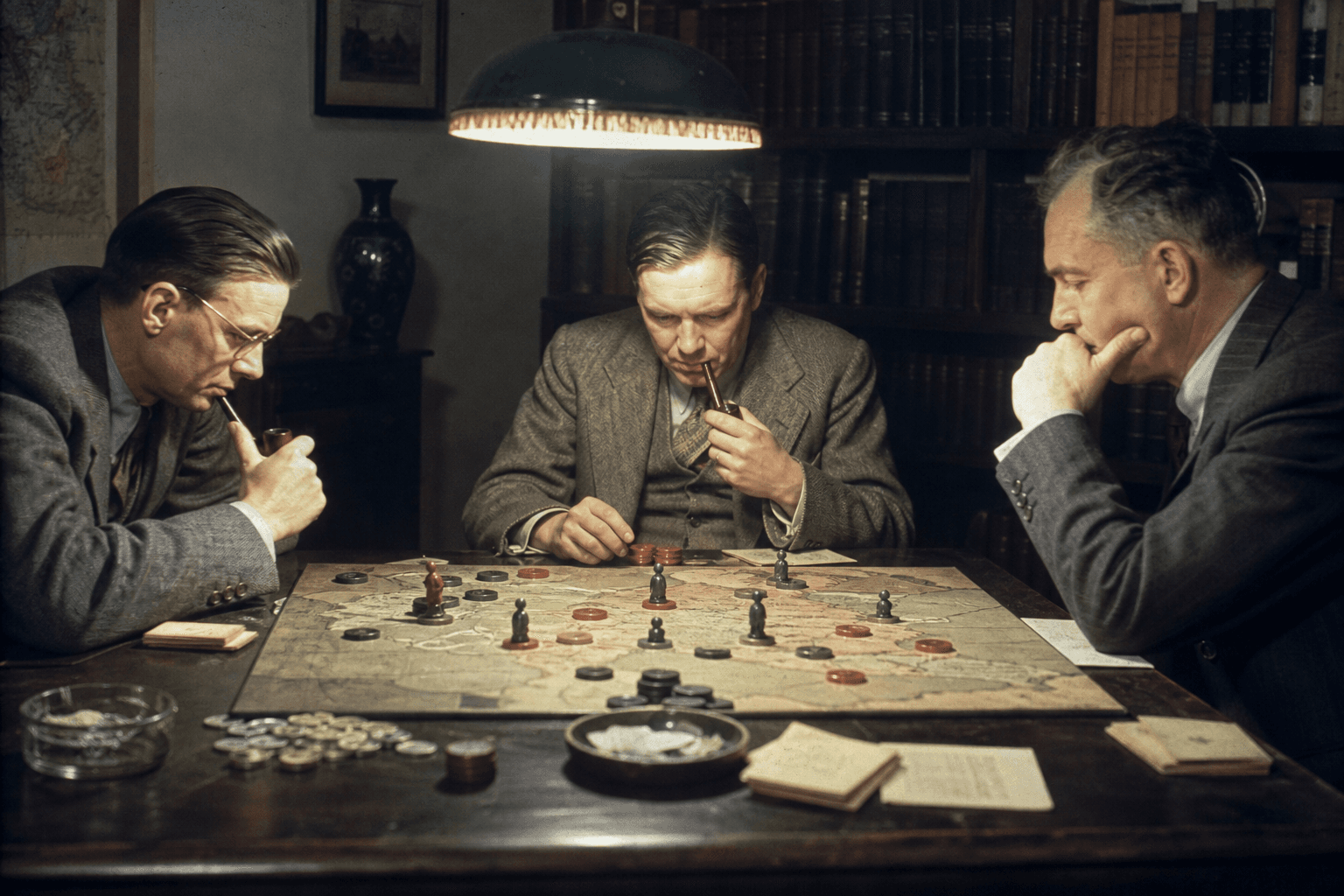
Arkham Horror and Mythos Board Games
Board-game annex to the RPG dispatch — same hazard, different cardboard.
The Fantasy Flight family tree
Arkham Horror (1987, Richard Launius; revised 2005 onward) turned Lovecraft's New England into a board: investigators roll dice on streets, close gates, and lose sanity while ancient ones stir. Eldritch Horror zoomed out to a world map; Mansions of Madness added app-driven scenarios in one house; Arkham Horror: The Card Game made deck-building the investigation.
None of these are summaries of /archive/the-dunwich-horror or /archive/the-shadow-over-innsmouth; they are engines that borrow nouns. The board game's Arkham is walkable; Lovecraft's Arkham is a mood. The game's Cthulhu awakens on a track; Lovecraft's Cthulhu dreams while sailors die in the South Pacific.
Players who love cardboard should play; scholars who cite cardboard should stop. This guide tells you which archive pages to open when a card names Yig, Shub-Niggurath, or Rhan-Tegoth. The cardboard Arkham street plan is a grid for movement, not a map of Lovecraft's Massachusetts; treat it as a board, not as geography you could walk with a surveyor's chain.
Components vs. canon
Investigator cards mix Lovecraft characters (often renamed or composite), original characters, and crossover nods. Ancient One sheets mix mythos entities with invented threats. Spells and items frequently have no textual basis — pretty art, game balance, zero manuscript witness.
What to verify
If a card says Necronomicon, read /archive/necronomicon. If a scenario says Innsmouth, read /archive/innsmouth and /journal/deep-ones-explained. If a expansion titles itself Under Dark Waves, expect Deep One themes — then read Lovecraft's actual fish-frog prose, not the miniatures alone.
Mansions scenarios often pastiche films and RPG modules; treat them as alternate outcomes, not spoilers for stories Lovecraft never finished. Miniature sculptors invent claws; palaeontologists invent nothing — when a plastic Deep One differs from /archive/deep-ones, trust the dossier for prose and the plastic for table presence. Promo cards from conventions may name locations that never appeared in fiction; enjoy the art, but do not file a formal field report on Miskatonic University based on cardboard alone.
A simultaneous play-and-read order
Week one: play introductory Arkham Horror or Card Game scenario; read /archive/the-call-of-cthulhu. Week two: play Innsmouth-flavoured content; read /archive/the-shadow-over-innsmouth. Week three: play Eldritch Horror global crisis; read /archive/at-the-mountains-of-madness in chunks.
Children introduced via Mansions of Madness app should eventually receive gentler Dream Cycle tales — /archive/the-cats-of-ulthar — so mythos is not only tentacles. Adults introduced via tentacles need the opposite: remind them that Lovecraft also wrote about economics in The Street and that not every card slug exists in 1936. Between sessions, compare one card text to one paragraph of primary fiction aloud; the difference in rhythm teaches more than any lecture on canon.
Competitive vs. cooperative tone
Board games are cooperative; Lovecraft's protagonists are isolated. The mismatch is instructive: community saves investigators; solitude doomed Wilmarth. Discuss that around the table if you want literary conversation without killing the fun. Seasoned groups sometimes assign each player a story to summarize before play — five minutes of narration buys hours of atmosphere cheaper than any sculpted gate.
Wiki product pages and this site
The scraped Fandom index lists hundreds of Arkham Horror expansions, Arkham Night promos, and Arkham Horror: The Roleplaying Game lines. We redirect those queries to this journal and to /journal/rpg-and-tabletop-lovecraft rather than spawning six thousand product dossiers.
If you need a miniature's name, use the publisher site. If you need the myth behind the miniature, use our archive. If you need both, hold both in mind like a man carrying a lantern and a gun — illumination and defence, neither mistaken for the other.
The yellowed files in Providence did not include dice. They included ledgers of what happens when men learn too much. Roll your dice afterward; read first, if you can bear it. When a wiki lists forty expansion boxes, remember forty boxes are commerce; the archive lists what endured when commerce was forgotten — names, places, and the silence after the last page. If your search landed on a forgotten expansion title, follow the redirect, read the entity dossier, and let the box art be what it is: a painted lie that nonetheless keeps the conversation alive.
Dispatch ARKHAM_HORROR_BOARD_GAMES_GUIDE · Primary keyword: arkham horror
Primary sources
LOC-002
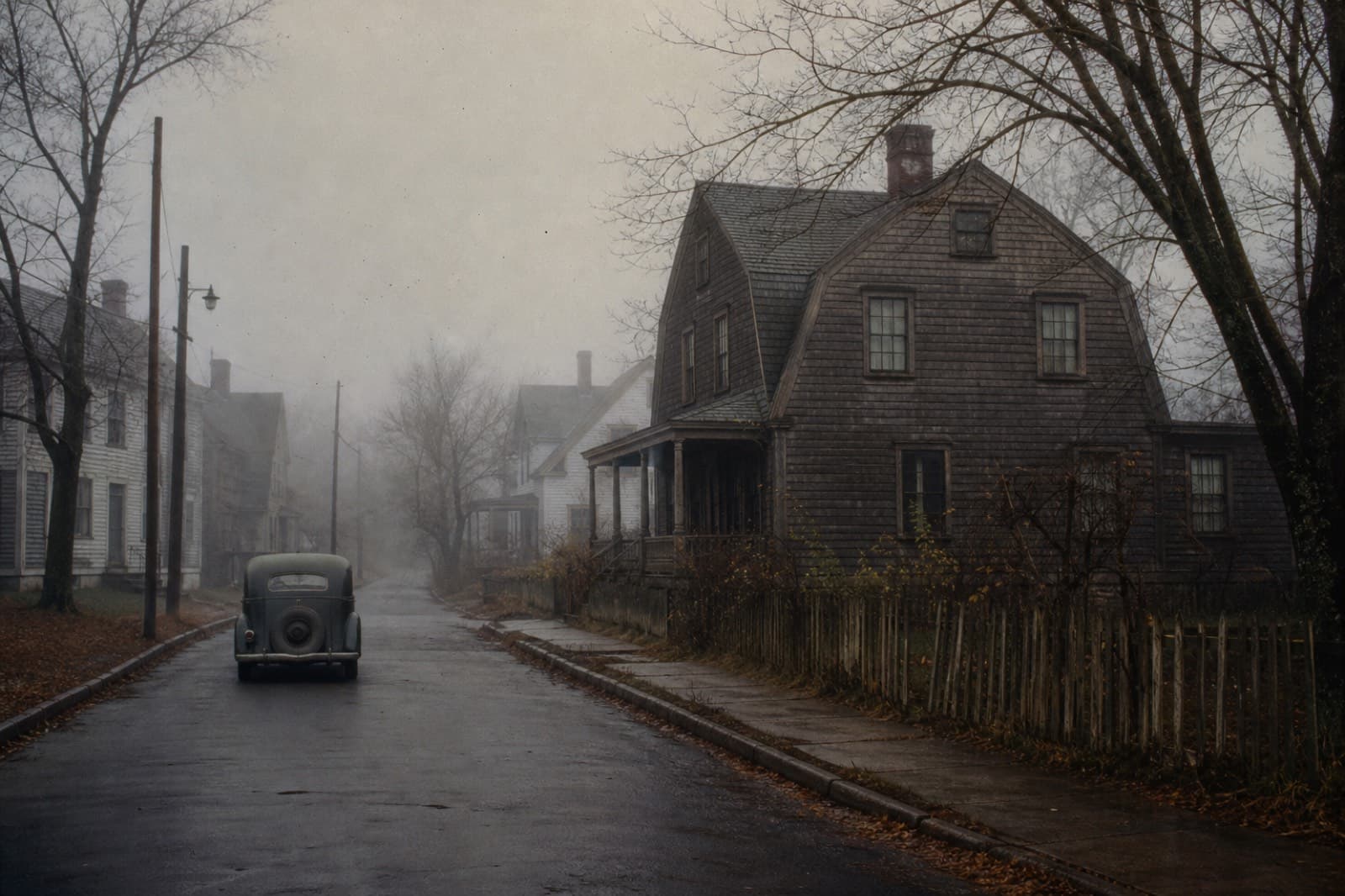
activeArkham
City on the Miskatonic
An aging Massachusetts town of gambrel roofs and winding streets, home to the university and countless quiet horrors, the kind that do not shriek in the night but wait in attics for generations to pass.
LOC-003
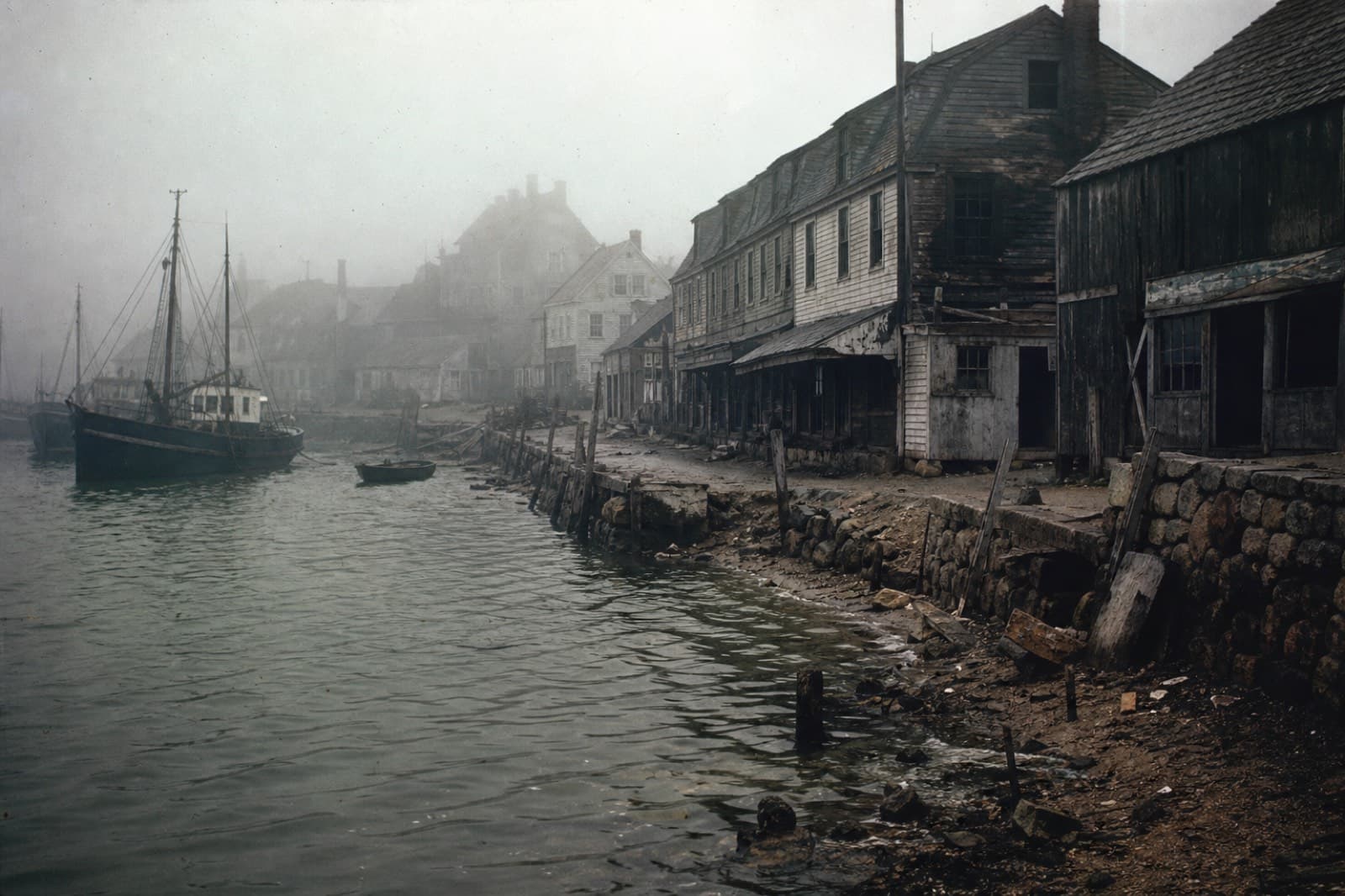
activeInnsmouth
Decaying Port on the Manuxet
A fish-smelling coastal town whose inhabitants bear an unsettling familial resemblance and who look seaward with too much devotion, a place the government raided and the sea has not yet finished claiming.
GOO-001
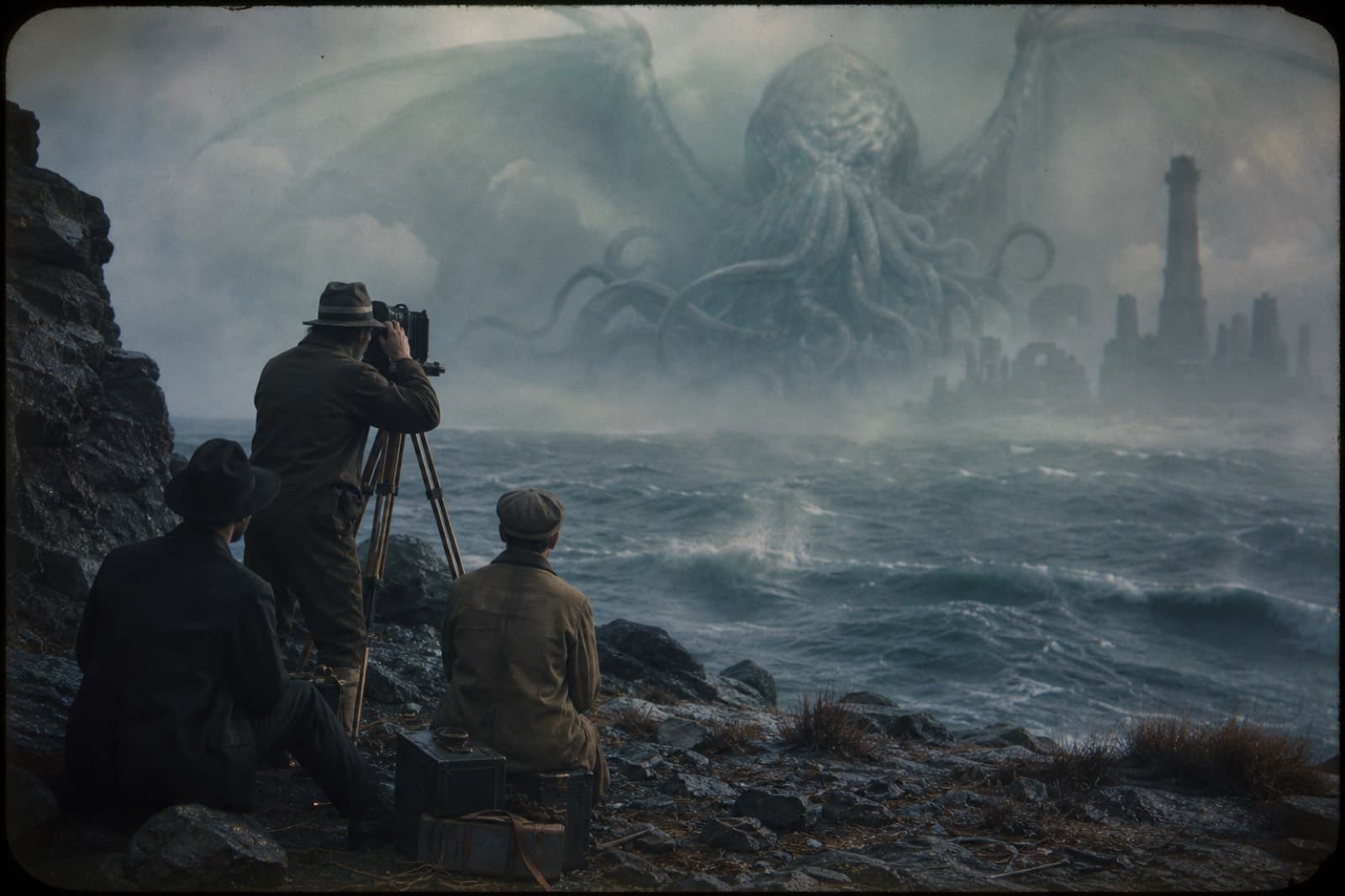
dormantCthulhu
High Priest of the Great Old Ones
A colossal entity of draconic and cephalopodic aspect, dreaming in death-like slumber beneath the Pacific until the stars align, and when they do, the world will know madness again.
OG-003
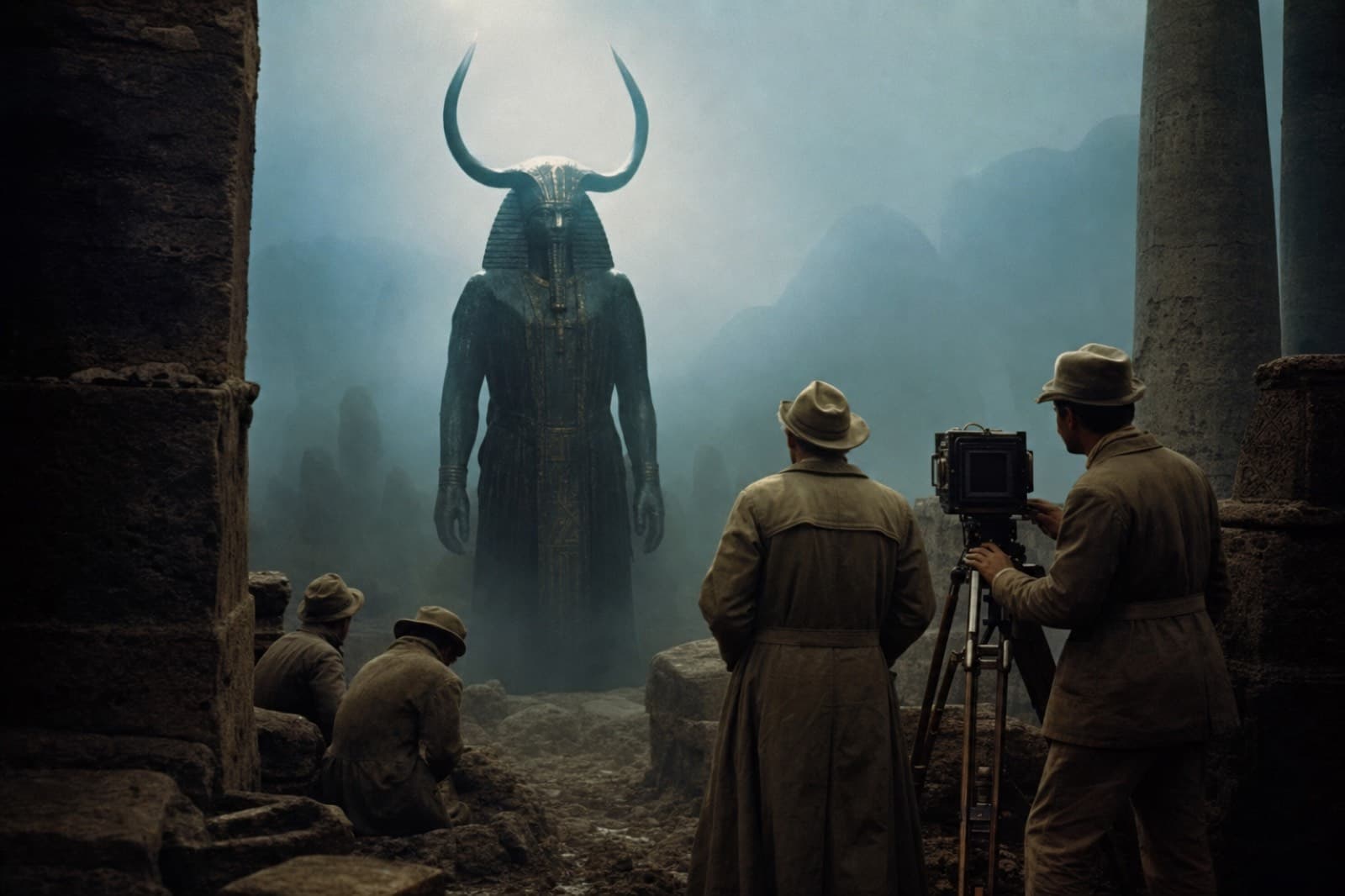
activeNyarlathotep
The Crawling Chaos
A protean messenger who walks among humanity in countless guises, sowing madness and progress alike, the one Outer God who seems to enjoy our suffering.
Continue reading

Field Dispatch
Tabletop RPGs and the Cthulhu Mythos
A field guide to Lovecraftian roleplaying games — Call of Cthulhu, Delta Green, Trail of Cthulhu, and how scenarios relate to primary fiction in the archive.
Read dispatch →
Field Dispatch
Eldritch Horror & the Lovecraft Mythos
How the Eldritch Horror board game uses Lovecraft entities and stories - and how it compares to the original fiction. Miskatonic Expedition field guide.
Read dispatch →