


Research Guide
Alan Moore, Aleister & Occult Lovecraft
Moore and “Aleister Lovecraft” searches mix serious comics, occult marketing, and mythos paratexts. This page labels each shelf.
Alan Moore and Providence
Alan moore hp lovecraft and lovecraft alan moore usually mean Providence or related comics — works that engage Lovecraft with historical detail, sexual explicitness, and metafictional argument very different from pulp constraints. Read Lovecraft Comics and Lovecraft Country Guide for reclamation and race context Moore and other writers press on the mythos.
Commentary on authority, not replacement canon
Moore is commentary on Lovecraft’s cultural authority, not a replacement canon. When a panel quotes Lovecraft, verify the line in /library before treating Moore as witness. Comics excel at reframing; they do not automatically excel at bibliography.
Moore vs primary fiction classrooms
Assign Moore after /archive/the-call-of-cthulhu and /archive/the-shadow-over-innsmouth so students recognize what is being subverted. Without prose baseline, Moore reads as generic horror with famous names. Bookstore staff sometimes shelve Moore beside complete Lovecraft boxes — separate them on syllabi so students do not treat comics as anthology replacements.
Aleister and grimoire confusion
Aleister lovecraft blends Crowley-era occultism with mythos marketing — two shelves that bookshops often merge because covers share serpents and faux Latin. Real-world Necronomicon props and Simon editions are covered in Necronomicon Books Guide. The fictional tome remains /archive/necronomicon; /archive/yog-sothoth indexes cosmic entities separate from Crowley biography.
Label paratexts before you cite them
Do not shelve occult paperbacks beside Joshi-critical editions without labeling them paratexts. Students searching aleister lovecraft may want Crowley history, mythos fiction, or hoax grimoires — disambiguate in the first paragraph of any handout.
Occult marketing and mythos names
When a product claims “forbidden knowledge,” ask whether it quotes Lovecraft or only evokes him. Supernatural Horror in Literature helps separate aesthetic history from prop shop rhetoric. Crowley biographies belong on history shelves; /archive/yog-sothoth belongs on fiction indexes — never merge them in a single “occult week” without labels.
Reading order
Read primary fiction first: /archive/the-call-of-cthulhu, /archive/the-shadow-over-innsmouth, then /archive/the-dunwich-horror if you want New England cult density before comics. Then comics, then occult paratexts. Your citations will thank you when footnotes stop citing Simon as if he were Lovecraft.
Shelf order for researchers
Use /cthulhu-mythos after fiction to organize gods and books. Use Necronomicon Books Guide when a search is clearly about hoax editions. Use Lovecraft Country Guide when Moore-adjacent searches are really about reclamation and setting.
One-week syllabus sketch
Days 1–3: two archive stories plus Where to Start. Days 4–5: comics dispatch. Day 6: occult paratexts with explicit non-canon labels. Bold outcome: students can name which shelf they are on. Researchers writing about Alan Moore hp lovecraft should cite comic issues and page numbers the same way they cite magazine witnesses for pulp — commentary still needs bibliographic discipline. If your thesis chapter treats Moore as reclamation, pair Lovecraft Country Guide with primary fiction witnesses so argument and evidence stay on the same shelf.
Archive Records
Primary Sources
Canonical dossiers for this topic. Read these for plot detail, entities, and cross-references—not the hub summary above.

TOM-001
fragmentaryNecronomicon
Al Azif, Book of Dead Names
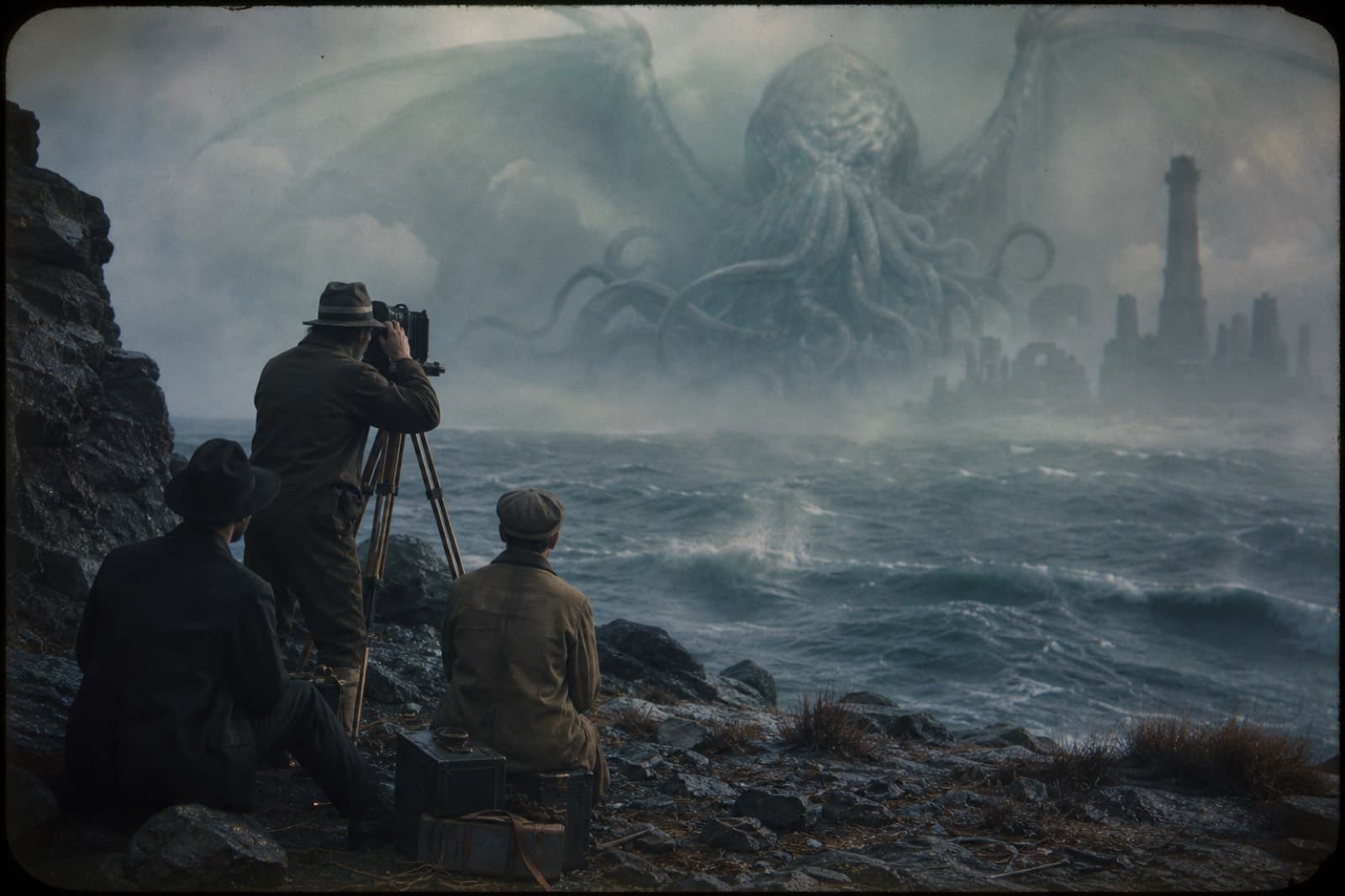
The most infamous grimoire of the mythos, an Arabic manuscript of rituals, histories, and formulae that erode the sanity of readers and have never been wholly suppressed, only scattered.
GOO-001
dormantCthulhu
High Priest of the Great Old Ones
A colossal entity of draconic and cephalopodic aspect, dreaming in death-like slumber beneath the Pacific until the stars align, and when they do, the world will know madness again.
OG-002
activeYog-Sothoth
The Key and the Gate
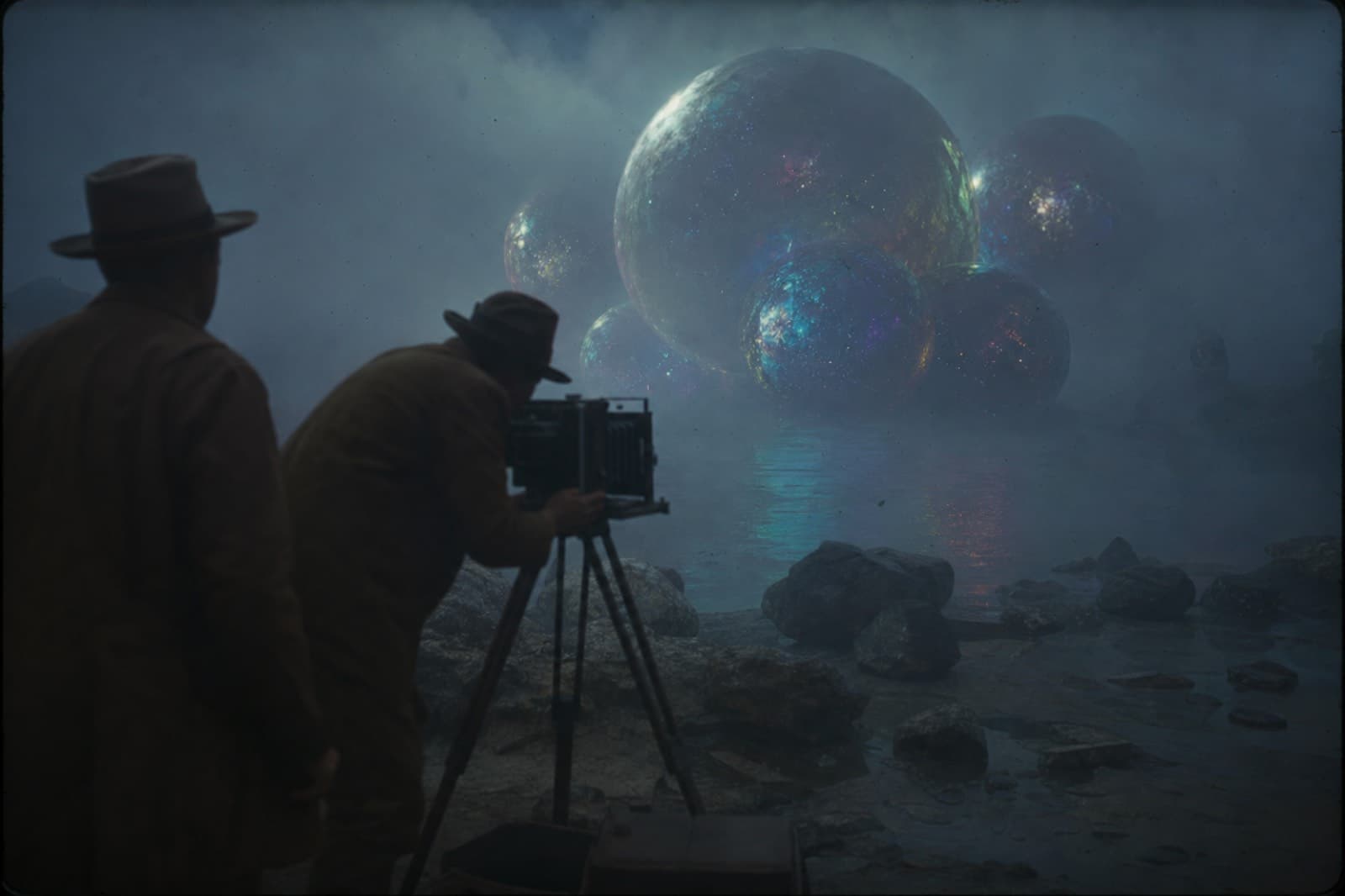
A congeries of iridescent spheres existing coterminously with all space and time, the threshold through which other powers enter, and the knower of all that was and is and shall be.
Field Dispatches
Related Briefings
Field Dispatch
Lovecraft Comics & Graphic Novels
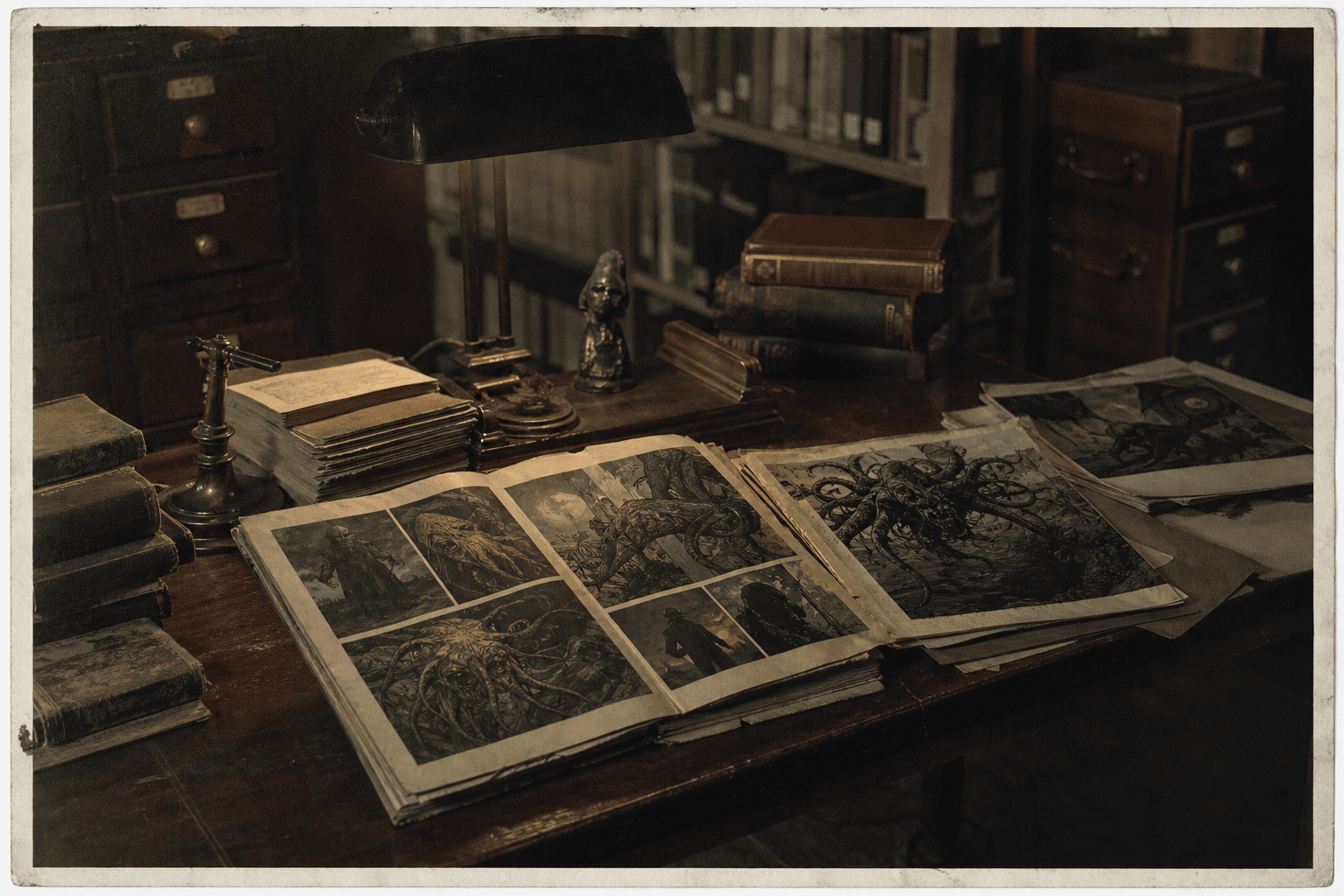
Lovecraft in comics: Alan Moore's Providence, Ian Culbard adaptations, Alberto Breccia, and other essential graphic mythos works.
Read dispatch →

Field Dispatch
The Necronomicon - Books vs. Mythos Lore
The Simon Necronomicon, commemorative editions, and Lovecraft's fictional grimoire - what's real, what's mythos, and archive lore.
Read dispatch →

Field Dispatch
Lovecraft Country (Matt Ruff) - Guide & Mythos Links
Matt Ruff's Lovecraft Country vs. H. P. Lovecraft's original mythos - themes, characters, and what fans of the books should read next.
Read dispatch →
Guide LOVECRAFT-ALAN-MOORE-OCCULT · Keyword focus: lovecraft alan moore