

Research Guide
Aliens & Creatures in the Mythos
“Alien” in Lovecraft usually means non-human species with archaeology, not space opera. This guide routes creature searches to dossiers.
Species, not astronauts
Alien lovecraft searches should land on /archive/deep-ones, /archive/mi-go, /archive/shoggoth, and related entries — earthly or interstellar species embedded in deep time. Lovecraft rarely does “little green men”; he does hybridism, fungi, and geometry that breaks lab categories.
Early beasts and later cosmology
Lovecraft beast and the beast in the cave hp lovecraft point to /archive/the-beast-in-the-cave — early work, still catalogued. Read it for evolution of creature writing, then jump to /archive/at-the-mountains-of-madness for Elder Things and Shoggoths at scale.
Browsing by creature category
Use /archive categories Creatures and Great Old Ones when you want visual browsing with incident links. Pair species dossiers with the stories that introduce them — dossiers alone feel like a monster manual without plot stakes. Alien lovecraft traffic from games should still end in prose witnesses — miniatures teach silhouette, not citation.
The Thing confusion
The thing lovecraft often confuses John Carpenter’s film with /archive/at-the-mountains-of-madness — Antarctic exploration and alien archaeology in prose, not the 1982 movie’s shape-shifting base. Teach the difference in classrooms so “The Thing” footnotes stop citing the wrong medium.
Transliteration and god names
Bhole lovecraft is a transliteration variant for /archive/shub-niggurath — use the dossier slug for citations. Spelling noise is common in international search; the archive slug stabilizes links for papers and blogs alike.
Carpenter as commentary, not witness
You may discuss Carpenter as commentary on Antarctic isolation after students read Lovecraft’s novella — but label the film commentary in bibliographies, not as Lovecraft text. Reddit threads that equate The Thing with Lovecraft because both use snow are exactly why this research route exists for teachers. Assign /archive/at-the-mountains-of-madness before any Antarctic film night so Elder Things and Shoggoths have prose anchors students can cite in discussion posts.
Next steps
Read Deep Ones Explained, then /cthulhu-mythos for how species connect across stories. Follow with /archive/the-shadow-over-innsmouth when coastal biology matters more than Antarctic ruins.
Reading order for creature-heavy syllabi
Use Complete Lovecraft Reading Order for mythos density after you have two species introductions. Link /archive/cthulhu last if you want sleeping god scale after terrestrial hybrids — many teachers prefer that escalation.
Research habit
One creature claim, one archive slug, one story witness — bold precision beats lore forum consensus every time. Podcast episodes that list “top Lovecraft monsters” without story titles are entertainment — assign /archive/the-whisperer-in-darkness when Mi-Go must be grounded in plot, not in thumbnail art alone. Game wikis that stat-block Deep Ones are commentary — balance them with /archive/deep-ones and Deep Ones Explained before debates about “canonical” hit points. Alien lovecraft should always resolve to species dossiers plus the stories that introduce them — never to a single meme image passed as lore.
Archive Records
Primary Sources
Canonical dossiers for this topic. Read these for plot detail, entities, and cross-references—not the hub summary above.
CR-003
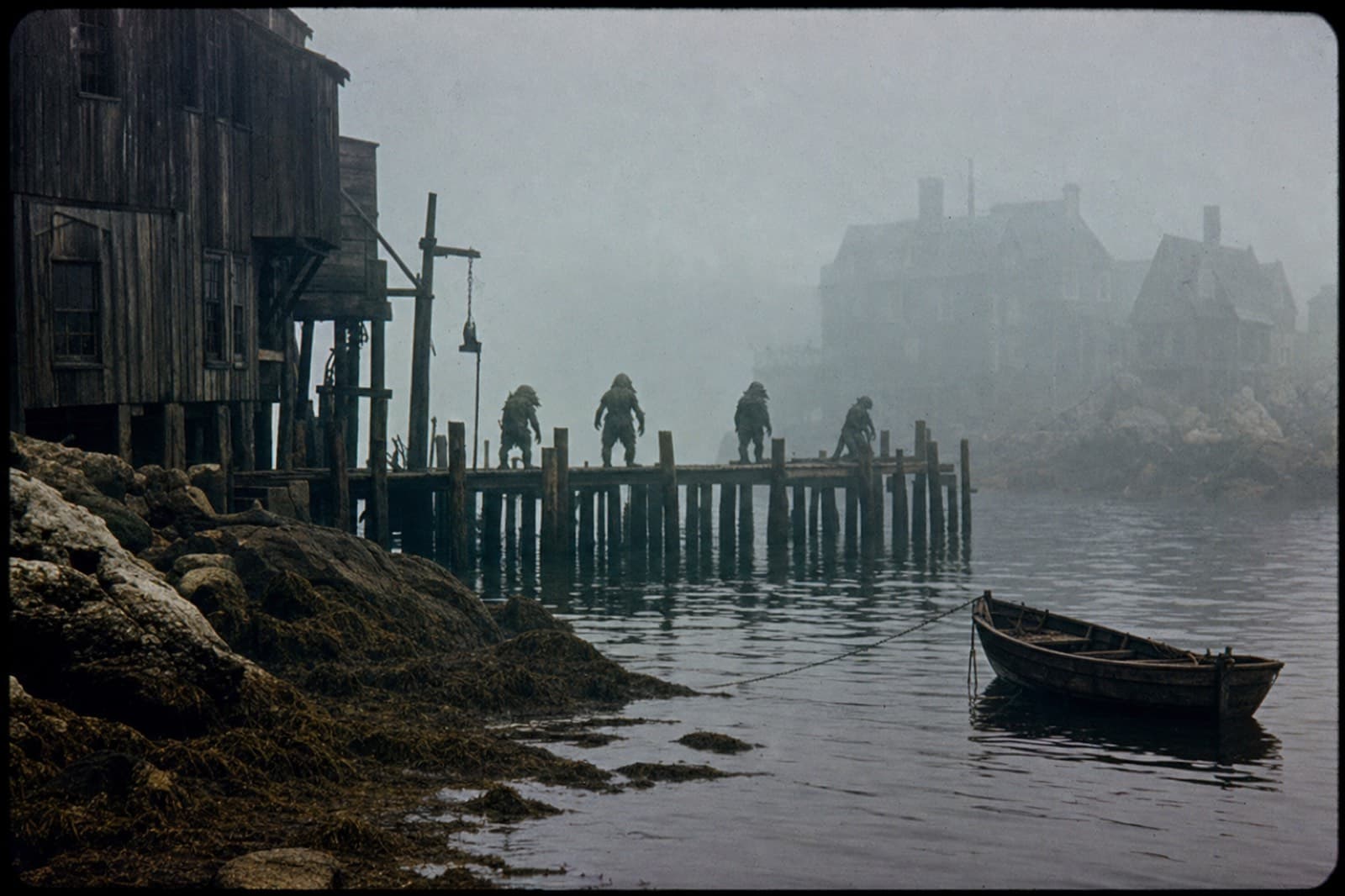
activeDeep Ones
Amphibious Servitors of the Sea
Fish-frog humanoids inhabiting undersea cities, capable of interbreeding with humanity over generations until the sea claims its own.
CR-005
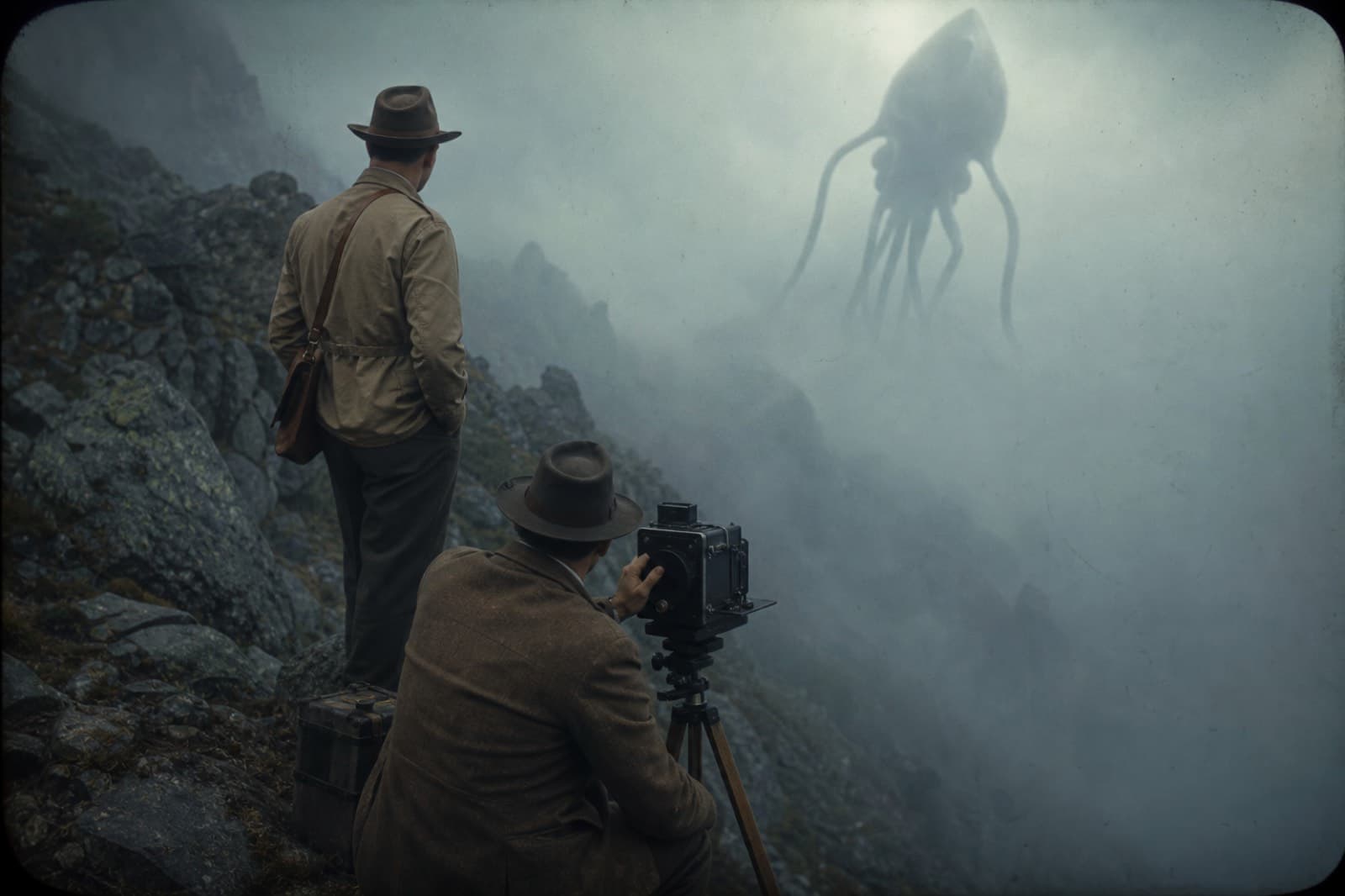
activeMi-Go
Fungi from Yuggoth
Crab-like fungoid beings from Yuggoth who mine Earth for minerals and extract living brains for transport across interstellar gulfs, surgeons of a science we cannot fathom.
CR-012
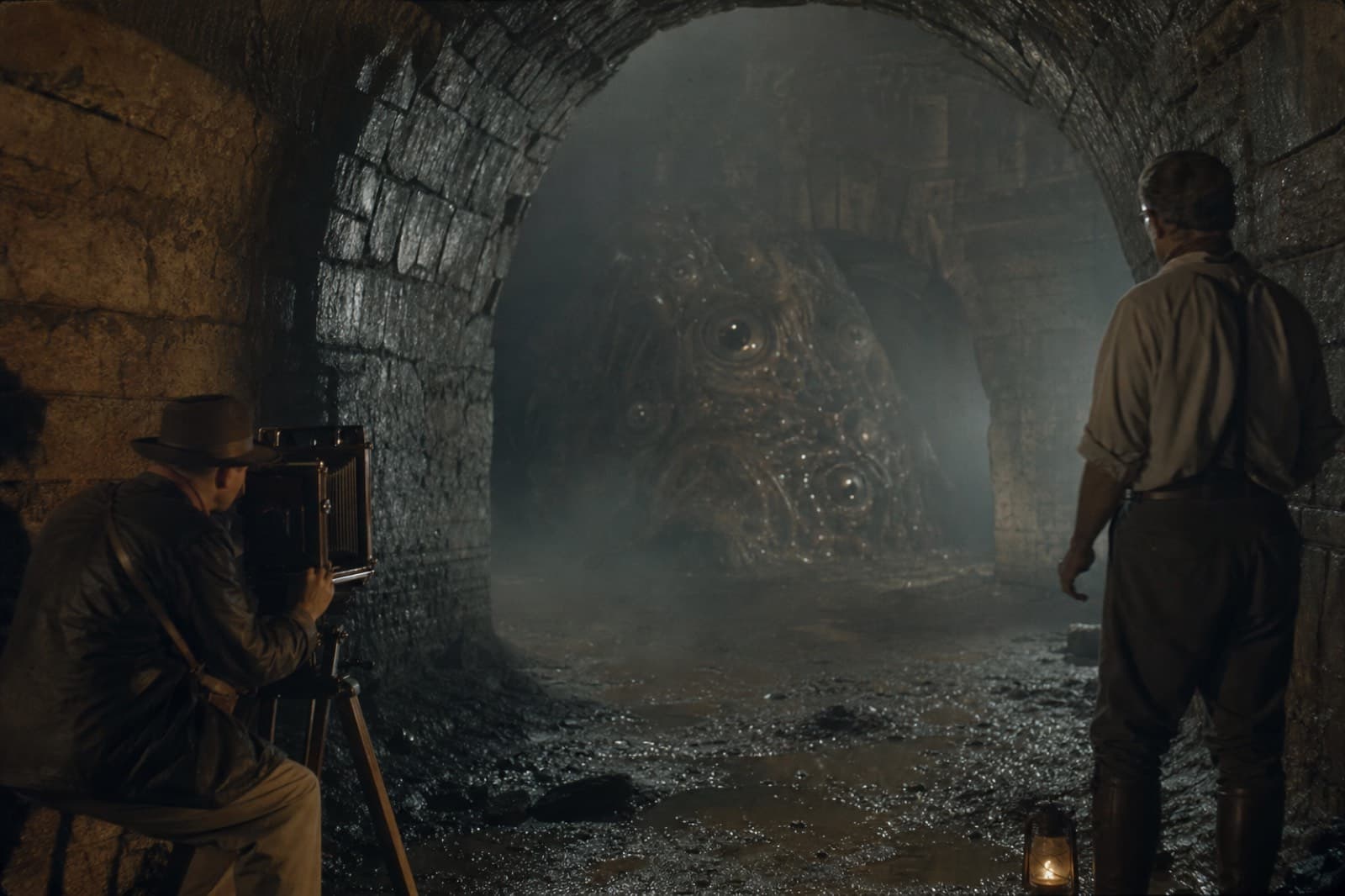
activeShoggoth
Protoplasmic Servitors
Amorphous protoplasmic entities capable of forming eyes, organs, and appendages at will, created as slaves, now rebellious, and remembered in Antarctic stone.
STY-145
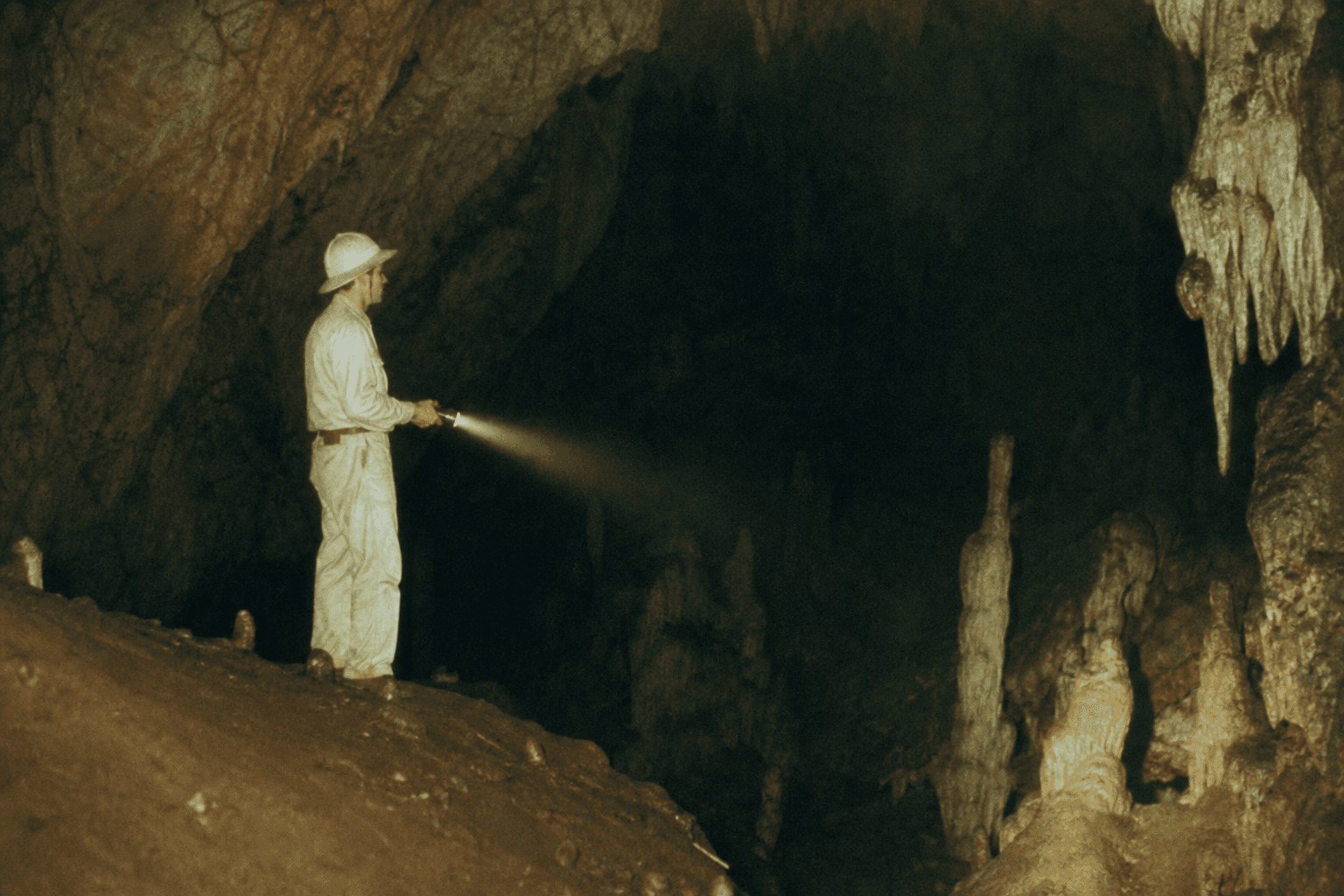
activeThe Beast in the Cave
Mammoth Cave - circa 1918
A lost tourist in Kentucky darkness hears padding feet and sees a pallid degenerate man-thing - surviving the encounter only to learn how quickly humanity unravels in the abyss.
Field Dispatches
Related Briefings
Field Dispatch
Deep Ones - Biology, Cults & Innsmouth
What are the Deep Ones? Hybrid biology, Dagon, the Esoteric Order of Dagon, and their role in The Shadow over Innsmouth.
Read dispatch →

Field Dispatch
Complete H. P. Lovecraft Reading Order
Chronological and thematic reading orders for Lovecraft's fiction, complete works editions, and how they map to the Cthulhu Mythos.
Read dispatch →
Guide LOVECRAFT-ALIENS-AND-CREATURES · Keyword focus: alien lovecraft